




Decorative Oak Box
These decorative oak box pieces span centuries of craftsmanship, offering practical storage disguised as fine woodwork for any interior.
Decorative Oak Box
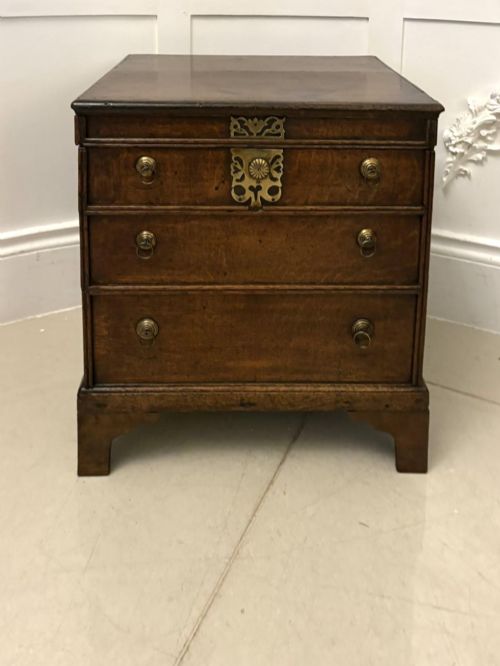
A decorative oak box brings centuries of functional storage into a modern interior through enduring materials and varied forms. When you search for a decorative oak box, you encounter pieces that range from miniature chests and tea caddies to keepsake cases and games boxes.
The selections on this page span the seventeenth century up through the Edwardian era, incorporating styles such as Early Georgian, Victorian, and Art Nouveau. Smaller formats like table boxes and card holders sit alongside larger coffers and settles with storage, uniting utility with ornamental detail.
Materials and construction
Makers built these pieces primarily from solid timber, utilising oak alongside pollard oak, walnut, and marquetry inlay to achieve rich surface texture. Metal components such as brass, iron, nickel, and enamel provided functional hinges, mounts, and decorative highlights.
Surface ornamentation relied on intricate joinery, mother of pearl, bone details, and lacquer work. Artisans combined these structural timbers and decorative inlays to create durable storage items suited for daily domestic use.
Decorative Oak Box Retail Price Guide 2026
Typical asking prices for decorative oak box among the pieces listed under this phrase on Sellingantiques today, from the lower quarter to the upper quarter. They describe what is for sale here now, not the wider market.
The listings on this page span several centuries, featuring oak, brass, and marquetry inlay across forms from tea caddies to miniature chests.
Assessing craftsmanship and design
Quality in these pieces depends on the precision of the joinery and the integration of decorative elements like marquetry inlay or brass mounts. Finer examples display meticulous attention to detail in their carved surfaces, fitted interiors, and the careful selection of figured timber.
The complexity of the form also dictates the tier of a piece, separating straightforward utilitarian containers from elaborate miniature chests and French tea caddies. Superior construction ensures the hardware and timber age gracefully while maintaining structural integrity.
Tahan of Paris
The Decorative Oak Box Glossary
- Coffer
- A sturdy wooden chest traditionally used for storing valuables and household goods. These pieces often feature hinged lids and robust joinery.
- Tea Caddy
- A small storage container specifically designed to hold loose tea leaves. They frequently include interior compartments and lockable lids.
- Marquetry Inlay
- A decorative technique where thin pieces of wood or other materials are fitted into a veneer to create pictorial patterns. This method enhances the visual depth of the surface.
- Pollard Oak
- Timber taken from trees that have been pollarded, resulting in a dense, highly figured grain pattern. Craftsmen prized this wood for its distinctive decorative appearance.
Decorative Oak Box: Frequently Asked Questions
What were decorative oak boxes used for originally?
These items served a variety of domestic purposes, from securing precious letters and jewellery to storing playing cards and loose tea leaves. Their sturdy construction protected valuable contents while adding a refined aesthetic to period rooms.
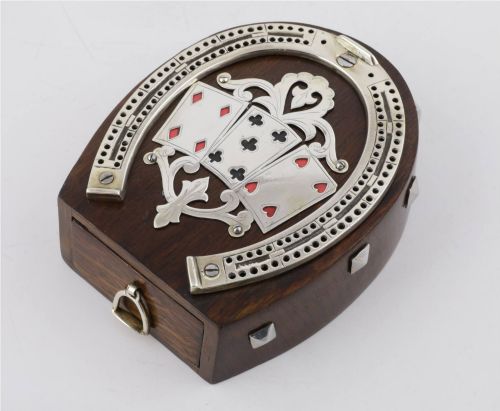
Over time, specific forms evolved for distinct tasks, such as cribbage boards for entertainment or miniature coffers for personal keepsakes. Their combination of utility and ornament made them fixtures in both public reception spaces and private chambers.
How do I care for antique oak storage pieces?
Maintain these wooden items by keeping them away from direct sunlight and sudden shifts in temperature or humidity. This prevents the timber from warping and protects delicate inlay work.
Apply a traditional wax polish occasionally to nourish the grain and preserve the surface sheen. Avoid liquid cleaners and harsh chemicals that can strip the finish or damage metal mounts.
How can I distinguish between Victorian and earlier periods?
Early pieces from the seventeenth and eighteenth centuries typically exhibit heavier construction, hand-cut joinery, and simpler functional lines. Stylistic cues like Early Georgian or Jacobean details indicate these earlier origins.
Victorian and Edwardian examples often incorporate more eclectic influences, such as Art Nouveau curves or French revival styles. They frequently feature machine-assisted precision alongside traditional handcrafting techniques.
Are all these boxes made entirely of solid oak?
While oak forms the primary structural timber across most items, makers frequently incorporated secondary woods and decorative elements. Combinations include pollard oak veneers, walnut, and marquetry inlay.
Metal components like brass, iron, and nickel provide hinges, locks, and handles, while some pieces feature details in mother of pearl or bone.