
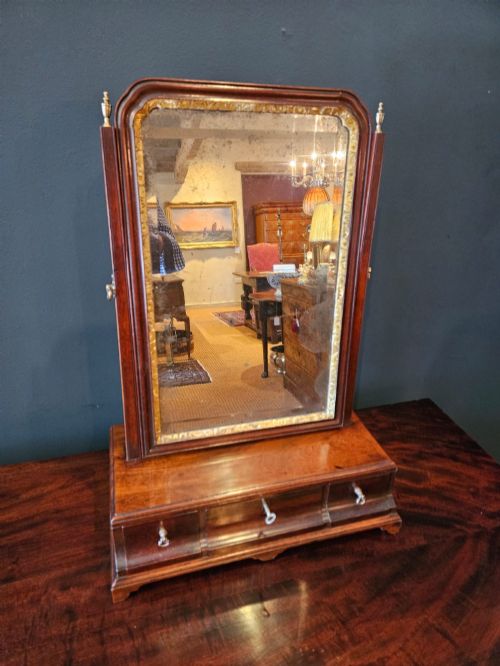
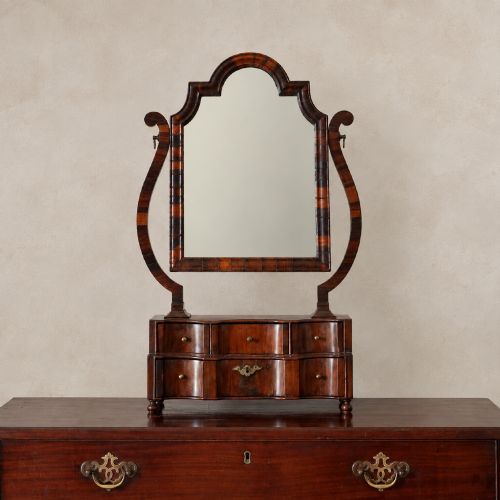
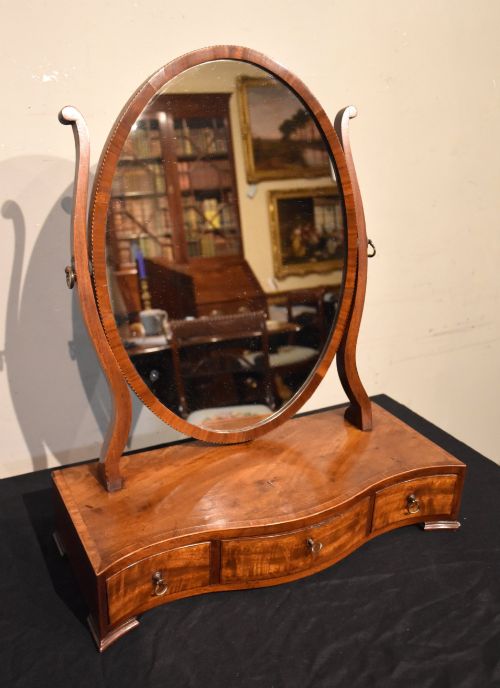
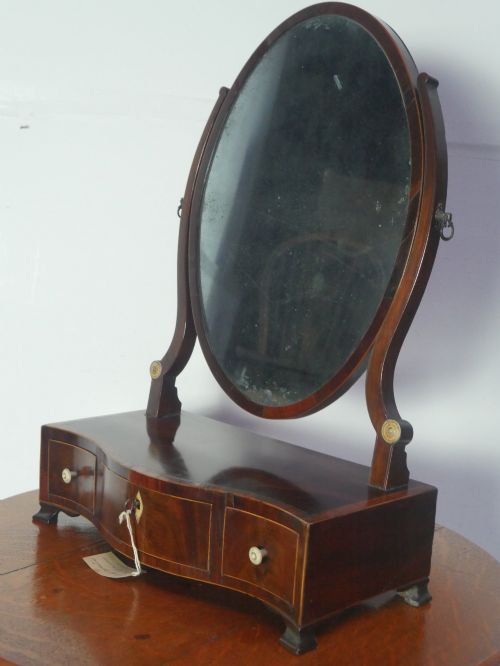
Tabletop Drawers Box
When you search tabletop drawers box, you encounter compact period storage and dressing mirrors built to sit on larger furniture.
Tabletop Drawers Box
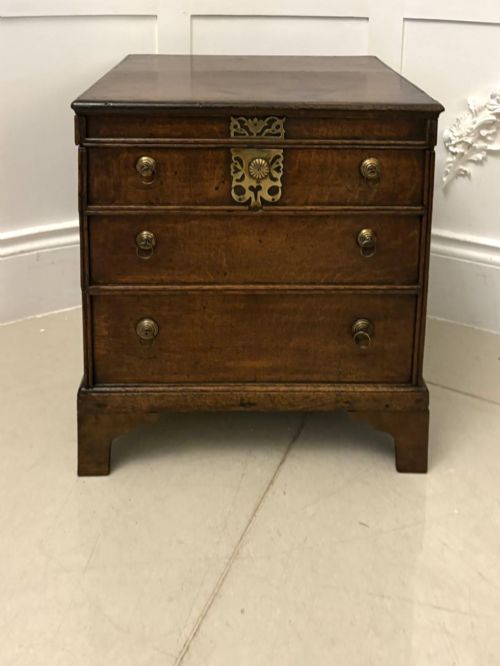
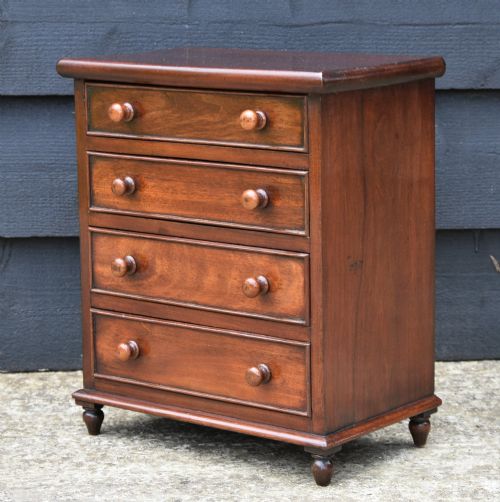
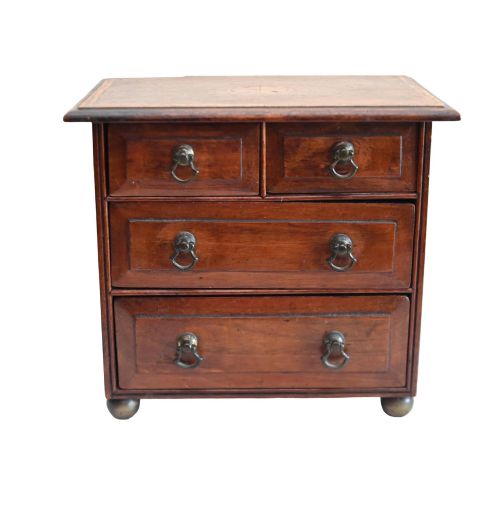
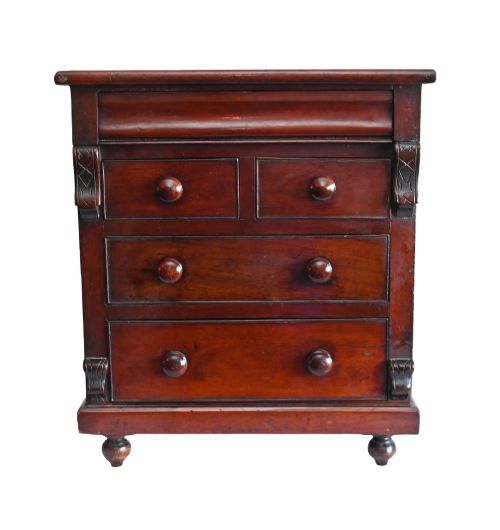
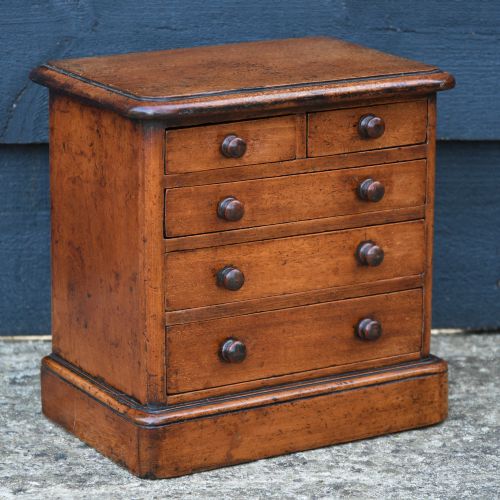
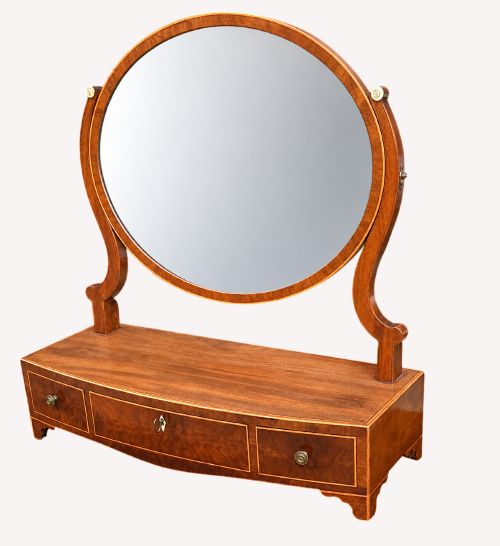
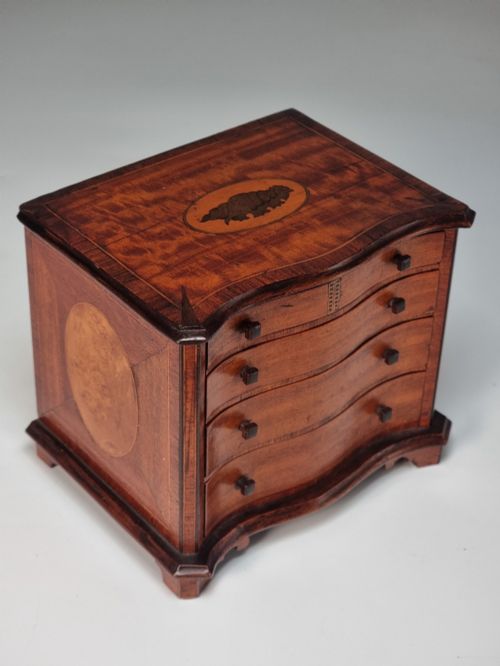
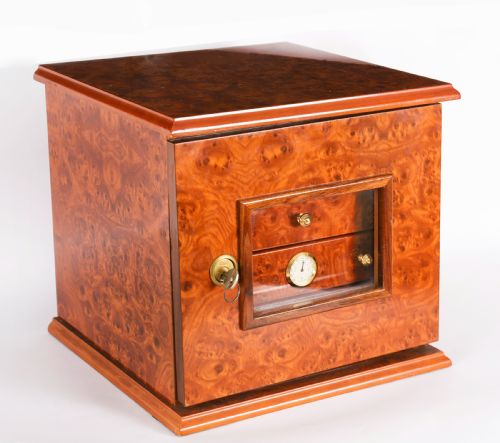
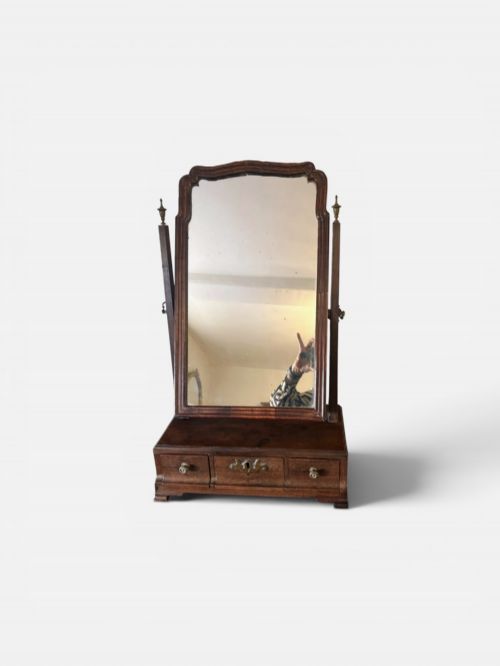
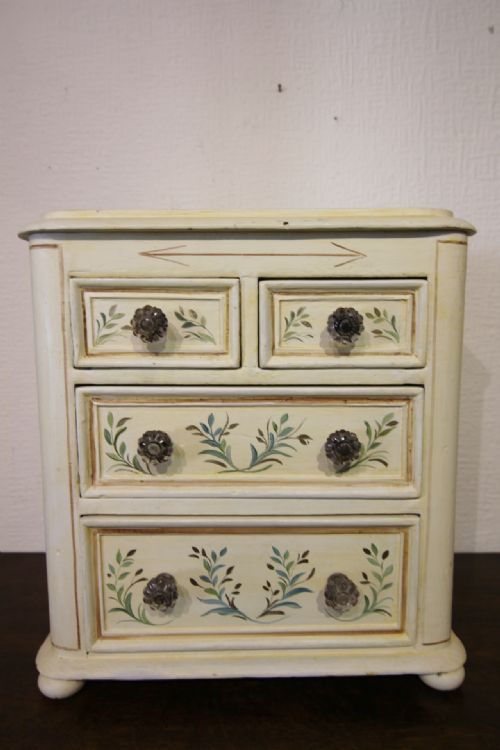
A search for tabletop drawers box brings up a diverse group of compact wooden furnishings designed to sit on larger surfaces. These pieces include miniature chests of drawers, dressing mirrors with fitted bases, spice drawers, and small collectors cabinets.
The selections span several distinct eras, drawing heavily from Georgian and Victorian periods alongside occasional Edwardian and Regency examples. Mahogany and walnut appear frequently as the primary woods for these portable tabletop items.
Makers fashioned these compact units for various domestic uses, from storing jewellery and sewing accessories to holding cosmetics or small papers. Many take the form of miniature chests or toilet mirrors featuring integrated drawer compartments.
Materials and Technique
Cabinetmakers utilised dense hardwoods such as mahogany, walnut, and oak to construct the main carcases of these small boxes and chests. They often applied crossbanding, veneers, and fine inlays to elevate the visual appeal of the surfaces.
Brass fittings, including small knobs, handles, and hinges, provide functional contrast against the dark timber grains. Selected pieces also incorporate secondary woods like fruitwood or elm, reflecting regional woodworking traditions of the eighteenth and nineteenth centuries.
Listings feature mahogany, walnut, and oak predominantly, spanning the Georgian, Victorian, and Edwardian eras.
Assessing Quality
The refinement of the timber selection and the precision of the joinery set finer examples apart from simpler utilitarian pieces. Crisp mouldings, well-fitted drawer linings, and balanced proportions indicate superior workshop execution.
The presence of original hardware, harmonious grain figuring, and subtle decorative details such as crossbanding or parcel-gilding signal higher craftsmanship. Subtle variations in surface patina and the preservation of original finishes dictate the desirability of each piece.
A. F. Lloyd
The Tabletop Drawers Box Glossary
- Toilet mirror
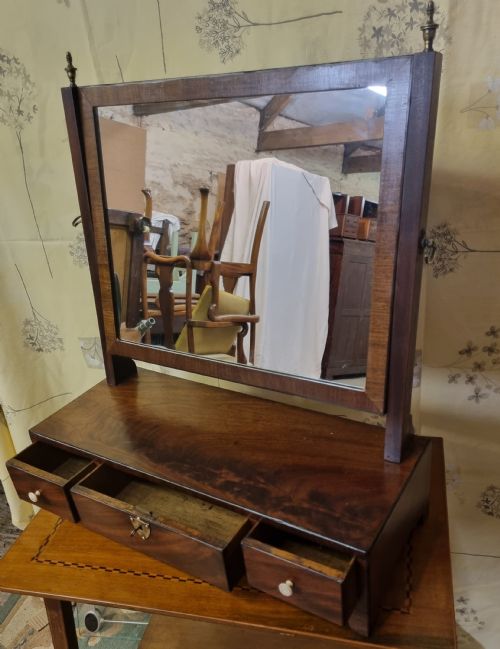
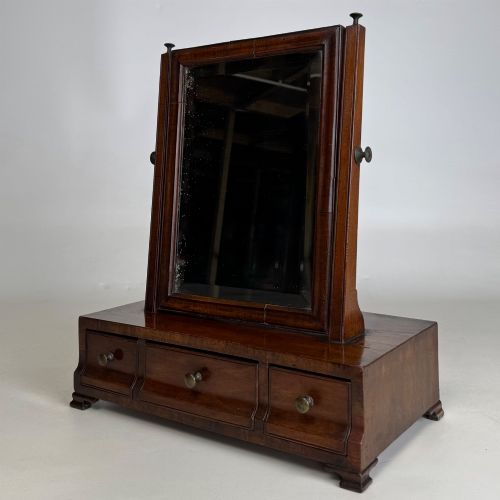
- A small dressing glass mounted on a pivoting frame above a miniature drawer base. These items sat atop tables in bedrooms to assist with grooming.
- Apprentice piece
- A miniature furniture item created by a young craftsman to demonstrate skill before gaining master status. These small chests display the same joinery techniques as full-sized furniture.
- Crossbanding
- A decorative border of veneer laid around the edges of a surface so the grain runs perpendicular to the main panel. This technique frames drawer fronts and tabletops.
- Serpentine front
- A furniture front characterised by a wavy contour with a convex centre flanked by concave curves. This shape requires advanced woodworking skill to execute cleanly.
- Parcel-gilt
- Partially gilded with gold leaf or paint to highlight specific carved details or mouldings. Cabinetmakers used this method to accent mirrors and cornices.
Tabletop Drawers Box: Frequently Asked Questions
What is a tabletop drawers box used for?
These compact pieces served multiple domestic purposes across past centuries, primarily holding jewellery, letters, sewing gear, or cosmetics.
They provided secure, organised storage that could move easily between rooms or sit neatly on top of larger dressing tables.
How do I identify a Georgian tabletop piece?
Georgian items typically feature rich mahogany or walnut timbers, slender proportions, and traditional joinery like dovetail drawers.
Look for classic design indicators such as bracket feet, hand-cut brass pulls, and period-appropriate secondary woods inside the drawers.
What distinguishes an apprentice piece from standard miniatures?
An apprentice piece represents a skilled demonstration of furniture making executed to prove competency for a guild or master.
These objects replicate full-scale furniture with exact proportions and complex internal joinery scaled down to tabletop dimensions.
How should I care for antique wooden boxes?
Keep wooden pieces away from direct sunlight and extreme temperature fluctuations to prevent timber splitting and veneer lifting.
Apply traditional wax polish sparingly and buff gently with a soft cloth to maintain the natural finish and patina.