

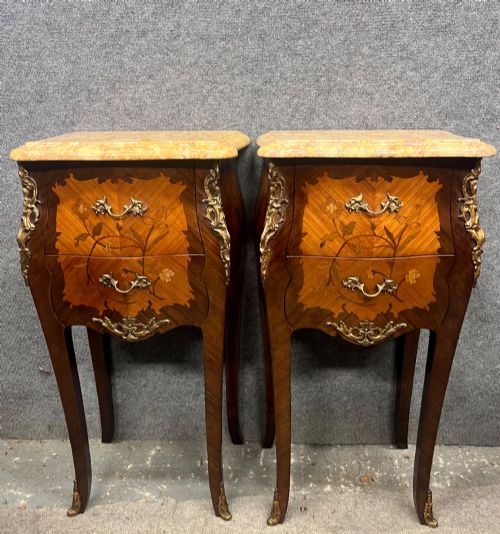
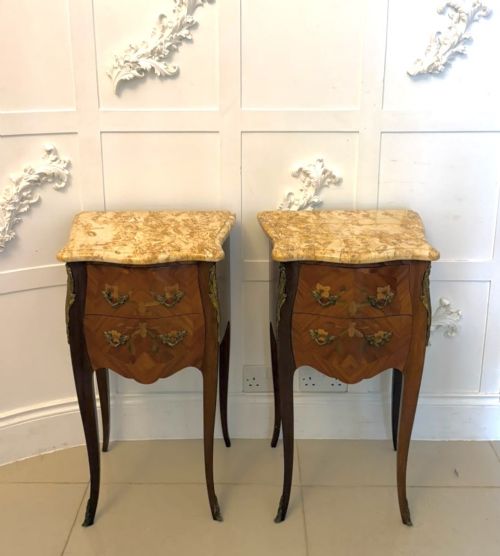
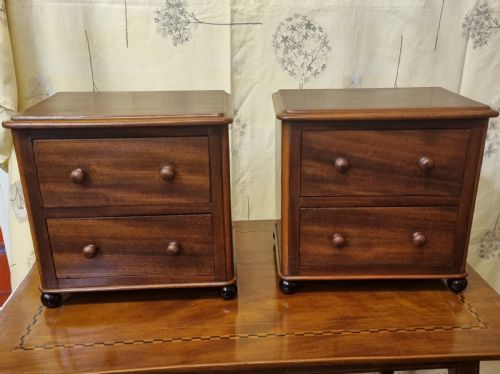
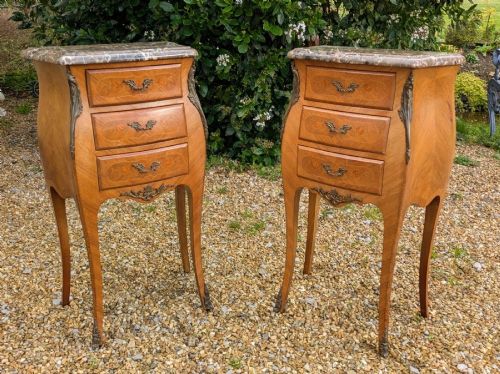
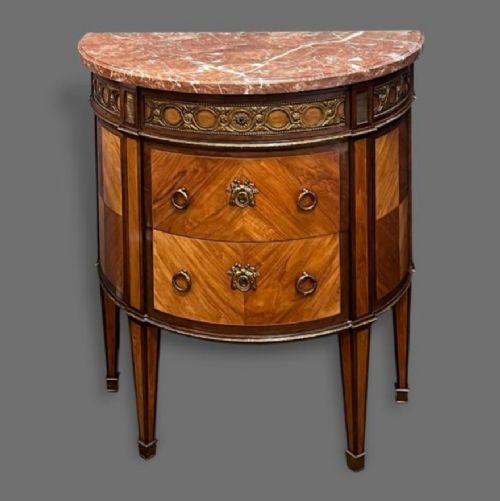


Table Top Chest Drawers
When you search for table top chest drawers, you encounter compact miniature case pieces designed to sit on larger furniture for storage.
Table Top Chest Drawers
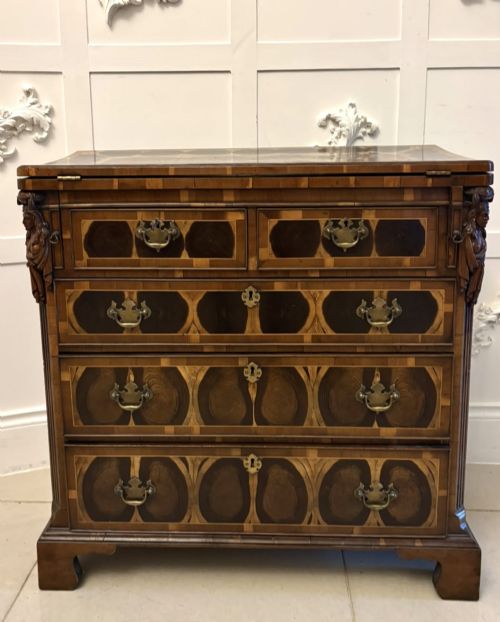
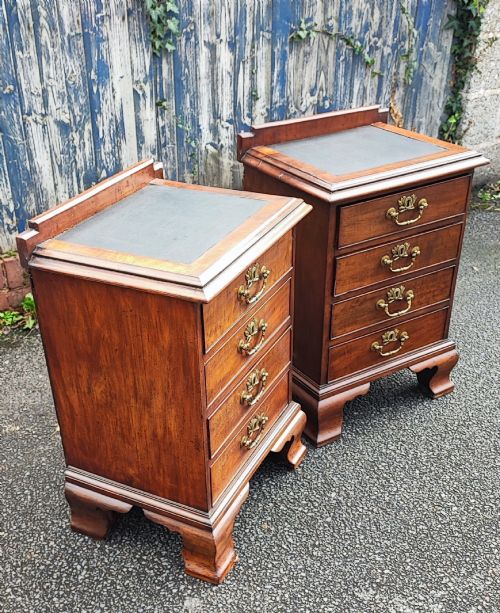
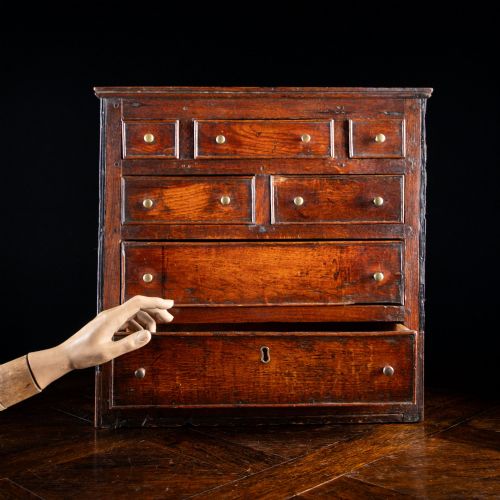
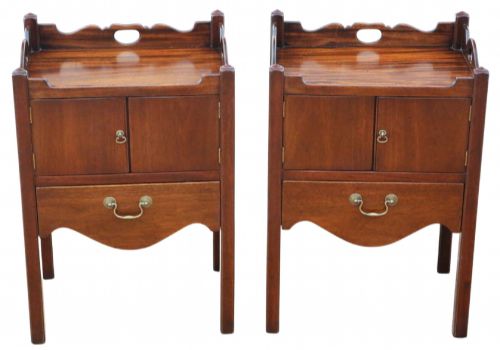
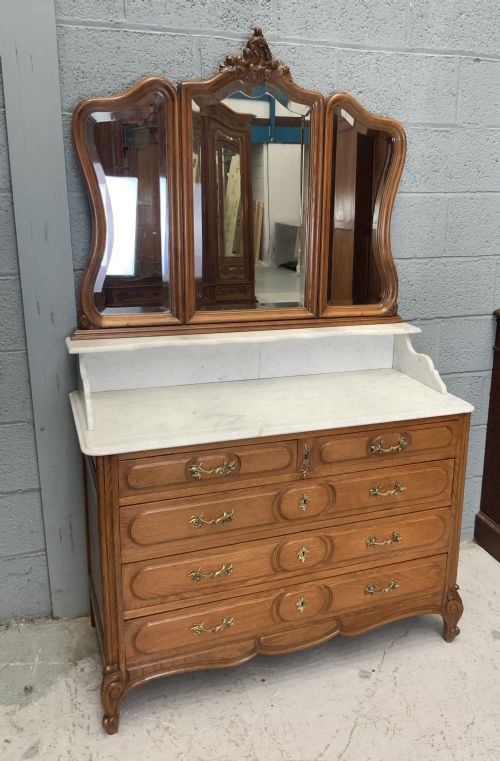
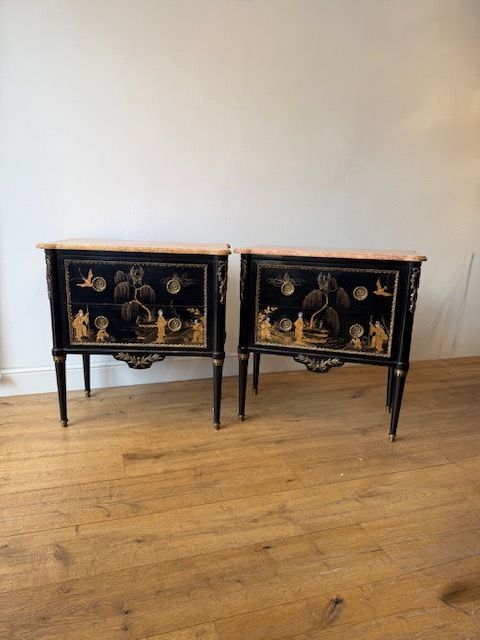
Table top chest drawers represent scaled-down storage pieces that sit on top of dressers, desks or tables. The selection ranges from Victorian mahogany miniatures and walnut specimens to Japanese hardwood cabinets and pine collectors pieces.
The version most commonly met on this page is the nineteenth-century mahogany or walnut miniature chest, often built with multiple small drawers for papers, trinkets or specimens. These pieces mirror the proportions and joinery of full-sized case furniture on a domestic tabletop scale.
How they were made
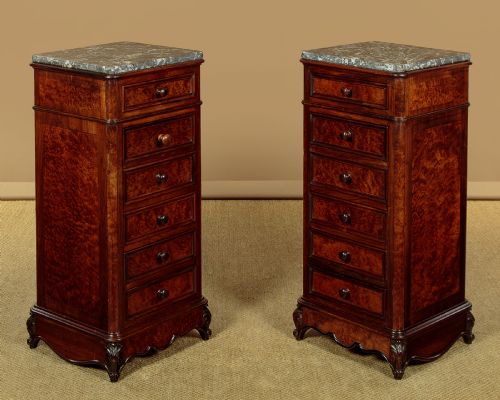
Cabinet makers utilised dense hardwoods such as mahogany, walnut and satin birch, applying fine veneers like burr walnut or amboyna over secondary timbers. Drawer construction relies on hand-cut dovetails, while small brass knobs or drop handles serve as pulls.
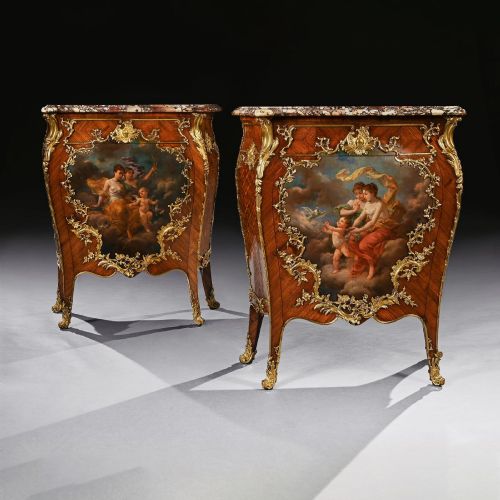
Surfaces frequently feature polished timber finishes or applied marble and bronze decorative elements, reflecting the cabinet-making standards of the eighteenth, nineteenth and early twentieth centuries.
Table Top Chest Drawers Retail Price Guide 2026
Typical asking prices for table top chest drawers among the pieces listed under this phrase on Sellingantiques today, from the lower quarter to the upper quarter. They describe what is for sale here now, not the wider market.
Listings feature 19th Century, Victorian, and 1920 pieces constructed from mahogany, walnut, pine, and hardwood.
What varies in quality
Quality in table top chest drawers rests on the precision of the miniature joinery, the selection of timber veneers, and the retention of original brass hardware and drawer stops. Superior examples display tight dovetailing, symmetrical grain matching, and smooth drawer operation without excessive shrinkage gaps.
Simpler pine or utility pieces from later periods show straightforward construction with less decorative inlay, whereas pieces featuring burr walnut, mahogany, or specialised compartmental interiors demonstrate higher workshop execution.
The Table Top Chest Drawers Glossary
- Dovetail
- An interlocking joint used at the corners of drawers, formed by interlocking wedge-shaped fingers that provide structural strength.
- Burr Walnut
- A timber figured with swirling patterns caused by growths on the walnut tree, prized for decorative veneer panels.
- Specimen Chest
- A specialised cabinet fitted with shallow drawers designed for holding natural history collections, coins, or small objects.
Table Top Chest Drawers: Frequently Asked Questions
What were table top chest drawers used for?
These small chests served to store documents, jewellery, sewing accessories, or natural history specimens within a domestic study or bedroom.
Placed upon larger desks or dressing tables, they provided accessible organisation for small personal items without occupying floor space.
How do I date a table top chest?
Dating relies on examining the secondary timbers, the style of the drawer dovetails, and the type of handles and fixings used.
Hand-cut dovetails and native hardwoods typically indicate eighteenth or nineteenth-century origins, while later pieces show mechanized production methods.
Are these chests made of solid wood?
Many examples combine solid primary frames with figured timber veneers applied over stable secondary woods like pine or oak.
This technique prevented warping on small panels while presenting a decorative exterior surface of mahogany, walnut, or satin birch.
How should I place one in a room?
These compact pieces fit securely on top of sideboards, desks, large chests of drawers, or dedicated tables where their scale can be appreciated.
They function well as focal points for displaying small decorative objects or holding everyday accessories while adding historical texture to an interior.