

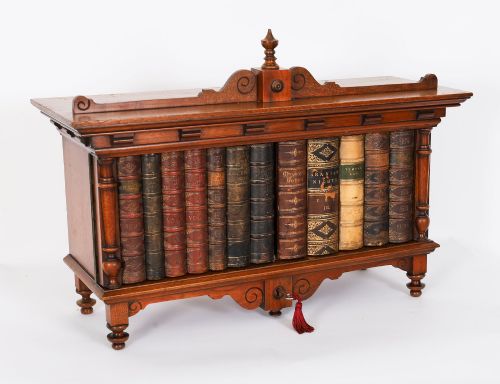
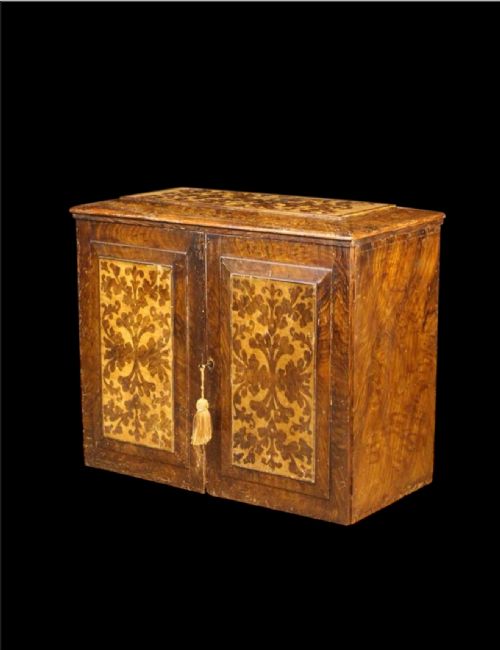


Victorian Miniature Walnut Chest
A victorian miniature walnut chest is a scaled-down masterpiece of cabinet-making, prized by collectors for its intimate scale and exquisite timber grain.
Victorian Miniature Walnut Chest
A victorian miniature walnut chest represents a compact form of domestic furniture, constructed during the nineteenth century in various configurations such as drawer chests, Wellington chests, mule chests, and tabletop cabinets. These pieces served diverse purposes in period homes, functioning as jewellery cabinets, specimen storage, or apprentice pieces showcasing a cabinet-maker's skill.
Materials and Construction
Makers utilised walnut, highly valued for its rich colour and distinctive grain, alongside burr walnut veneers that provided striking visual patterns across drawer fronts and top panels. Solid secondary timbers such as mahogany reinforced the structural integrity of these small carcases, while brass hardware secured drawers and doors.
Joinery techniques mirrored full-sized furniture production, employing precise dovetail joints for drawer construction and delicate wood inlay for decorative embellishment. Interiors often featured linings of leather, glass, or fabric to protect the small items housed within.
Victorian Miniature Walnut Chest Retail Price Guide 2026
Typical asking prices for victorian miniature walnut chest among the pieces listed under this phrase on Sellingantiques today, from the lower quarter to the upper quarter. They describe what is for sale here now, not the wider market.
Materials recorded span solid walnut, burr walnut veneers, brass hardware, bone escutcheons, and leather linings.
Assessing Quality
Superior examples display exceptional figure in the walnut veneer, matched symmetrically across the drawer fronts and surfaces. The selection of timber grain and the precision of the wood inlay distinguish finer collector pieces from standard workshop output.
Construction fidelity dictates standing: tight dovetails, smooth drawer action, original brass mounts, and well-fitted locking mechanisms separate master-level apprentice pieces and tabletop cabinets from simpler vernacular items.
The Victorian Miniature Walnut Chest Glossary
- Burr walnut
- A prized timber harvested from walnut tree growths, displaying swirling, knotty grain patterns. It provides a highly decorative surface on Victorian miniature chests.
- Wellington chest
- A tall, narrow chest of drawers secured by a locking hinged vertical side bar. This style appears frequently among the smaller walnut pieces.
- Apprentice piece
- A demonstration item created by a trainee woodworker to prove skill before joining a guild. These small chests often share the construction quality of full-sized furniture.
- Specimen chest
- A small cabinet designed for holding natural history collections, coins, or trinkets. These feature shallow drawers tailored for careful classification.
Victorian Miniature Walnut Chest: Frequently Asked Questions
What were miniature walnut chests used for?
These small pieces served multiple functions in the Victorian interior, acting as repositories for precious jewellery, sewing accessories, or personal letters. Many functioned as tabletop cabinets for gentlemen's specimens or ladies' keepsakes.
Cabinet-makers also produced them as demonstration pieces to exhibit technical skill to prospective employers or guild masters. Their domestic utility matched their decorative appeal on a desk or side table.
How do I date a Victorian miniature chest?
Dating relies on examining construction methods, timber choices, and hardware styles across the piece. Nineteenth-century examples often feature hand-cut dovetails and specific brass pulls associated with the period.
Comparing the drawer linings and secondary woods helps narrow the decade of production. Stylistic shifts between early Victorian plain walnut and later ornate burr veneers provide further chronological clues.
Are these chests solid walnut?
Many pieces combine solid walnut frames with decorative burr walnut veneers applied to primary display surfaces. Secondary timbers like mahogany or pine frequently form the drawer linings and internal carcase elements.
This method prevented warping while presenting the most striking grain patterns to the front. Examining the drawer interiors and back panels reveals the exact combination of woods used.
How do I care for antique walnut furniture?
Maintaining walnut pieces requires stable environmental conditions away from direct sunlight and heat sources to prevent timber drying and veneer lifting. Gentle dusting with a dry, soft cloth preserves the historic polish without stripping the finish.
Occasional application of microcrystalline wax feeds the wood and protects the antique surface. Avoid modern silicone-based polishes that can penetrate the grain and damage the patina.