




System Cane Silver
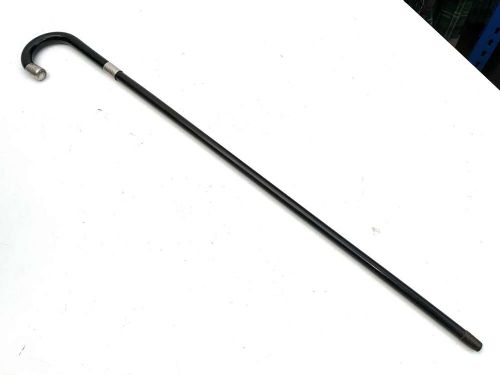
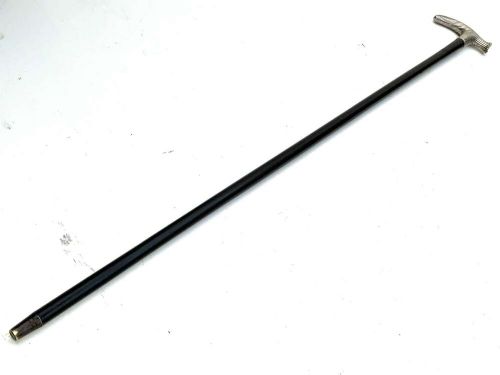
These system cane silver pieces combine functional walking supports with concealed mechanisms, silver mounts and blades.
System Cane Silver
A system cane silver search brings up sophisticated walking sticks and canes incorporating concealed blades, watches, snuff boxes or corkscrews alongside precious metal mounts. Most examples you encounter on this page date from the Victorian and Edwardian eras, spanning the late nineteenth and early twentieth centuries.
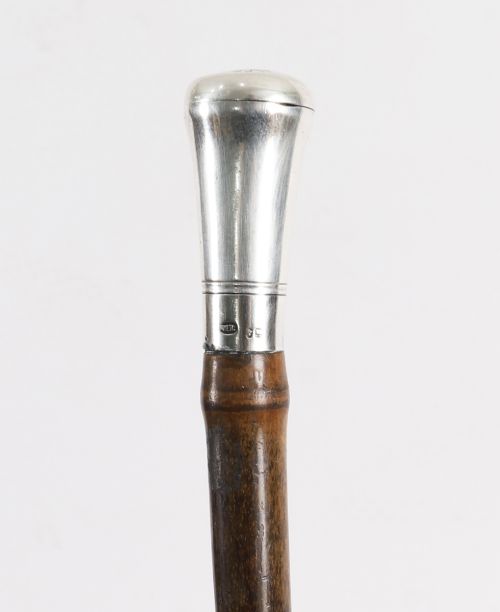
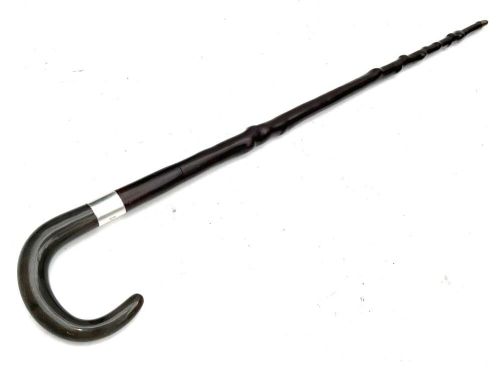
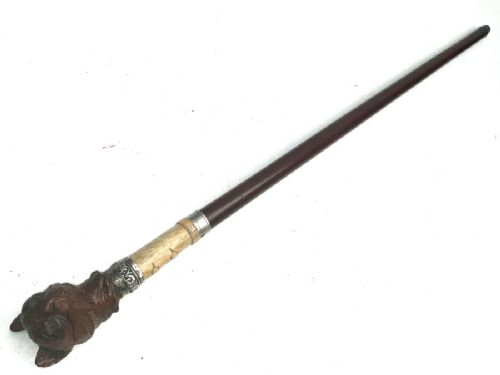
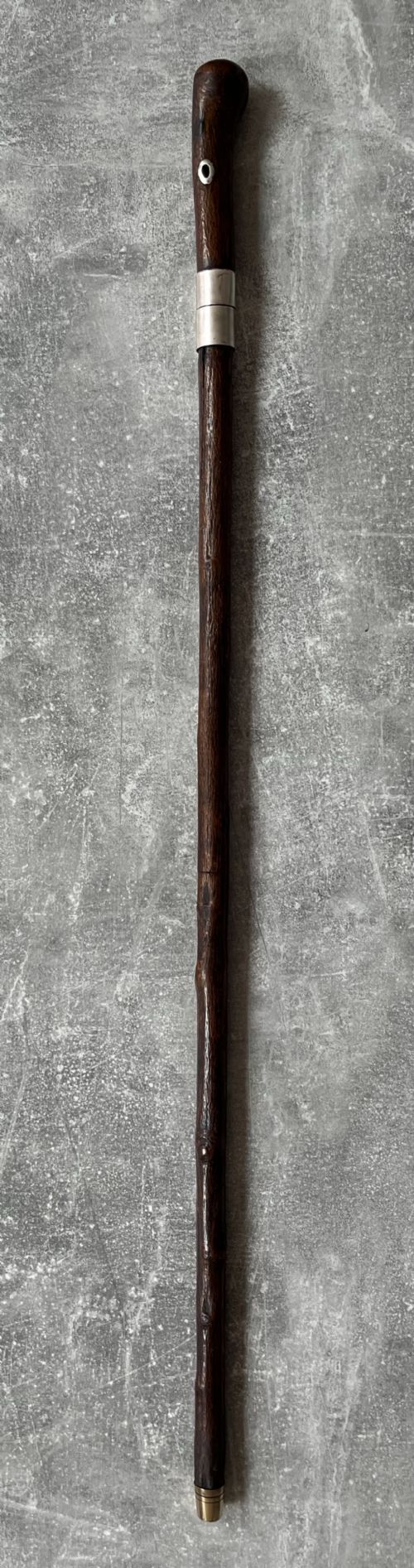
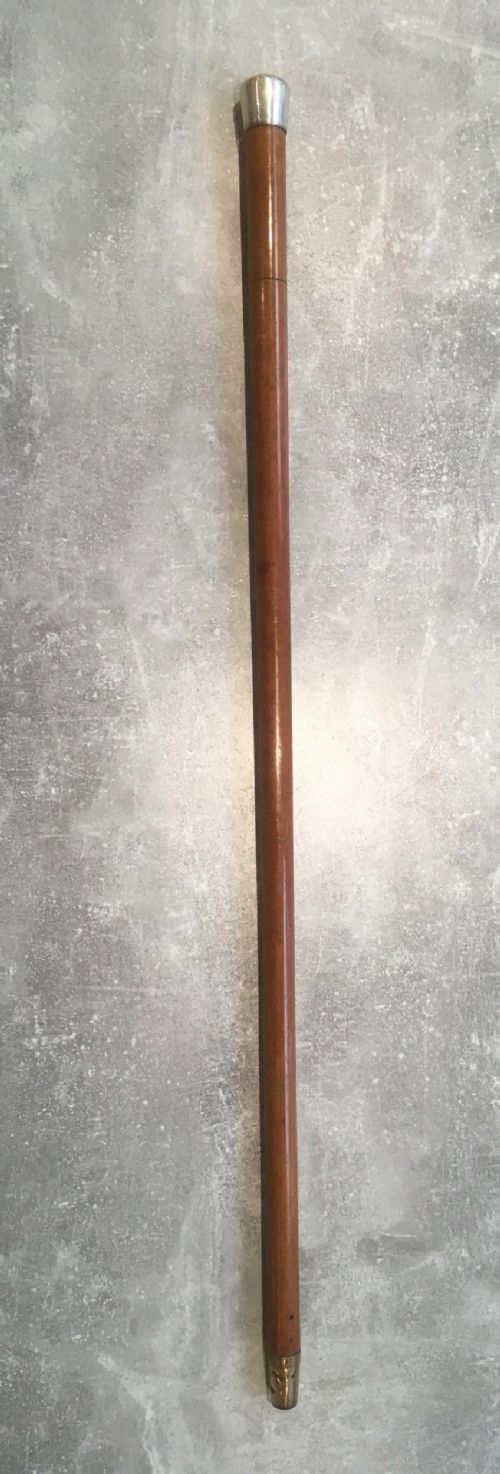
The core form is a gentleman's walking stick, often fashioned from malacca cane, hardwood, hazel or ebonised wood. These supports frequently integrate hallmarked silver collars, knops or figural handles shaped like horses' heads, rabbits or four-leaf clover motifs.
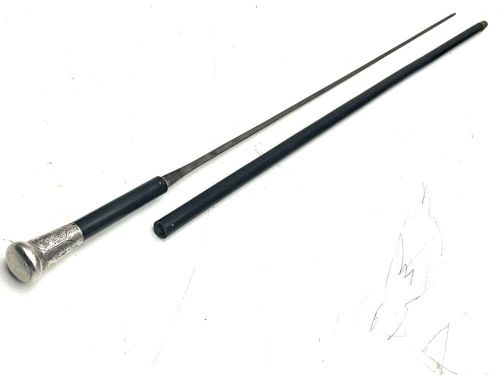
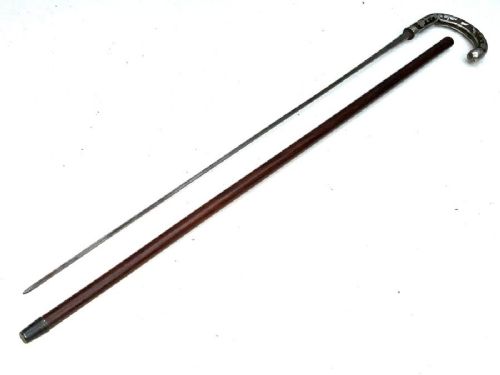
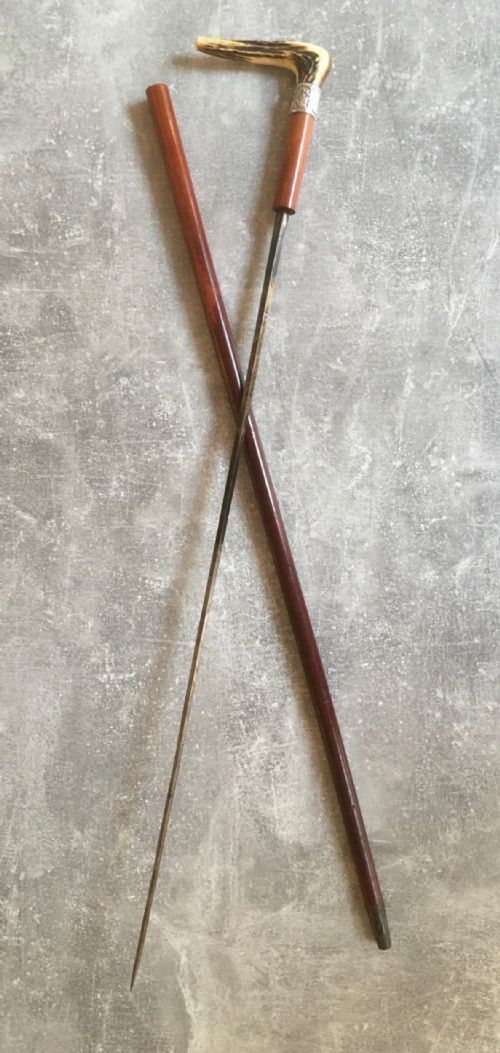
Many items function simultaneously as sword sticks or gadget canes, housing Toledo or Wilkinson steel blades and hidden compartments. The presence of silver detailing elevates these practical accessories into statements of status and personal ingenuity.
How they were made
Craftsmen utilised sturdy natural materials such as malacca cane, chestnut, hazel and ebonised wood for the main shafts, shaping them to ensure balance and durability. Horn, antler and metal served as foundational elements for handles, while internal steel blades were forged by notable makers.
Silver components including collars, repousse knops and detailed figural mounts were cast, chased and engraved separately before being fitted to the wooden shafts. Concealed mechanisms for watches, snuff boxes and sword releases required precise mechanical fitting within the hollowed wooden cores.
System Cane Silver Retail Price Guide 2026
Typical asking prices for system cane silver among the pieces listed under this phrase on Sellingantiques today, from the lower quarter to the upper quarter. They describe what is for sale here now, not the wider market.
Listings feature Victorian and Edwardian periods alongside materials including silver, malacca cane, horn and ebonised wood.
What varies in quality
Quality rests primarily on the sophistication of the concealed mechanism and the reputation of the maker or blade smith. Pieces featuring signed Wilkinson or Toledo blades alongside intricate silver repousse work sit distinctly above standard utility walking sticks.
The integrity of the fit between the silver mount, handle and wooden shaft dictates the overall execution. Superior examples maintain a seamless closure when the sword or gadget compartment is secured, demonstrating the precision of the nineteenth and early twentieth-century workshop.
Leuchar·Wilkinson
The System Cane Silver Glossary
- Malacca cane
- A resilient and lightweight stem imported from Southeast Asia, prized for its mottled brown finish and strength. It forms the body of many traditional walking sticks.
- Sword stick
- A hollow walking cane designed to conceal a steel blade within the shaft. These were carried by gentlemen for personal protection during the Victorian and Edwardian periods.
- Repousse
- A metalworking technique where silver is hammered from the reverse side to create a raised design on the front. This ornamentation appears frequently on cane collars and knops.
- Knop
- A decorative rounded handle or knob fitted to the top of a walking cane. They often take the form of animals or incorporate functional compartments.
- Hallmark
- An official stamp applied to silver items indicating purity, assay office and date of testing. London hallmarks frequently appear on these mounted canes.
System Cane Silver: Frequently Asked Questions
What is a system cane?
A system cane is a walking stick that serves an additional purpose beyond physical support, housing a concealed tool, weapon or timepiece.
These pieces integrate hidden compartments, watches, snuff boxes or sword blades within the wooden shaft, operated by secret release mechanisms.
How do you date a silver-mounted cane?
Dating relies heavily on silver hallmarks stamped onto the metal collars or mounts, which indicate the specific assay office and year of testing.
Stylistic cues such as Victorian or Edwardian figural motifs and the choice of materials like malacca or ebonised wood also help narrow the period.
Who carried sword sticks?
Gentlemen during the nineteenth and early twentieth centuries carried sword sticks as part of their daily attire for personal defence and fashion.
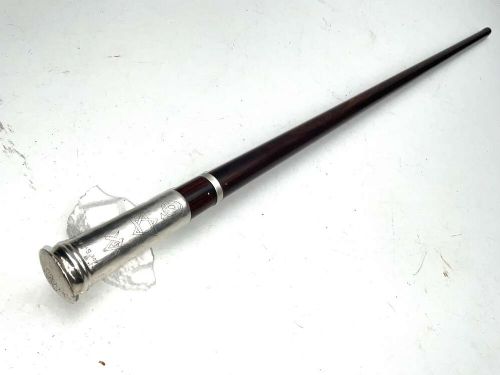
Members of specific organisations, including Masonic lodges, also utilised specialised walking sticks bearing distinct fraternal symbols and concealed blades.
Are the blades removable?
The steel blades are securely housed within the hollow wooden shaft and are revealed by pulling the handle apart from the body.
Mechanism releases often involve a simple catch or screw thread that secures the silver collar and blade firmly in place during transit.