

Swivelling Mirror Stand
A swivelling mirror stand offers practical elegance for daily grooming, pivoting smoothly to catch the light from any angle in a room.
Swivelling Mirror Stand
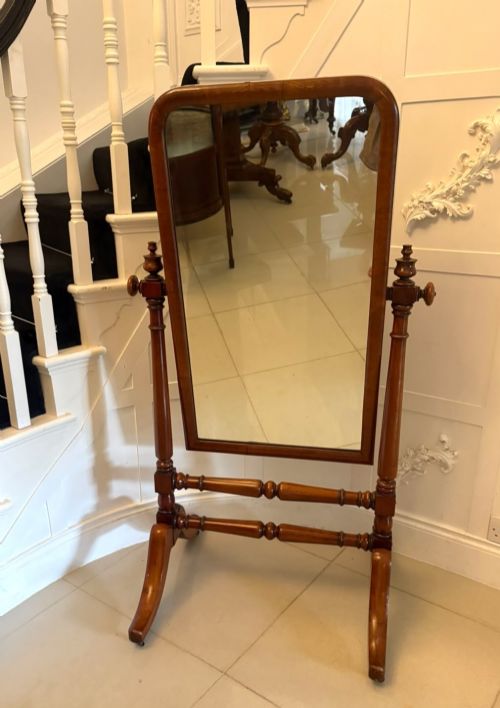
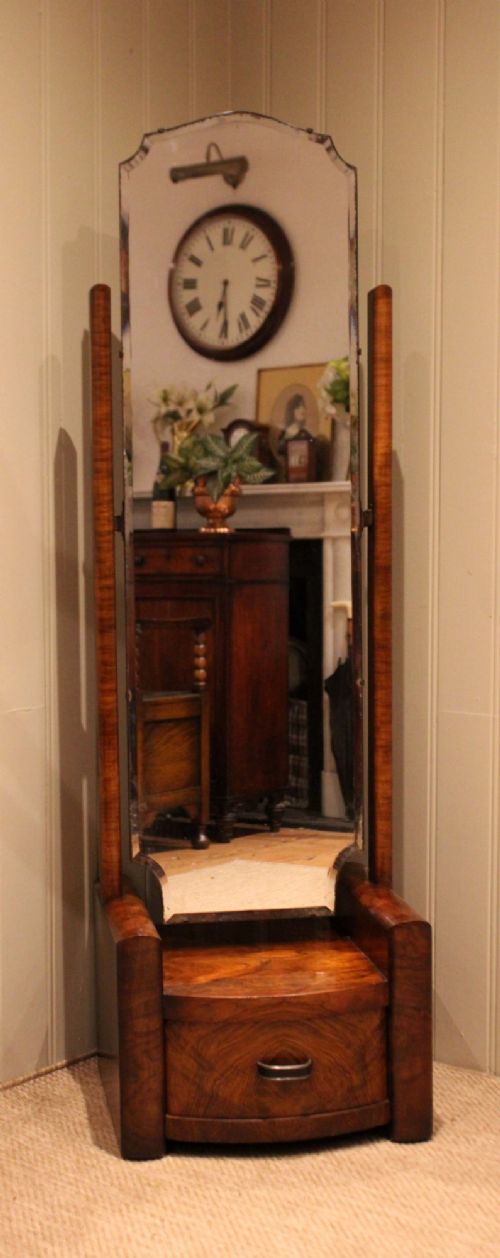
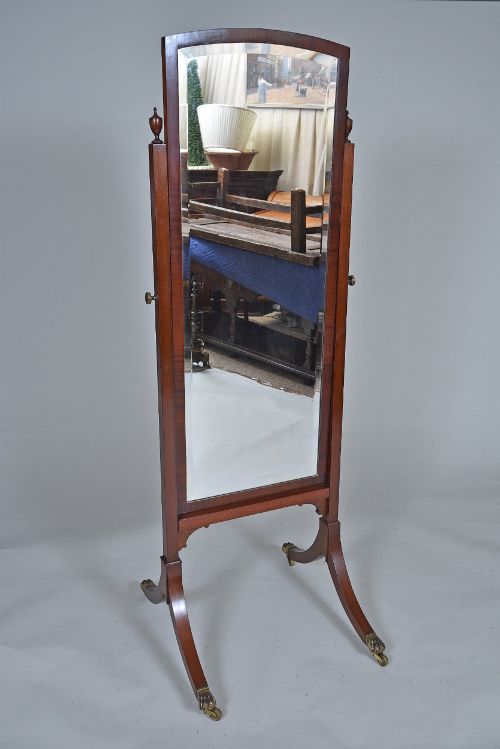
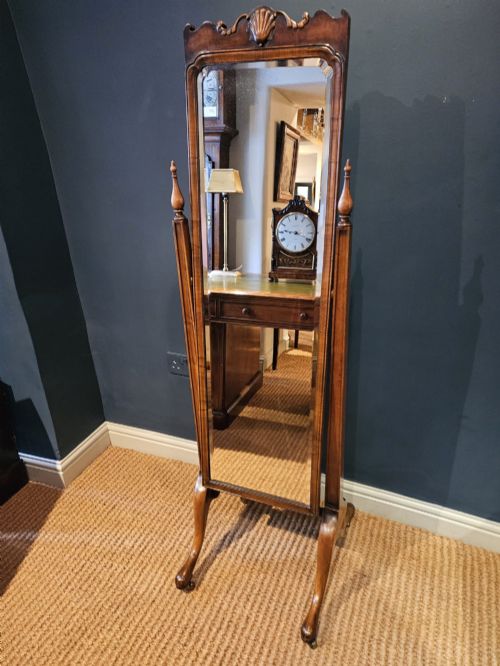
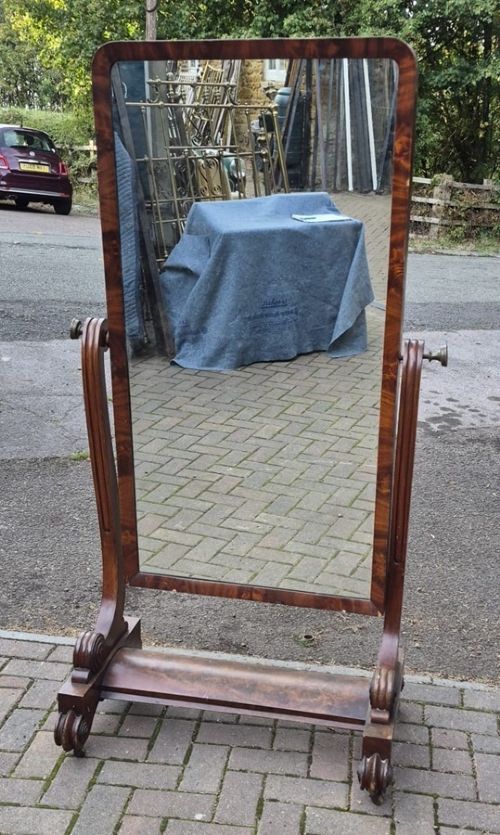
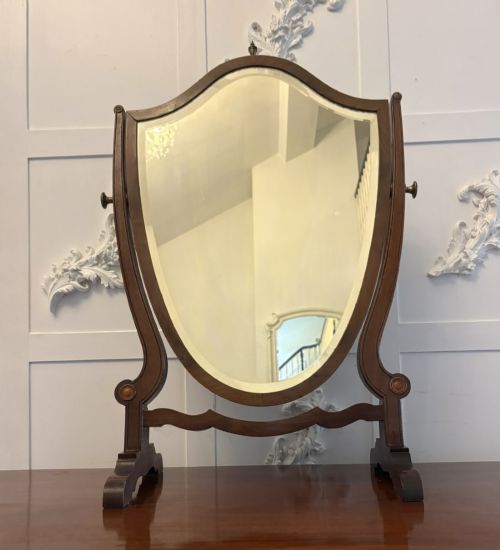
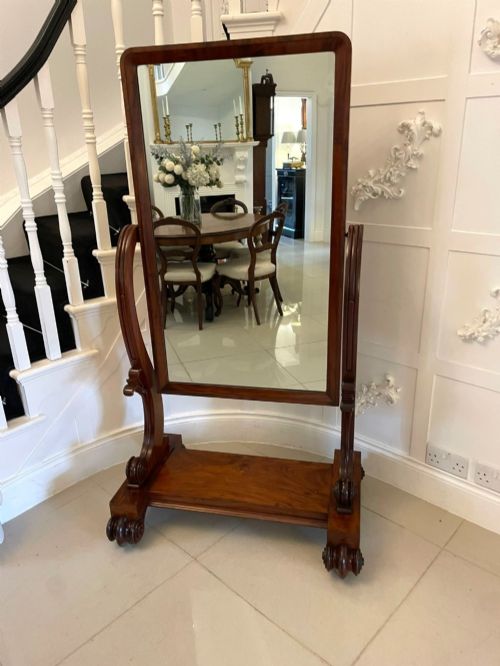
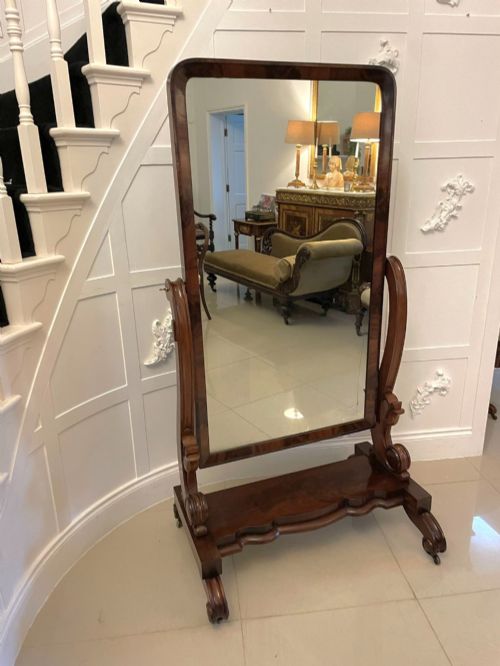
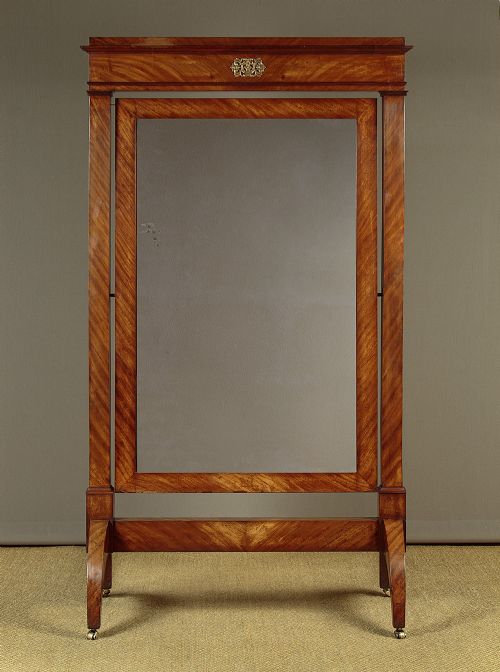
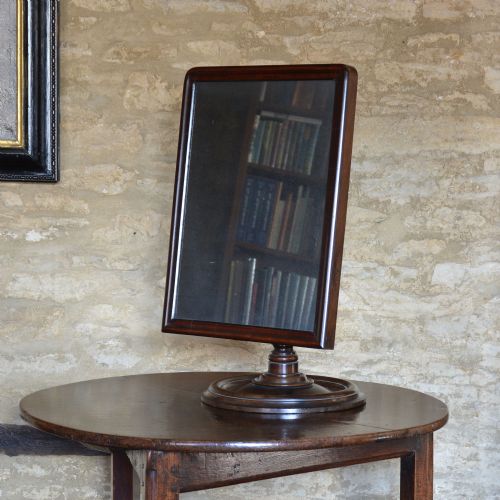
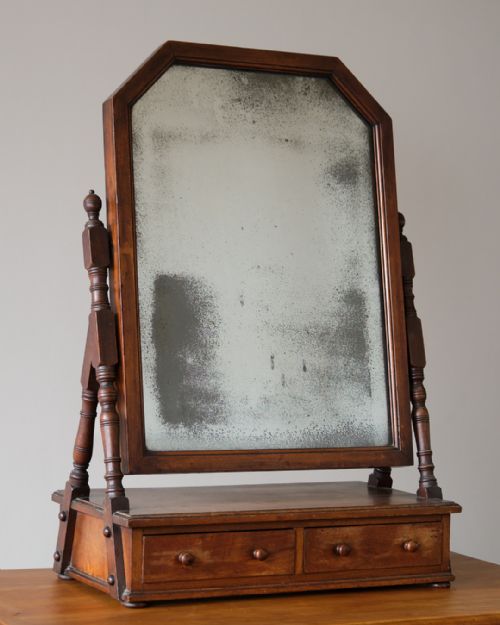
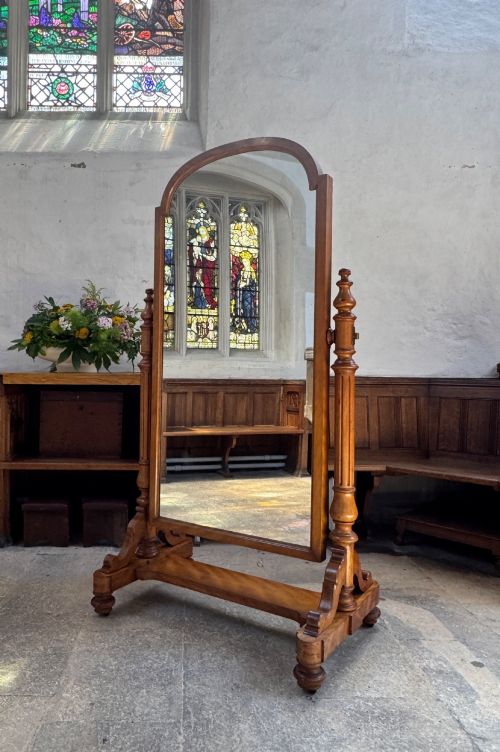
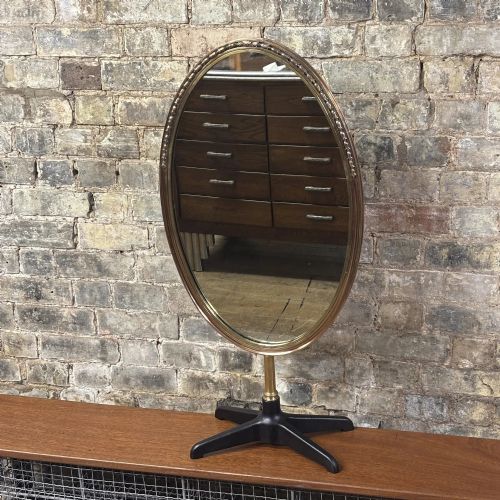
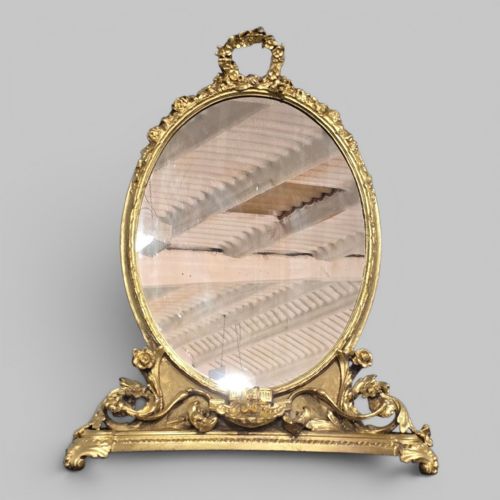
A swivelling mirror stand encompasses everything from compact table top toilet mirrors to large floor standing cheval mirrors designed for full length reflection. These pieces emerge predominantly across the nineteenth and twentieth centuries, spanning periods from Regency and Victorian eras through to Edwardian and Art Deco designs. Buyers encounter both small vanity mirrors meant for chests of drawers and imposing full height pivoting frames supported on sturdy stands.
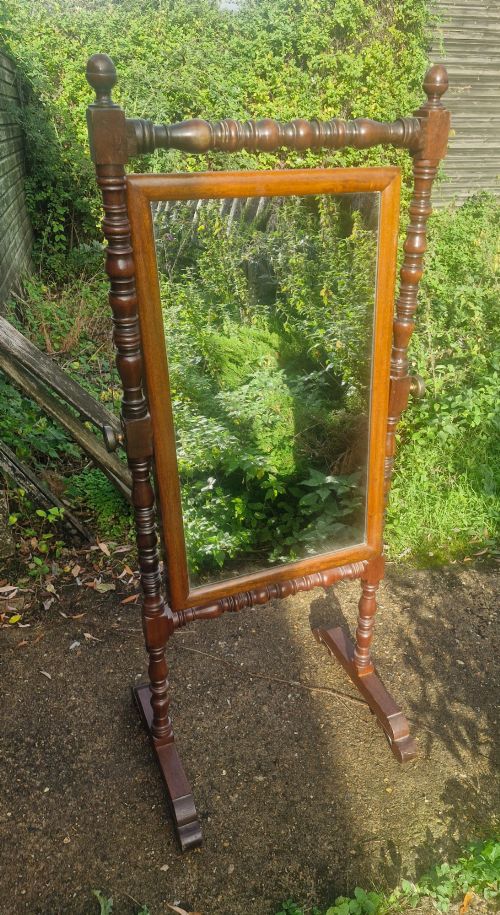
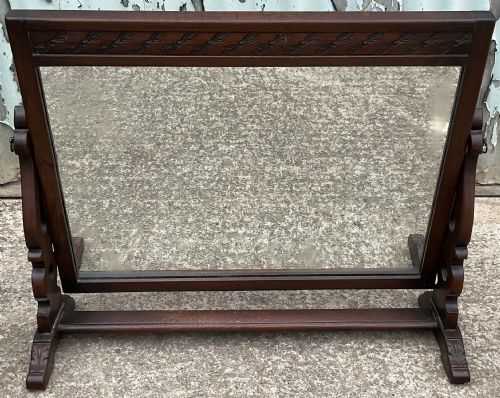
Makers fashioned these adjustable glasses using woods like mahogany, walnut, satinwood, and oak alongside metals such as brass and bronze. Specific regional styles appear, including French Empire period pedestals and English mahogany designs fitted with sabre legs and brass castors. Table mirrors often incorporate boxwood stringing or decorative carving, while larger cheval versions utilise barley twist supports or articulated candle holders.
Materials and Construction
Craftsmen built these pivoting frames primarily from dense hardwoods like mahogany and walnut, often employing satinwood or oak for specific decorative finishes. The supporting stands frequently feature turned columns, scroll feet, or sabre legs secured with brass fittings and castors. Glass plates are housed securely within adjustable wooden or metal frames that pivot on secure side screw pins or trunnions.
Detailing involves delicate inlays of boxwood, elaborate hand carvings, and polished bronze or brass mounts. Metal elements range from simple brass dressing mirror brackets to articulated candle holders and heavy cast bronze pedestals. The mirror glass itself sits within rebated frames, sometimes retaining original antique mirror plates with authentic foxing.
Swivelling Mirror Stand Retail Price Guide 2026
Typical asking prices for swivelling mirror stand among the pieces listed under this phrase on Sellingantiques today, from the lower quarter to the upper quarter. They describe what is for sale here now, not the wider market.
Some nineteenth century examples include articulated candle holders, designed to illuminate the user's face during evening preparations.
Distinctions in Quality
Superior examples of a swivelling mirror stand display exceptional choice veneers, such as burr walnut or figured mahogany, matched evenly across the frame and stand. Joinery remains tight and sturdy, ensuring the pivoting mechanism holds the mirror glass firmly at any desired tilt without slipping. Hardware such as brass sabots, castors, and adjustable side screws shows crisp casting and careful finishing rather than crude mass production.
Lesser pieces often utilise simpler secondary timbers, plainer veneers, or lighter gauge brass fittings that wear down over decades of adjustment. The balance of the stand dictates daily usability; a top quality piece stands evenly on all feet and pivots on its axis with balanced resistance. Carved ornament on superior stands is deeply undercut and hand finished, distinguishing it from shallow, machine milled decoration found on standard items.
Heal And Sons·Thomas Rubergall
The Swivelling Mirror Stand Glossary
- Cheval mirror
- A large floor standing dressing mirror suspended on a vertical frame that allows it to swivel fully. This tall format provides a full length view for the user.
- Toilet mirror
- A smaller mirror designed to sit on top of a dressing table, chest, or vanity unit. These often feature small drawers built into the base plinth.
- Trunnion
- The pivoting pin or axis projecting from the side of a mirror frame that fits into the supporting uprights. It allows the glass to tilt smoothly.
- Sabot
- A protective metal sleeve or cap fitted to the foot of a table or mirror stand leg. They are commonly cast in brass and occasionally feature integral castors.
- Foxing
- Age related spots and discoloration within the silvering of antique mirror glass. Collectors view light foxing as a sign of authenticity for original plates.
Swivelling Mirror Stand: Frequently Asked Questions
How do I secure a loose swivelling mirror?
Most pivoting mirrors rely on threaded side screws, friction washers, or wing nuts set into the upright supports. Tightening these hand fixings usually restores proper tension to the tilting mechanism.
If the inner washers have worn away over decades of use, replacing them with modern leather or cork washers restores the necessary grip without altering the antique wood.
Where should I place a dressing table mirror?
These mirrors suit bedroom dressing tables, chests of drawers, or console tables where natural light from a nearby window can reflect into the room. Placing them perpendicular to windows avoids harsh direct glare while illuminating the glass adequately.
Ensure the supporting surface is level so the weight of the pivoting frame distributes evenly across the feet of the stand.
Are original mirror plates common?
Many older pieces retain their original glass plates, which often display characteristic signs of age such as slight distortion, fine scratches, or light silvering deterioration. These traits help confirm the period authenticity of the piece.
Replacement mirror glass appears frequently in pieces that suffered accidental breakage over their long history, which does not diminish the structural utility of the wooden stand.
How do I clean an antique mirror stand?
Dust wooden frames regularly with a soft, dry cloth to prevent dirt accumulation on polished mahogany, walnut, or satinwood surfaces. Avoid silicone based polishes that can build up a hazy film over decades of maintenance.
Clean the mirror glass itself with a gentle, non-ammonia glass cleaner applied to a cloth rather than sprayed directly onto the glass, protecting vulnerable old silvering at the edges.