

Swiss Mechanical Movement
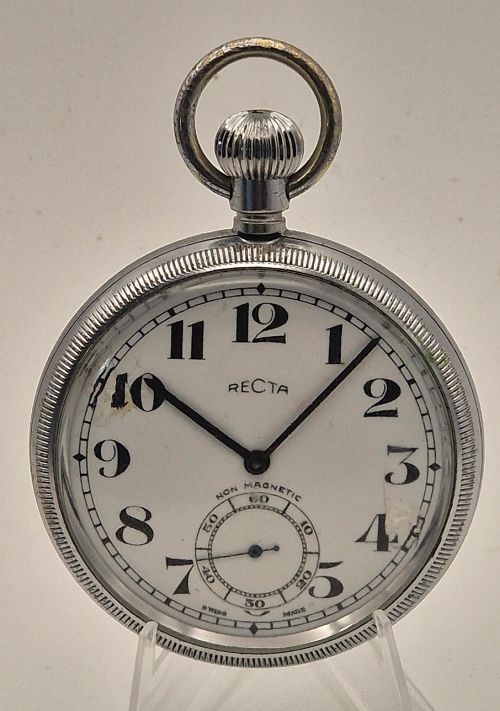
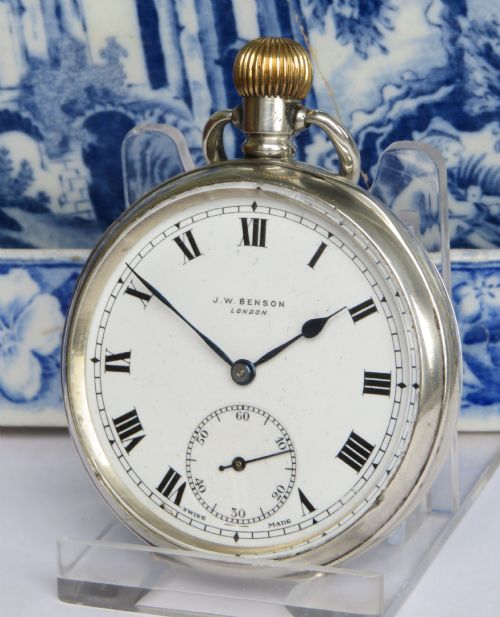
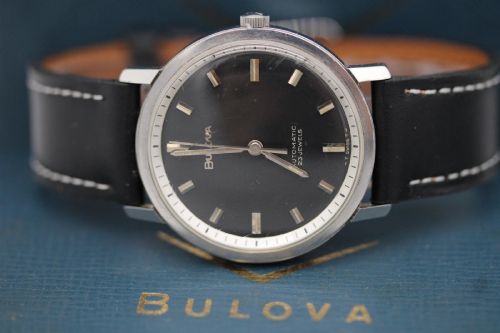
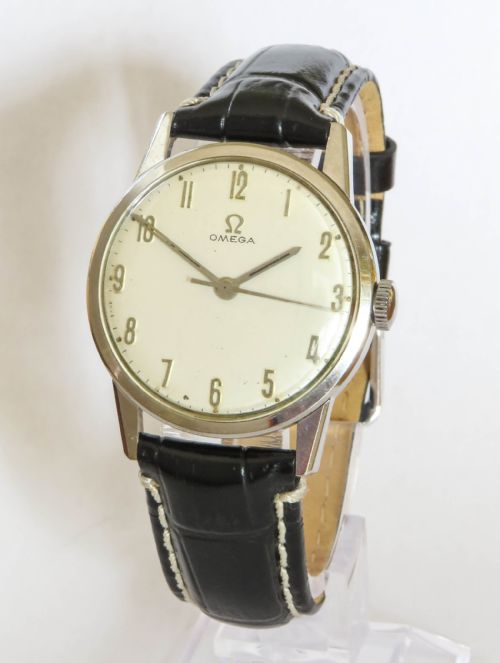
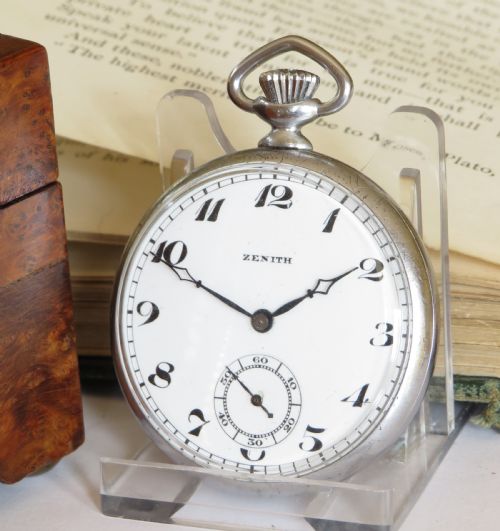
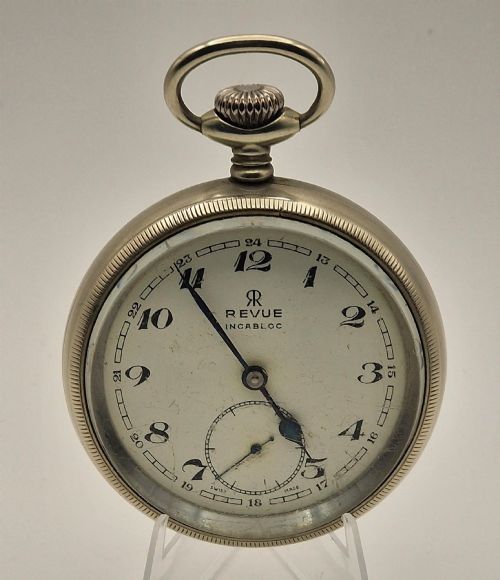
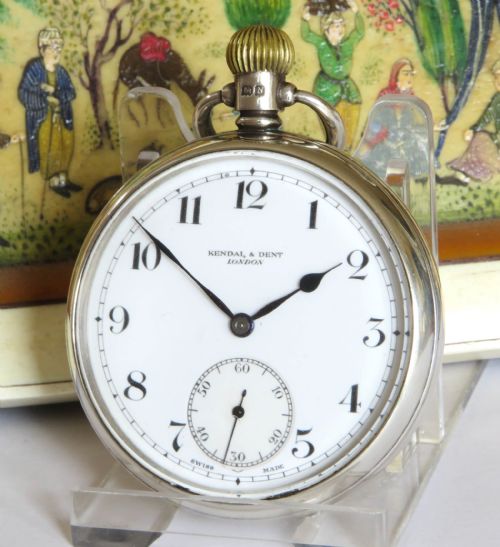
These pieces with a swiss mechanical movement span pocket watches, wristwatches, clocks, and music boxes designed to keep precise time or play programmed tunes.
Swiss Mechanical Movement
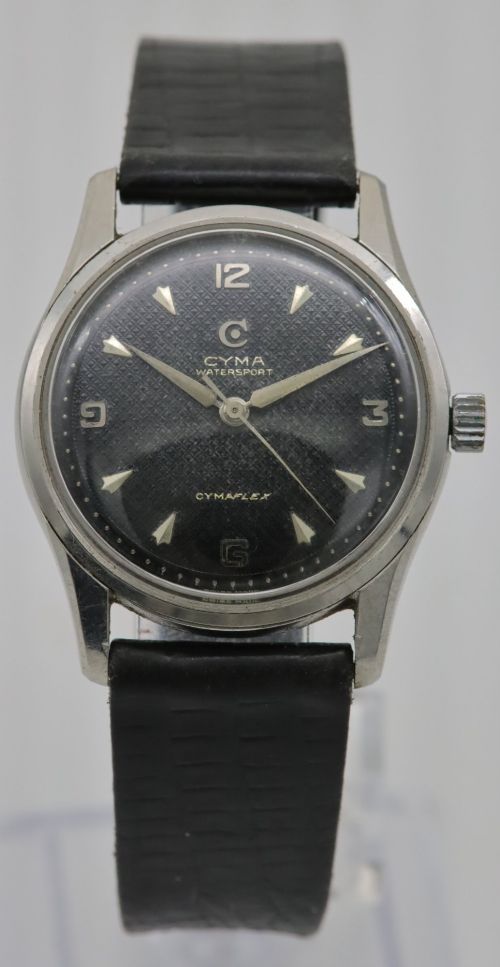
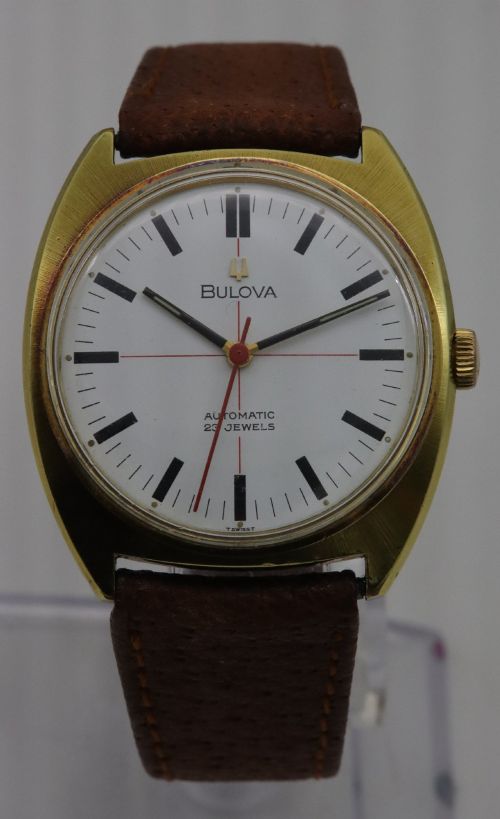
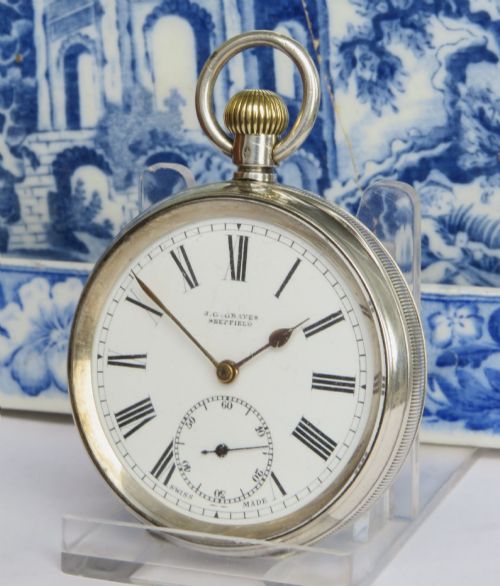
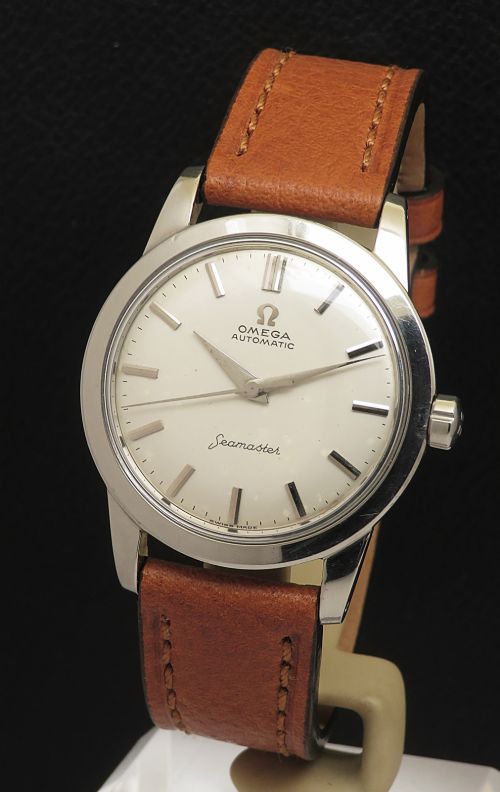
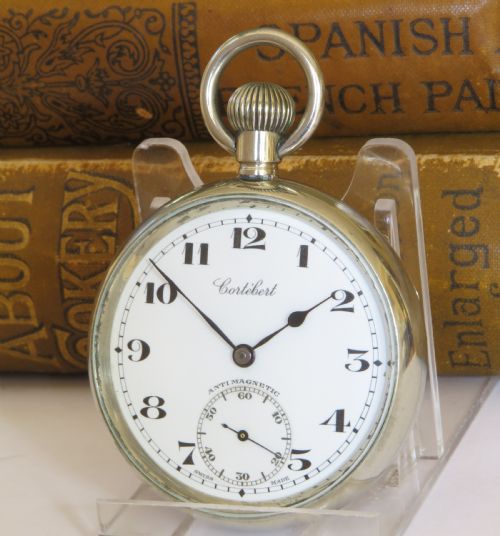
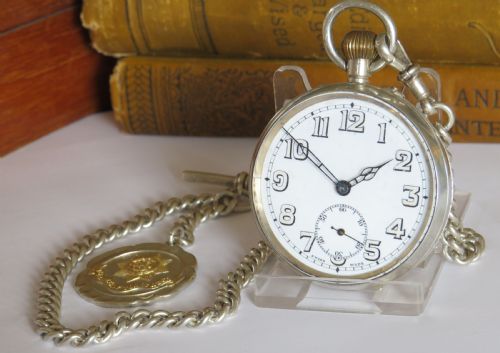
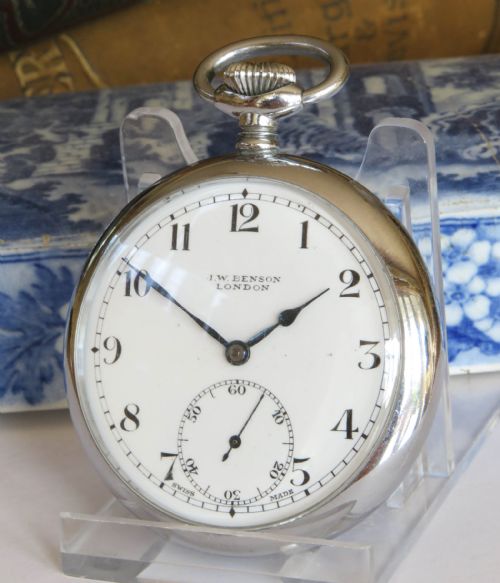
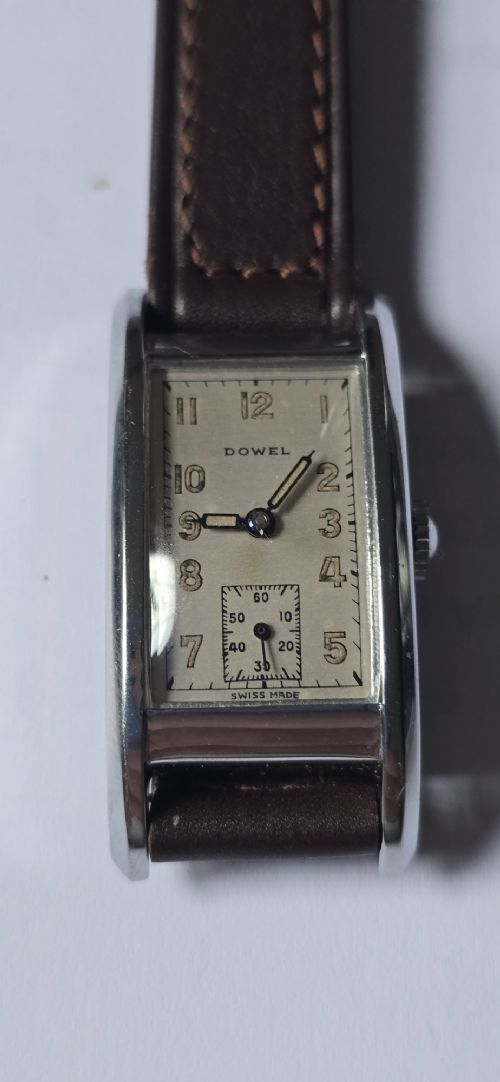
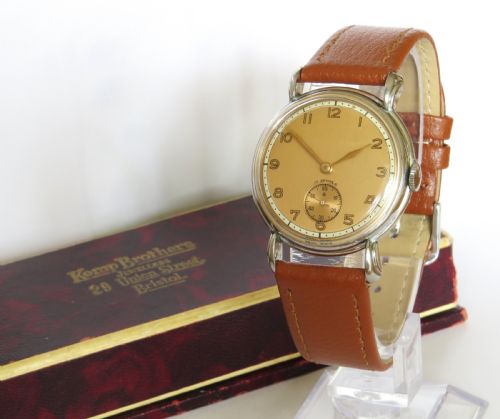
A Swiss mechanical movement refers to the intricate internal gear trains, escapements, and mainsprings originating from Switzerland, housed within a diverse range of horological objects and musical devices. When searching for a swiss mechanical movement, you encounter portable pocket watches, wristwatches for gentlemen and ladies, brass carriage clocks, and wooden music boxes.
The selection on this page stretches from late Victorian and Edwardian pocket watches through Art Deco designs to Mid-Century Modern wristwatches and automatic chronographs. Pocket watches frequently feature silver, gold plate, or solid gold half hunter and full hunter cases, while wristwatches showcase stainless steel, gold plate, and solid gold configurations.
Beyond watches, the category includes brass carriage clocks with travel cases and fully restored musical boxes from the late nineteenth century. These objects represent decades of Swiss watchmaking tradition, encompassing manual wind calibres and automatic self-winding mechanisms.
Materials and construction
Cases combine precious metals such as gold plate, solid 9ct gold, and 18ct white gold with durable stainless steel, brass, and leather straps. Glass covers dials and movements, occasionally accompanied by enamel detailing on pocket watch faces and acrylic elements on mid-century designs.
Internal engineering relies on hand-assembled or automated Swiss mechanical movements driven by mainsprings and regulated by balances and escapements. Master watchmakers fitted jewelled bearings into these calibres to reduce friction, whilst specialist artisans constructed external cases using traditional casting, stamping, and polishing techniques.
Swiss Mechanical Movement Retail Price Guide 2026
Typical asking prices for swiss mechanical movement among the pieces listed under this phrase on Sellingantiques today, from the lower quarter to the upper quarter. They describe what is for sale here now, not the wider market.
Judging the range
Quality separates mass-produced utility items from precision horology through the complexity and finishing of the calibre itself. Top-tier pieces incorporate adjusted movements, high jewel counts, and signed dials from esteemed houses, whereas simpler calibres lack such meticulous tuning.
The integrity of the exterior case, the crispness of hallmarks on gold and silver, and the presence of original boxes or associated chains distinguish exceptional survivals. Preservation of the dial - whether pristine, patinated, or featuring original hands - plays a major role in the standing of each piece.
Omega·Longines·Breitling·Tissot
The Swiss Mechanical Movement Glossary
- Calibre
- The specific internal movement designation or model number used by the manufacturer. It identifies the exact architecture and dimensions of the gear train.
- Half Hunter
- A pocket watch case featuring a solid outer cover with a glass or open centre window. This design lets you read the time without fully opening the case.
- Manual Wind
- A mechanical movement wound by hand via the crown rather than by an automatic rotor. Users must turn the crown periodically to tension the mainspring.
- Automatic
- A self-winding mechanical movement that uses an internal weighted rotor driven by the wearer's wrist motion. This system constantly winds the mainspring during normal daily wear.
- Panda Dial
- A watch face featuring a contrasting two-tone colour scheme, typically dark sub-dials on a light background. This layout improves legibility on chronograph models.
Swiss Mechanical Movement: Frequently Asked Questions
How do I wind a mechanical watch?
Gently rotate the crown clockwise between your thumb and forefinger until you feel gentle resistance. Stop immediately to avoid over-tensioning and damaging the mainspring.
For automatic models, normal daily wrist movement keeps the spring tensioned. If an automatic watch stops completely, give the crown a few manual turns to jump-start the movement before wearing it.
How do Swiss movements differ from other watches?
Swiss movements adhere to strict regional standards established over centuries of watchmaking tradition. They utilise high-tolerance components, specific jewel configurations for reduced friction, and dedicated escapement designs.
These calibres often display exceptional finishing on internal bridges and gears, reflecting the heritage of Swiss horological centres.
How should I store my vintage timepiece?
Keep your watch or clock in a dry, temperature-controlled environment away from direct sunlight and strong magnetic fields. Storing them in dedicated watch boxes or padded travel cases prevents dust accumulation and accidental surface scratches.
If you plan to store a mechanical watch for an extended period, let it run down completely rather than keeping it under constant tension.