



Edwardian Music Box
An Edwardian music box brings mechanical melody and polished timber into a room, offering both function and historical charm.
Edwardian Music Box
The search phrase edwardian music box covers a varied group of functional furnishings and entertainment pieces made around the turn of the twentieth century. These items range from compact cylinder and disc musical boxes housed in timber cases to larger furniture pieces designed to store sheets and scores.
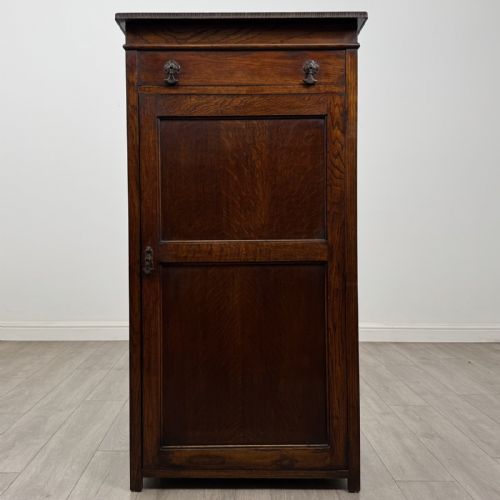
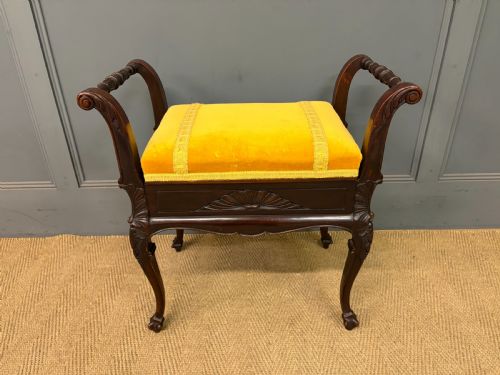
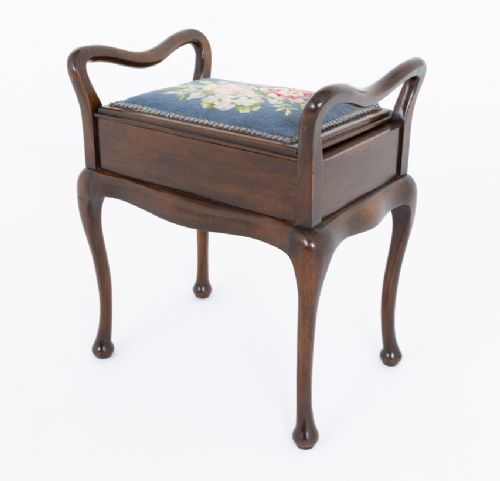
Buyers on this page are most likely to meet mahogany or walnut music cabinets and piano stools alongside tabletop boxes and singing bird automata. The selection combines domestic utility with mechanical performance typical of the period.
Origins and styles span Edwardian design, Belle Epoque influences and Queen Anne Revival forms. Common materials include mahogany, burr walnut and occasional sterling silver fittings.
How they were made
Cabinet makers utilised solid timbers and veneers such as mahogany and burr walnut for the outer casings, often adding marquetry inlay for decoration. Interior mechanisms relied on precisely pinned brass cylinders or metal discs to strike tuned combs.
Additional elements involved glass, fabric, velvet and tapestry linings for storage compartments and seating tops. Sterling silver and enamel work appeared on smaller trinket and bird boxes.
Edwardian Music Box Retail Price Guide 2026
Typical asking prices for edwardian music box among the pieces listed under this phrase on Sellingantiques today, from the lower quarter to the upper quarter. They describe what is for sale here now, not the wider market.
Listings feature mahogany, burr walnut, sterling silver and glass across items dating from the nineteenth century through to nineteen thirty.
What varies in quality
Quality differences stem from the precision of the musical movement and the crispness of the timber craftsmanship. Finer examples display meticulous marquetry inlay, well-fitted joinery and rich burr walnut or mahogany grains.
The complexity of the mechanism also sets pieces apart, from simple disc players to elaborate singing bird automata with enamel and silver details. Sturdiness in piano stools and the acoustic resonance of the music cabinet carcasses complete the distinction.
The Edwardian Music Box Glossary
- Cylinder musical box
- A mechanical instrument that uses a pinned metal cylinder to pluck the teeth of a tuned steel comb. This component produces the programmed melody.
- Disc musical box
- A playback device that uses interchangeable flat metal discs with punched projections to operate the musical comb. These discs allowed owners to change tunes easily.
- Marquetry
- A decorative technique of applying thin veneers of different woods to form pictorial or geometric patterns on the surface. It appears frequently on Edwardian cabinet doors and stool lids.
- Burr walnut
- A wood harvested from the burl growths of walnut trees, prized for its swirling grain patterns. Cabinet makers used it to create highly decorative exterior surfaces.
Edwardian Music Box: Frequently Asked Questions
What plays inside a cylinder music box?
A pinned brass cylinder rotates against a tuned steel comb, where each pin catches a specific tooth to produce a note of the melody.
Heavier cylinders with more teeth deliver a richer and more complex musical arrangement than smaller movements.
How do music cabinets store scores?
These furniture pieces feature internal shelving or vertical compartments specifically dimensioned for holding sheet music and folios.
Drop-front doors or hinged panels provide easy access while keeping the paper collections tidy and protected from dust.
Where were singing bird boxes used?
Small automaton boxes served as decorative tabletop accessories and portable luxury items in Edwardian drawing rooms.
Owners wound the internal clockwork mechanism to activate a mechanical bird that emerged, fluttered and sang.
How do piano stools incorporate music storage?
Many Edwardian piano stools include a lift-up seat or drop-down box section designed to hold performance scores beneath the upholstered top.
Mahogany and walnut frames matched the pianos of the era while offering practical seating and storage combined.