



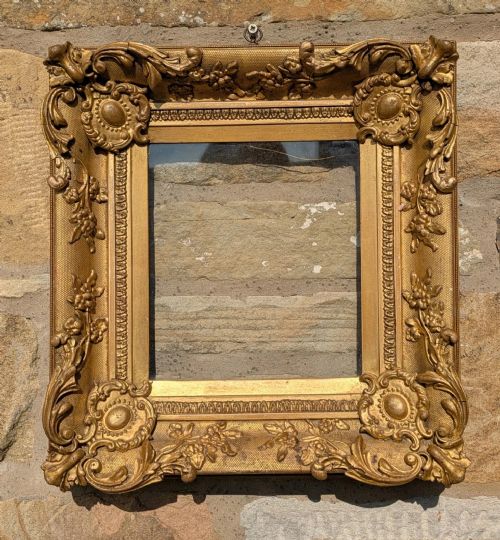


Swept Gilt Wood Frame
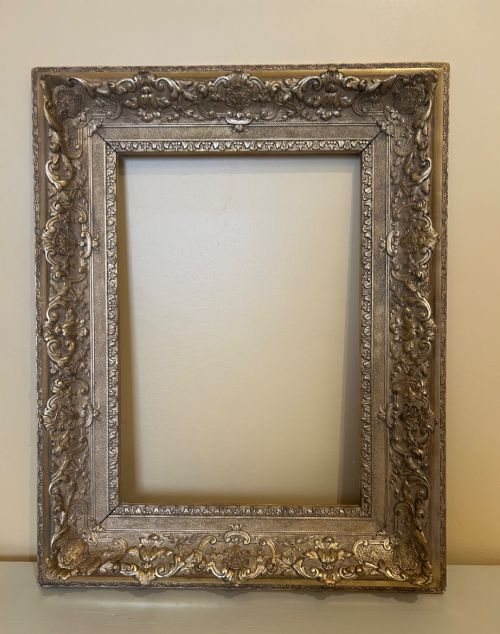
A swept gilt wood frame brings instant warmth and movement to a wall, offering the scrollwork and deep moulding that elevate a simple mirror or canvas.
Swept Gilt Wood Frame
A swept gilt wood frame provides the ornate, curving profile that collectors seek for traditional and period interiors. When searching for a swept gilt wood frame, buyers encounter pieces stretching from the seventeenth century through the Victorian era and into the early twentieth century.
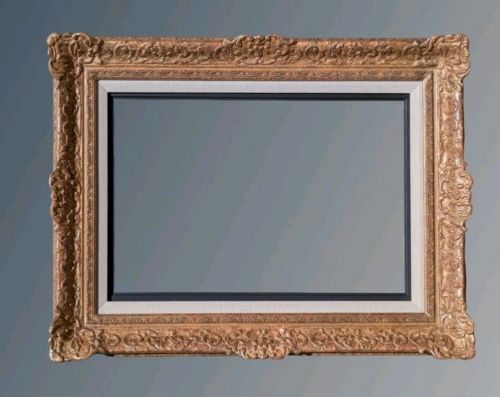
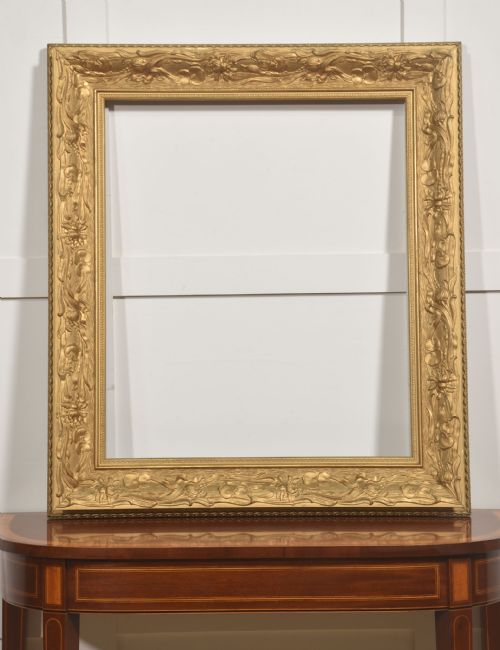
The selection ranges from heavy nineteenth-century Victorian rococo revival designs to large French Montparnasse examples and art nouveau variants. Many house oil paintings or canvases, while others function purely as picture or mirror housings.
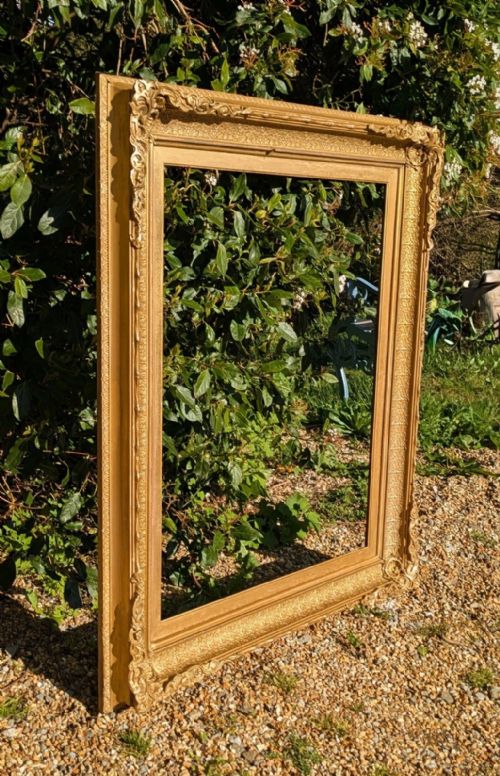
Victorian and nineteenth-century pieces dominate the current selection, often featuring deep gesso mouldings and rich gold leaf surfaces. These items balance substantial wooden construction with sweeping, decorative relief work.
Materials and construction methods
These frames rely on a foundation of carved wood, shaped to create the characteristic undulating curves and deep profiles. Artisans applied layers of gesso over the wooden base to build up the intricate relief details and scrollwork.
Gold leaf or giltwood finishes were then applied to the prepared gesso surface, imparting the brilliant metallic sheen seen across the inventory. This combination of wood, gesso, and gold leaf defined the standard workshop practices of the nineteenth century and earlier periods.
Some frames lived previous lives holding pastoral landscapes of North Wales before finding their way here.
Distinguishing quality in gilt frames
Quality rests in the crispness of the carved wooden ornament and the depth of the gesso relief work. Finer examples display sharp, well-defined scrollwork where the artisan's hand remains evident in the detailing.
The integrity of the gold leaf surface and the preservation of the underlying gesso define the upper tier of the range. Heavier, deeper mouldings with intact original gilding command greater appreciation than worn or simplified equivalents.
Charles Hunt·George Parson-Norman·Thomas Gainsborough
The Swept Gilt Wood Frame Glossary
- Gesso
- A plaster-like mixture applied to wood to create a smooth or relief surface before gilding. It allows for intricate moulded details along the frame edges.
- Giltwood
- Wood that has been coated with gold leaf or a gold-coloured finish. This material provides the bright metallic appearance characteristic of period frames.
- Rococo Revival
- A nineteenth-century style drawing on eighteenth-century French motifs, featuring asymmetrical scrolls and shell work. It frequently appears in Victorian swept frames.
- Montparnasse
- A twentieth-century French frame style known for its distinct profile and association with artistic circles. These pieces often present a simpler yet sophisticated aesthetic compared to heavy Victorian designs.
Swept Gilt Wood Frame: Frequently Asked Questions
How do I date a gilt frame?
Dating relies on examining the underlying wood, the composition of the gesso, and the style of the carving. Victorian pieces often show deep, heavy plaster relief work.
Earlier examples from the seventeenth century exhibit distinct joinery and hand-carved nuances that differ markedly from later revival pieces.
Can these frames hold mirrors?
Many frames originally housing oil paintings are adapted to hold mirror glass by modern owners. The deep rebate of a swept frame accommodates mirror plates effectively.
Buyers should check the interior dimensions and depth to ensure the glass fits securely within the antique rebate.
How do I clean a gilt wood frame?
Gilt surfaces require gentle dusting with a soft, dry brush to remove accumulated particles without disturbing the gold leaf. Moisture and chemical cleaners must be avoided entirely.
Preserving the fragile gesso and leaf depends on minimal intervention and careful handling during routine maintenance.