
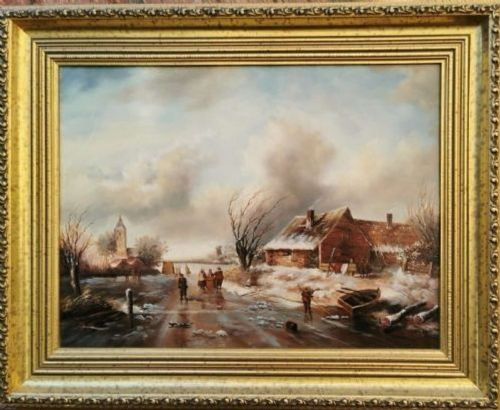
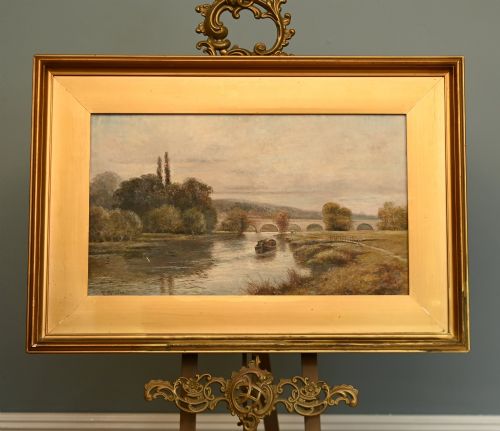
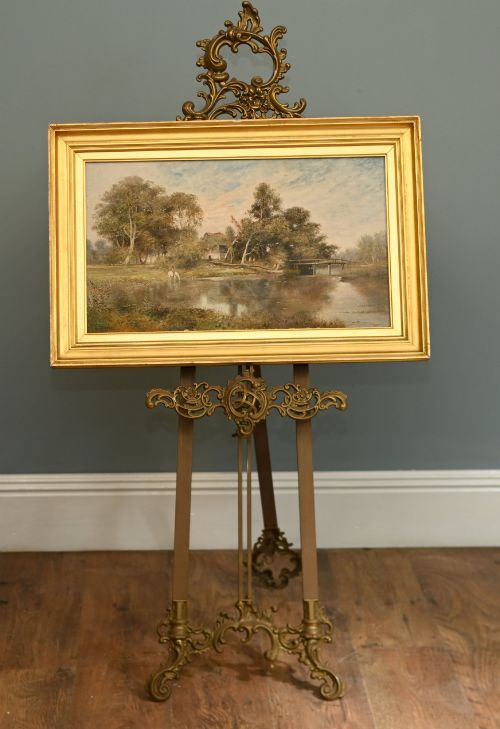
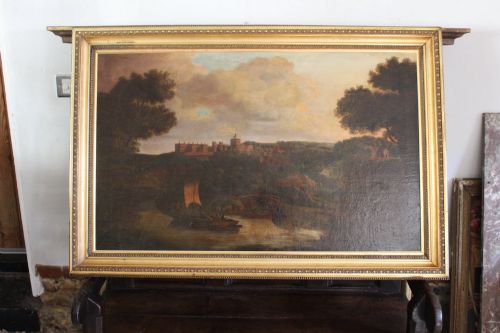

River Landscape Oil Artwork
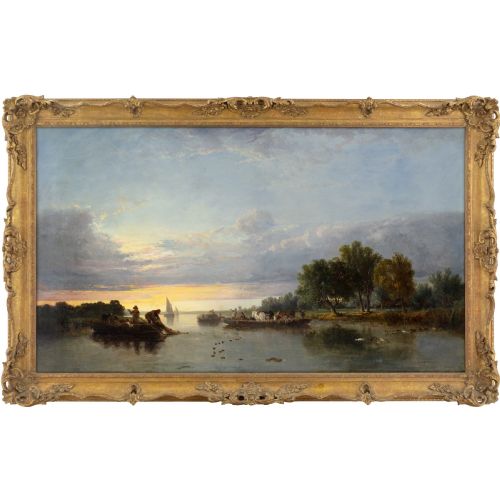
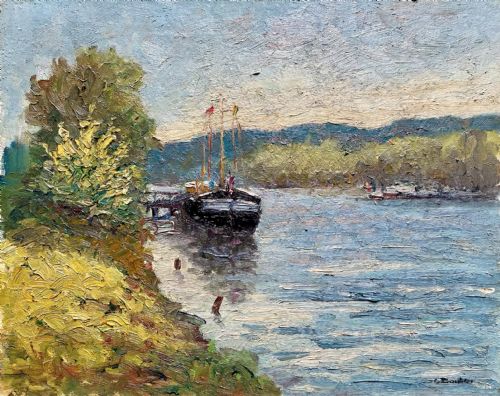
River landscape oil artwork captures moving water and quiet banks, offering a window into past centuries through enduring pigments.
River Landscape Oil Artwork
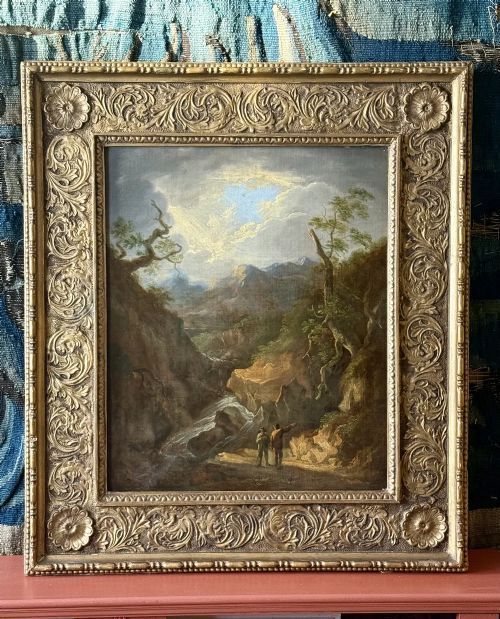
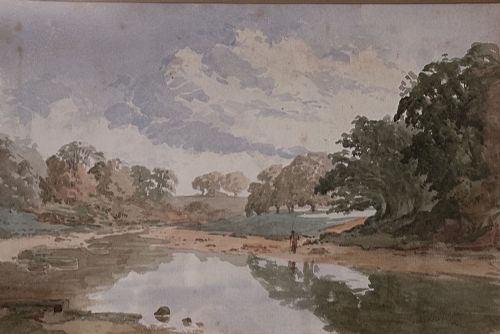
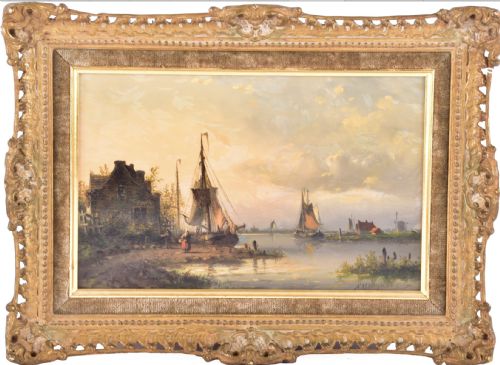
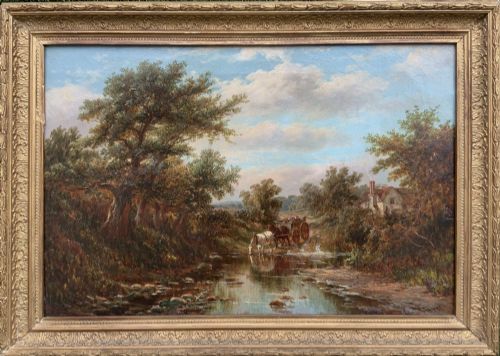
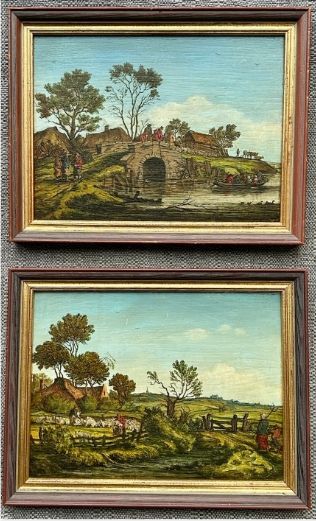
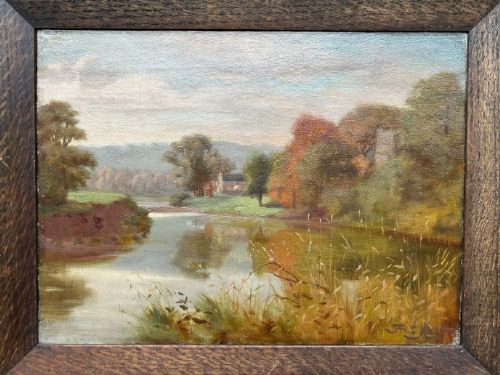
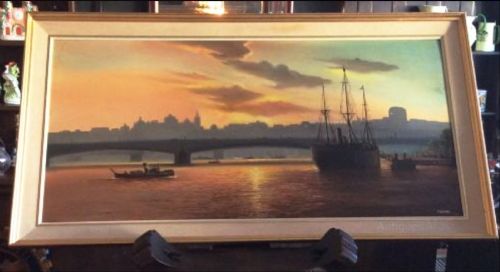
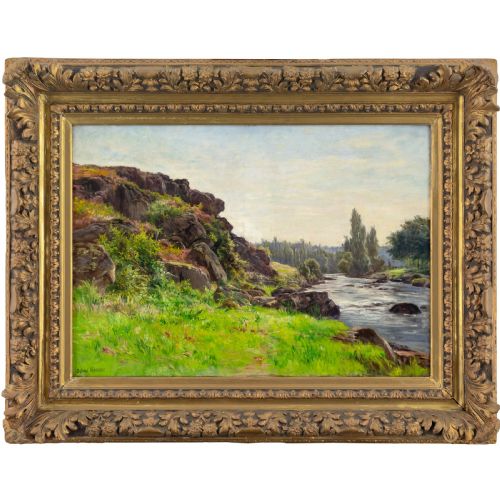
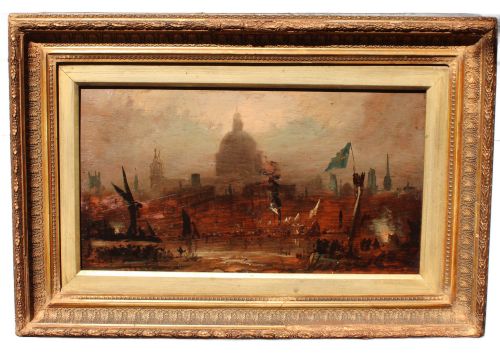
A river landscape oil artwork presents scenes of waterways, bridges, and riverbanks captured by artists across the nineteenth and twentieth centuries. These paintings range from busy urban river views of the Thames and the Seine to quiet rural scenes in Britain, France, and the Netherlands.
Materials and Techniques
These works rely primarily on oil paint applied to woven canvas, wooden panels, or rigid board substrates. Artists built up textures using heavy opaque pigments, sometimes incorporating gesso grounds to prepare the wooden supports before painting.
Framing often includes ornate wooden mouldings finished with gold leaf or gilt details. Painters utilised fluid brushwork to render water reflections, changing light, and atmospheric riverbanks.
The listings span the nineteenth and twentieth centuries, incorporating Victorian academic styles alongside French post-impressionism and mid-century modern interpretations.
Assessing Quality and Execution
Quality rests upon the artist's ability to capture light on water and the confident handling of brushwork across the composition. Stronger pieces show depth in the river currents and accurate perspective in bridges and architecture.
The integration of the original frame, the stability of the canvas or wood panel, and clear signatures or attribution elevate a piece. Weaker examples may display stiff foliage or flat, unconvincing water surfaces lacking atmospheric depth.
Kenneth Cozens·W Klombeck·Frederick Marriott·Gabriel Mathieu·Francis Moltino·Willem Bos·Henri Ottmann·Sir Alfred East·Albert Rieger·Herbert Royle·Florence Adelina Hess·T C Hofland·Henry H Parker·John Horace Hooper·John Ferneley Senior·William George Tennick·Hubert Wellington·Honore Cavaroc·Archibald Kay
The River Landscape Oil Artwork Glossary
- Oil on Canvas
- A traditional painting medium where oil paints are applied to a stretched cloth support. This combination allows for rich blending and textured impasto brushwork.
- Gesso
- A white paint mixture consisting of a binder mixed with chalk, gypsum, or pigment. It is applied to wood panels to create a smooth, absorbent surface for oil painting.
- Gilt
- A thin layer of gold leaf or gold paint applied to wooden frames. It adds a decorative metallic sheen that complements traditional landscape oil paintings.
- Panel Painting
- A painting executed on a flat piece of wood rather than stretched canvas. These rigid supports were common in nineteenth-century and early twentieth-century works.
River Landscape Oil Artwork: Frequently Asked Questions
How do I date an old river painting?
Dating relies on stylistic clues, clothing styles of figures on the banks, and the construction of the canvas or wood panel. Framing techniques and handwritten inscriptions on the reverse also provide clues.
Examining the type of oil pigments and stretcher bars helps narrow down the decade of creation. Comparing the hand with documented works by the same artist confirms the period.
Where were most of these scenes painted?
Many works depict major waterways such as the River Thames in London, the Seine in France, and Dutch canals. Artists frequently set up their easels along popular towpaths and historic bridges.
Rural streams in Wales, Scotland, and English counties also appear regularly in these nineteenth and twentieth-century compositions. Each location reflects the distinct light and topography of its region.
How should I clean an antique oil painting?
Surface dust should be removed very gently using a soft, dry brush without applying pressure. Professional conservators should handle any deeper cleaning or removal of aged varnish.
Household liquids and chemical cleaners will permanently damage the delicate oil layers and historical pigments. Regular inspection in a stable environment prevents most preservation issues.
What is the difference between canvas and panel?
Canvas consists of woven fabric stretched over a wooden frame, offering a flexible and responsive painting surface. Wood panels provide a rigid, solid support that resists punctures and tears.
Panels often appear in smaller works and earlier traditions, while larger nineteenth-century landscapes usually utilise canvas. Both materials require stable indoor humidity to prevent warping or cracking.