






Swedish Tallboy Chest
These Swedish tallboy chest designs bring purposeful vertical storage and rich northern timbers into a room.
Swedish Tallboy Chest
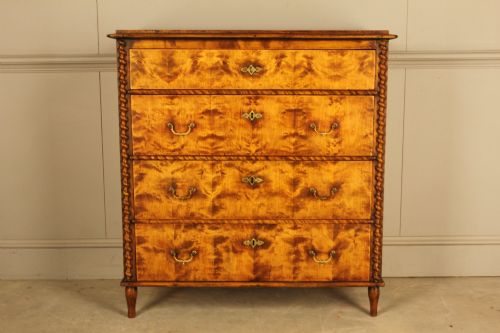
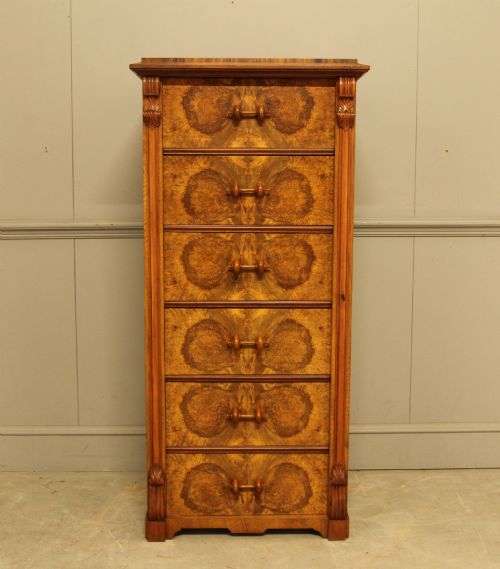
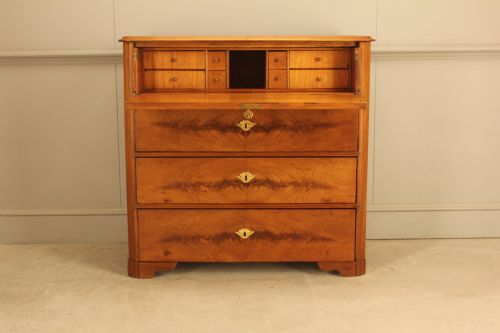
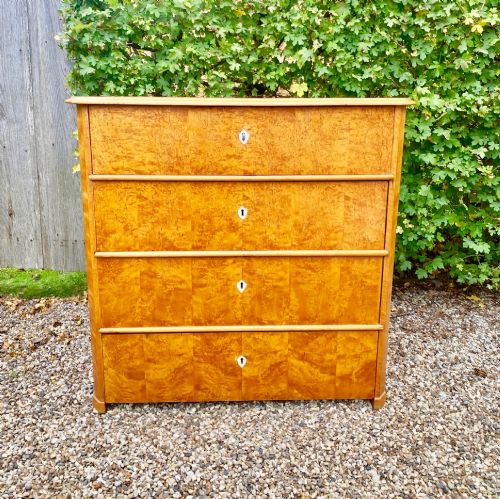
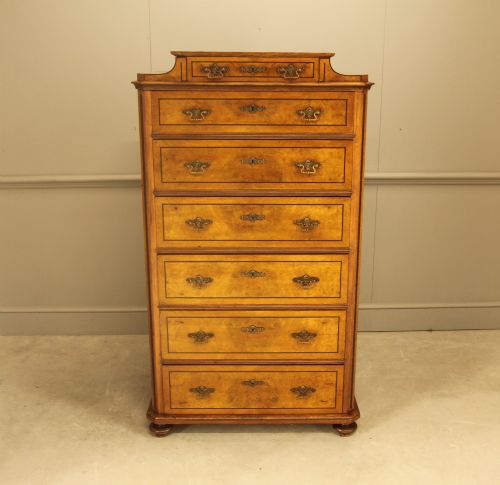
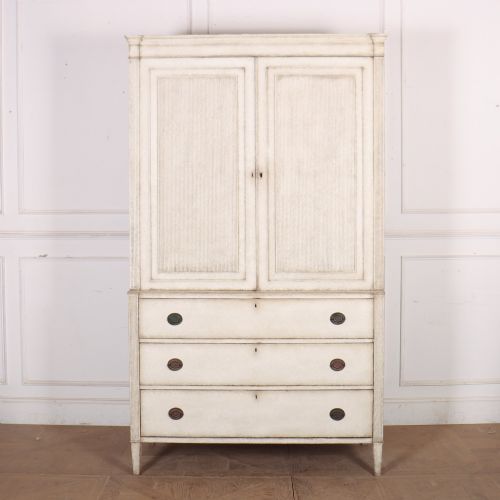
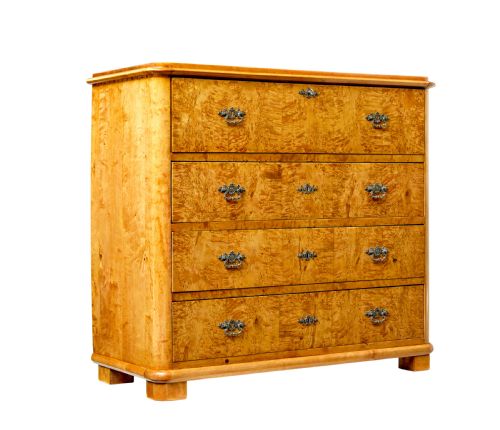
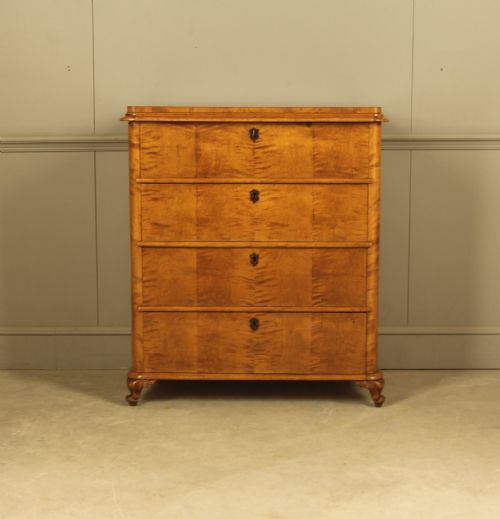
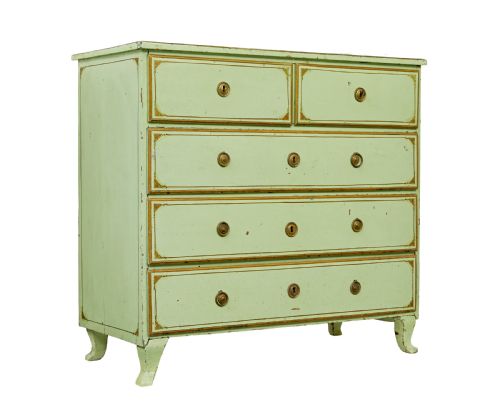
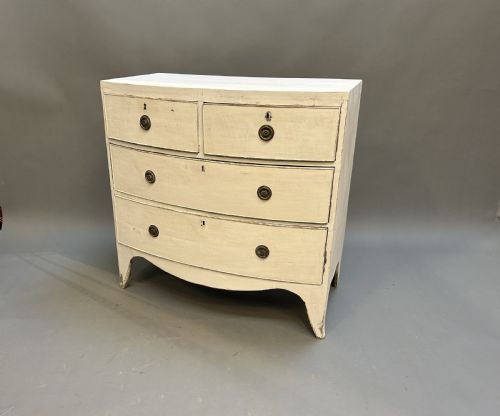
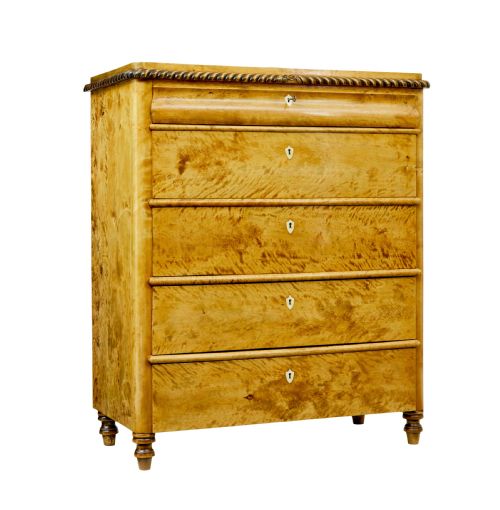
A swedish tallboy chest provides tall, stacked storage while occupying a modest footprint on the floor. Most examples on this page date from the nineteenth century and take the form of chests of drawers, secretaires, or tall cabinets.
The aesthetic draws heavily on Biedermeier and country traditions, balancing simple utility with refined cabinetwork. Formats range from five-drawer upright chests to bonnet top cabinets and secretaire variants with fitted writing compartments.
What varies in quality
Quality rests primarily on the choice of timber veneer and the precision of its matching across drawer fronts. Uniform grain alignment and carefully selected burr or flame birch elevate a piece above standard utility furniture.
Structural integrity of the drawers and the smoothness of their operation define everyday excellence. Finer examples maintain original painted surfaces or pristine polished wood without heavy restoration to the primary carcase.
Swedish Tallboy Chest Retail Price Guide 2026
Typical asking prices for swedish tallboy chest among the pieces listed under this phrase on Sellingantiques today, from the lower quarter to the upper quarter. They describe what is for sale here now, not the wider market.
Materials recorded across the inventory include pine, brass, paint, birch, burr walnut, iron, satin birch, and bone.
GEMLA FABRIKERS
The Swedish Tallboy Chest Glossary
- Secretaire
- A chest of drawers featuring a pull-down front writing drawer with internal compartments. This fitted desk section hides behind a primary drawer facade.
- Burr walnut
- Timber taken from the warted growths of walnut trees, yielding complex swirling grain patterns. Cabinetmakers applied it as a decorative veneer across drawer fronts.
- Biedermeier
- A central European style emphasising clean lines, utilitarian comfort, and minimal ornamentation. Swedish interpretations lean into blonde timbers and restrained classical proportions.
- Bonnet top
- An arched or curved upper bonnet structure crowning a tall cabinet or chest. This profile adds architectural height to the furniture piece.
- Flame birch
- Timber cut to expose a flickering, wave-like grain pattern resembling tongues of fire. It appears frequently on nineteenth-century Scandinavian case pieces.
Swedish Tallboy Chest: Frequently Asked Questions
What is a Swedish tallboy chest?
A tall storage chest originating from Sweden, built with multiple stacked drawers to maximise vertical capacity.
Most surviving examples date to the nineteenth century and use local timbers like birch and pine.
How do I identify Biedermeier style?
Biedermeier furniture focuses on clean architectural lines, warm wood tones, and a lack of excessive carving.
These pieces prioritise practical function while showcasing the natural figure of birch or walnut veneers.
Where should I place a tall chest?
A tall chest works well in bedrooms, hallways, or living spaces where floor space is limited.
The vertical design offers substantial storage capacity without dominating the room's footprint.
What woods were commonly used?
Scandinavian cabinetmakers relied heavily on native birch, pine, and ash for carcase construction and drawer framing.
They frequently applied decorative veneers like burr walnut or flame birch to primary visual surfaces.