



Swedish Painted Side Table
A swedish painted side table brings lightness and practical surface space to a room, rooted in centuries of Scandinavian design.
Swedish Painted Side Table
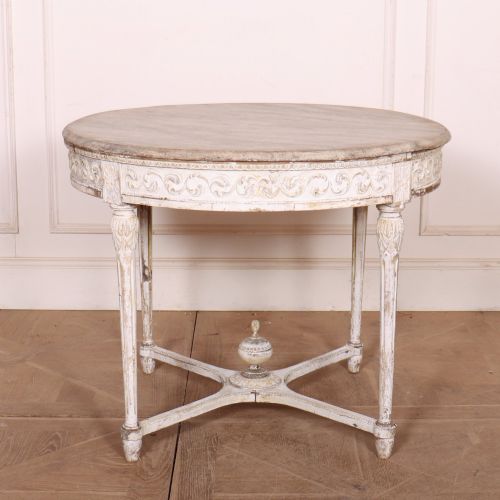
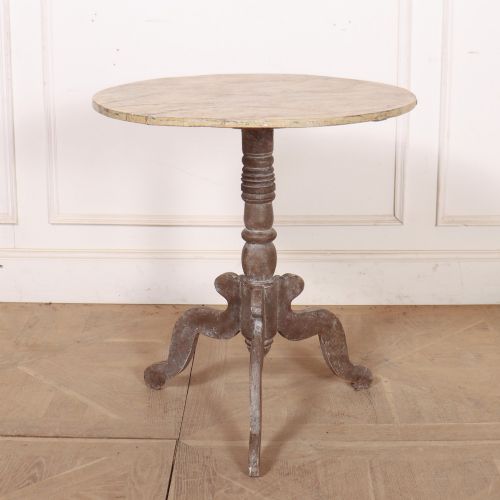
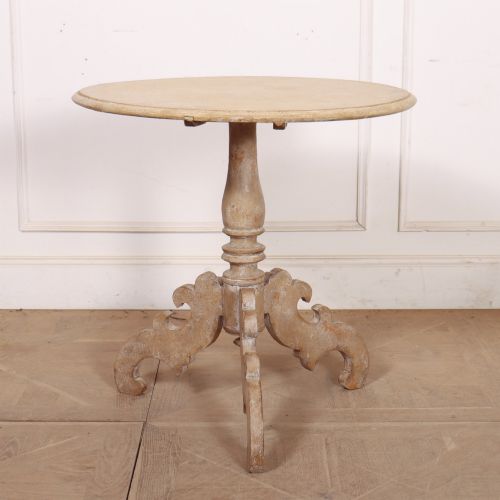
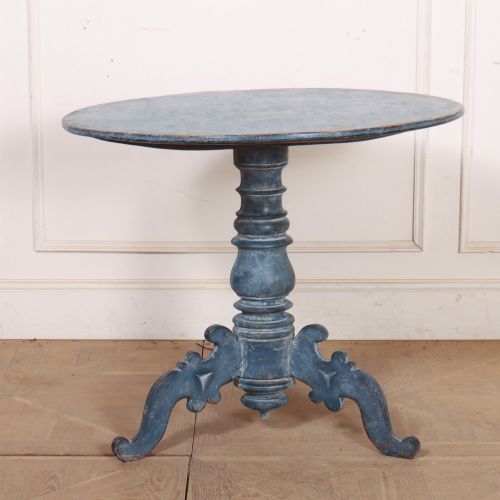
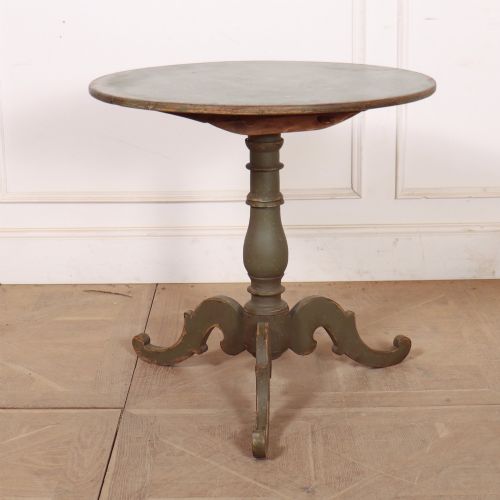
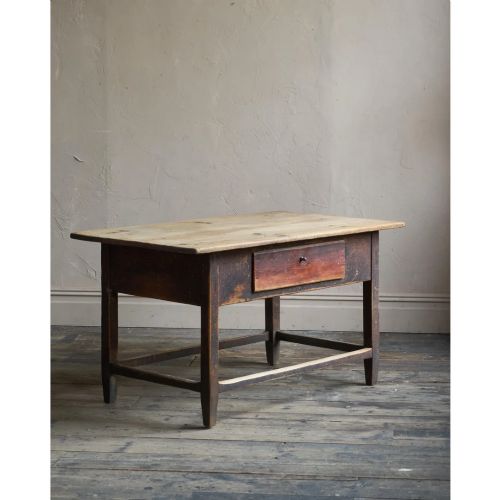
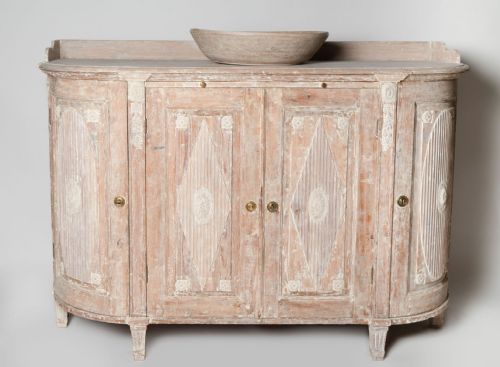
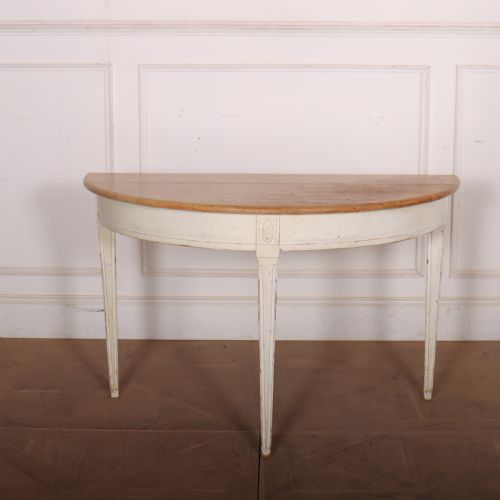
A swedish painted side table spans forms from simple lamp and occasional tables to demi-lune consoles, bedside tables, and bakers tables. The versions most frequently encountered on this page date from the nineteenth century and carry the distinct aesthetic of Scandinavian country and Gustavian traditions.
Makers and folk artisans constructed these pieces for everyday utility in domestic settings, resulting in varied proportions from compact bedside cupboards to wider dining preparation and writing tables. The historical record shows examples stretching from the eighteenth century into the Edwardian era, retaining characteristic painted surfaces.
Buyers look for these tables to introduce functional elegance into hallways, living rooms, and bedrooms. The selection reflects both formal Gustavian restraint and simpler rustic farmhouse interpretations.
Judging Quality and Character
The distinction between ordinary and exceptional pieces rests in the integrity of the original paint surface and the subtlety of the proportions. Tables retaining their early or original brushwork hold greater visual depth than those stripped or heavily refinished.
Construction details also dictate the standing of a piece, separating refined urban Gustavian console tables from heavier folk-made country pieces. The balance of the silhouette and the handling of carved or turned details reveal the competence of the workshop.
Pine and softwood dominate the structural evidence across these listings, painted in traditional regional palettes.
The Swedish Painted Side Table Glossary
- Gustavian
- A neoclassical Swedish style named after King Gustav III, characterised by restrained carving, fluted legs, and pale painted finishes. This aesthetic draws inspiration from French Louis XVI design interpreted through a Scandinavian lens.
- Demi-Lune
- A half-moon shaped console table designed to sit flat against a wall. These pieces frequently function as side tables or serve in pairs within grander hallways.
- Falu Paint
- A traditional deep red paint originating from the copper mines of Falun in Sweden. It contains copper pigmy and linseed oil, historically used to protect timber.
- Ragwork
- A decorative painting technique where rags or cloths are used to apply or texture paint on a surface. This creates mottled or patterned finishes popular in folk furniture.
- Box Stretcher
- An interconnecting framework of horizontal wooden rails near the base of a table. It adds structural rigidity to the legs.
Swedish Painted Side Table: Frequently Asked Questions
How do I date a painted Swedish table?
Dating relies on examining construction marks, timber types, and the composition of the paint layers. Nineteenth-century examples often display hand-sawn pine components and older hand-mixed pigments.
Changes in stylistic details, such as the shift from eighteenth-century neoclassical Gustavian lines to later rustic folk interpretations, also help narrow the period of origin.
Where should I place a side table?
These tables adapt well to narrow hallways, beside seating areas as lamp tables, or utilised as bedside cupboards. Their modest scale allows them to fit into tight architectural spaces.
Pairing demi-lune versions creates symmetry beneath a mirror or window.
Are painted finishes original?
Many listings preserve original or early painted surfaces, often showing natural wear and patination accumulated over generations. Surviving layers tell the physical history of the furniture.
Restoration history varies, so examining the integration of the paint with the underlying softwood grain provides clues to its age.
What is the difference between Gustavian and country styles?
Gustavian pieces display refined neoclassical motifs, straight tapered legs, and sophisticated urban proportions. They reflect royal French influence adapted for Swedish interiors.
Country and folk styles favour simpler construction, heavier pine timbers, and regional decorative painting techniques like ragwork or Falu coatings.