
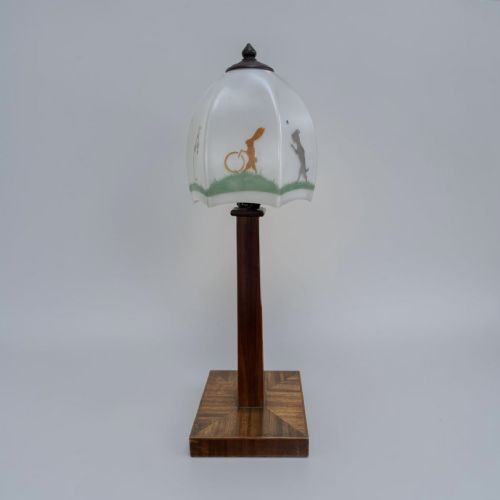

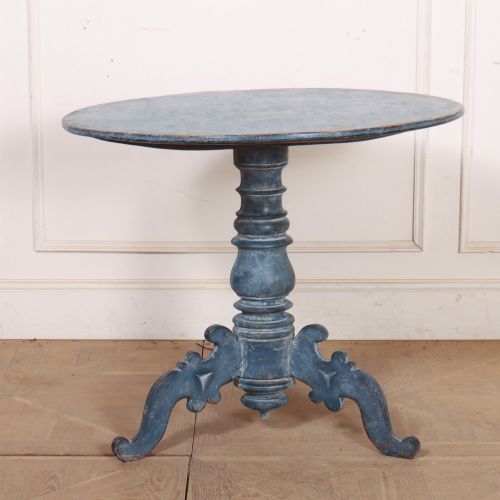
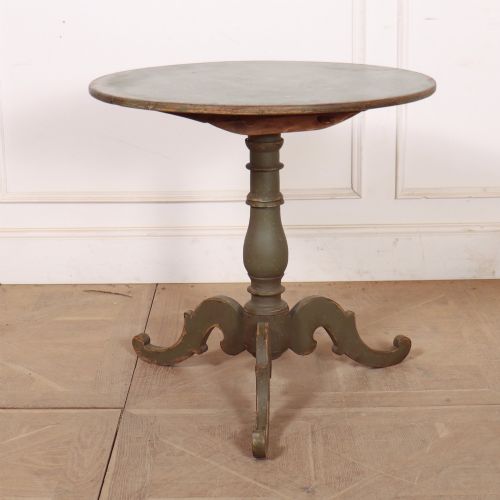
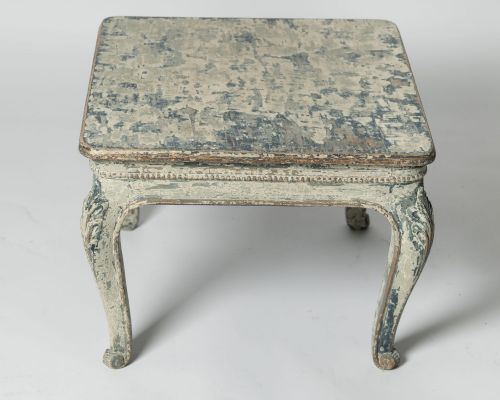
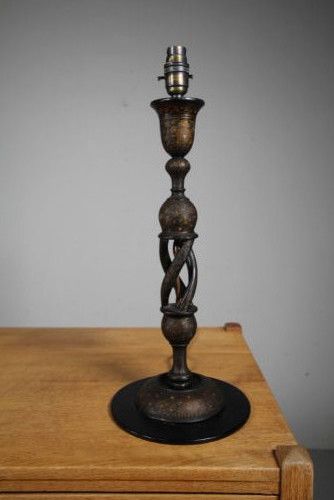
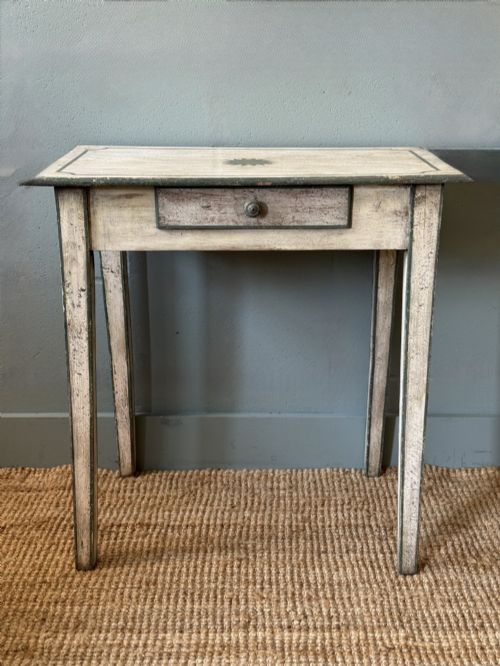
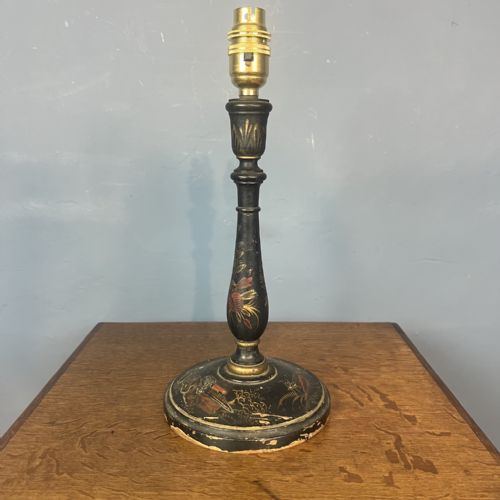
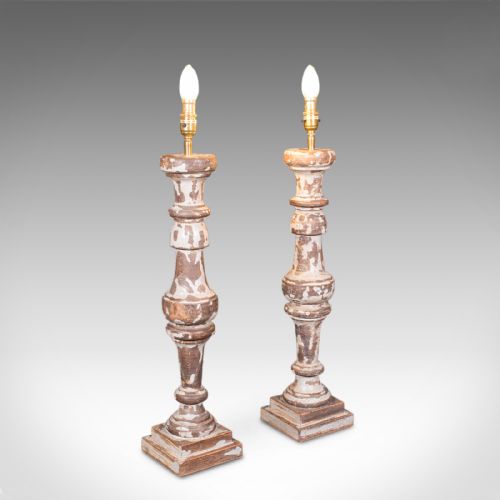

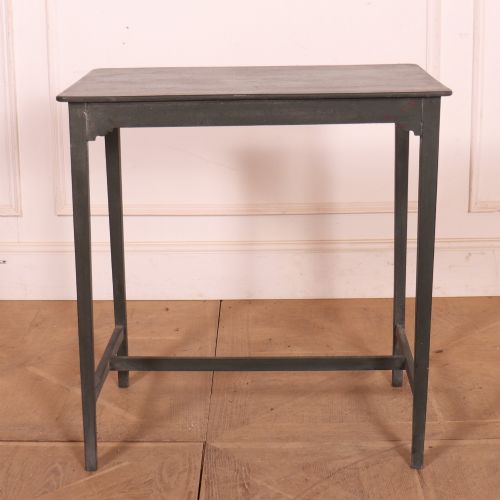

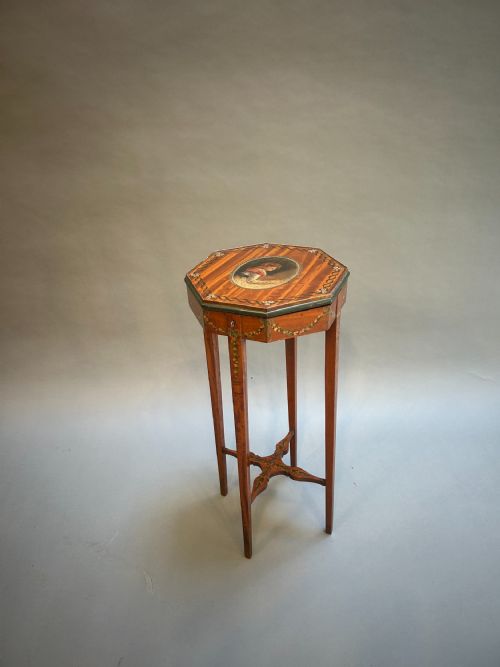


Painted Wooden Lamp Table
A painted wooden lamp table brings colour and character to a corner, functioning as a sturdy perch for evening illumination.
Painted Wooden Lamp Table
A painted wooden lamp table functions as a compact surface for lighting, emerging in various regional styles across centuries. Buyers encounter diverse forms ranging from English cricket tables to Swedish and French provincial designs.
The selection includes pieces spanning from the eighteenth century through to the art deco era. Tables often feature painted pine, fruitwood, oak, or satinwood alongside specific decorative finishes.
Regional variations span from Anglo-Indian and Kashmiri hand-painted pieces to English country and Italian polychrome works. Side tables and occasional tables frequently double as lamp surfaces within domestic interiors.
Materials and construction methods
Craftsmen utilised timbers such as pine, oak, fruitwood, and satinwood as foundations for decorative schemes. Surfaces received layers of paint, lacquer, or polychrome decoration, occasionally incorporating brass details.
Techniques varied from provincial hand-painting and regional folk art to sophisticated chinoiserie lacquer and trompe l'oeil effects. Joinery methods reflect the period of origin, from eighteenth-century English construction to early twentieth-century turning.
Several tables arrived with a past life dedicated entirely to holding tea rather than electricity.
Assessing quality in painted surfaces and timber
Quality rests in the integrity of the original painted surface and the skill of the underlying woodwork. Untouched regional decoration carries greater appeal than later redecorating efforts.
Proportion and timber selection distinguish finer examples, such as Sheraton Revival pieces or eighteenth-century oak tables, from standard utility items. The subtlety of hand-painted motifs and lacquer work elevates certain pieces above plain counterparts.
The Painted Wooden Lamp Table Glossary
- Cricket table
- A small three-legged wooden table of English origin traditionally used in domestic spaces. These sturdy pieces often feature painted pine or oak surfaces.
- Chinoiserie
- European decorative style imitating Chinese artistic traditions, frequently seen in lacquer work. This technique appears on early twentieth-century occasional tables.
- Polychrome
- Decorated in multiple colours, often describing painted furniture from Italian or continental workshops. The method creates vibrant surface patterns on occasional tables.
- Trompe l'oeil
- An artistic technique designed to create optical illusions of three-dimensionality. Georgian examples utilise this method on rosewood tabletops.
- Satinwood
- A durable timber with a natural sheen utilised for fine furniture during the Edwardian period. It provides a pale, smooth ground for painted decoration.
Painted Wooden Lamp Table: Frequently Asked Questions
What is a painted wooden lamp table?
A painted wooden lamp table is a small occasional or side surface designed to hold a light fixture. These pieces combine practical utility with decorative painted finishes.
Craftsmen across various centuries produced these tables in regional styles spanning from English country to Swedish and French provincial traditions.
How do I date a painted lamp table?
Dating relies on observing construction methods, timber types, and the style of the painted decoration. Eighteenth-century pieces differ significantly in joinery and wear patterns from Edwardian or art deco items.
Secondary materials like brass handles or screws, where present, also help establish the period of manufacture.
Where were these tables made?
These tables originate from workshops across Britain, France, Sweden, Italy, and regions such as Kashmir. Each area imparted distinct local preferences in timber choice and painted motifs.
English country pieces contrast with continental finishes like French chateau or Italian polychrome work.
How do I care for antique painted wood?
Preserving antique painted surfaces requires keeping tables away from direct sunlight and excessive moisture. Gentle dusting with a dry cloth prevents dirt accumulation without harming the finish.
Avoiding modern chemical polishes ensures the original paint layers remain stable and intact over time.