



Swedish Painted Pine Furniture
Swedish painted pine furniture brings bright utility and classical restraint into a room through pale surfaces and generous storage.
Swedish Painted Pine Furniture
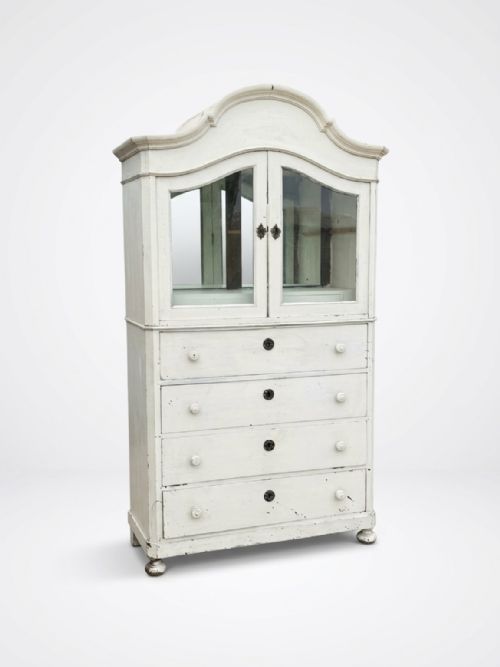
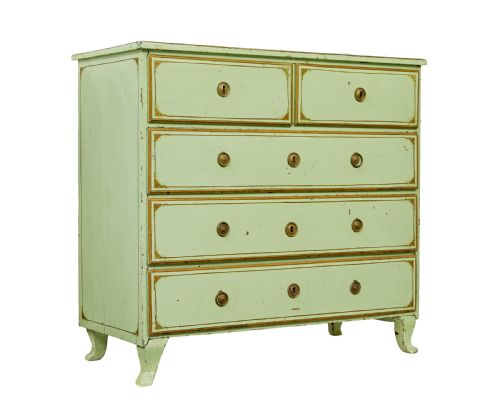
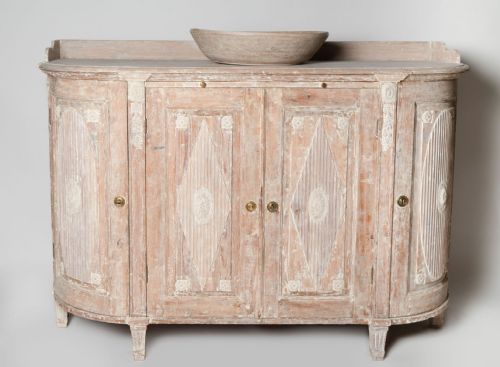
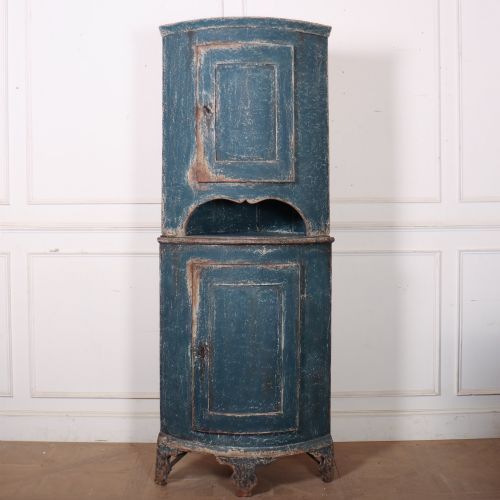
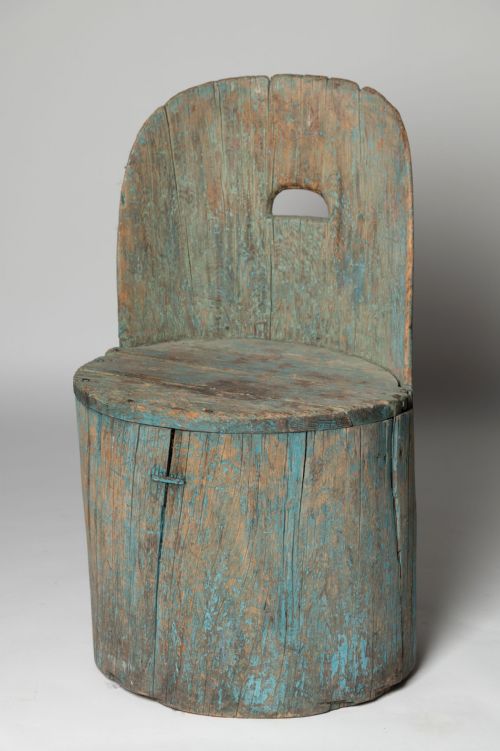
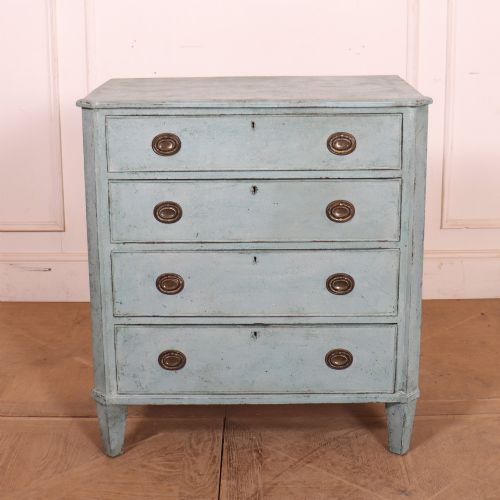
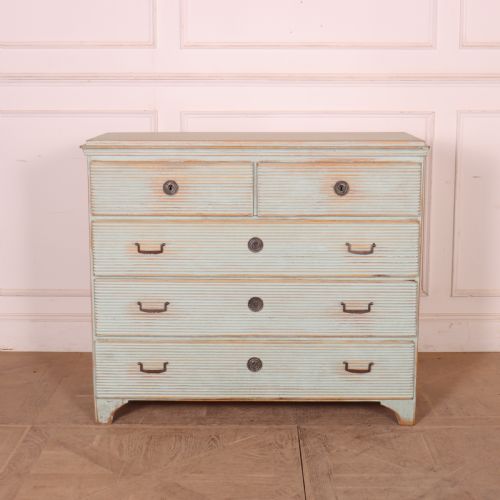
Swedish painted pine furniture comprises storage pieces, seating and tables originating largely across the nineteenth century, alongside eighteenth-century examples. Chests of drawers, commodes and tall cupboards form the core of the selection.
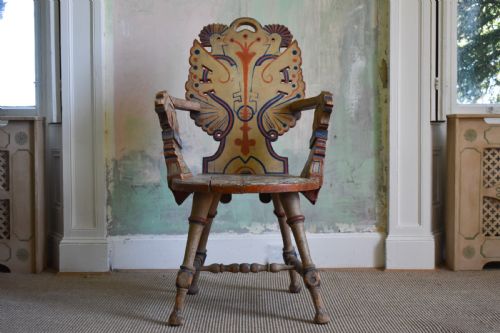
Makers and workshops constructed these utilitarian and decorative domestic objects using softwoods. Stylistic influences range from Scandinavian folk art and country traditions to Gustavian neoclassical design.
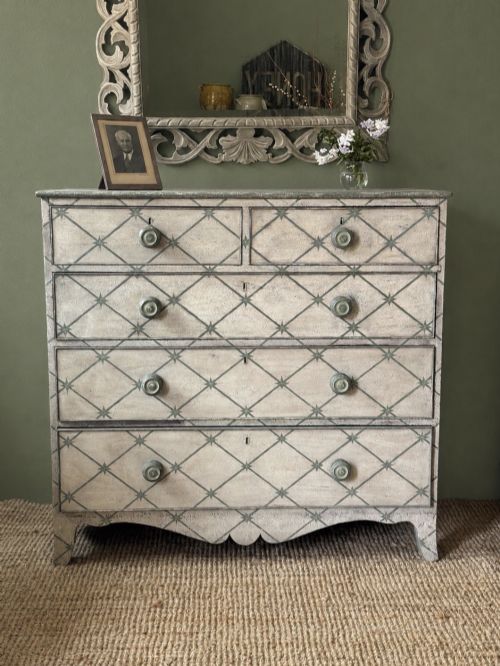
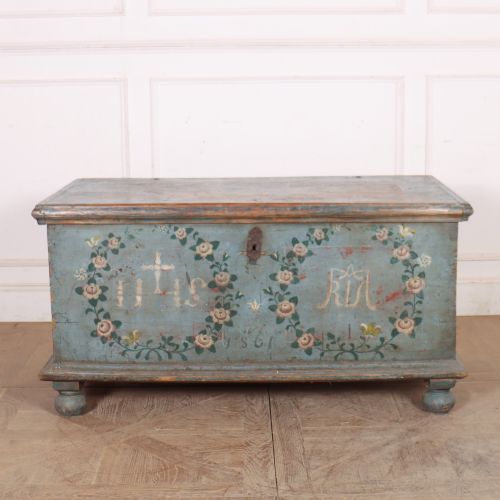
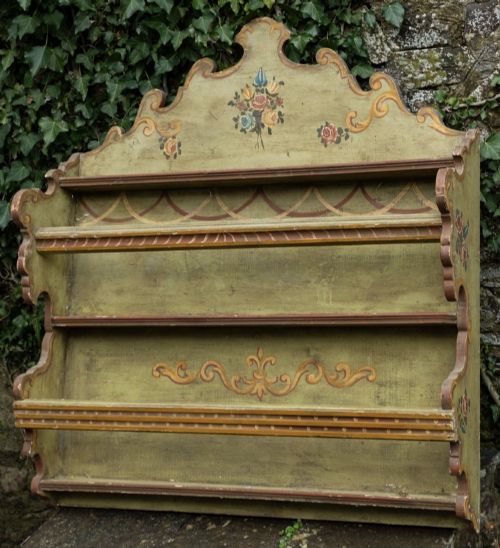
Cabinets, side tables and benches frequently display hand-painted finishes applied over pine. These surfaces distinguish the regional Scandinavian aesthetic from heavier British brown wood antiques.
Materials and Technique
Carpenters constructed carcasses and drawers from solid pine, joining panels with traditional woodworking methods to accommodate seasonal wood movement. Iron and brass hardware such as hinges and escutcheons secured doors and drawers.
Workmen applied layers of paint directly to the pine substrate, frequently utilising regional pigments such as Falu red or pale lead-based colours. Some surfaces received decorative hand-painted details or simulated graining to resemble costlier hardwoods like birch.
Hardware materials include iron and brass fittings paired with Scandinavian country and Gustavian design styles.
Craftsmanship and Surface
Quality separates primitive domestic joinery from accomplished cabinet-making, visible in the precision of dovetailed drawer boxes and the proportion of architectural cornices. Serpentine fronts and fluted drawer details demand advanced joinery skill.
The integrity of the painted surface dictates visual success, distinguishing original scraped or undisturbed paint layers from later decorative overpainting. Subtle craquelure and worn edges demonstrate genuine age and appropriate historical patination.
GEMLA FABRIKERS
The Swedish Painted Pine Furniture Glossary
- Gustavian
- The Swedish interpretation of French neoclassical style, characterised by restrained carving, fluted columns and pale monochrome paint. This aesthetic dominated late eighteenth-century design under King Gustav III.
- Commode
- A low chest of drawers or cabinet standing on legs, often featuring serpentine or bowfronted facades. Eighteenth and nineteenth-century examples served formal bedchambers and reception rooms.
- Falu paint
- A deep red or copper paint traditionally made from copper mine waste, linseed oil and rye flour. Swedish builders utilised this mixture to protect exterior and interior pine surfaces.
- Slagbord
- A traditional Scandinavian drop-leaf dining table supported by swinging wooden gatelegs. These tables provided flexible surface space in vernacular country kitchens.
- Escritoire
- A writing desk fitted with a fall-front flap and internal pigeonholes or small drawers. Swedish versions combine functional pine construction with painted neoclassical facades.
Swedish Painted Pine Furniture: Frequently Asked Questions
How do I care for painted pine surfaces?
Clean painted pine furniture using a soft, dry cloth to remove dust without disturbing historical layers. Avoid chemical cleaning agents and keep pieces away from direct heat sources to prevent timber splitting.
Maintain stable indoor humidity levels to protect the soft pine substrate and the adhering paint film. Gentle handling preserves the original patina that accumulates over centuries of domestic use.
What is Gustavian style?
Gustavian style represents Sweden's local adoption of Louis XVI neoclassical design during the late eighteenth century. It employs symmetrical lines, fluting and pale grey or white paint finishes.
This aesthetic brings lightness to interiors through restrained ornamentation rather than heavy carving. Pieces from this movement balance formal classical proportion with practical Scandinavian utility.
Are these pieces made of solid pine?
Makers constructed the vast majority of these items using solid pine timbers throughout the structural carcasses, drawer linings and internal shelving. Softwood provided an accessible material for local carpenters.
Surfaces received thick coats of paint to protect the timber and brighten dimly lit rooms. This solid construction allows the furniture to endure centuries of daily domestic service.
How do I identify original paint?
Original paint exhibits natural wear patterns, minor losses and softening around frequently touched edges like drawer pulls and door handles. Examination under magnification reveals multiple historical layers beneath the surface.
Untouched pieces retain their early binder composition, showing subtle chalkiness or deep patination rather than flat modern emulsion. Historic scraped finishes expose the genuine ground colours applied by early painters.