
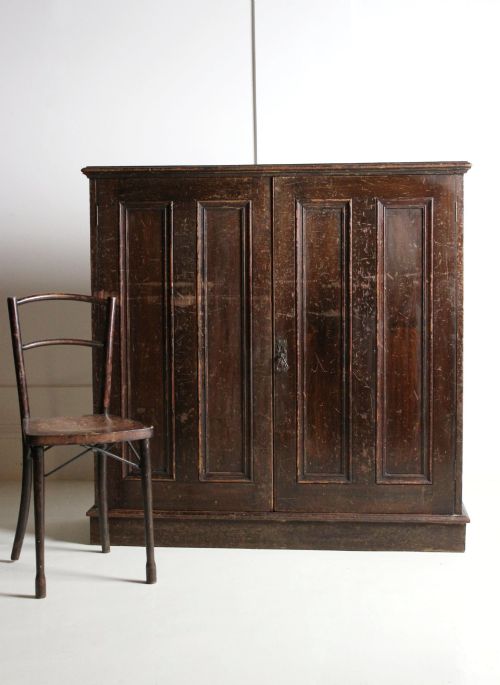
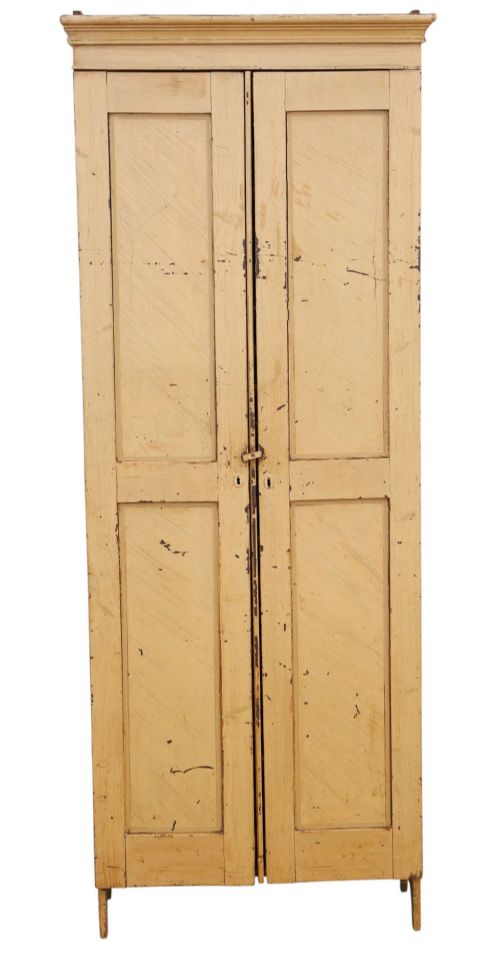
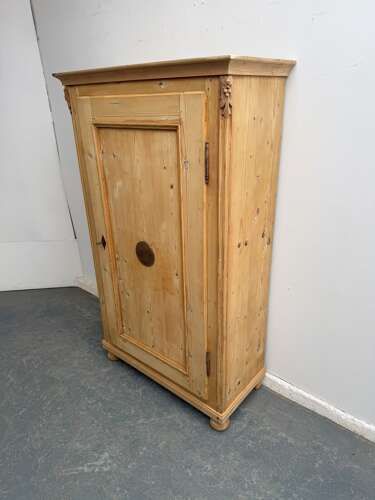
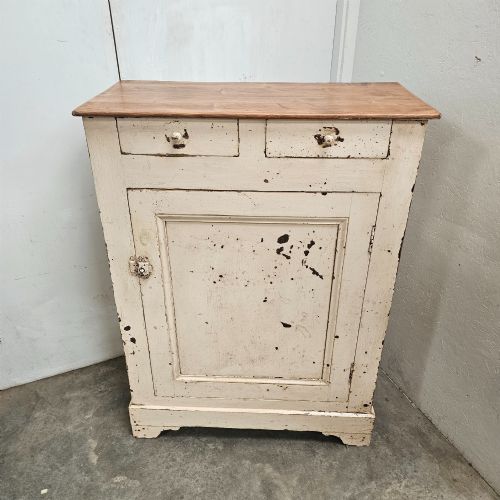
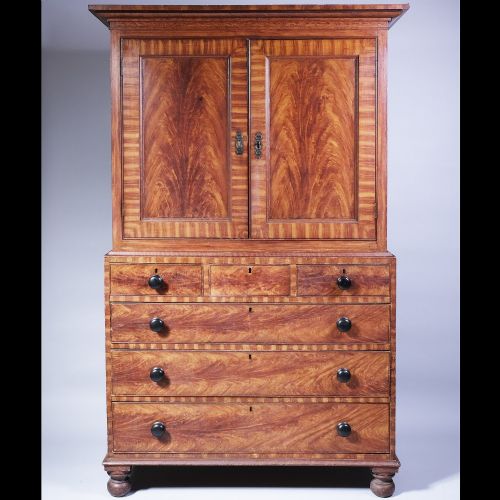
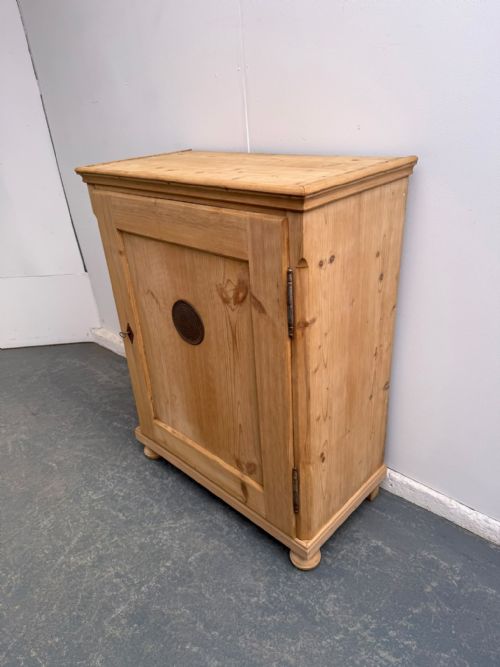
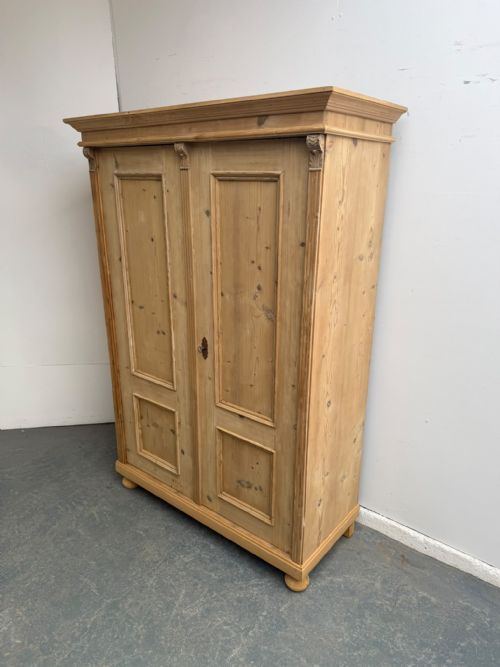
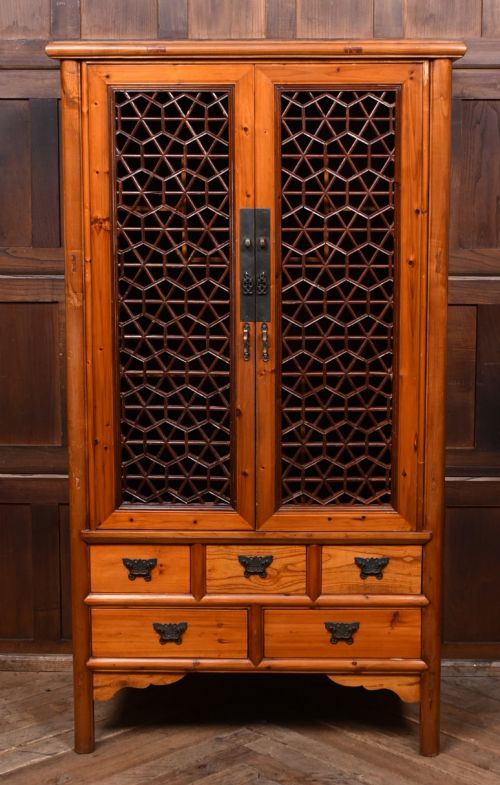
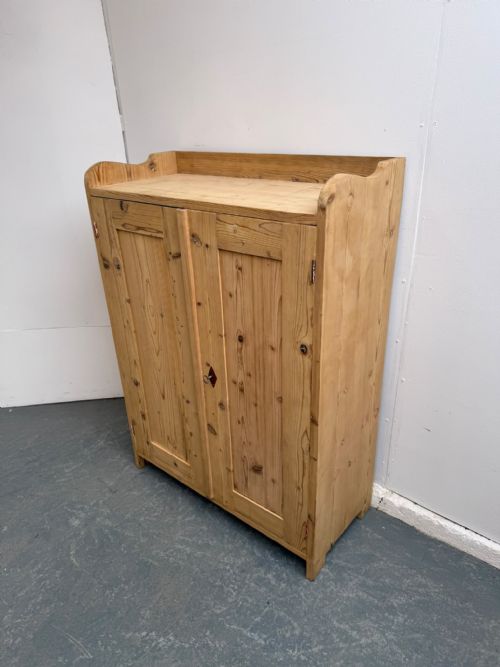
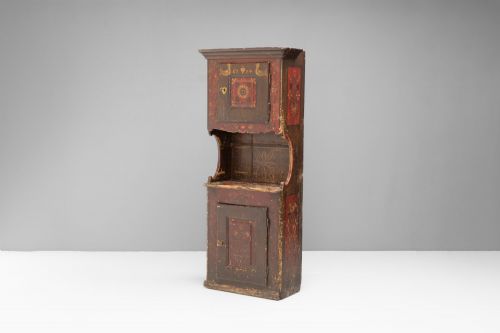
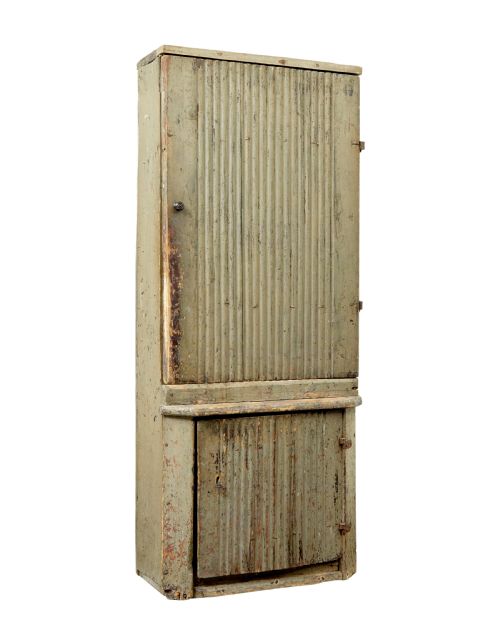

Antique Pine Food Cupboard
An antique pine food cupboard brings centuries of domestic storage history into a modern kitchen with practical grace.
Antique Pine Food Cupboard
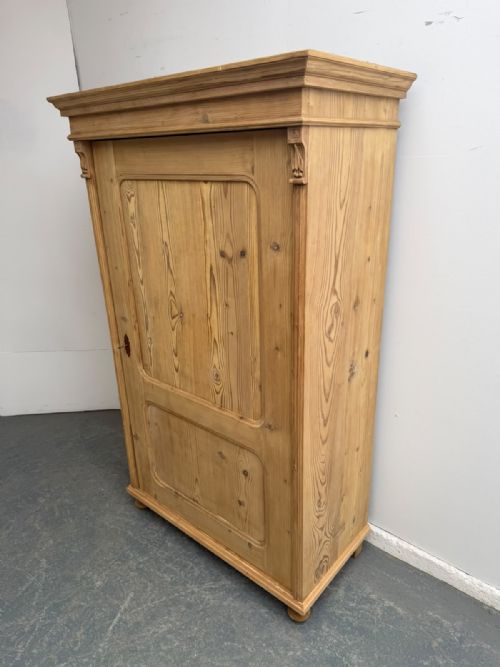
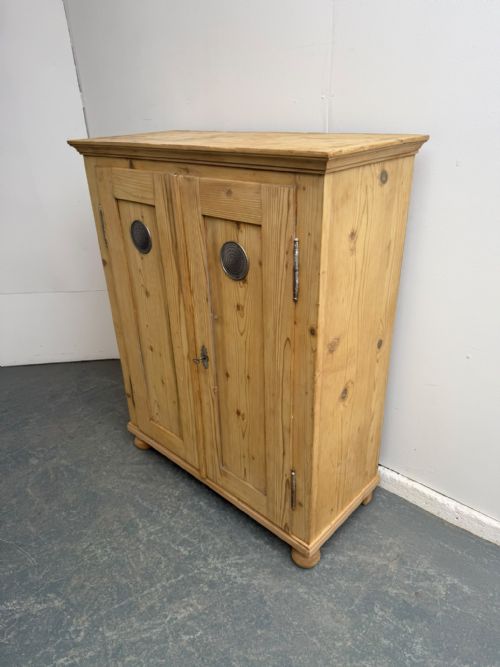
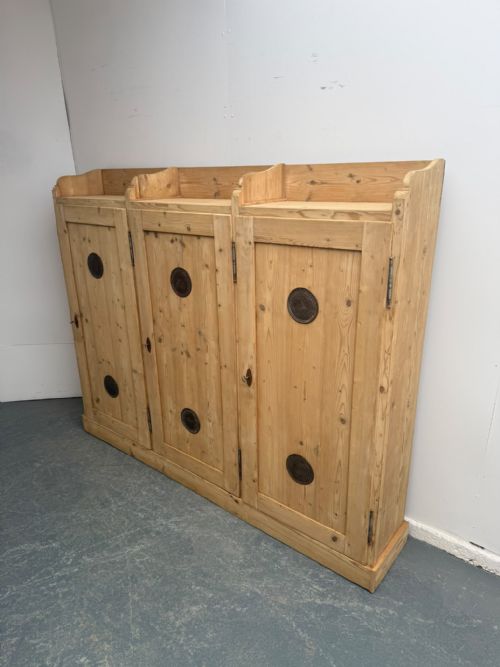
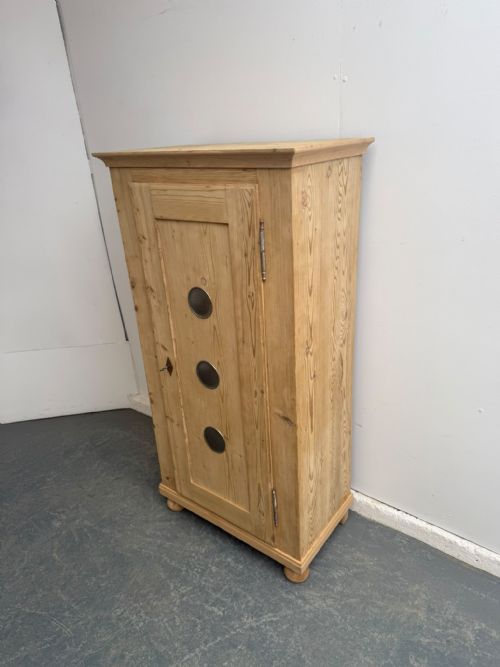
When you search for an antique pine food cupboard, you encounter utilitarian timber furniture created to store perishables before mechanical refrigeration transformed domestic life. These pieces range from narrow single-door pantries to wide housekeepers' units with banks of drawers.
The versions most common on this page date from the Victorian and Georgian periods, alongside examples originating from Scandinavian, French and Welsh workshops. They appear in configurations featuring panelled doors, drawers, and ventilated panels designed to circulate air around provisions.
Regional vernacular styles dominate these listings, showing how different communities adapted simple softwoods for daily kitchen storage. From modest English farmhouse cupboards to painted continental larders, each piece reflects the practical demands of its original household.
Materials and construction methods
Carpenters built these cupboards primarily using solid pine, supplemented by iron hinges, brass handles, and occasionally ceramic pulls or slate insertions. Surfaces frequently retain layers of original paint, scumble glaze, ragwork decoration, or wax finishes applied over decades of use.
Construction techniques rely on traditional joinery suited to softwood furniture, including pegged mortise and tenon frames and hand-cut dovetails within the drawers. Ventilation was achieved through pierced timber panels, gauze inserts, or bored holes that allowed air to reach bread, cheese, and dry stores.
Bread and cheese cupboards quietly whisper of midnight snacks taken centuries before the invention of the electric fridge.
Factors influencing quality and character
Quality in these utilitarian pieces rests upon the integrity of the original timber, the survival of early or period paint surfaces, and the retention of original hardware such as hinges and locks. Pieces that avoid excessive modern alterations command greater interest from collectors.
Proportion and scale also define the hierarchy of these items, distinguishing simple workshop builds from more considered regional furniture featuring fielded panels, shaped cornices, or fitted interior shelving.
The Antique Pine Food Cupboard Glossary
- Scumble paint
- A decorative surface treatment involving a translucent glaze dragged or combed over a paler ground to simulate grain.
- Housekeeper's cupboard
- A large storage piece traditionally used for linens and provisions, typically combining upper cupboards with lower drawers.
- Bread and cheese cupboard
- A regional storage variant specifically ventilated to keep dairy and baked goods fresh in domestic kitchens.
- Vernacular furniture
- Domestic pieces made by local craftspeople using regional traditions rather than high-style metropolitan designs.
- Confiturier
- A small French cupboard originally designed to store pots of preserved meats or confit.
Antique Pine Food Cupboard: Frequently Asked Questions
What were antique pine food cupboards used for?
These cupboards served as the primary domestic storage for bread, cheese, butter, and cured meats before the widespread use of household refrigerators. Ventilated doors kept perishables fresh by allowing air circulation while keeping insects away from provisions.
Over time, many adapted to general kitchen storage, holding dry goods, crockery, and household linens. Their deep drawers and sturdy shelves made them central to the daily operations of a farmhouse or townhouse kitchen.
How do I tell a Georgian cupboard from a Victorian one?
Georgian cupboards generally exhibit simpler, cleaner architectural lines with hand-cut joinery, often featuring pegged frames and older surface patination. Proportions tend to be more restrained, and original paint surfaces from the eighteenth century show distinct craquelure and wear.
Victorian examples frequently display greater variety in internal fittings, such as ceramic handles, multiple small drawers, and pierced ventilation panels. They also appear more frequently in coloured paints, scumble glazes, or stripped pine finishes ready for waxing.
How should I clean and care for old pine?
Maintenance requires minimal intervention to preserve the historic patina and any surviving early paint finishes. Dust regularly with a dry cloth and avoid modern chemical polishes that can soften wax or damage timber surfaces.
Keep wooden furniture away from direct heat sources and dramatic humidity fluctuations, which can cause pine to warp or split. Feed waxed surfaces occasionally with a traditional beeswax polish to nourish the wood.
Are painted finishes original on these cupboards?
Many pieces retain historic coats of paint, ranging from simple country creams and greys to decorative scumble and ragwork finishes. Traces of early pigment beneath later layers often survive on pieces originating from Scandinavian and British rural workshops.
Some items have been stripped down to bare pine during previous decades, while others bear later decorative paint or signwriting applied long after manufacture. Examining the edges of hardware and internal surfaces helps reveal the history of the finish.