



Painted Pine Food Safe
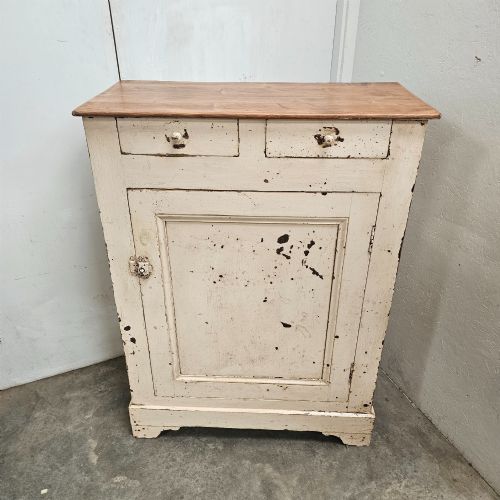
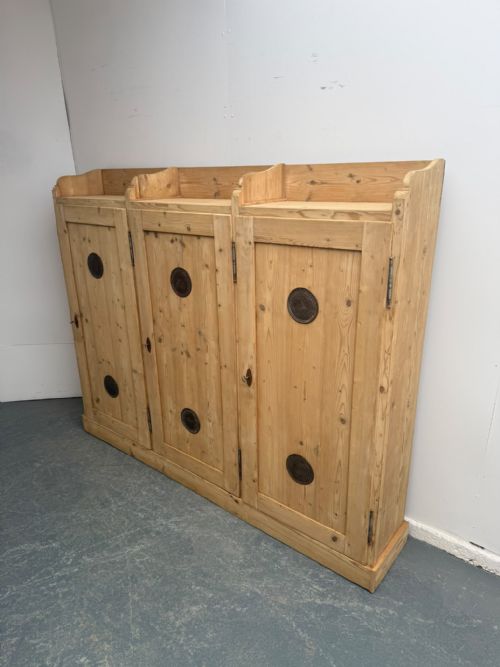
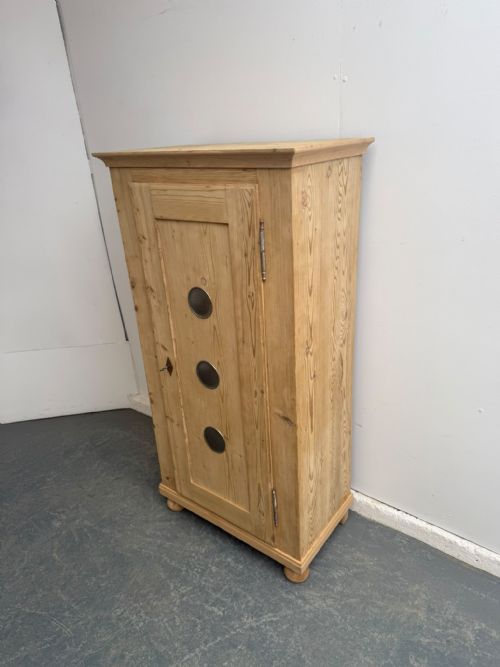
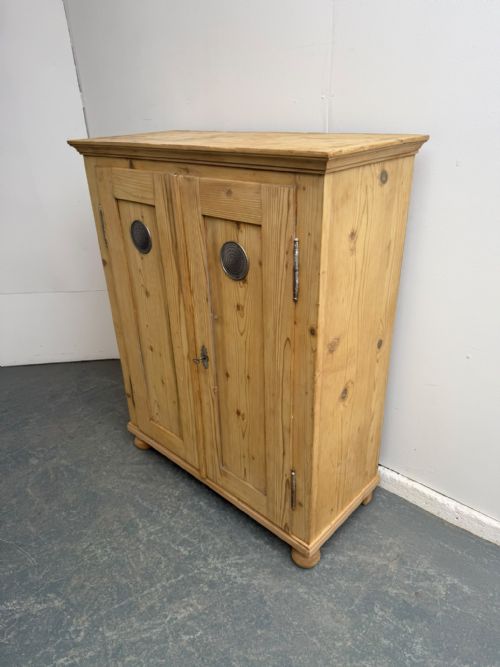
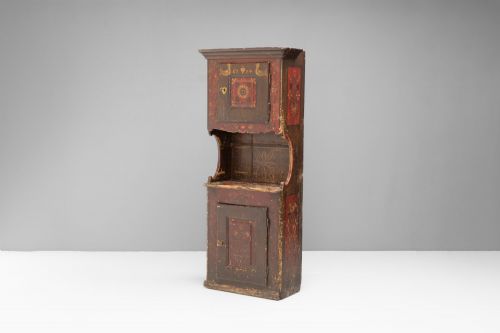
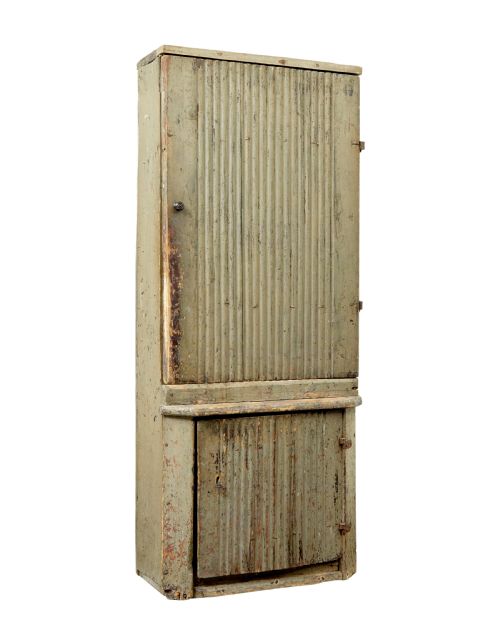
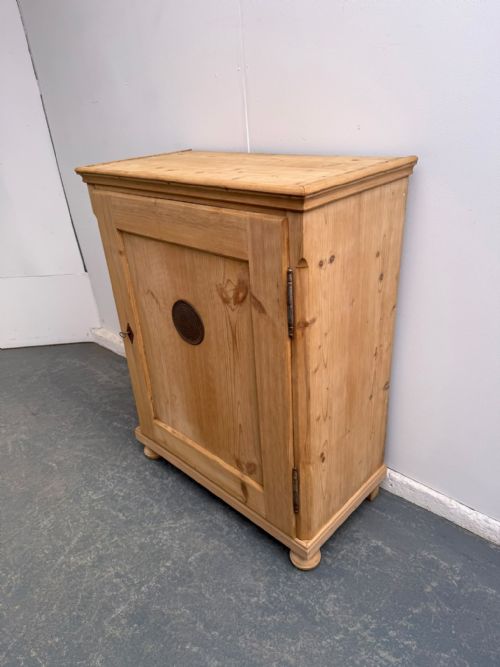
These painted pine food safe pieces are practical country storage cupboards designed to keep provisions cool and aired.
Painted Pine Food Safe
A painted pine food safe is a utilitarian kitchen or pantry cupboard used historically for storing perishable goods away from pests. When you search for this phrase, you encounter regional variations from Georgian, Victorian and nineteenth century periods.
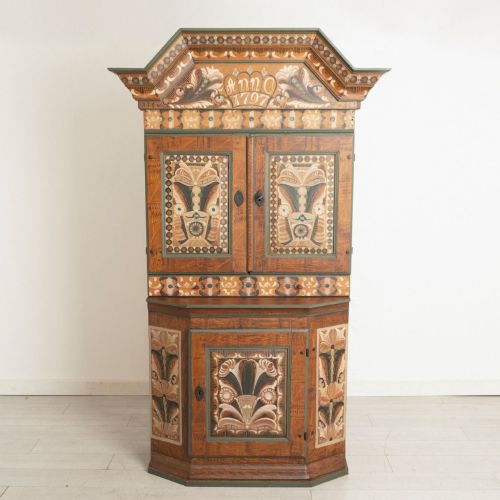
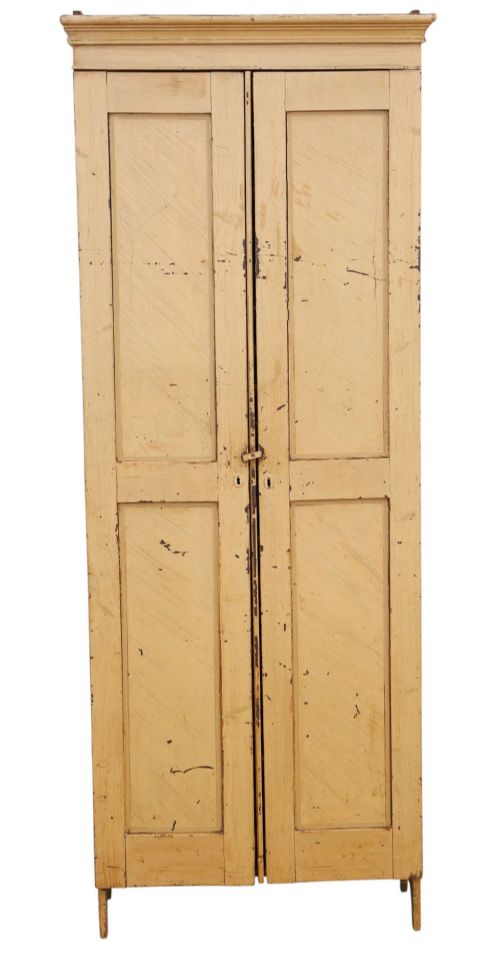
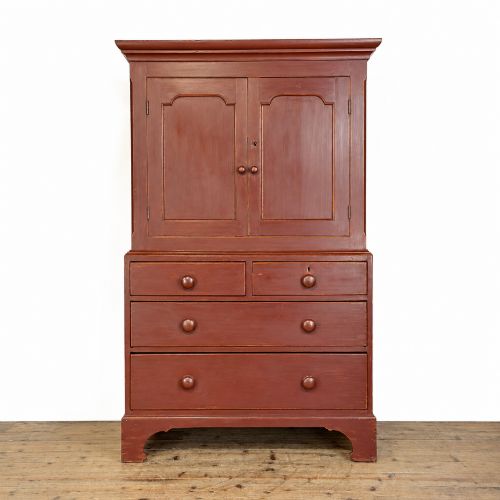
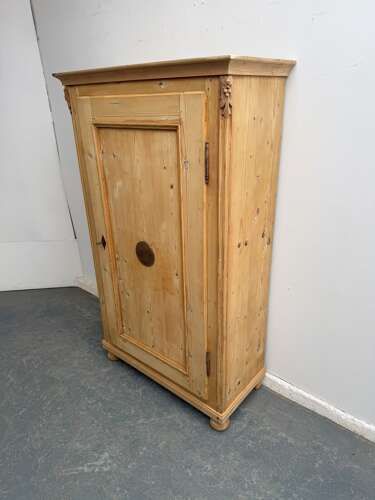
The pieces appearing in this category range from single door vented cupboards and confituriers to larger housekeepers cupboards and larder cabinets. Many examples display original or later painted surfaces in cream, muted tones or folk art finishes.
Vernacular designs span British, French Provincial, Scandinavian and Scottish origins, reflecting local rural needs. These items function well in modern kitchens or boot rooms as practical storage with distinct character.
Materials and construction methods
Makers constructed these cupboards primarily using solid pine, chosen for its availability and workability in regional joinery workshops. Carcases often feature pegged or dovetailed joints designed for everyday domestic durability.
Ventilation was a primary functional requirement, achieved through doors fitted with metal mesh, perforated tin or wooden slats to allow airflow while excluding insects. Iron and brass hardware, including hinges and latches, secure the doors and drawers.
Surfaces were frequently finished with lead-based or milk paint to protect the timber and brighten dark rural interiors. Over decades, this paint has weathered, chipped and acquired natural patination through repeated cleaning and use.
Painted Pine Food Safe Retail Price Guide 2026
Typical asking prices for painted pine food safe among the pieces listed under this phrase on Sellingantiques today, from the lower quarter to the upper quarter. They describe what is for sale here now, not the wider market.
Materials recorded across the inventory include solid pine, iron mesh, ceramic knobs and original layered paint surfaces.
Factors of quality and survival
Quality in a painted pine food safe lies in the originality of its surface, the integrity of its ventilation panels and the balance of its proportions. Pieces retaining their early or original paint layer command greater interest than those stripped down or heavily refinished.
Structural survival matters greatly, as damp environments often caused rot in the lower boards and feet. Examples that retain their original backboards, internal shelving and iron or brass hardware represent better craftsmanship and authenticity.
Subtlety of regional form separates standard utilitarian storage from superior vernacular work. Well-executed fielded panels, delicate cornices or undisturbed folk art decoration elevate a simple kitchen cupboard into a notable piece of country furniture.
The Painted Pine Food Safe Glossary
- Food safe
- A ventilated cupboard designed for storing bread, cheese and meat safely before domestic refrigeration. These cabinets used mesh or pierced metal panels to maintain airflow.
- Confiturier
- A small French cupboard originally utilised for storing confit meats in earthenware pots. They typically feature a single door above a small drawer.
- Housekeepers cupboard
- A large storage piece with cupboards and frequently drawers, traditionally managed by the housekeeper for linen and dry stores. They often stand tall and narrow to maximise kitchen wall space.
- Vernacular furniture
- Objects built by local joiners or rural craftsmen using regional materials to satisfy specific domestic needs. These pieces follow traditional local patterns rather than metropolitan high styles.
- Mesh
- Woven wire screening fitted into door panels to provide ventilation in food safes and larders. Original wire mesh shows characteristic oxidation and hand-woven irregularities.
Painted Pine Food Safe: Frequently Asked Questions
How were food safes used?
These cupboards stored perishable items such as cheese, bread and cured meats in the era before domestic refrigeration. The mesh or ventilated panels kept flies and rodents out while allowing cool air to circulate around the food.
In modern homes, they function well as larders, bathroom cabinets or hallway storage units where ventilation and slim proportions are useful.
Are the painted finishes original?
Many pieces retain layers of old paint applied decades apart as domestic fashions or colours changed in the kitchen. Some surfaces show original milk paint or early oil paint, while others have been refreshed by subsequent owners.
Examining the paint under natural light reveals wear patterns, underlying timber oxidation and clues to the age of the surface.
How do I care for antique pine?
Keep painted pine furniture away from direct heat sources and drastic humidity changes to prevent the timber from warping or splitting. Clean surfaces gently with a dry or barely damp cloth, avoiding harsh modern chemical cleaners that might strip historic paint.
Wax can be applied sparingly to unpainted interior pine surfaces, but painted exteriors should be left undisturbed to preserve their natural patina.
What is a bread and cheese cupboard?
A bread and cheese cupboard is a specific regional food safe built with ventilated sections to keep daily rations fresh. They were essential pieces of furniture in farmhouses and rural cottages before the twentieth century.
Their compact size makes them adaptable for placement in smaller modern spaces while still offering authentic country character.