
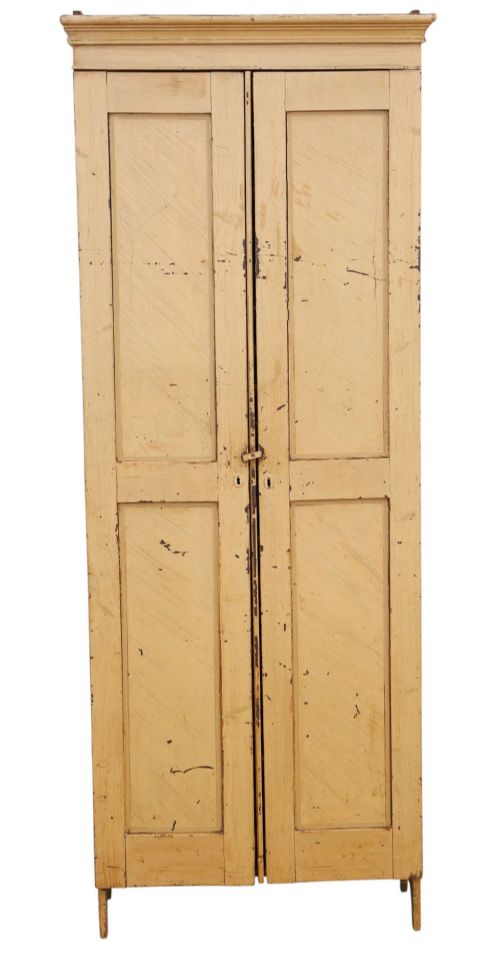
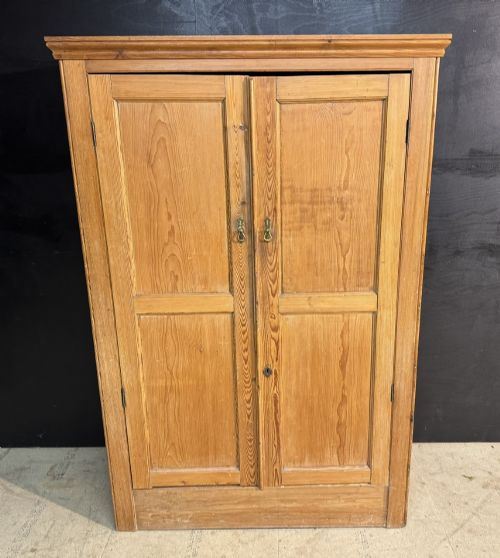
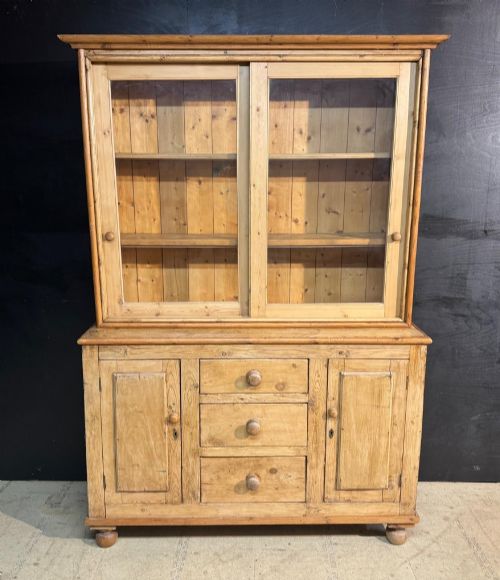
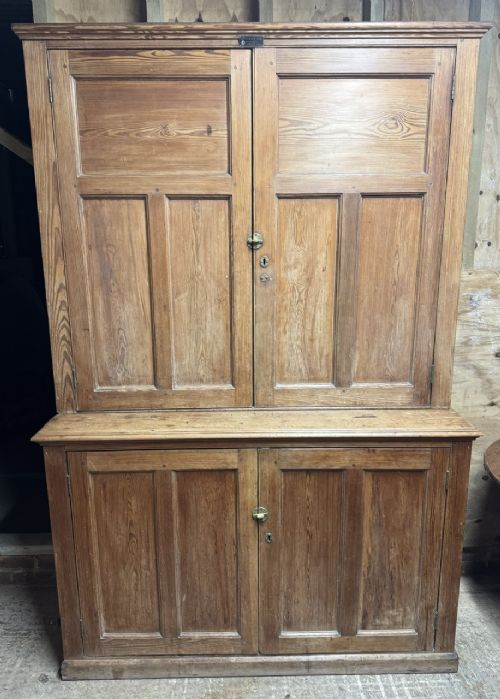

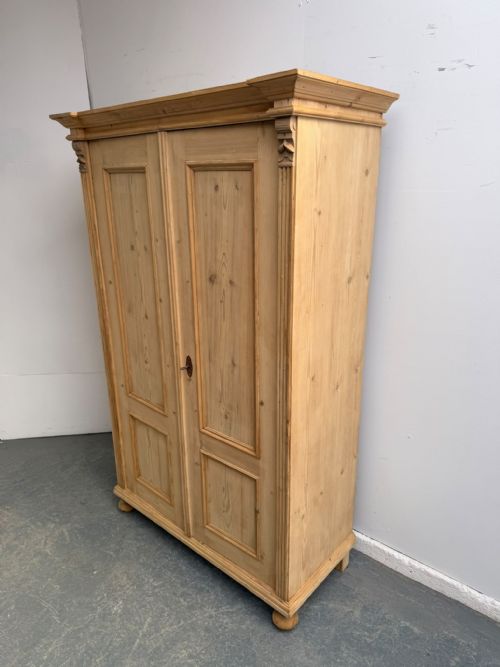
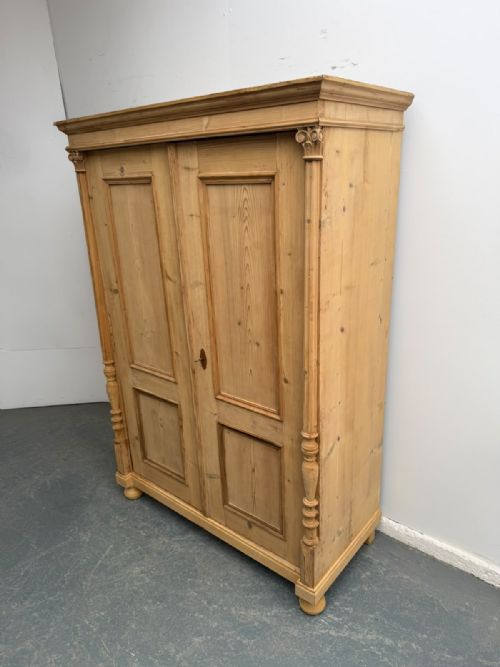
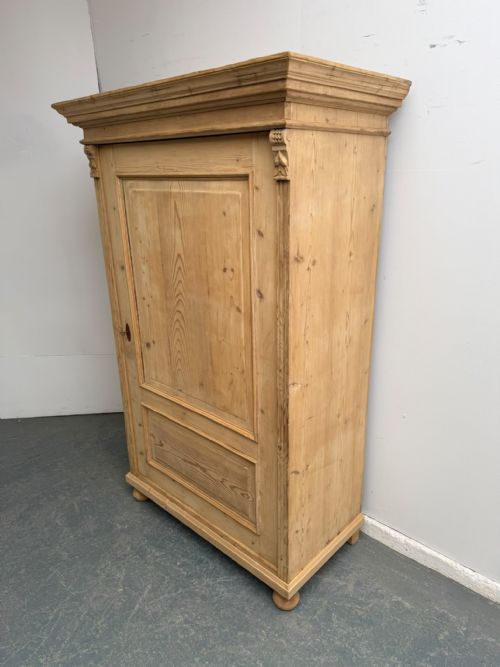
Rustic Pine Larder Cupboard
A rustic pine larder cupboard is a sturdy timber store for provisions, offering honest utility and warm character to a kitchen.
Rustic Pine Larder Cupboard
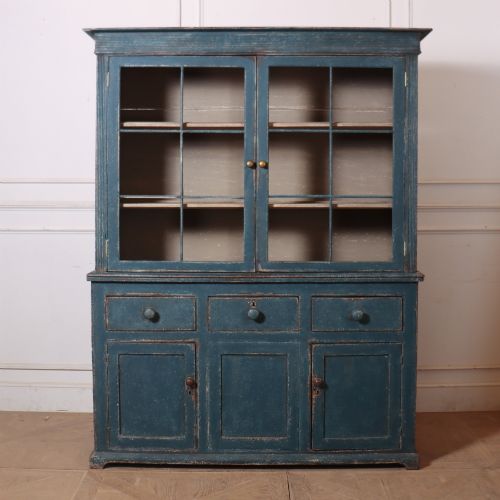
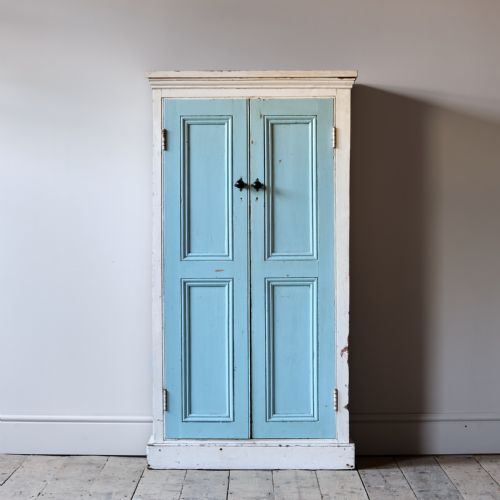
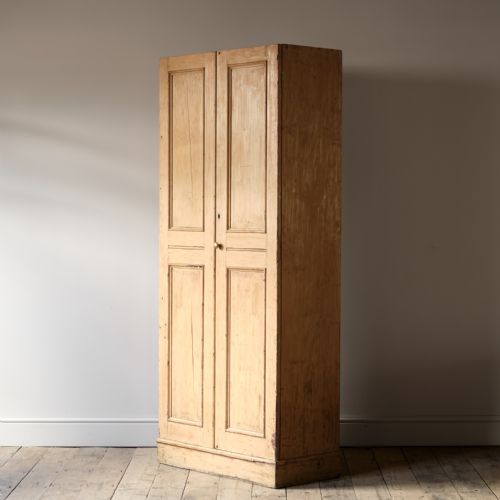
A rustic pine larder cupboard serves as a substantial storage piece for food and household goods, rooted in practical domestic history. When searching for a rustic pine larder cupboard, buyers encounter forms ranging from tall narrow units to multi-door cabinets and housekeepers' cupboards.
The selections span periods from the eighteenth century through the Georgian, Victorian, and Edwardian eras, extending into nineteen-ten and nineteen-twenty. Origins vary across English, French provincial, Scandinavian, and Hungarian traditions, bringing diverse regional character to the kitchen.
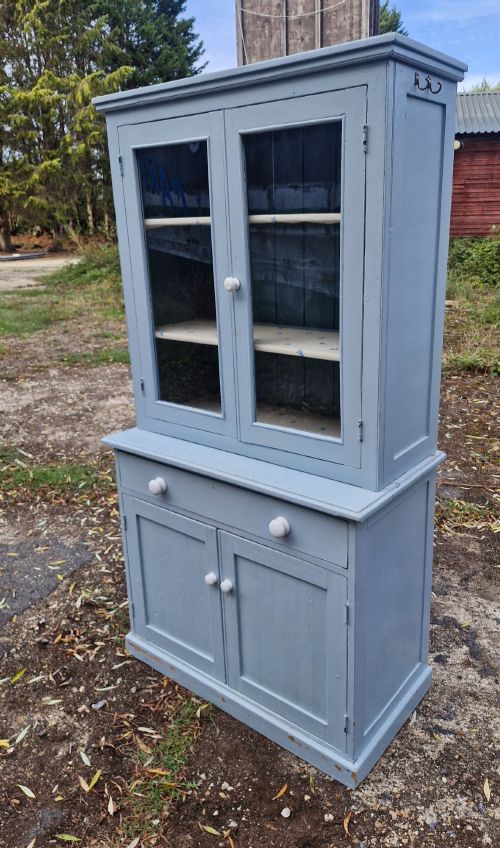
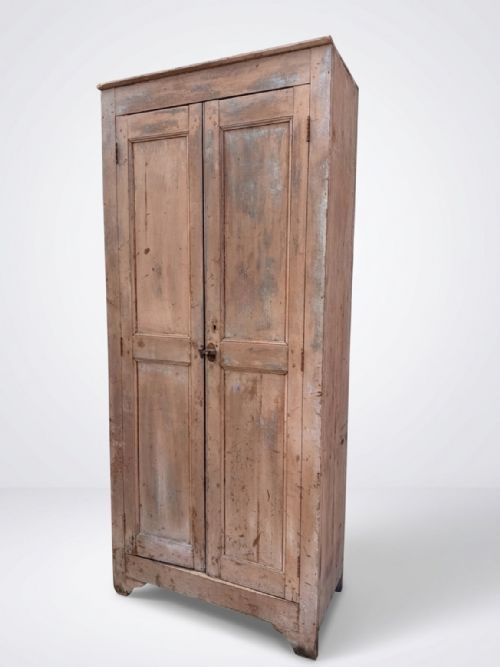
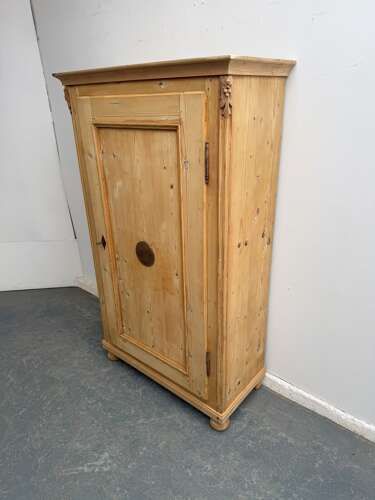
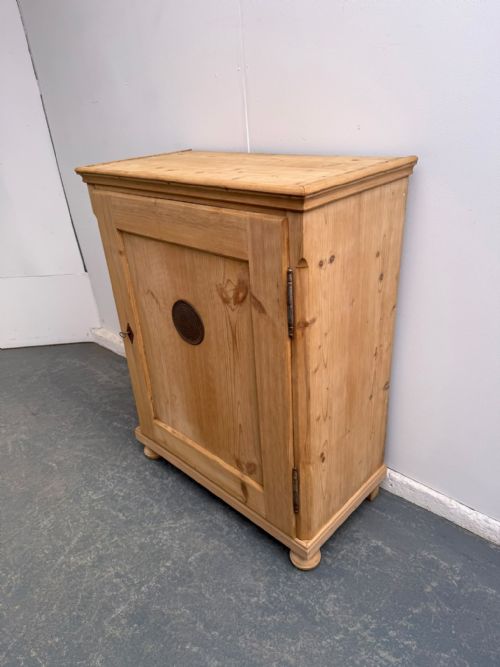
Many examples arrive in bare pine ready to wax or paint, while others feature original paint finishes in cream or grey. These pieces often overlap with kitchen dressers, food cupboards, and school cabinets, reflecting their adaptable utility in the home.
How they were made
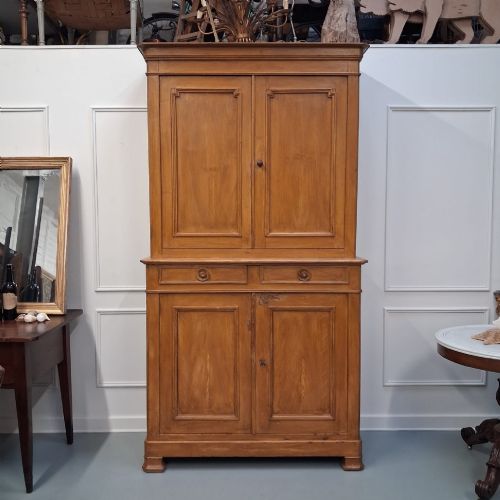
Construction relies heavily on solid pine timbers, selected for availability and durability in domestic furniture. Joinery techniques include beaded panels, fielded doors, and two-part configurations designed to ease transport and placement in the home.
Hardware incorporates iron and brass hinges, latches, and pulls, which secure doors on storage cupboards and food cabinets. Surfaces are finished with wax or left in historical paint, while specific variants incorporate glass panels for display or wire venting for food preservation.
Materials recorded across the selection include pine, iron, brass, glass, and painted wood finishes.
What varies in quality
Quality rests in the integrity of the pine construction and the proportion of the carcass, whether built as a tall corner cabinet, a shallow vented unit, or a wide storage piece. Well-proportioned mouldings and balanced door configurations distinguish finer cabinet work from utilitarian boxes.
The survival of original surfaces, such as early paint layers or aged wax patination, elevates the character of a piece. Thoughtful interior fittings, including adjustable shelving and fitted storage, separate standard cupboards from more accomplished examples.
The Rustic Pine Larder Cupboard Glossary
- Fielded
- A panel with bevelled edges that fit into a grooved frame, adding depth and structural stability to cupboard doors.
- Vented
- Fitted with pierced or mesh panels to allow air circulation, traditionally used in food cupboards and larder units to keep provisions fresh.
- Housekeeper's cupboard
- A large storage piece, typically featuring upper cupboards and lower drawers or doors, used for storing linens and dry goods.
- Bread and cheese cupboard
- A traditional regional food cupboard designed with ventilated sections specifically for storing dairy and bakery items.
- Waxed
- Treated with a protective finish that nourishes the timber and develops a soft sheen over the pine grain with age.
Rustic Pine Larder Cupboard: Frequently Asked Questions
What is a rustic pine larder cupboard used for?
These cupboards were originally built to store food, dry goods, and kitchen provisions in domestic settings.
Today, they serve equally well in modern kitchens or dining rooms for organising tableware, dry ingredients, and household items.
How do I care for a waxed pine cupboard?
Maintain the wood by applying a quality beeswax periodically to nourish the dry timber and protect the surface.
Keep the cupboard away from direct heat sources and excessive moisture to prevent warping of the pine panels.
Are these cupboards one piece or two?
Construction varies between single-piece carcases and two-part models designed for easier transport and positioning.
Larger housekeepers' cupboards and tall dressers frequently break down into sections for installation in homes with low ceilings.
How do I date an antique pine cupboard?
Dating relies on examining construction methods, timber thickness, hardware types, and regional stylistic cues from periods like the Georgian and Victorian eras.
Original paint layers and surface wear also offer clear indicators of age and historical use.