




Swedish Neoclassical Furniture
Swedish neoclassical furniture brings restrained elegance to an interior through crisp carved lines and light painted surfaces.
Swedish Neoclassical Furniture
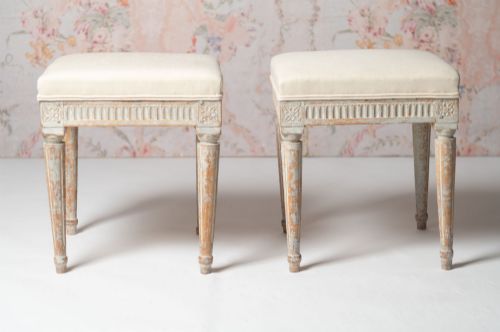
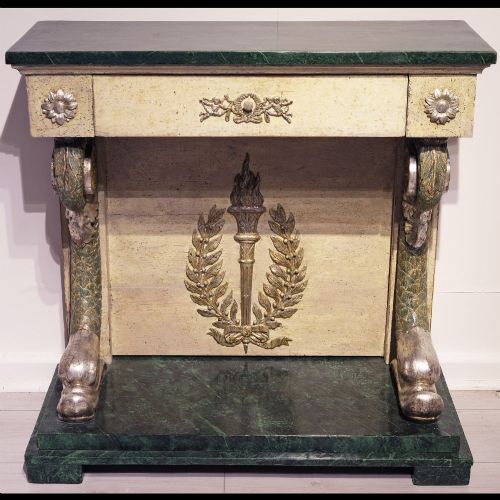
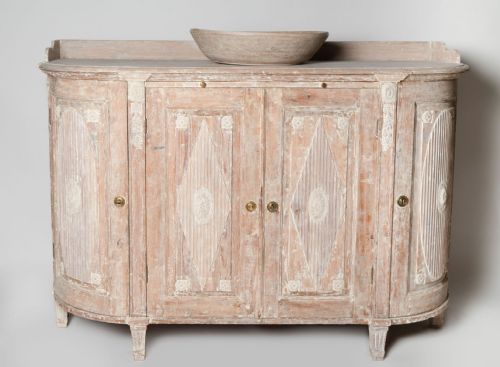
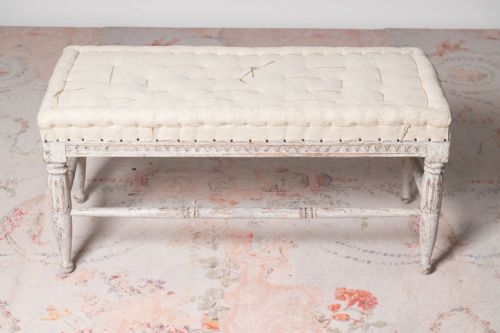
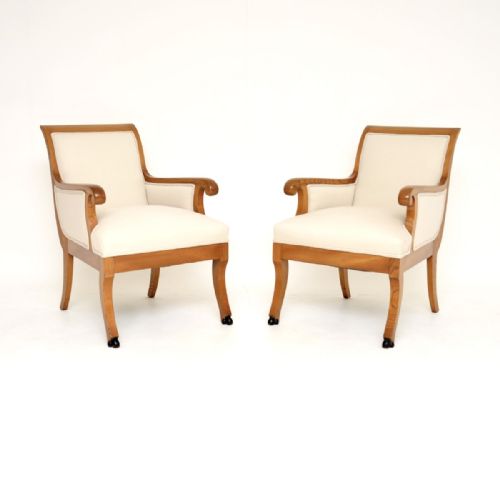
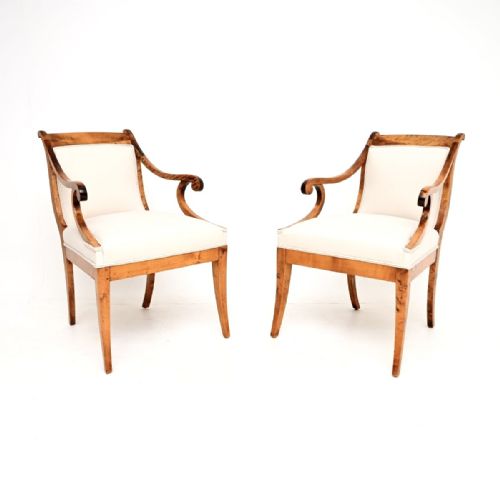
When you search for swedish neoclassical furniture, you encounter items designed during the eighteenth century and subsequent revival periods. These pieces include chests of drawers, armchairs, consoles, and stools shaped by classicism.
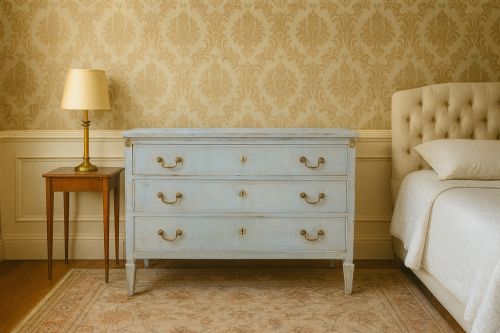
The Gustavian style predominates among the listings, offering pale painted wood finishes and measured proportions. Alongside these, you find examples influenced by the Swedish Empire and Karl Johan periods.
Makers and workshops across Sweden produced storage and seating solutions in pine, birch, and oak. Surviving examples range from eighteenth-century originals to later nineteenth and early twentieth-century interpretations.
Materials and Methods
Makers utilised native softwoods and hardwoods, working extensively with painted pine, satin birch, and solid elm. Surfaces often received layers of pale paint or clear polish to highlight the grain of birch and mahogany.
Decorative details rely on carved woodwork, sometimes enhanced with gilt or brass mounts. Upholstered seating incorporates traditional fabric coverings fitted to armchairs, stools, and sofas.
Listings feature items from the eighteenth century up to the nineteen-thirties, spanning Gustavian, Empire, and Biedermeier styles.
Assessing Craftsmanship
Quality rests in the crispness of the carved ornamentation and the integrity of the underlying timber frame. Finer examples display precise joinery in drawer construction and balanced proportions across commodes and consoles.
The preservation of original painted surfaces significantly influences the character of painted items. Secondary woods and structural stability also distinguish standard production from exceptional cabinet work.
Sandberg and Co
The Swedish Neoclassical Furniture Glossary
- Gustavian
- The Swedish neoclassical style developed during the reign of Gustav III. It adapts French Louis XVI motifs into simpler, more restrained domestic forms.
- Commode
- A low chest of drawers designed for domestic storage. These frequently feature marble tops or shaped fronts within Swedish interiors.
- Satin Birch
- A pale hardwood native to northern Europe. Cabinet makers prized it for its distinctive figure when polished on case furniture.
- Karl Johan
- The Scandinavian Empire style named after King Charles XIV John. It bridges neoclassical severity and early Victorian comfort.
- Console Table
- A wall-mounted or freestanding table designed to stand against a vertical surface. They often accompany matching mirrors in neoclassical rooms.
Swedish Neoclassical Furniture: Frequently Asked Questions
What is Gustavian style furniture?
Gustavian pieces represent the Swedish interpretation of neoclassical design from the late eighteenth century. They emphasise light colours, symmetry, and restrained classical ornamentation.
Craftsmen adapted French court styles into functional furniture suited to Nordic light and interiors.
How do I identify birch furniture?
Birch displays a pale, fine-grained surface that takes polish or paint evenly. Satin birch exhibits a shimmering figure when light strikes the polished wood.
Makers frequently used this timber for chests of drawers, commodes, and seating frames.
Where were these pieces used?
These items furnished townhouses and country estates across Sweden. Seating, tables, and cabinets served formal reception rooms as well as private chambers.
Console tables and mirrors typically stood in entrance halls or between tall windows.
How do I care for painted wood?
Painted surfaces require gentle dusting with a dry, soft cloth to prevent abrasion. Avoid harsh chemical cleaners that can soften historical paint layers.
Keep pieces away from direct sunlight and steady moisture to protect the timber underneath.
What distinguishes Empire Revival pieces?
Empire revival items date from the nineteenth or early twentieth century while copying earlier monumental designs. They utilise darker woods, brass mounts, and bolder proportions.
These later interpretations capture the grandeur of the original Napoleonic and Karl Johan periods.