




Swedish Gustavian Commode
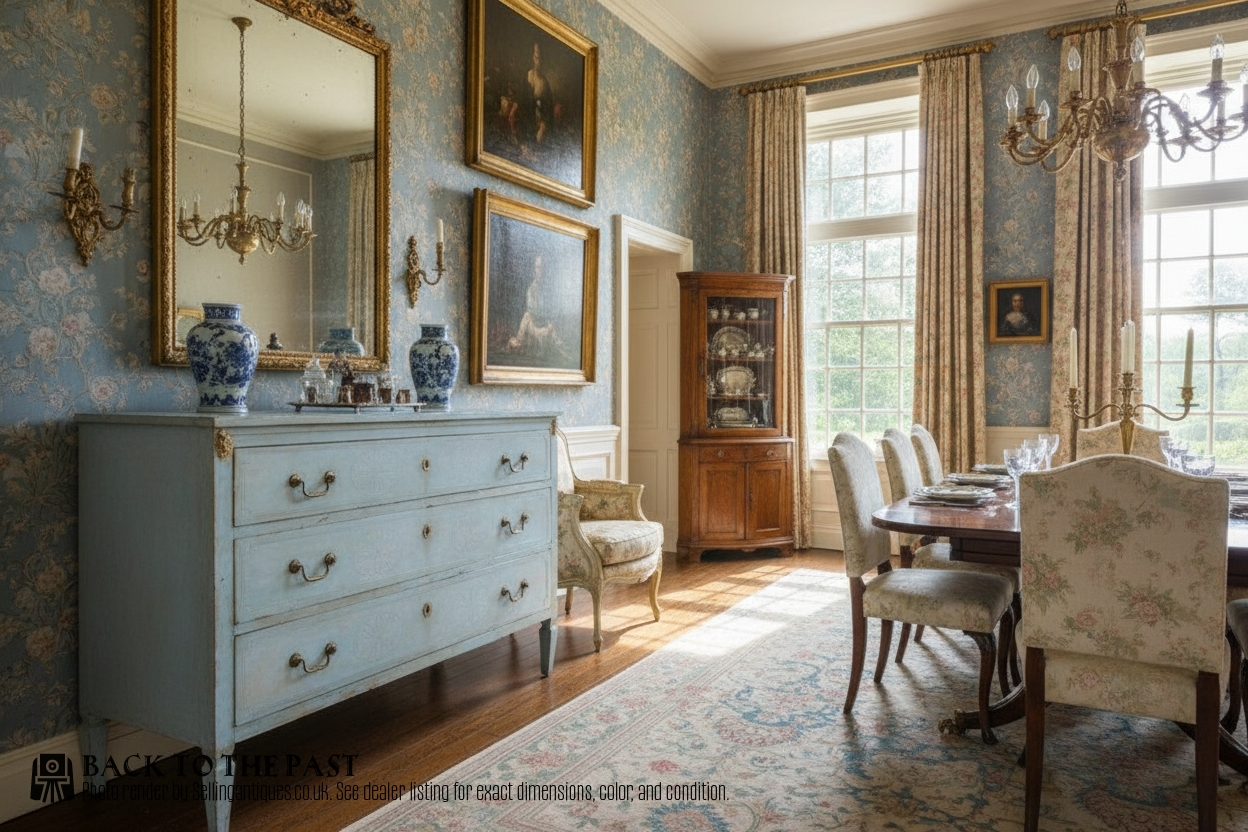
A swedish gustavian commode brings restrained elegance and practical storage to a room through balanced neoclassical proportions and pale painted finishes.
Swedish Gustavian Commode
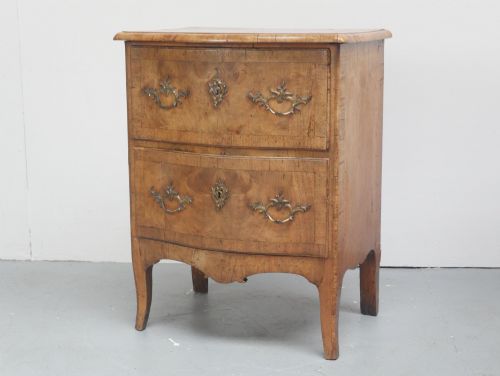
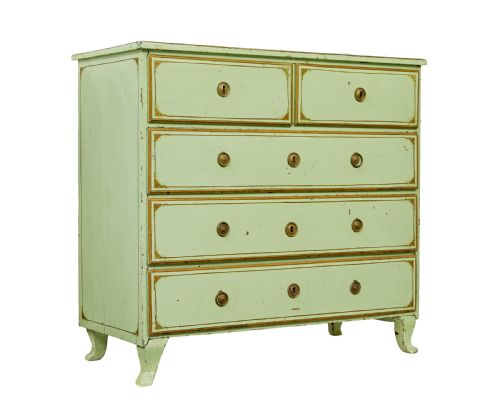
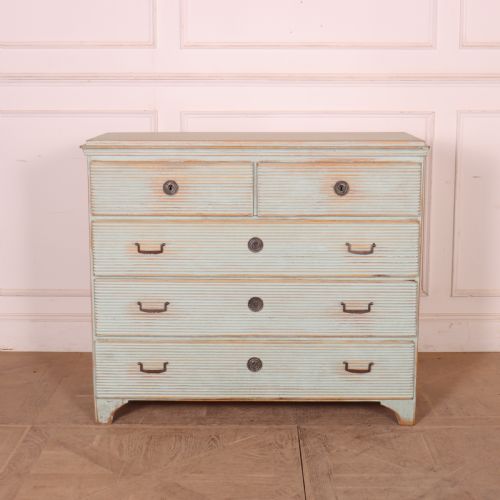
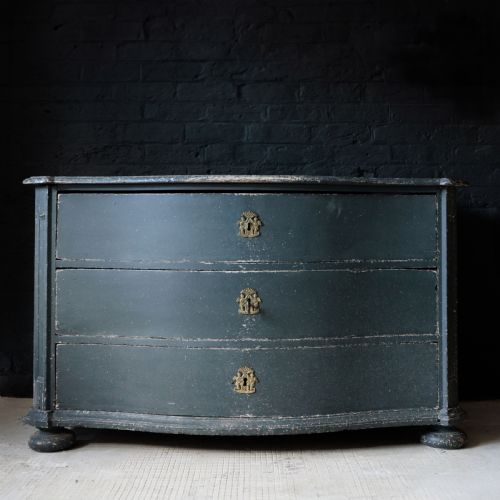
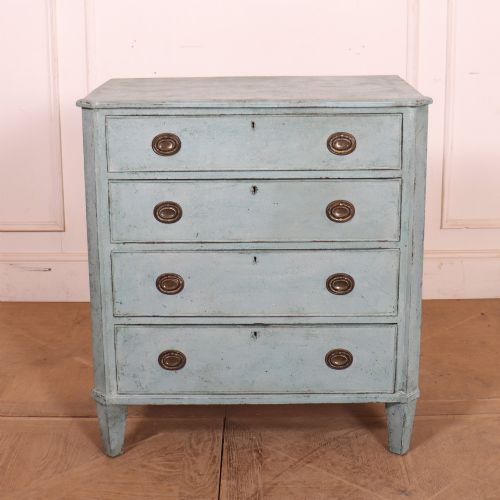
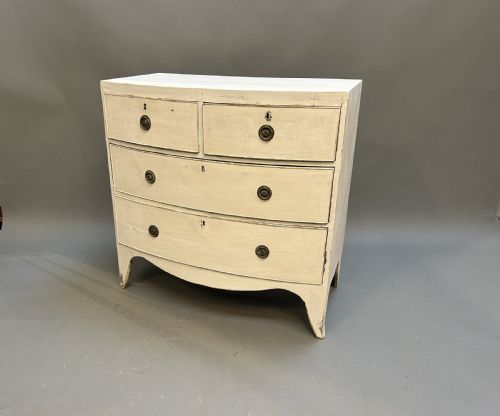
When you search for a swedish gustavian commode, you encounter sophisticated case pieces primarily originating from the eighteenth and nineteenth centuries. These items generally take the form of chests of drawers featuring distinct serpentine fronts, fluted drawer fronts, or restrained neoclassical detailing.
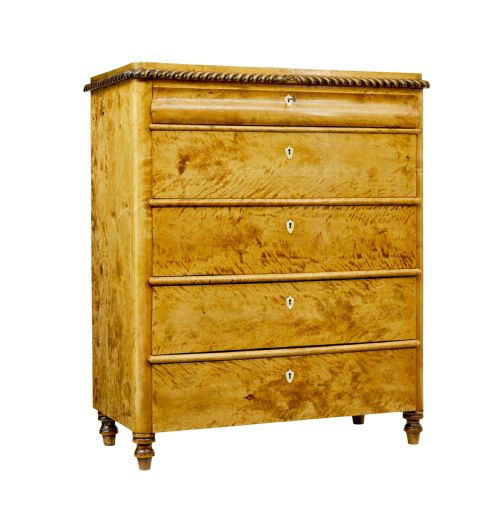
While some examples date back to the mid-eighteenth century, the nineteenth-century variants are most frequently encountered on this page. These pieces often present as either painted pine, solid birch, or oak, occasionally enhanced by faux marble tops.
The aesthetic bridges formal continental design with Scandinavian simplicity, resulting in clean lines and functional storage capacity. Pairs and single chests alike display the characteristic restrained ornament associated with the Gustavian taste.
Materials and Construction
Cabinetmakers constructed these chests using native timbers such as pine, birch, and oak as the primary carcasing materials. Carved details and applied mouldings were frequently worked directly into the solid wood before finishing.
Surfaces were traditionally treated with layers of paint, often in muted tones, or left as polished flame birch. Hardware typically consists of brass handles and escutcheons that accent the painted or natural wood grain.
Swedish Gustavian Commode Retail Price Guide 2026
Typical asking prices for swedish gustavian commode among the pieces listed under this phrase on Sellingantiques today, from the lower quarter to the upper quarter. They describe what is for sale here now, not the wider market.
The listings span from eighteenth-century oak and pine examples through to nineteenth-century birch and painted finishes.
Assessing Quality and Execution
The refinement of the carving and the subtlety of the painted surface dictate the visual standing of an individual piece. Crisp fluting on drawer fronts and well-proportioned serpentine curves reflect superior workshop execution.
The integrity of the original timber structure and the preservation of early paint surfaces heavily influence the character of the piece. Subtle variations in hardware quality and secondary wood selection also distinguish workshop output.
The Swedish Gustavian Commode Glossary
- Serpentine
- A front contour characterised by a convex central section flanked by concave curves, or vice versa. This shaping requires considerable cabinetmaking skill to execute smoothly across multiple drawers.
- Gustavian
- The Swedish neoclassical style spanning the late eighteenth century, defined by restraint, symmetry, and classical motifs derived from French and Italian design. It favours lighter colours and simpler lines than its continental counterparts.
- Caddy top
- A raised or stepped table top profile with moulded edges, commonly found on case furniture of the eighteenth and nineteenth centuries. This edge treatment adds visual weight and definition to the upper surface.
- Flame birch
- Timber cut to accentuate the rippled, undulating grain pattern resembling flickering flames. It was prized in Scandinavian furniture for decorative veneering and solid drawer fronts.
- Faux marble
- A painted surface treatment designed to imitate the veining and coloration of natural stone. Artisans applied this technique to wood tops to provide a decorative finish without the weight of actual stone.
Swedish Gustavian Commode: Frequently Asked Questions
How do I date a painted commode?
Dating relies on examining the underlying construction techniques, timber species, and paint layers present on the carcass. Eighteenth-century pieces often display hand-cut joinery and early pigment compositions, whereas later nineteenth-century examples incorporate machine-sawn components and distinct regional palettes.
Clues also emerge from hardware fixings and secondary woods hidden inside the drawers. Comparing these structural traits against documented stylistic periods helps establish a reliable timeline of manufacture.
Are these chests suitable for daily bedroom use?
These pieces provide deep, practical drawer volumes well suited for contemporary clothing and linen storage. The sturdy construction of pine and birch carcases ensures they withstand regular handling in domestic spaces.
Care should be taken to protect painted or polished surfaces from excessive moisture and direct heat. Using felt pads under objects placed on the top helps preserve the historic finish.
What is the difference between Gustavian and Baroque styles?
Gustavian design emerged later in the eighteenth century, embracing neoclassical symmetry, clean lines, and restrained ornament. Baroque pieces, by contrast, exhibit heavier proportions, exuberant carving, and dramatic architectural curves.
While Gustavian commodes lean towards pale paintwork and subtle fluting, earlier Baroque revivals showcase darker oak surfaces and more assertive, sculptural details.
How should I maintain a painted pine surface?
Historic painted finishes require gentle cleaning with a dry or lightly damp cloth, avoiding harsh chemical solvents. Regular dusting prevents particulate buildup that can dull the muted tones over time.
Maintaining stable room humidity prevents the underlying pine or birch from shifting, which protects both the wood movement and the fragile paint layers.