





Gustavian Style Bureau
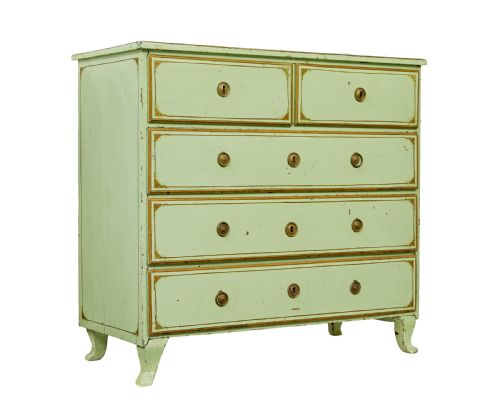
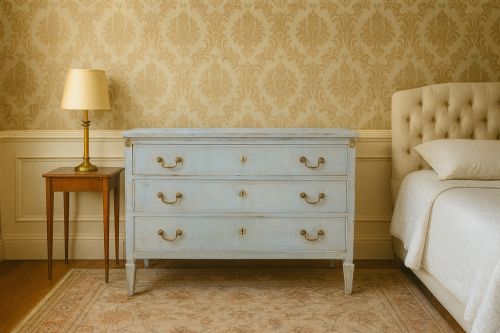
These gustavian style bureau pieces and related Swedish furniture bring pale painted surfaces and classic Scandinavian proportions directly into a room.
Gustavian Style Bureau
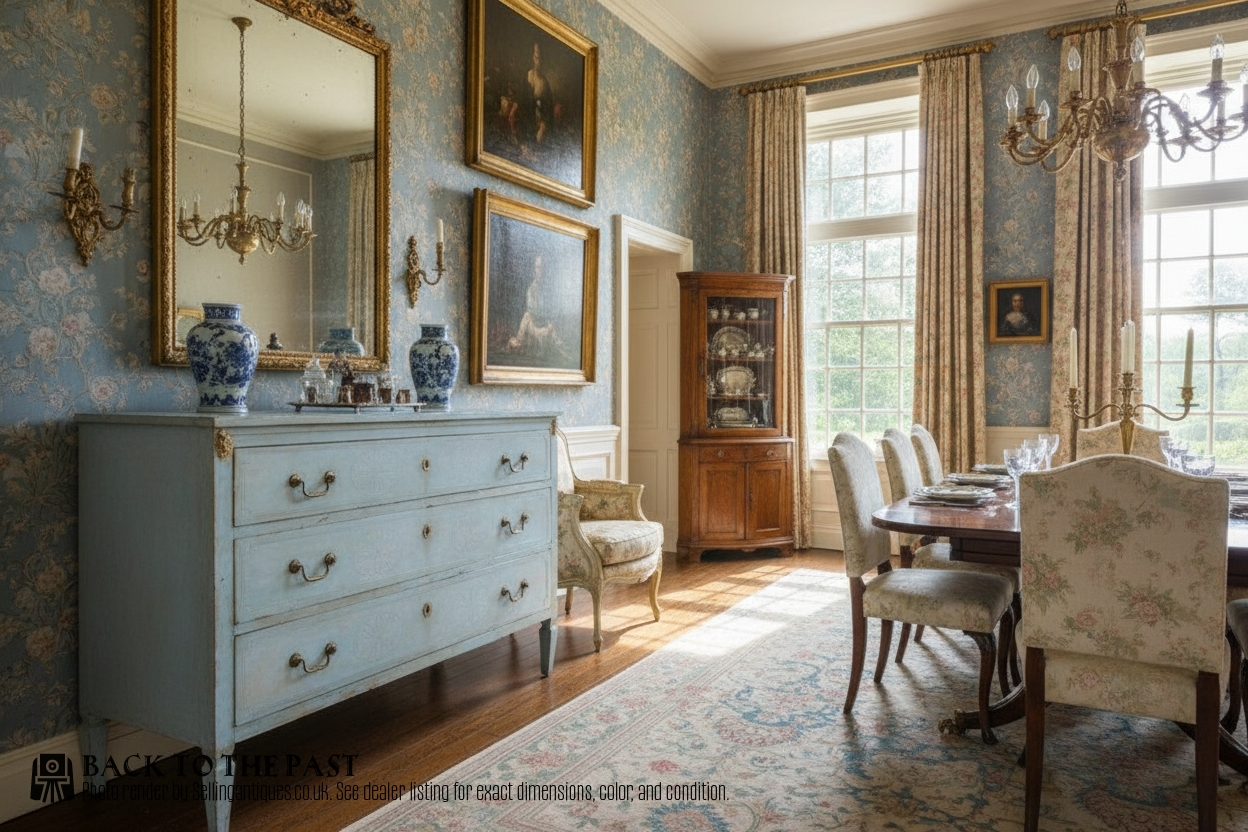
When you search for a gustavian style bureau, you are looking at items that span the eighteenth and nineteenth centuries, originating mostly from Sweden and Denmark. The selection on this page leans heavily towards painted pine chests of drawers, writing desks, and tall bureau cabinets.
How they were made
Cabinetmakers constructed these forms using native timbers such as pine and softwood, frequently applying decorative paint finishes to imitate costlier materials. Birch and satin birch veneer also appear, particularly on writing surfaces and drawer fronts.
Hardware details rely on brass fittings, while structural construction relies on traditional joinery suited for solid woods and applied veneers. Painted surfaces often show layered finishes built up over decades of use.
Gustavian Style Bureau Retail Price Guide 2026
Typical asking prices for gustavian style bureau among the pieces listed under this phrase on Sellingantiques today, from the lower quarter to the upper quarter. They describe what is for sale here now, not the wider market.
Secret compartments inside nineteenth-century writing desks often hide tiny drawers built just wide enough for love letters.
What varies in quality
Quality rests on the crispness of neoclassical carving and the retention of original painted surfaces rather than later overpainting. Finer examples display balanced proportions and sophisticated hardware integration.
The choice of timber creates a distinct hierarchy, where figured birch veneer and solid cabinet-grade pine command greater attention than utilitarian softwood constructions. Surface patination and the integrity of bureau interiors further distinguish standard pieces from superior ones.
The Gustavian Style Bureau Glossary
- Gustavian
- The Swedish neoclassical style spanning the late eighteenth century, characterised by restrained classical ornamentation and pale painted finishes. It draws inspiration from French Louis XVI design.
- Escritoire
- A tall writing cabinet featuring a fall-front desk flap concealing pigeonholes and small drawers. This form provides compact workspace combined with vertical storage.
- Commode
- A low chest of drawers originating in France and widely adopted across Scandinavia during the eighteenth and nineteenth centuries. They often stand on tapered neoclassical legs.
- Caddy top
- A raised, stepped moulding profile running along the top edge of a chest of drawers or cabinet. It adds a defined architectural boundary to the piece.
Gustavian Style Bureau: Frequently Asked Questions
What is a gustavian style bureau?
A gustavian style bureau is a Scandinavian writing desk or cabinet that incorporates the pale painted finishes and restrained neoclassical motifs popularised in late eighteenth-century Sweden.
These items range from fall-front writing desks to elaborate bureau bookcases designed for both domestic administration and formal display.
How do I care for painted furniture?
Painted Scandinavian furniture requires a stable indoor climate away from direct sunlight and excessive heat sources to protect the historic paint layers.
Dust regularly with a dry, soft cloth and avoid modern chemical polishes that can soften traditional oil or distemper paint finishes.
Are these pieces strictly eighteenth century?
While the Gustavian aesthetic originated in the late eighteenth century during the reign of Gustav III, many surviving examples date from the nineteenth century.
Craftsmen continued to produce pieces in Scandinavian country and revival styles well into the eighteen-fifties and beyond.
Where were these desks made?
The pieces listed here originate primarily from Sweden, with occasional examples hailing from Denmark.
Regional workshops and cabinetmakers adapted continental European styles, particularly French neoclassicism and German Biedermeier, into distinct Scandinavian forms.