

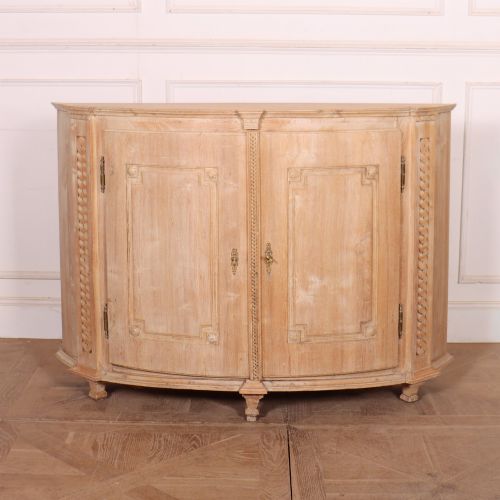
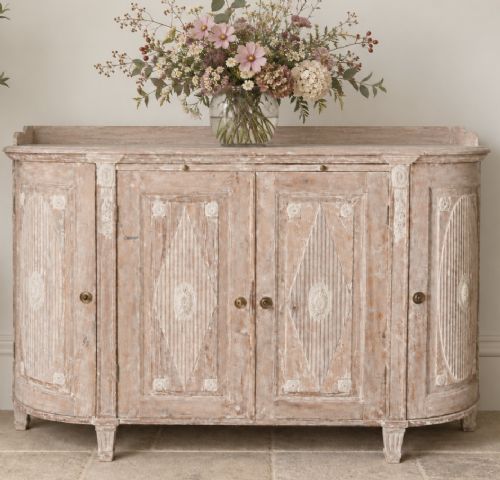
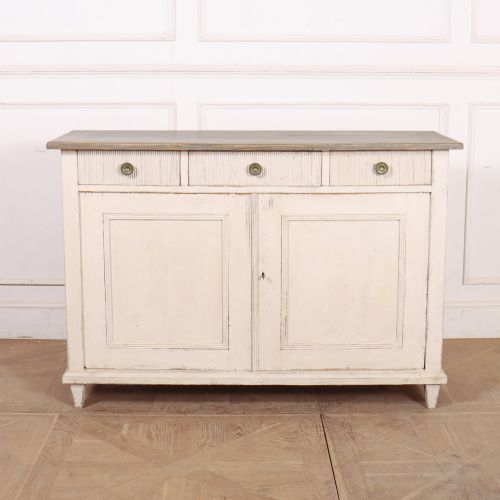


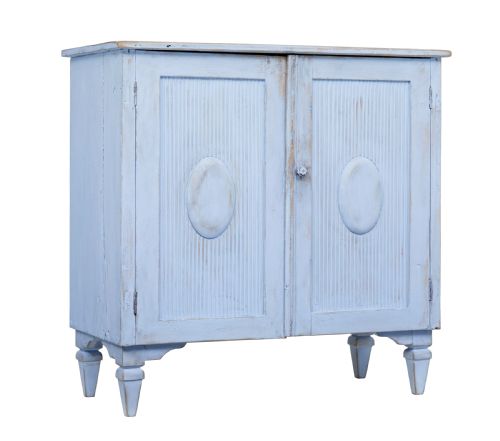
Swedish Country Credenza
These pieces sold as a swedish country credenza are robust painted pine cupboards and buffets that bring rustic Scandinavian character to a room.
Swedish Country Credenza
When you search for a swedish country credenza, you encounter nineteenth-century painted cupboards, sideboards, and linen cupboards originating from Scandinavia. These storage pieces range from bowfront buffets to rustic kitchen cupboards.
The version you most frequently meet on this page is the nineteenth-century painted pine cupboard, often finished with original scraped paint or ragwork paint. They provide substantial storage while introducing authentic regional style.
Makers and craftsmen built these utility pieces for everyday domestic use during the nineteenth century, employing local softwoods and practical forms. Their enduring appeal lies in this honest, unpretentious functionalism.
How they were made
Carpenters constructed these cupboards primarily using pine and painted softwood, shaping sturdy carcasses designed for daily rural life. Surface finishes played a central role, utilising paint techniques such as ragwork and scraped paint.
Hardware details relied on functional brass and iron fixtures to secure doors and drawers. These simple materials were assembled with straightforward joinery suited to regional Scandinavian workshops.
Swedish Country Credenza Retail Price Guide 2026
Typical asking prices for swedish country credenza among the pieces listed under this phrase on Sellingantiques today, from the lower quarter to the upper quarter. They describe what is for sale here now, not the wider market.
Some nineteenth-century pine cupboards wear their old ragwork paint like a well-loved jumper, refusing to look serious.
What varies in quality
The character of the surface finish dictates much of the distinction between examples, particularly where original scraped paint or decorative ragwork survives intact. Surfaces that retain their authentic historic layers carry significantly more visual depth than later repainted or stripped alternatives.
Structural integrity in the pine carcass and the preservation of original brass or iron hardware also separate utilitarian survivors from finer decorative specimens. Balance in proportion between the upper storage and the lower buffet base defines the most successful forms.
The Swedish Country Credenza Glossary
- Ragwork paint
- A decorative surface finish applied with rags to create a mottled or textured pattern on the wood. This technique adds soft visual movement to nineteenth-century painted pine.
- Scraped paint
- A finish where layers of historic paint are partially scraped back to reveal underlying colours and create a patinated texture. It provides an authentic aged appearance valued by collectors.
- Gustavian
- The Swedish neoclassical style characterised by lighter, restrained ornamentation derived from French models. It influenced nineteenth-century cabinetmaking in Scandinavia.
- Softwood
- Timber derived from conifers such as pine, commonly used for vernacular furniture construction. It accepts paint finishes readily and forms the basis of these regional cupboards.
- Bowfront
- A curved front profile found on certain buffets and sideboards. This shaping softens the rectilinear appearance of utilitarian storage furniture.
Swedish Country Credenza: Frequently Asked Questions
What is a swedish country credenza?
A swedish country credenza refers to nineteenth-century painted pine cupboards, sideboards, and buffets originating from Scandinavia. These utilitarian pieces combine robust storage capacity with decorative regional painted finishes.
They serve as practical storage furniture in modern interiors while introducing authentic rustic character and historic surface texture to a space.
How were these cupboards used originally?
Rural households utilised these pine cupboards for storing household provisions, textiles, and tableware in everyday domestic settings. Their capacious interiors and sturdy construction met the practical storage demands of nineteenth-century life.
Over time, their robust utility allowed them to survive generations of domestic service before being appreciated for their decorative regional aesthetic.
How do I identify a nineteenth-century piece?
Nineteenth-century examples are distinguished by traditional pine construction, hand-applied painted surfaces, and period iron or brass hardware. Examination of the timber and fixings reveals the age and construction methods of the period.
Look for authentic wear patterns in the paint layers, such as original scraped paint or ragwork finishes that develop naturally through decades of use.
How do I live with painted pine?
Living with painted pine involves placing the piece away from direct heat sources and extreme humidity fluctuations to protect the historic wood and paint layers. Gentle cleaning with a dry or slightly damp cloth preserves the delicate patinated surfaces.
These versatile storage pieces function effectively in dining rooms, hallways, and living spaces as statement storage cupboards.
What styles influence these cupboards?
Scandinavian country style forms the primary aesthetic foundation, often incorporating rustic regional traditions alongside elements of Gustavian neoclassical design. Continental painted traditions also occasionally inform the decoration of these pieces.
This blend of local vernacular craftsmanship and refined painted surfaces creates the distinct visual appeal associated with nineteenth-century Swedish furniture.