
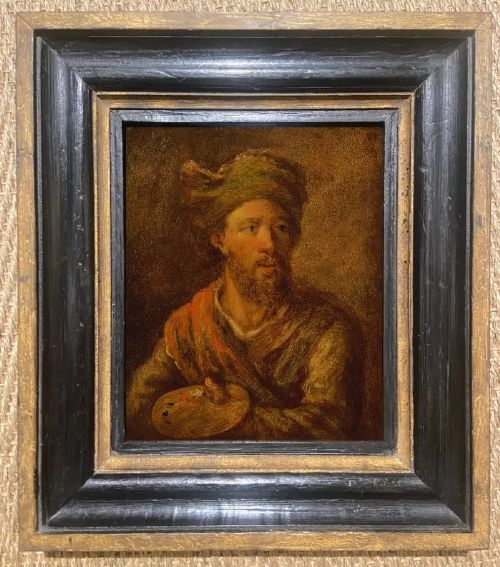
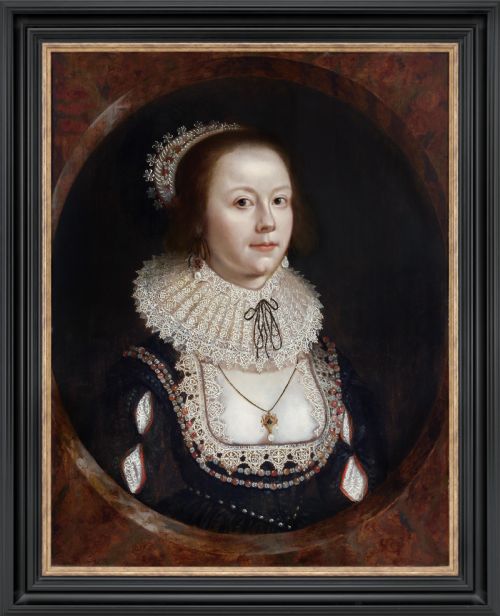
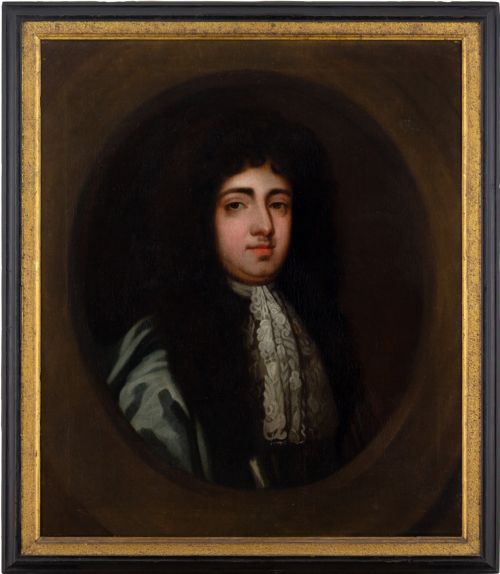


Stuart Period Artwork
Stuart period artwork comprises oil paintings and engravings depicting nobility, royals, and notables through seventeenth-century portraiture.
Stuart Period Artwork
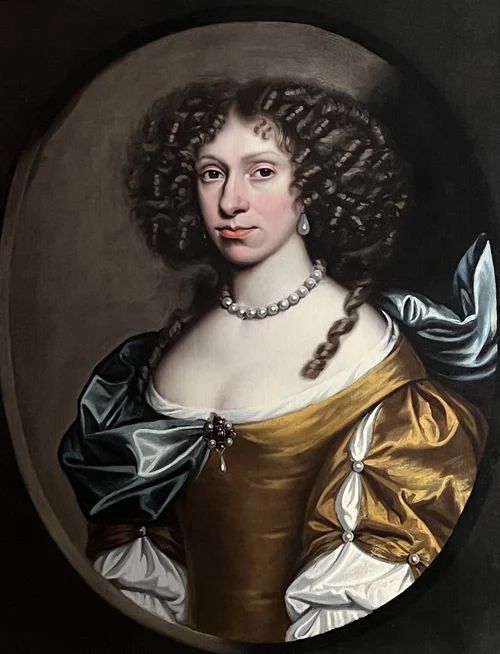
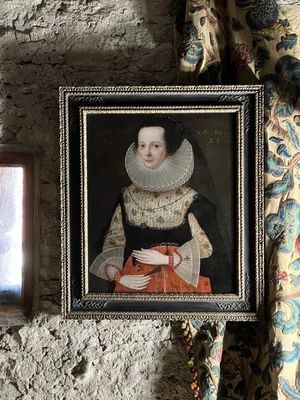
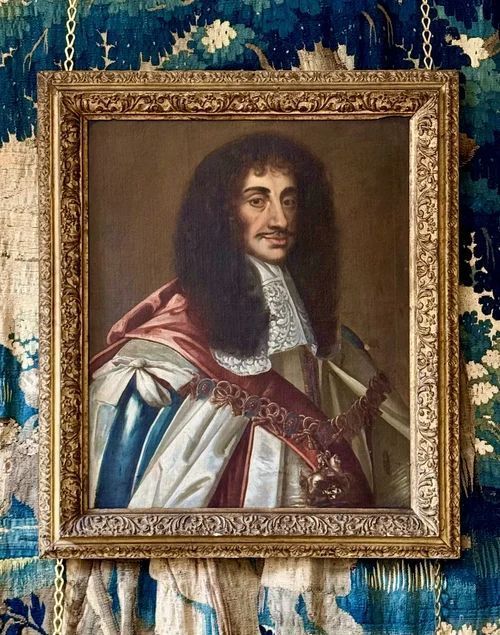
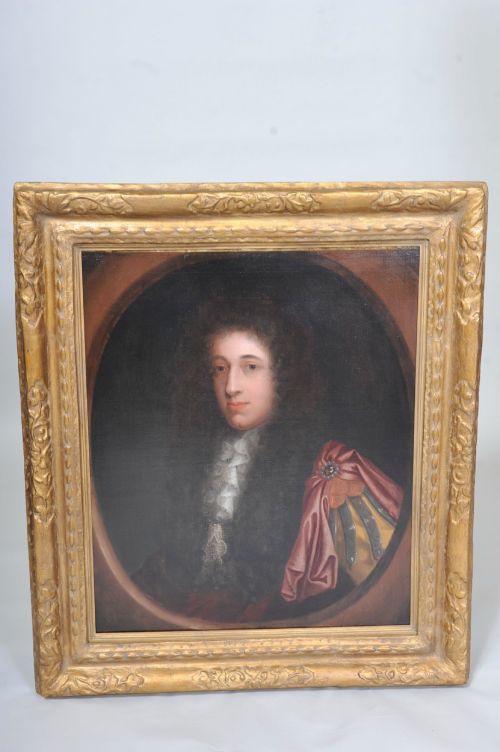
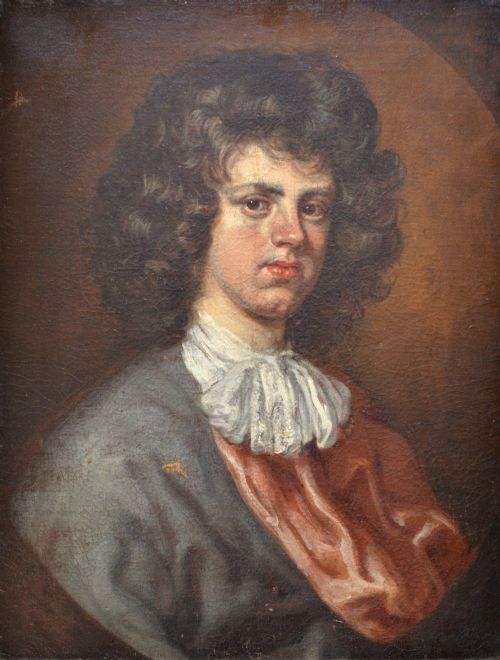
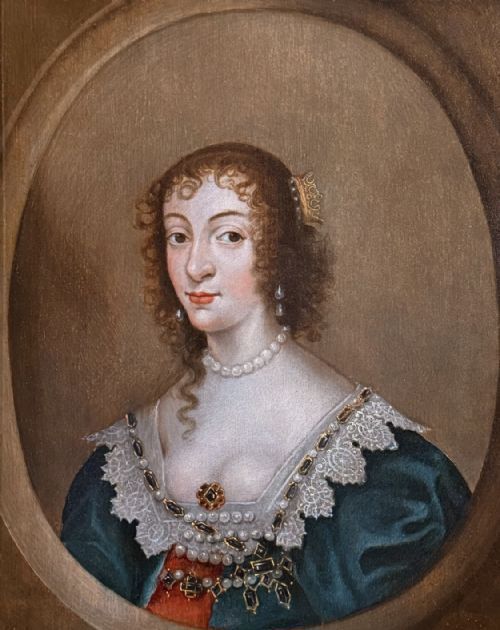
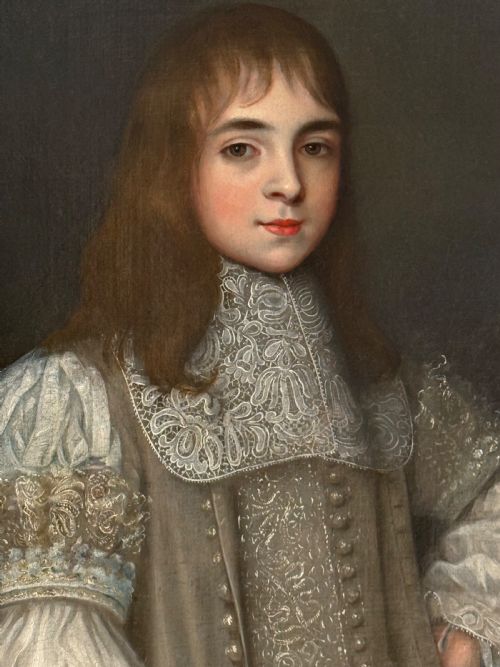
When you search for stuart period artwork, you encounter oil paintings and prints capturing subjects from the seventeenth century and eighteenth century. These works depict notable figures including kings, noblewomen, and gentlemen rendered in distinct regional styles.
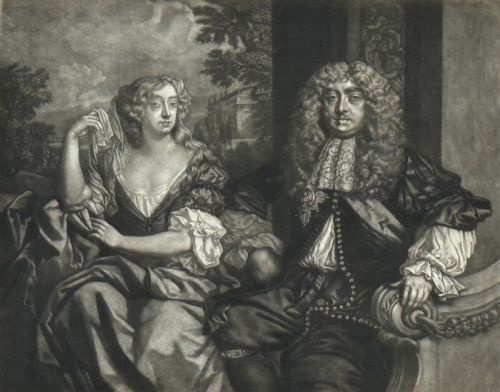
The pieces on this page are predominantly oil paintings on canvas or panel, alongside mezzotint engravings. Portraits of nobility and gentry dominate the selection, reflecting the visual culture of seventeenth century Britain.
Judging quality in these pieces
The distinction between standard studio output and prime examples rests upon the precision of facial rendering and the handling of textiles. Superior works capture individual likeness with nuance in the skin tones and depth in the layered lace and fabrics.
Condition and originality also influence the standing of a piece, particularly the preservation of the original paint surface and the historical integrity of the accompanying giltwood frame.
Stuart Period Artwork Retail Price Guide 2026
Typical asking prices for stuart period artwork among the pieces listed under this phrase on Sellingantiques today, from the lower quarter to the upper quarter. They describe what is for sale here now, not the wider market.
Listings feature works spanning the seventeenth and eighteenth centuries, executed primarily in oil paint on canvas and wood panel.
Sir Peter Lely·Mary Beale·John Michael Wright·Sir Godfrey Kneller·Cornelius Johnson
The Stuart Period Artwork Glossary
- Mezzotint
- A printmaking process where the copper plate is roughened to allow subtle gradations of light and shade. This technique enabled eighteenth-century printmakers to translate oil portraits into tonal prints.
- Giltwood
- Wood carved and coated with gold leaf to create ornate picture frames. These frames give seventeenth-century portraits their characteristic ornamental borders.
- Baroque
- An artistic style of the seventeenth century marked by grand scale, dramatic lighting, and rich detail. Portraits in this manner emphasise theatrical drapery and imposing presence.
- Jacobean
- The early seventeenth-century period spanning the reign of James I, noted for rigid portraiture and flat, linear depictions of costume. Sitters are often shown wearing stiff ruffs and heavy embroidery.
- Restoration
- The era following the return of Charles II in 1660, characterised by more relaxed portrait poses and French-influenced court painting. This period introduced greater fluidity to British art.
Stuart Period Artwork: Frequently Asked Questions
What defines stuart period artwork?
These works are seventeenth-century portraits executed in oil on canvas or panel, depicting monarchs, aristocrats, and notable figures of the era.
The imagery reflects the aesthetic values of British Baroque, Jacobean, and Restoration styles, focusing heavily on human likeness and elaborate dress.
How do I identify a 17th-century portrait?
Look closely at the costume, hairstyle, and painting technique, which typically feature stiff lace ruffs, heavy velvet drapery, or flowing wigs depending on the exact decades.
Attributions to particular schools or circles of painters like Peter Lely or Mary Beale often provide further clues to the origin.
Were these paintings framed originally?
Many portraits retain period frames fashioned from giltwood or wood embellished with gold leaf, designed to complement the grandeur of the canvas.
Original or period-appropriate frames significantly enhance the historical context of seventeenth-century artworks.
How should I care for an old oil painting?
Keep oil paintings away from direct sunlight and dramatic fluctuations in room temperature and humidity to prevent cracking in the paint and canvas.
Dust the surface gently with a soft, dry brush and avoid using chemical cleaning agents on the fragile oil layers.