


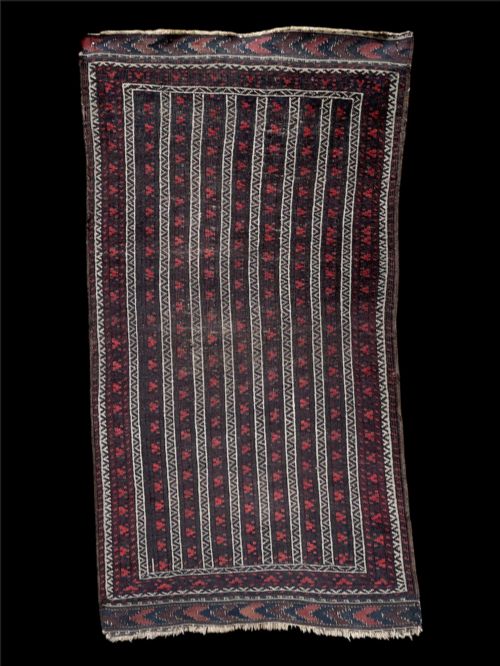


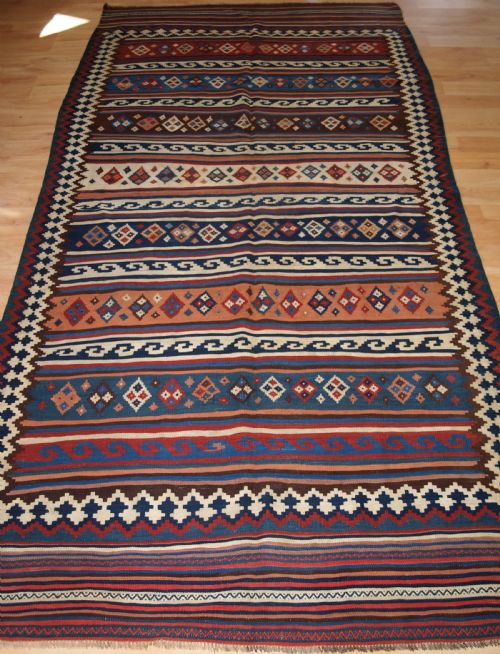


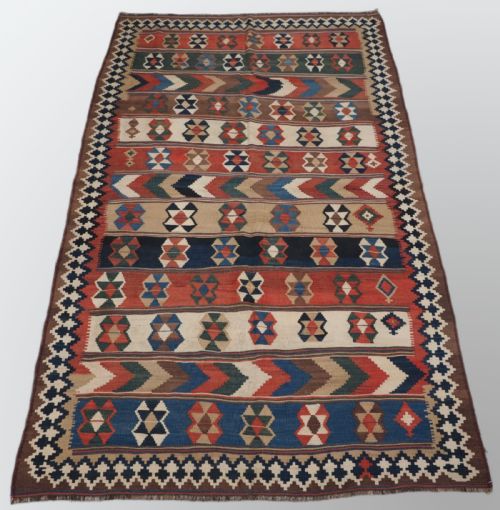
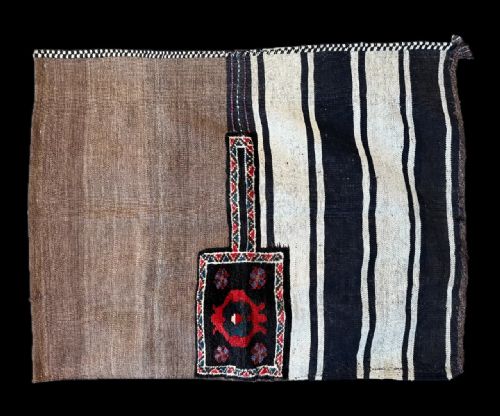


Striped Persian Rug
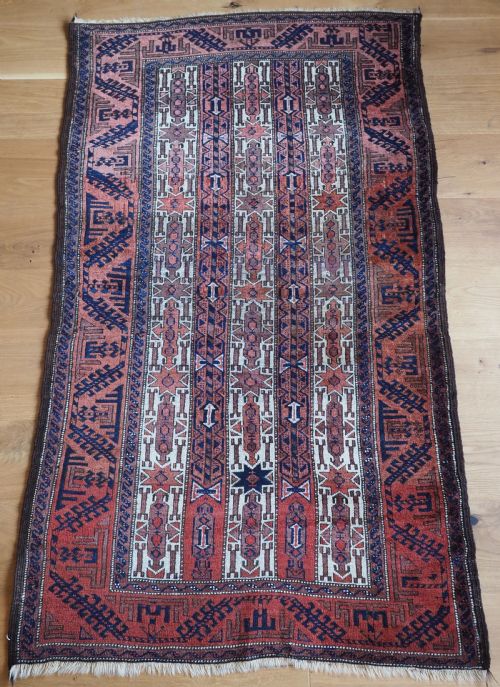
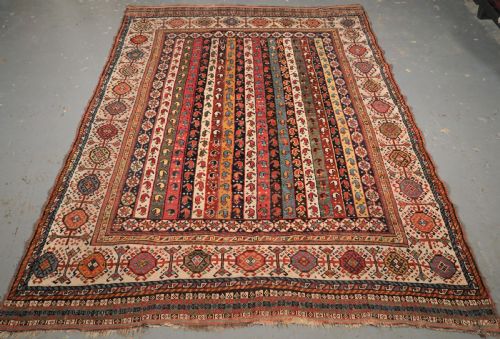
A striped persian rug brings strong tribal character into a room through bold bands of colour woven by nomadic hands.
Striped Persian Rug
When you search for a striped persian rug, you encounter tribal textiles from various regions and groups across Persia. These pieces include runners, flat weaves, kilims, and utilitarian items such as wheat sacks and sofreh cloths.
The most common formats on this page feature banded and striped designs created by tribal weavers from groups such as the Qashqai, Baluch, Kurdish, and Bakhtiari. Many examples date from the nineteenth and early twentieth centuries, reflecting traditional village and nomadic craftsmanship.
Factors that influence quality
The quality of a piece rests heavily on the fineness of the weave, the tightness of the knotting or flat-weaving structure, and the integrity of the natural materials used. Finer handling of hand-spun wool and cotton foundations produces a more resilient and articulate surface.
Another distinguishing factor is the visual clarity and balance of the striped or banded layout. Strong spatial rhythm and well-preserved borders or edges elevate the piece above standard utilitarian examples.
Striped Persian Rug Retail Price Guide 2026
Typical asking prices for striped persian rug among the pieces listed under this phrase on Sellingantiques today, from the lower quarter to the upper quarter. They describe what is for sale here now, not the wider market.
Materials recorded across the inventory include wool, hand-spun wool, cotton, silk, wood, goat hair, leather, and metal.
The Striped Persian Rug Glossary
- Sofreh
- A utilitarian cloth used for dining, kneading dough, or food preparation. These textiles frequently display banded or striped geometric patterns.
- Jajim
- A type of flat-weave textile often used as a floor spread, wall hanging, or cover. They are typically constructed in narrow strips sewn together.
- Kilim
- A flat-woven carpet or rug produced without a pile. The technique creates sharp geometric patterns and distinct colour bands.
- Tacheh
- A traditional wheat sack or storage bag woven by tribal groups. They double as striking decorative textiles due to their dense banded designs.
Striped Persian Rug: Frequently Asked Questions
How were these rugs used originally?
Nomadic and village groups utilised these textiles for practical domestic purposes. Many served as floor spreads, blankets, animal transport bags, or dining cloths.
Over time, items originally made for storage or daily chores transitioned into decorative objects appreciated for their graphic design and textile artistry.
Where do these striped designs originate?
The striped and banded patterns stem from regional tribal traditions across Persia. Groups such as the Qashqai, Bakhtiari, and Baluch developed distinct visual vocabularies.
Weavers arranged bands of colour using local dyes and available materials, resulting in patterns unique to their specific geographic region and heritage.
How do I care for an antique textile?
Preserving an antique textile involves minimising direct sunlight to protect the natural wool and cotton fibres. Gentle vacuuming without a beater bar helps remove dust.
Professional cleaning tailored to antique rugs ensures the structural integrity remains intact without damaging the historical dyes.
How can I tell the age of a piece?
Age is assessed through the analysis of materials, dye types, and structural wear. Hand-spun wool and specific regional weaving characteristics offer strong chronological clues.
Comparing construction methods with documented historical pieces helps narrow down the period of production, often placing them within the nineteenth or early twentieth century.