
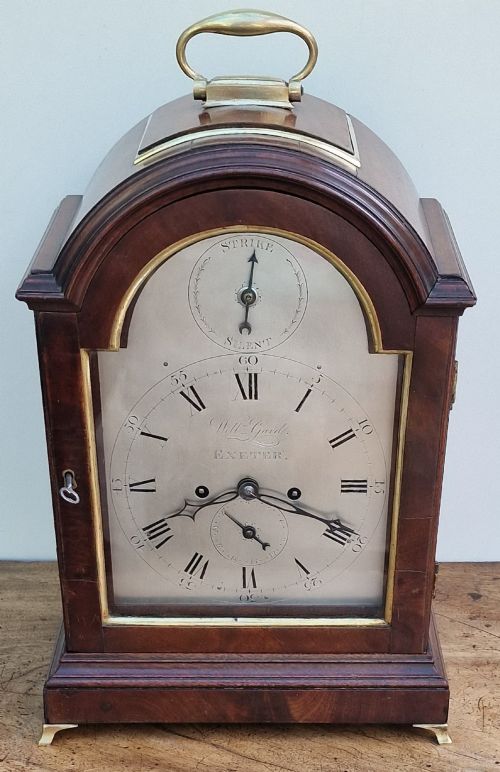
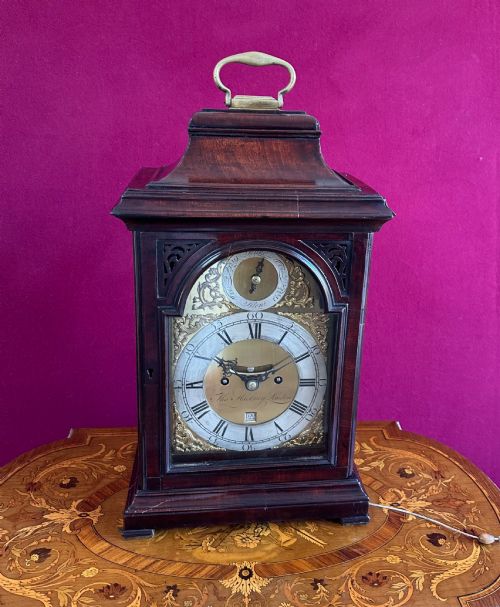
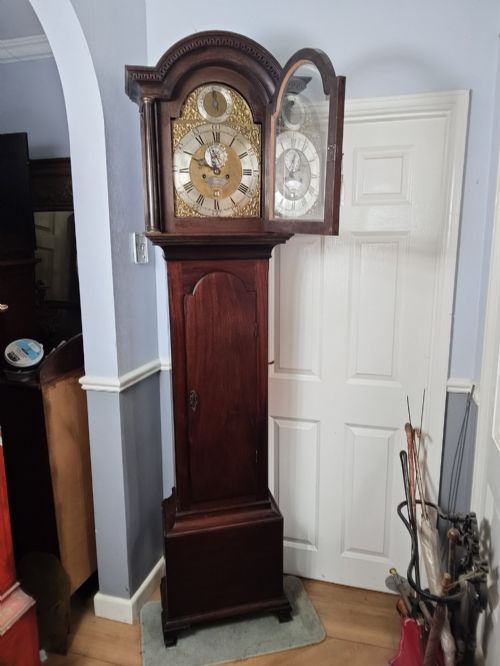

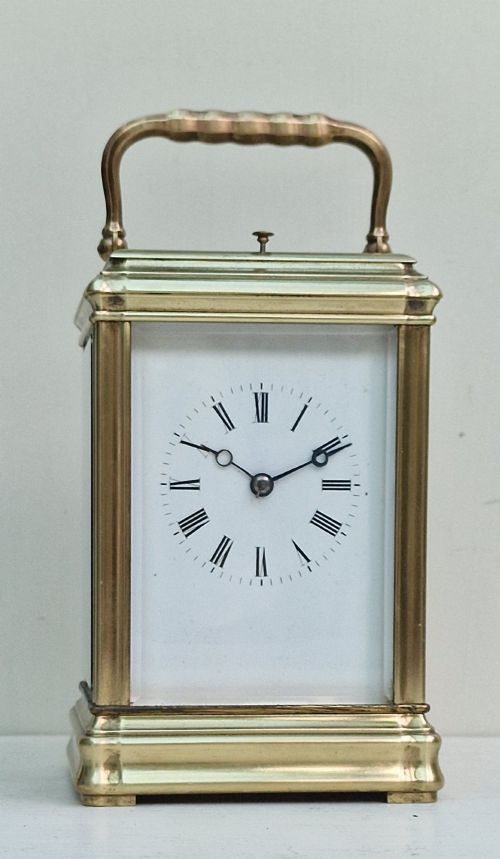
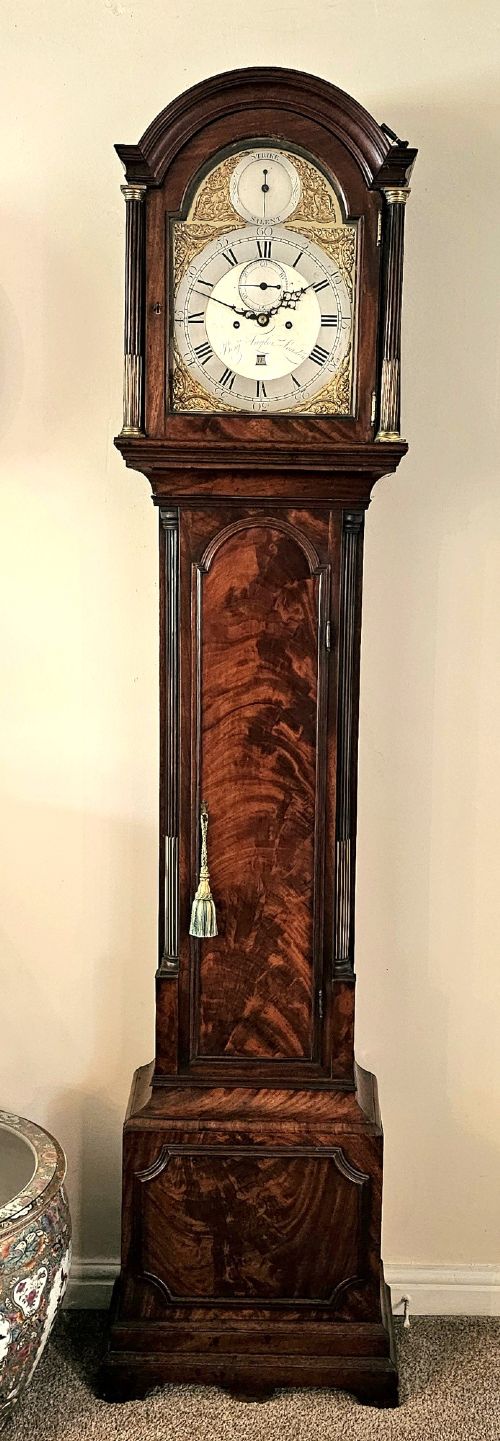
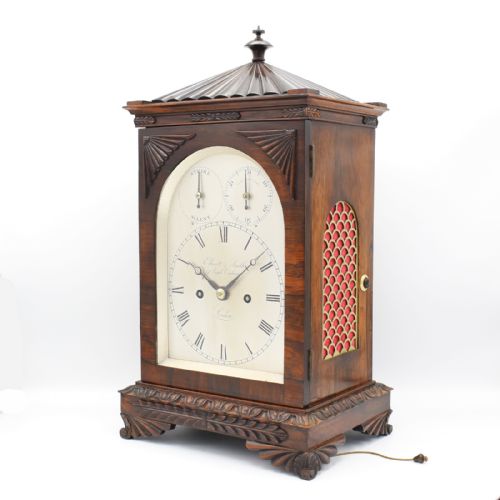

Striking Dial Clock
A striking dial clock combines an audible hour or quarter-hour chime with a prominent face designed to regulate time in domestic, public, or institutional settings.
Striking Dial Clock
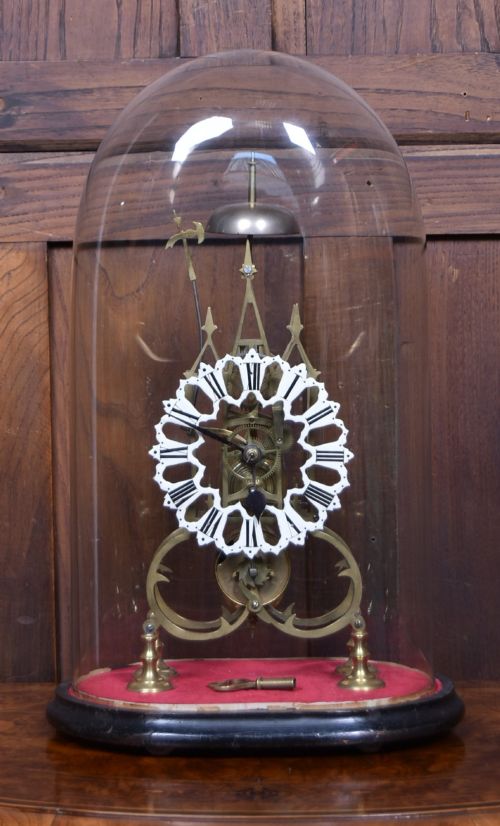
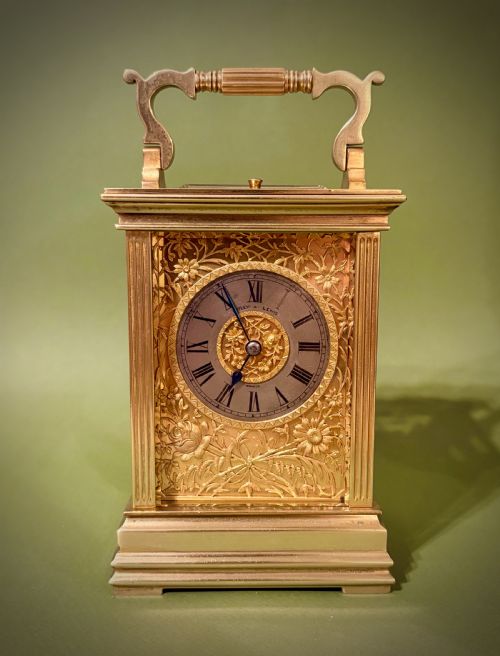
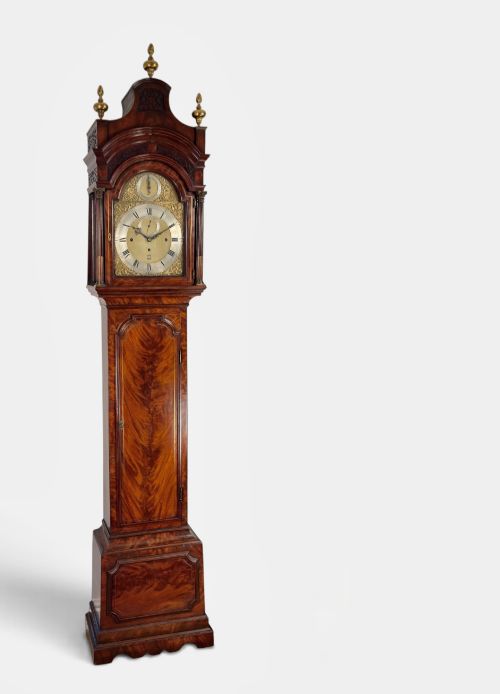
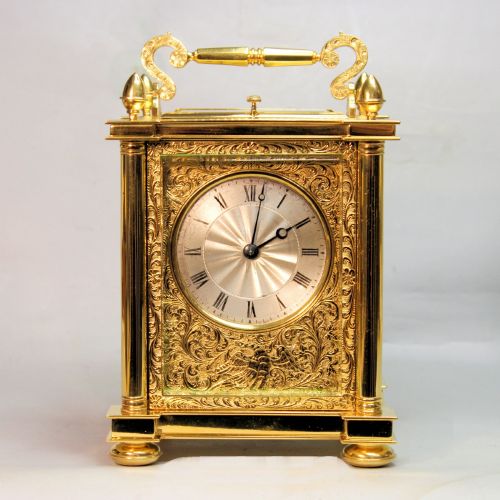
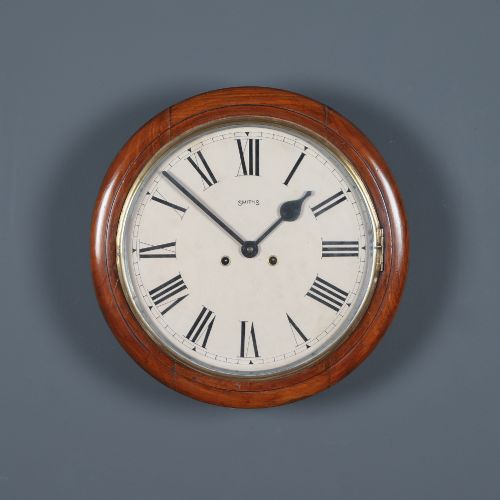
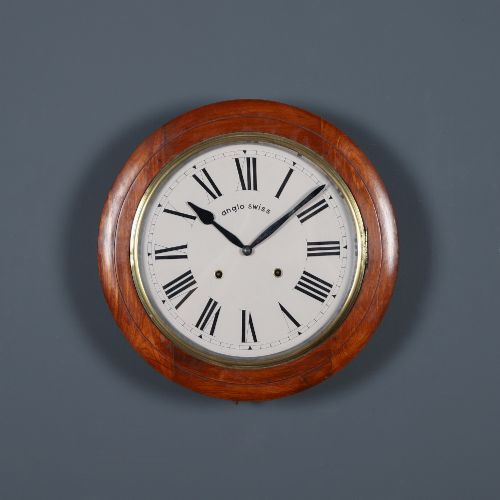
A striking dial clock is a timekeeping device featuring an acoustic mechanism that sounds the hours or fractions thereof, alongside a clear face for visual reading. These pieces span wall-mounted round dials, drop-dial variants, bracket clocks, and larger grandfather or longcase formats originating across British, French, and German workshops.
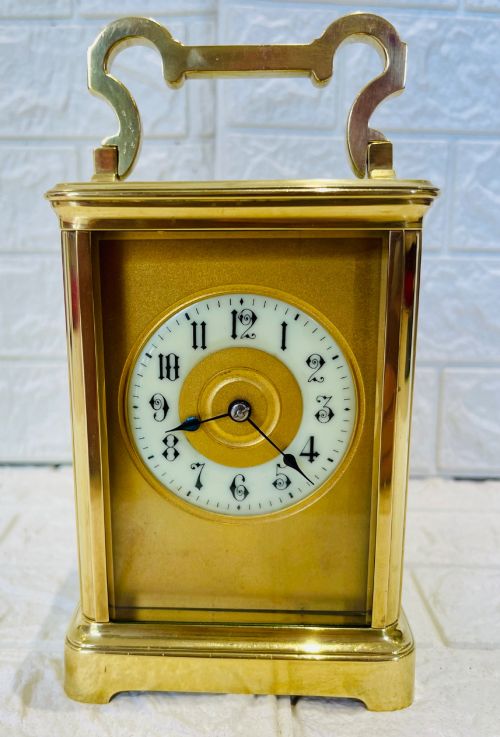
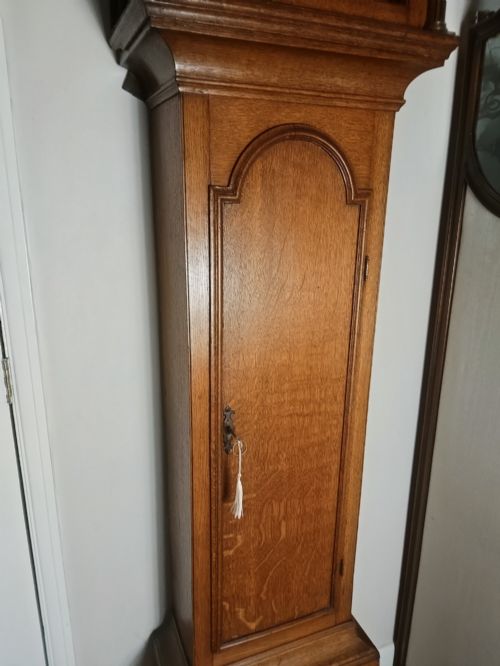
Buyers encountering this selection will frequently find mahogany or walnut drop-dial wall clocks from the nineteenth century, alongside brass-framed carriage clocks and traditional oak longcase examples. The grouping encompasses domestic mantel pieces, railway station regulators, and institutional wall clocks produced from the eighteenth century through to the mid-twentieth century.
The horological forms range from simple single-fusee wall regulators to complex quarter-striking bracket clocks and grand sonnerie movements. Each configuration reflects the specific acoustic and architectural requirements of its original interior setting, whether a Victorian schoolroom or a Georgian hallway.
Materials and Construction
Cases utilise dense hardwoods including mahogany, walnut, oak, and ebonised wood, frequently shaped into round frames, rectilinear bracket bodies, or tall floor cases. Glazed doors protect the delicate paper, painted, or vitreous enamel dials set with brass or steel numerals.
Mechanisms rely on brass wheel trains, steel pivots, and gut lines or chains driving fusee or spring-driven movements. Acoustic output is generated by brass bells or steel gongs struck by weighted hammers during passage or chiming sequences.
Some dial clocks spent decades on railway platforms regulating train departures before finding peaceful retirement in domestic hallways.
Markers of Quality
Quality rests in the precision of the movement, where finely cut gear teeth, durable pivot bearings, and twin-fusee or triple-train layouts ensure consistent timekeeping and reliable acoustic output. Hand-engraved backplates, signed dials, and complex strike-silent functions indicate higher workshop standards.
Cabinetwork distinguishes the production tier, visible in the selection of figured mahogany veneers, crisply carved mouldings, heavy cast bezel rings, and well-fitted glazed access doors. Original surfaces and undamaged dial paint preserve the integrity of the piece.
John Ellicott·Cousens & Whiteside·Mappin & Webb·Winterhalder·Henri Jacot·Thwaites & Reed·Barrauds·Charles Frodsham
The Striking Dial Clock Glossary
- Fusee
- A conical pulley used in mechanical clocks to maintain even tension on the gear train as the mainspring unwinds.
- Drop dial
- A wall clock design featuring an extended lower wooden case below the circular dial to house a swinging pendulum.
- Grand sonnerie
- A striking train complication that chimes the hours and quarters automatically on every quarter-hour passage.
- Verge escapement
- An early mechanical regulating mechanism utilising a crown wheel and a pivoted rod with pallets to control power release.
- Strike-silent
- A manual lever or mechanism that prevents a clock from sounding its acoustic strikes without stopping the timekeeping train.
Striking Dial Clock: Frequently Asked Questions
How do fusee movements work?
A fusee movement uses a conical pulley connected to the mainspring by a cord or chain. This geometry compensates for the decreasing force of an unwinding spring to deliver steady power to the escapement.
This mechanism helps the clock maintain consistent timekeeping throughout its running cycle without losing accuracy as the power reserve diminishes.
Where should wall dial clocks be hung?
Wall dial clocks require secure mounting on solid structural walls using appropriate fixings to support the heavy hardwood cases and internal weights. Placing them away from direct draughts and temperature fluctuations protects the wood and keeps the pendulum swinging freely.
Level installation ensures the escapement ticks evenly and prevents the mechanism from binding or stopping prematurely.
How do strike-silent levers operate?
A strike-silent lever lifts the rack or gathering pallet out of engagement with the striking train. This stops the hammers from hitting the bell or gong while allowing the timekeeping gears to run normally.
Owners utilise this function during sleeping hours to silence the acoustic chimes without interrupting the clock's accuracy.
What maintenance do antique striking clocks need?
Routine care involves careful winding using the correct key, gentle pendulum adjustment to regulate speed, and periodic cleaning by a professional horologist. Avoiding excessive oiling prevents dust accumulation within the delicate brass pivots.
Regular inspection of suspension springs and gut lines keeps the striking and time trains operating smoothly over decades of use.