



Stone Sculpture Stand
A stone sculpture stand elevates carved figures and heavy urns, providing stable elevation and distinct architectural presence in interiors and gardens.
Stone Sculpture Stand
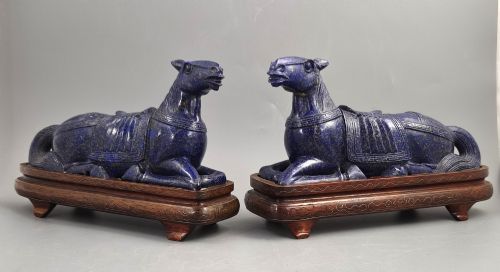
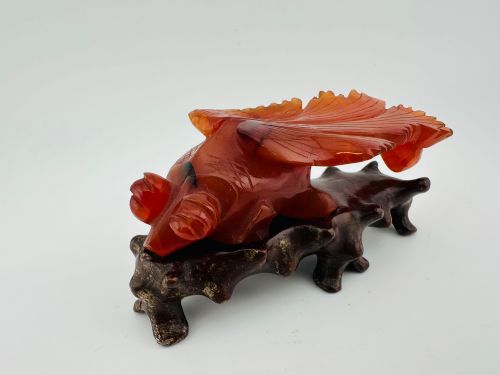
A stone sculpture stand serves as a sturdy foundation for displaying busts, figures, and architectural elements. These pieces range from classical columns and pedestals to fitted wooden bases created specifically for Chinese hardstone carvings.
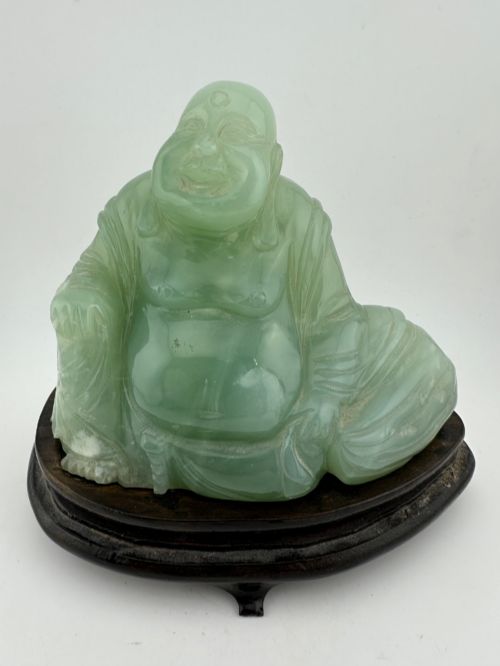
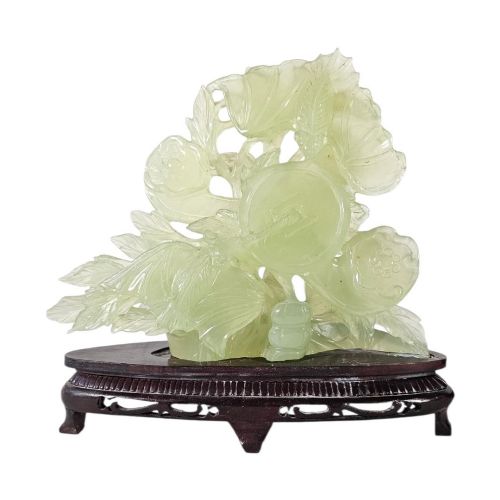
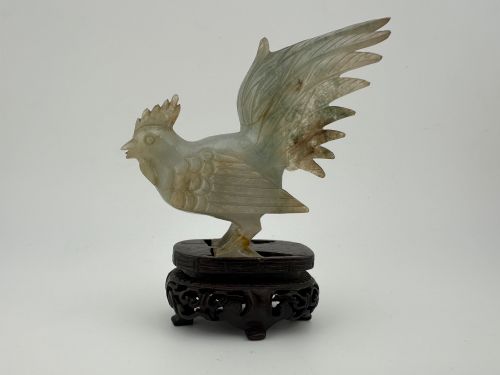
Buyers will encounter two distinct categories on this page. The first comprises architectural columns and plinths carved from marble, alabaster, or cast stone, designed to support heavy sculptural works. The second includes traditional hardwood and rootwood stands paired with jade, soapstone, or lapis lazuli carvings.
Origins span from Victorian Europe to Qing and Republic period China, reflecting diverse traditions of display and support. European examples lean towards neoclassical marble and alabaster, while Asian examples showcase intricate woodworking beneath natural stone specimens.
Materials and Construction
Stands and pedestals rely on dense materials such as Carrara marble, variegated green marble, alabaster, and cast stone, shaped through masonry and turning techniques. Columns and plinths frequently utilise solid stone or scagliola to achieve smooth shafts and decorative capitals.
Asian supports are typically constructed from dense hardwood, rootwood, or silver inlay, meticulously carved to match the irregular contours of jade, quartz, or soapstone figures. This method ensures a secure, bespoke fit between the carving and its base.
Stone Sculpture Stand Retail Price Guide 2026
Typical asking prices for stone sculpture stand among the pieces listed under this phrase on Sellingantiques today, from the lower quarter to the upper quarter. They describe what is for sale here now, not the wider market.
The selection spans 19th-century European neoclassical columns alongside Qing and Republic period Chinese carved stone displays.
Assessing Quality and Execution
Quality reveals itself in the precision of the carving and the integrity of the material. Fine marble and alabaster columns demonstrate crisp fluting, balanced proportions, and careful polishing that highlights natural veining without hiding structural seams.
For fitted wooden bases, quality rests on the harmony between support and sculpture. Superior examples feature seamless joinery that contours precisely to the stone specimen, alongside refined detailing such as silver inlay or polished rootwood surfaces.
Fritz Kochendorfer
The Stone Sculpture Stand Glossary
- Plinth
- A heavy base supporting a statue or column. It provides stability and visual weight to vertical displays.
- Torchere
- A tall stand designed to hold a light or a decorative object. These slender supports elevate items to eye level.
- Scagliola
- A composite material made from selenite, glue, and pigments, mimicking natural marble. It allows for smooth, large-scale architectural columns.
- Hardwood stand
- A bespoke wooden base carved to cradle Asian stone carvings. These supports are often tailored to the exact contours of jade or soapstone figures.
- Verde Antico
- A dark green serpentine marble historically utilised in classical architecture. It is prized for its mottled appearance and rich colouration.
Stone Sculpture Stand: Frequently Asked Questions
How do I choose the right height for a sculpture stand?
Consider the height of the sculpture and the room where it will sit. Taller columns place figures near eye level, while lower plinths suit larger busts.
Ensure the top surface matches the footprint of the object to guarantee stability.
Can these stone stands be placed outdoors?
Cast stone and certain dense marbles withstand outdoor conditions when placed on stable ground. Weathering affects softer materials like alabaster over time.
Indoor pedestals should remain in climate-controlled spaces to protect polished finishes.
How do fitted wooden stands attach to stone carvings?
Traditional wooden stands rely on precise hand-carved recesses that match the base of the stone sculpture without adhesives. This allows the sculpture to rest securely under its own weight.
Such fitted designs ensure the piece remains removable for cleaning and transport.