

Stone Garden Ornament
A stone garden ornament brings enduring character to borders and lawns, grounding outdoor spaces with classical forms and weathered textures.
Stone Garden Ornament
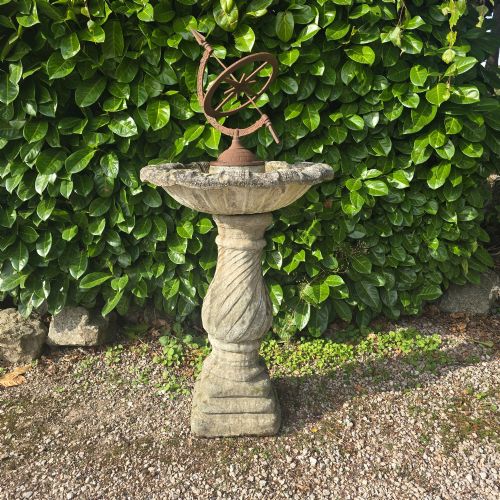
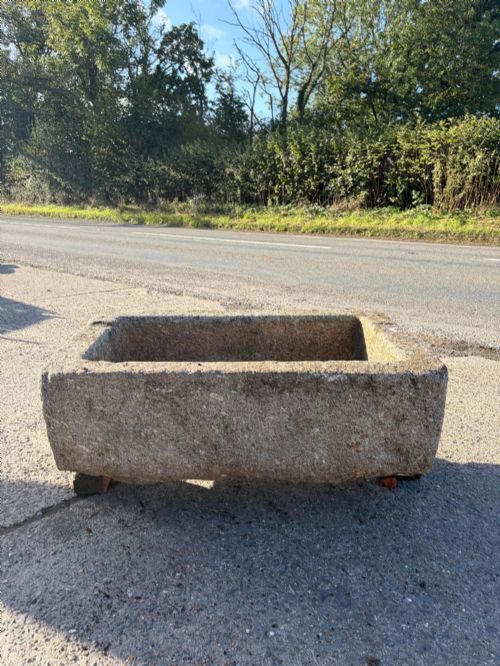
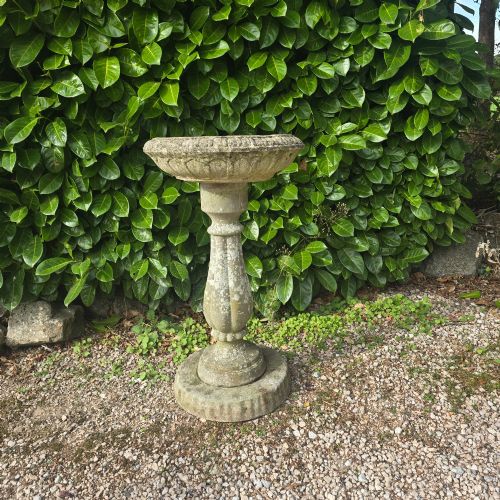
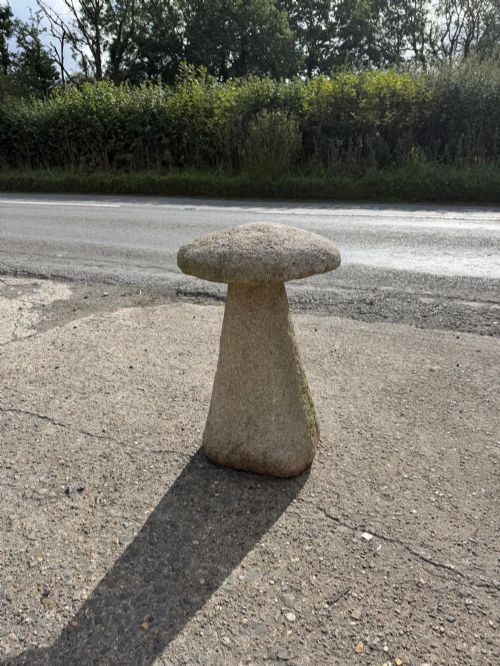
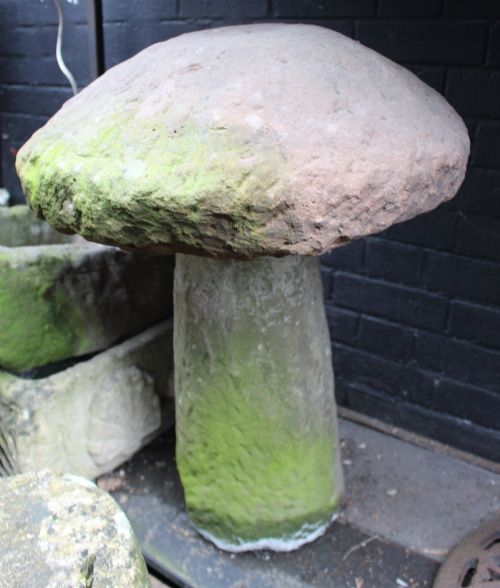
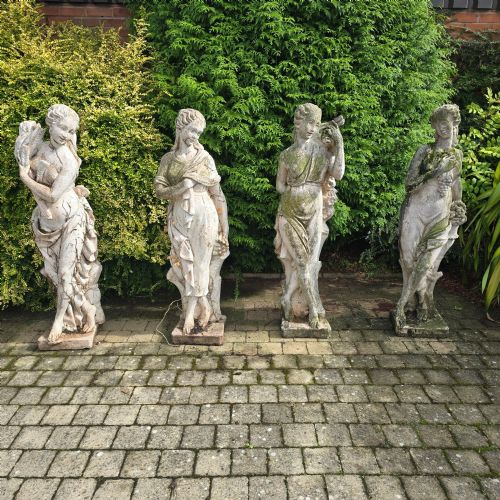
A stone garden ornament encompasses a diverse range of architectural salvage, figures, and functional pieces designed for outdoor placement. The selection here spans compact bird baths and sundials to life-sized figures, grand campana urns, and staddle stones originating from periods between the eighteenth century and the mid-twentieth century.
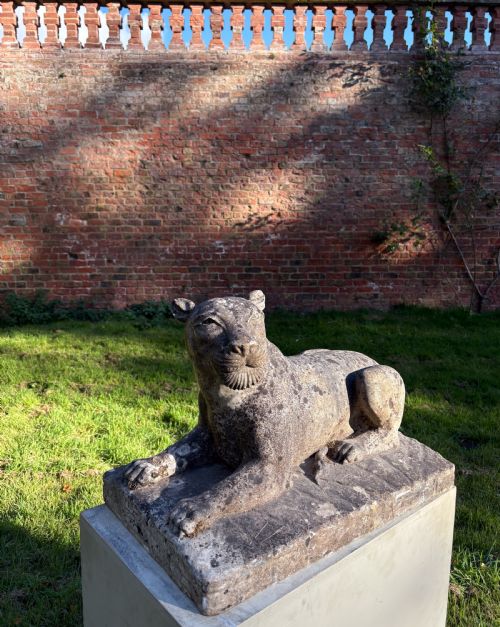
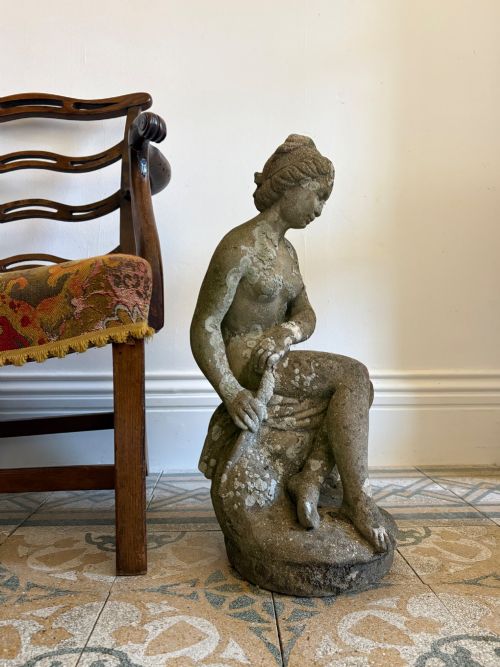
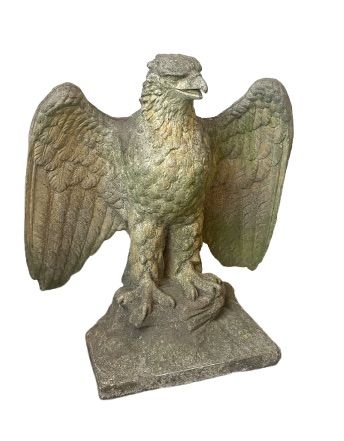
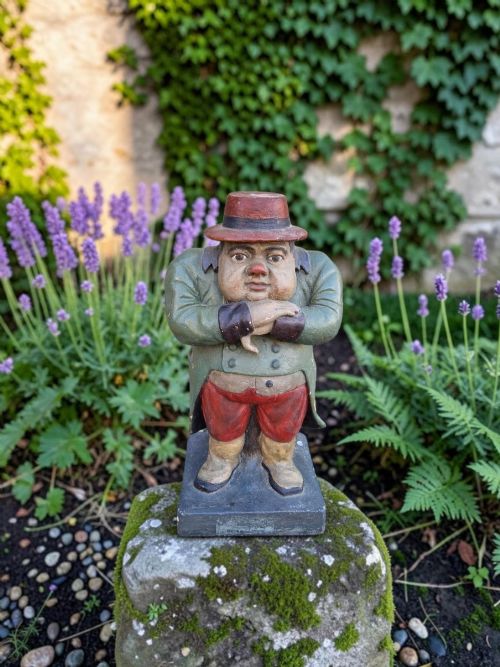
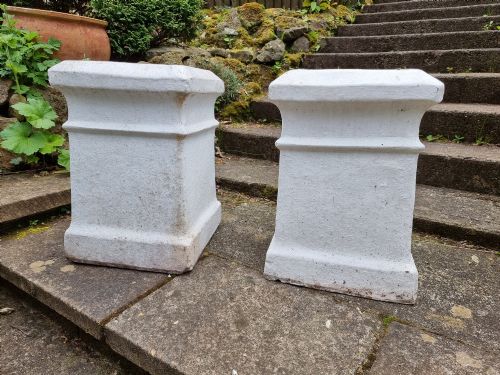
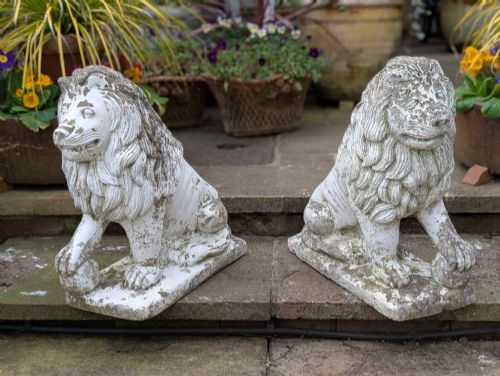
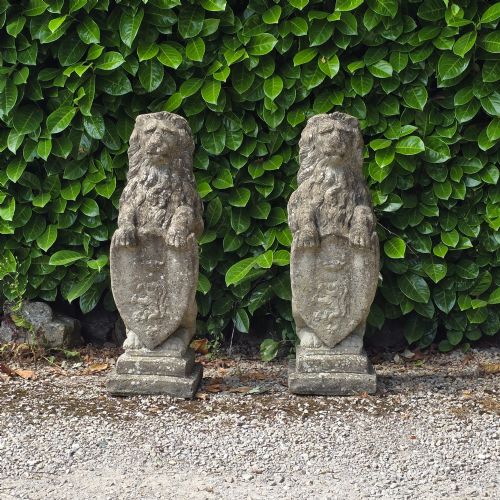
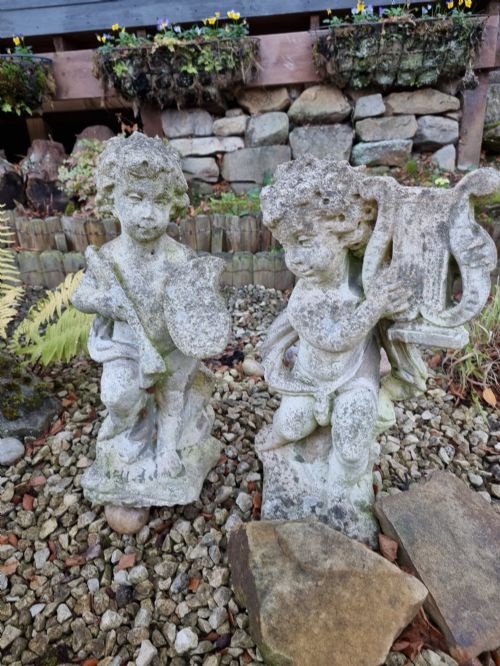
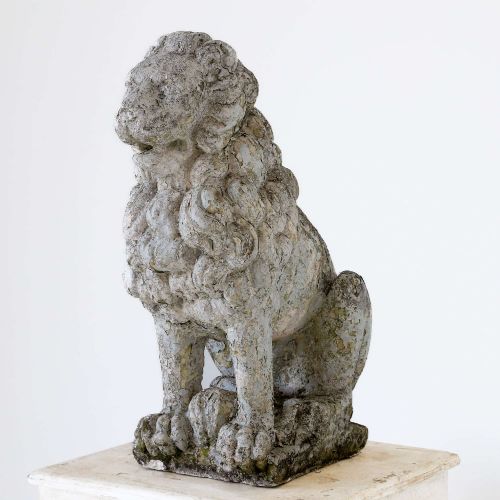
Buyers frequently encounter pieces shaped as classical deities, cherubs, and animals such as lions and pigs alongside structural elements like pedestals and pinnacles. These items reflect enduring design traditions including neoclassical, Victorian, and rustic vernacular styles.
Origins range from eighteenth-century Cornish granite and limestone examples to twentieth-century cast and reconstituted stone creations. Each piece carries the distinct patina of age, shaped by exposure to the elements over decades or centuries.
Materials and Methods
Traditional pieces utilise natural quarried materials such as sandstone, limestone, and Cornish granite, shaped by hand or carved for architectural use and staddle stones. These durable geological mediums weather gradually to display rich surface textures and organic moss growth.
Later nineteenth- and twentieth-century production turns towards cast stone, reconstituted stone, and concrete, poured into moulds to capture intricate sculptural details. Artisans sometimes applied initial layers of paint or utilised stoneware techniques to achieve specific finishes on statues, urns, and animal figures.
Stone Garden Ornament Retail Price Guide 2026
Typical asking prices for stone garden ornament among the pieces listed under this phrase on Sellingantiques today, from the lower quarter to the upper quarter. They describe what is for sale here now, not the wider market.
Materials recorded across the inventory include sandstone, limestone, granite, terracotta, cast stone, and reconstituted stone.
Evaluating Quality
Quality rests upon the crispness of the original modelling and the depth of the sculptural relief, distinguishing finely carved stonework and well-cast composite figures from softer, worn examples. Proportions play a central role, ensuring figures such as lions, cherubs, and ladies possess anatomical balance and naturalistic presence.
The degree and nature of weathering heavily influence character, where uniform organic ageing and integrated moss enhance the surface harmony of the stone. Superior examples demonstrate a successful dialogue between the material and its long-term exposure to outdoor environments.
The Stone Garden Ornament Glossary
- Staddle stone
- A traditional mushroom-shaped stone support originally used to elevate granaries and barns off the ground to deter vermin. Eighteenth-century examples are typically fashioned from granite or sandstone.
- Campana urn
- A bell-shaped garden vessel with flared rims and handles, frequently mounted on pedestals. Early twentieth-century and Victorian iterations draw directly from classical antiquity.
- Reconstituted stone
- A manufactured material composed of crushed aggregate and cement binders moulded into architectural or sculptural forms. It offers durable replication of natural stone details.
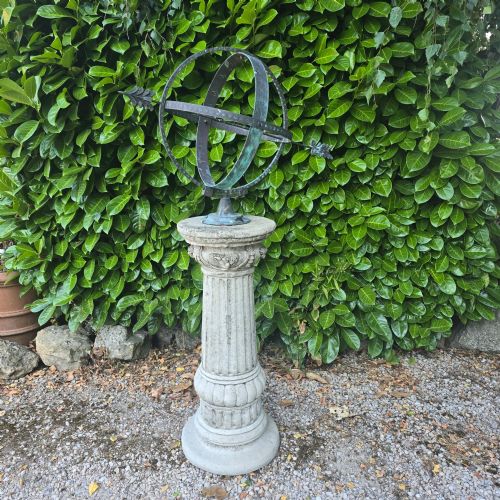
- Armillary sphere
- An astronomical dial constructed from interlocking rings representing celestial circles. These serve as garden sundials mounted upon stone pedestals.
- Architectural salvage
- Elements rescued from historic buildings and structures, such as Gothic pinnacles or chimney pots. They find renewed purpose as decorative garden ornaments.
Stone Garden Ornament: Frequently Asked Questions
How do I clean a stone garden ornament?
Gentle brushing with water helps remove loose dirt while preserving the accumulated patina and moss that denote age.
Harsh chemical cleaners and pressure washers damage the surface integrity of both natural sandstone and cast stone.
Are stone garden ornaments frost resistant?
Dense natural stones and well-cured cast stone withstand winter temperatures successfully when properly sited.
Elevating pieces off damp ground on bricks or pads prevents moisture absorption during freezing conditions.
How do I date a stone garden ornament?
Material composition, tool marks, and stylistic motifs provide primary indicators of age and period.
Eighteenth-century examples often feature hand-chiseled natural stone, whereas twentieth-century items commonly utilise cast or reconstituted stone.
Where should I place a heavy garden statue?
Position statues on firm, level foundations such as paved areas or compacted soil to prevent shifting.
Large figures and urns on pedestals benefit from sheltered spots that buffer strong winds.