




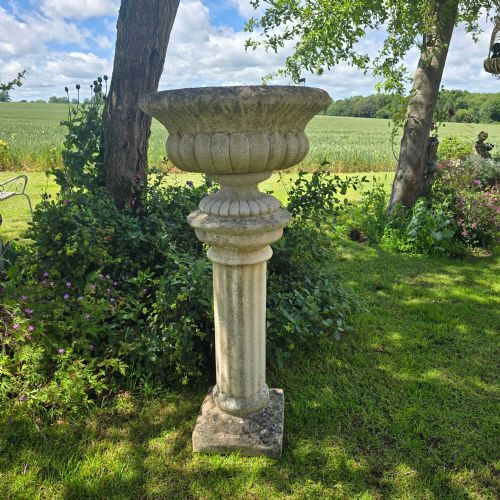

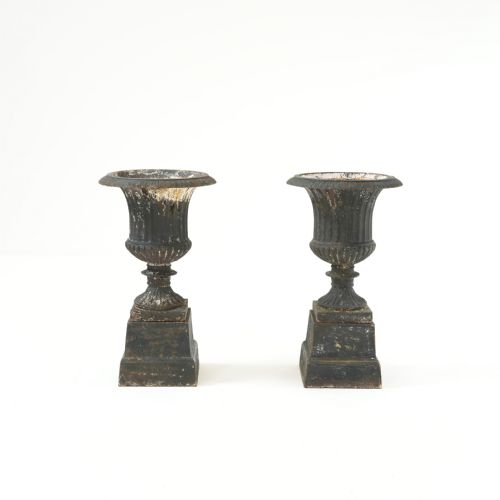


Vintage Garden Plinth
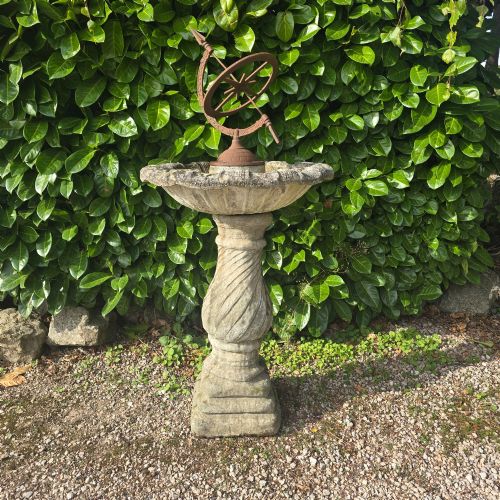
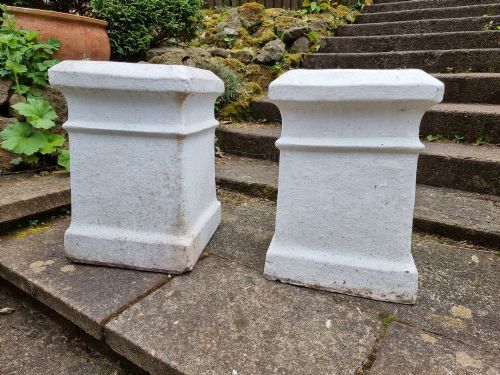
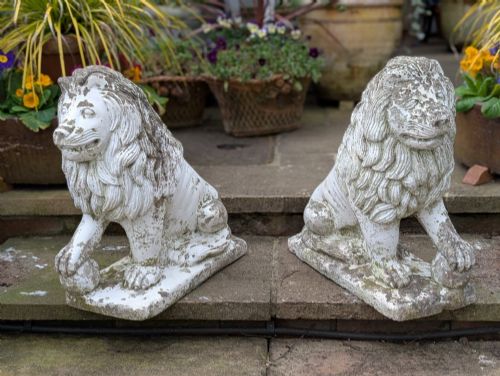
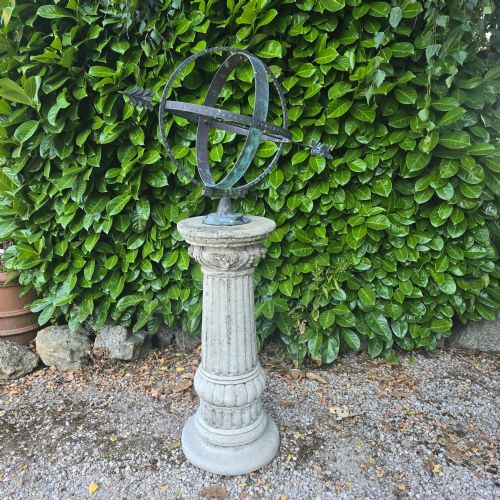
A vintage garden plinth raises statuary, urns and sundials to catch the light, bringing architectural presence to borders and lawns.
Vintage Garden Plinth
A vintage garden plinth provides a sturdy elevated base for display, anchoring urns, statues and sundials within outdoor spaces. These architectural pieces structure borders, terraces and lawns by creating height and focal points.
The selections available range from nineteenth-century terracotta display columns and stoneware plinths to mid-twentieth-century cast stone and reconstituted stone pedestals. Buyers frequently encounter pairs of urns mounted upon matching pedestals alongside individual classical columns.
Origins span Georgian, Victorian, Edwardian and mid-century periods, incorporating neoclassical revival and English country styles. Forms include chimney pot adaptions, funerary altars, gadrooned urn stands and simple classical columns.
How they were made
Construction relies heavily on durable outdoor materials including cast iron, reconstituted stone, terracotta, bronze and brass. Founders cast iron into campana urns and stands while masons carved stone and red stone into columns.
Moulds shaped reconstituted stone and cast stone into pedestals and altars during the nineteenth and twentieth centuries. Surface treatments involve applied paint and natural weathering over decades of exposure.
Vintage Garden Plinth Retail Price Guide 2026
Typical asking prices for vintage garden plinth among the pieces listed under this phrase on Sellingantiques today, from the lower quarter to the upper quarter. They describe what is for sale here now, not the wider market.
Several nineteenth-century garden columns began life as industrial chimney pots before finding a second career holding up flowers.
What varies in quality
Quality depends upon the clarity of casting detail in iron and stone alongside the integrity of the material structure. Finer pieces exhibit crisp relief work on classical motifs, well-defined gadrooning and harmonious proportions.
The degree of natural weathering significantly alters visual character, with even patination adding depth to surface textures. Structural solidity and original pairing enhance desirability for matching garden layouts.
Dunfermline Clay Company·Andrew Handyside
The Vintage Garden Plinth Glossary
- Campana urn
- A bell-shaped garden vessel with flared rims often mounted upon a pedestal base. These classical forms date from antiquity and nineteenth-century revivals.
- Gadrooned
- Decorated with a series of convex curves or flutes moulded in a parallel pattern. This ornamental carving appears frequently around the bowls of garden urns.
- Armillary sphere
- An astronomical instrument composed of interlocking metal rings representing celestial circles. These sphere sundials frequently top twentieth-century pedestals.
- Reconstituted stone
- A composite material manufactured from crushed stone and binding agents moulded into architectural forms. It replicates natural stone for garden ornaments.
Vintage Garden Plinth: Frequently Asked Questions
How do I choose the right height?
Consider the scale of the statuary or urn intended to sit atop the column and the surrounding garden planting. Taller pedestals suit open lawns whilst lower plinths integrate better within established flower beds.
Ensure the base footprint matches the weight distribution of your ornament to maintain stability on uneven ground.
Are cast iron plinths frost proof?
Cast iron withstands cold temperatures well when properly painted or sealed against moisture accumulation. Regular checks for surface rust help preserve the metal integrity through winter months.
Stone and reconstituted stone variants also endure seasonal changes provided water does not pool in unsealed cavities.
How do I clean weathered stone?
Gentle brushing with water removes loose debris without damaging the historic surface patination or organic lichen growth. Avoid harsh pressure washers that strip away the outer crust of antique stone and terracotta.
Allow natural weathering to return gradually after cleaning to maintain the aged appearance valued by collectors.
Can plinths remain outside year round?
Most stone, iron and terracotta pieces are designed specifically for permanent outdoor garden placement. Positioning them on gravel or paving slabs prevents rising damp from soaking into the base.
During freezing weather, ensure urns on top are drained to prevent ice expansion from cracking the stoneware.