




Stone Relief Sculpture
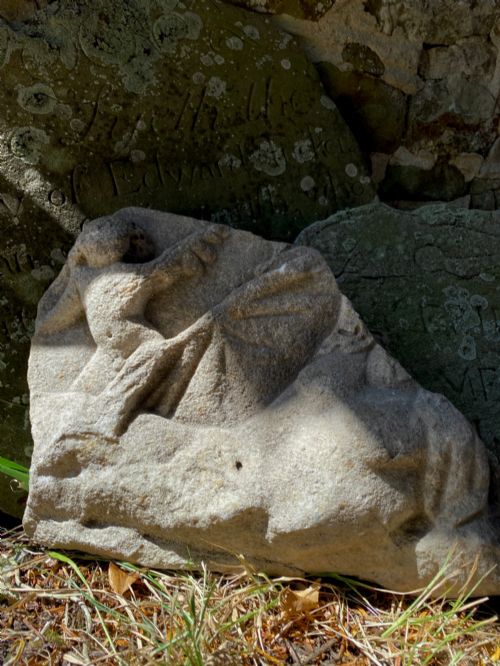
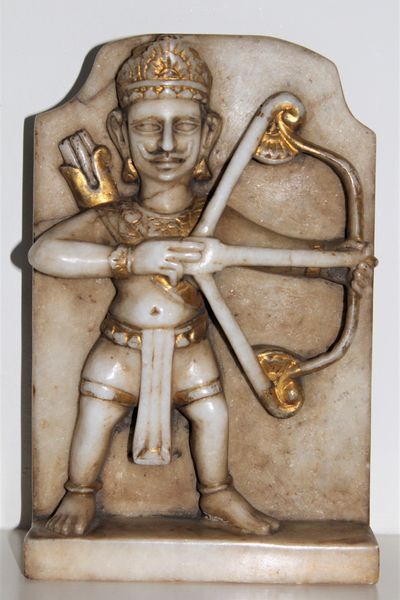
These stone relief sculpture pieces bring tangible depth to a wall, offering centuries of carved marble and sandstone figures for a discerning interior.
Stone Relief Sculpture
When you search for stone relief sculpture, you look at wall plaques, wall panels, and framed carvings projecting from a flat backing. The examples here span from pre sixteenth century sandstone up to twentieth century pieces.
Early works lean towards medieval and Gothic subjects, including depictions of bishops and prelates. Later centuries turn towards Italian Baroque, Renaissance Revival, and classical subjects executed in marble.
The most frequent finds on this page are nineteenth century marble reliefs and wall plaques depicting classical figures, saints, and animals. These range from single portraits of Roman emperors to pairs of griffin sculptures.
Materials and carving techniques
Makers utilised various stones, predominantly white marble, Sienna marble, and sandstone, shaping the material by hand to create layered surface depths. Some later twentieth century pieces employ marble dust cast into relief forms.
Support frames occasionally incorporate gilded wood, glass, and card to mount and protect the carved panels. The work relies entirely on the sculptor's ability to balance high and low relief against the stone background.
Stone Relief Sculpture Retail Price Guide 2026
Typical asking prices for stone relief sculpture among the pieces listed under this phrase on Sellingantiques today, from the lower quarter to the upper quarter. They describe what is for sale here now, not the wider market.
A sculptor once carved a fierce St Mark's lion into Sienna marble, ensuring every wall plaque roars quietly at passing guests.
Assessing quality in carved stone
Signatures from named sculptors elevate specific panels, as seen in signed nineteenth century works. The overall handling of anatomy and proportion dictates whether a piece holds strong visual presence on a wall.
Kasper Hendrik Roskam
The Stone Relief Sculpture Glossary
- Relief sculpture
- A sculptural technique where figures project from a flat background plane. High relief projects significantly, whilst low relief stays close to the stone surface.
- Wall plaque
- A flat-backed decorative panel designed specifically for hanging on a vertical surface. These often feature carved portraits or heraldic crests.
- Sandstone
- A sedimentary rock composed mainly of quartz sand, utilised in early Indian and medieval carvings. It provides a granular texture distinct from smooth marble.
- Sienna marble
- A decorative yellow or ochre-veined marble sourced from Italy. Carvers employ it for rich panels such as architectural crests and heraldic lions.
- Gothic
- A medieval style characterised by pointed arches and religious narratives. Stone carvings from this tradition often depict saints, bishops, and ecclesiastical scenes.
Stone Relief Sculpture: Frequently Asked Questions
How do I hang a heavy marble relief?
Most heavy wall panels and stone plaques require robust metal fixings secured directly into structural wall studs or masonry. Professional installation is advisable given the substantial weight of solid marble.
Ensure the hanging wire or integrated brackets match the load capacity of the specific sculpture before mounting.
Are these reliefs suitable for outdoor display?
The majority of these pieces are designed for interior environments, particularly those mounted in framed wall panels or delicate marble plaques. Exposure to frost and moisture can degrade softer stones like sandstone and marble over time.
Keep them inside protected rooms to preserve the carved surfaces and any secondary materials like gilded wood.
How do I clean carved marble?
Dust the stone gently with a dry, soft-bristled brush to remove surface particles without scratching the relief. Avoid harsh chemical cleaners, oils, or excessive water that might penetrate porous marble and cause staining.
Consult a conservator if the sculpture requires deeper cleaning or shows signs of structural fragility.
How can I tell a nineteenth century piece from an earlier one?
Nineteenth century classical revivals often feature bright white marble with crisp, academic proportions inspired by antiquity. Earlier pieces, such as pre sixteenth century or seventeenth century works, show heavier weathering and tool marks characteristic of medieval or baroque workshops.
Subject matter also offers clues, as Gothic religious figures contrast sharply with Victorian classical revivals and Hellenistic horse riders.