

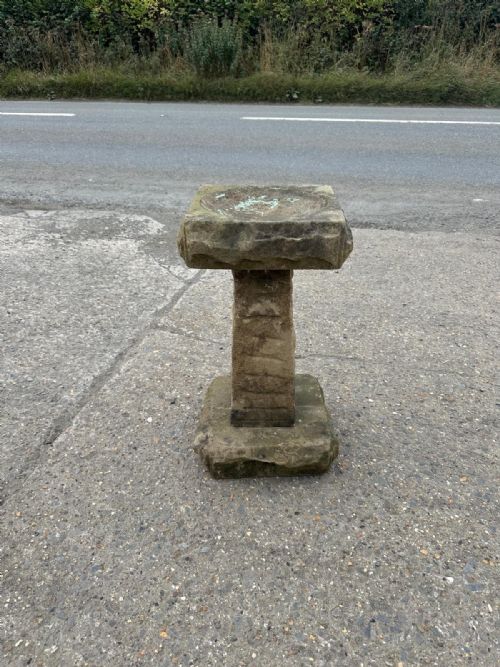


Antique Bird Bath
An antique bird bath brings real history to the garden, offering birds a place to wash while giving the lawn a quiet centrepiece.
Antique Bird Bath
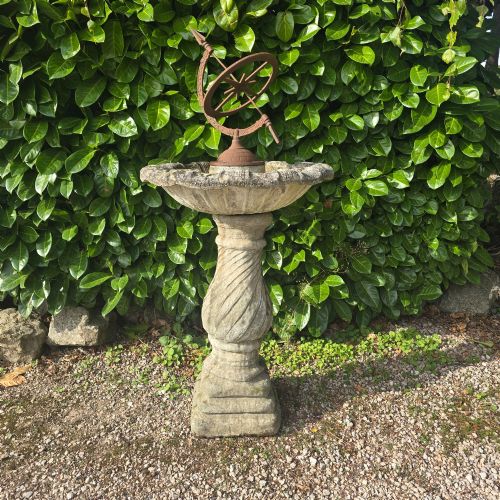
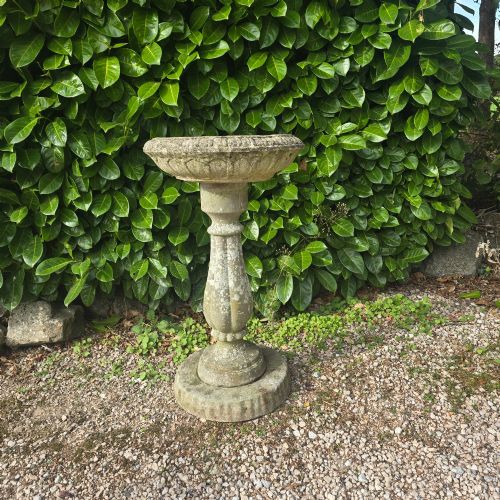
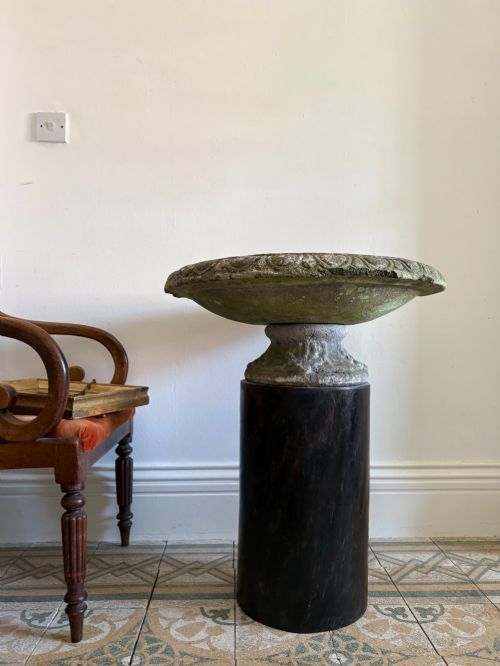
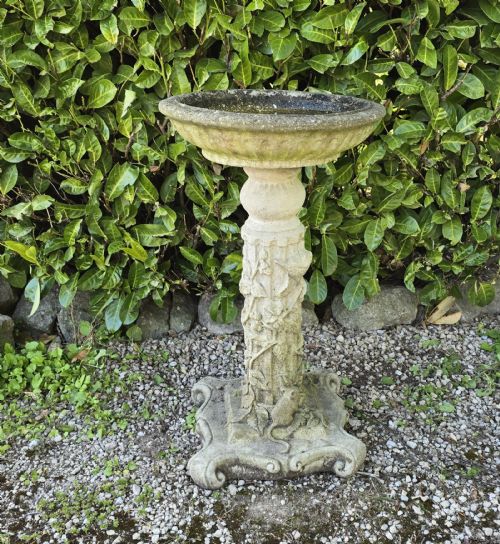
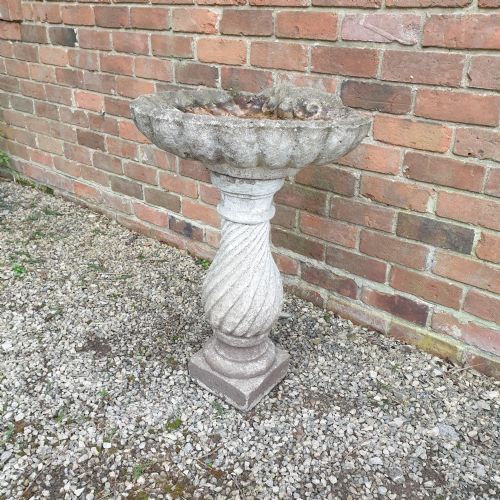
The version you are most likely to meet on this page is a weathered stone or cast iron example from the Victorian or Edwardian eras. They often feature classical details like shell bowls, columns, or figural supports.
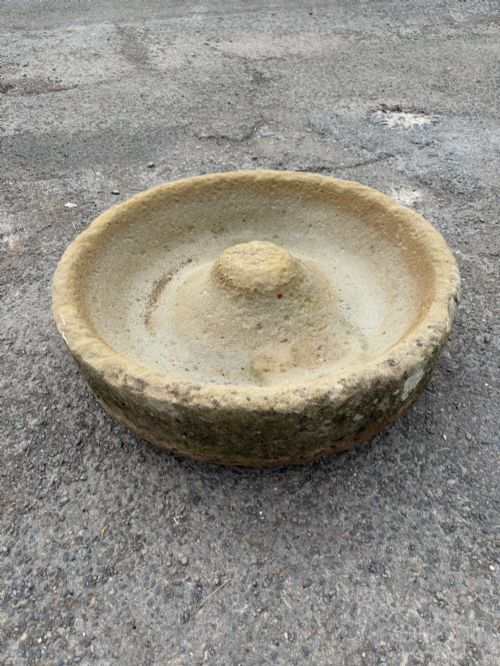
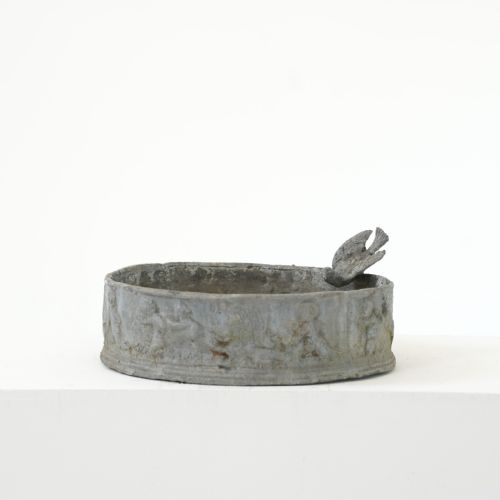
Makers of the period also produced hybrid forms that served as both planters and bird baths. These versatile pieces sit low on a base or rise on a pedestal, showing the practical side of traditional garden design.
How they were made
Foundries and stonemasons shaped these items using durable materials designed to withstand the British weather. Cast iron and lead provided strong, malleable options for intricate forms like shell basins and small figures.
Stonemasons worked with natural materials such as sandstone and Purbeck stone, carving them by hand. Later twentieth-century pieces often utilised cast stone or reconstituted stone poured into moulds to achieve classical neoclassical shapes.
Surfaces were sometimes left raw to weather naturally over decades, while others received coats of paint or incorporated bronze elements like sundials to the top.
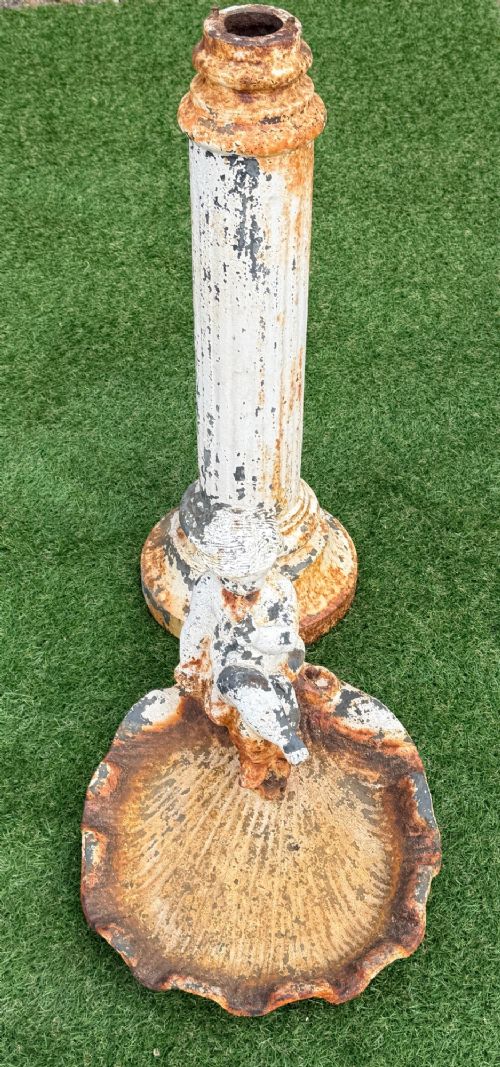
A seated cherub on a column watches over the water in one shell form cast iron design.
What varies in quality
The distinction between ordinary garden ornaments and superior pieces rests on the weight of the material and the crispness of the carving or casting. Heavy Purbeck stone and deep-relief cast iron represent the higher end of the range.
Proportion and integrity of design separate simpler utilitarian items from more ambitious sculptural works. A well-balanced column with fine figural details commands more presence in a garden than a plain cast basin.
Natural weathering over many years adds character, but the baseline quality depends entirely on the original foundry work or the skill of the mason who shaped the stone.
The Antique Bird Bath Glossary
- Reconstituted stone
- A manufactured material made from crushed stone and a binder, moulded into architectural shapes. It offers the look of natural stone at a more accessible scale.
- Purbeck stone
- A hard limestone quarried in Dorset, traditionally used for building and masonry. It weathers to a distinctive texture over centuries.
- Neoclassical
- A style drawing on classical Greek and Roman art, popular in garden ornament design. It favours symmetry, columns, and urns.
- Pancheon
- A large earthenware or stoneware vessel traditionally used in dairies for setting milk. In gardens, they frequently double as shallow water basins.
- Cast iron
- An alloy poured into moulds to create rigid, strong forms. It allows for thin, detailed figures and intricate rims that stone cannot easily achieve.
Antique Bird Bath: Frequently Asked Questions
How do I clean an antique stone bird bath?
Scrub the basin gently with a soft brush and plain water to remove algae without damaging the weathered surface. Avoid harsh chemical cleaners that can strip the natural patina accumulated over decades.
Keep the water fresh by rinsing it out regularly. Letting the stone dry out periodically helps prevent deep moss growth.
Will cast iron bird baths rust outside?
Cast iron develops a natural surface oxidation layer when exposed to rain and moisture in the garden. This process gives the metal a dark, protective skin rather than destroying the object.
Most buyers prefer this rusted or weathered finish because it shows the age of the piece. You can oil the surface lightly if you wish to slow the oxidation.
How do I date a stone bird bath?
Examine the tool marks left on the underside or pedestal, as hand-carved sandstone points to nineteenth-century or earlier craftsmanship. Moulded reconstituted stone and cast concrete typically indicate twentieth-century production.
Look closely at the style of any figures or columns attached to the piece. Victorian and Edwardian examples often feature heavier classical detailing than later decades.
Can I leave stone bird baths out in winter?
Natural stones like sandstone and Purbeck stone generally handle cold weather well, provided the drainage is clear. Reconstituted stone and cast concrete can absorb moisture that expands when frozen, leading to cracks.
Drain the basin before the first hard frost arrives. Covering the bowl or moving cast stone pieces under shelter during freezing months extends their lifespan.