




Sterling Silver Wine Cup
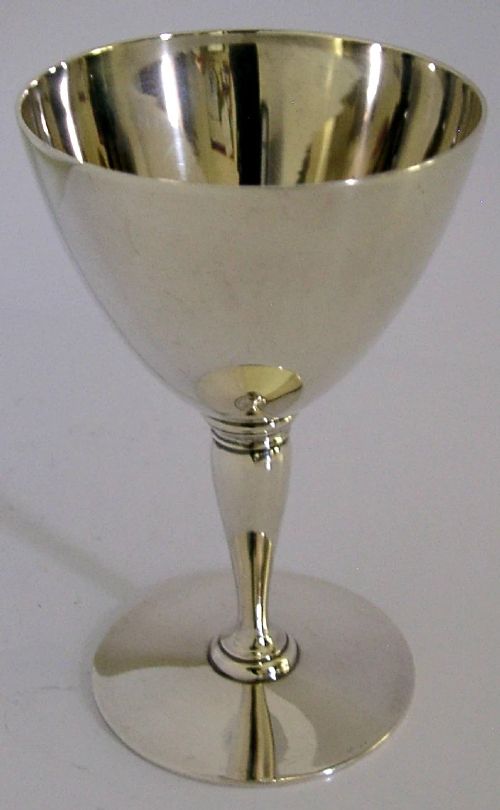
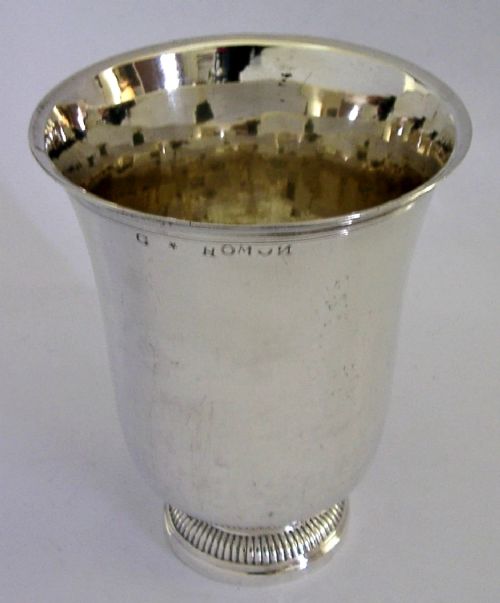
A sterling silver wine cup brings weight and polish to the table, taking the form of chalices, goblets, and beakers crafted across several centuries.
Sterling Silver Wine Cup
A sterling silver wine cup encompasses drinking vessels shaped as goblets, chalices, and beakers, alongside related forms like Kiddush cups, wine tasters, and porringers.
The pieces span a wide chronology from the late seventeenth century through the Georgian and Victorian eras into mid-century modern barware.
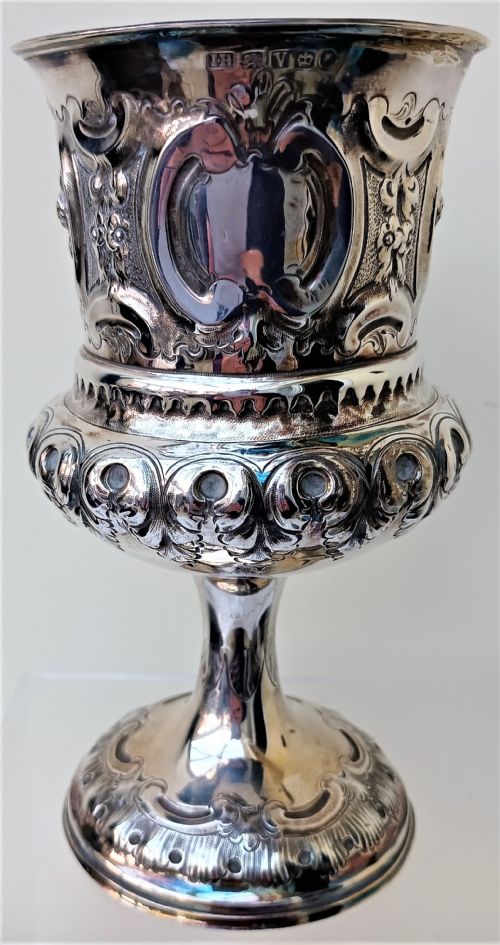
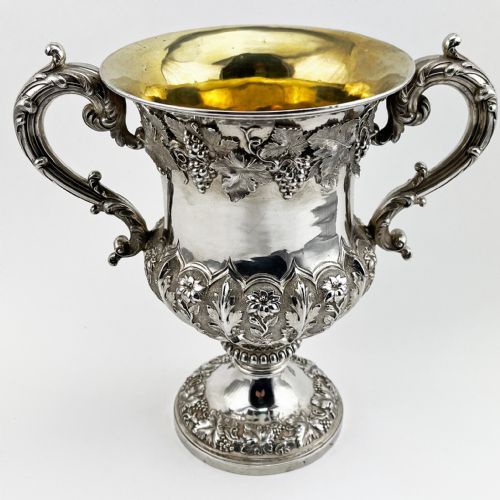
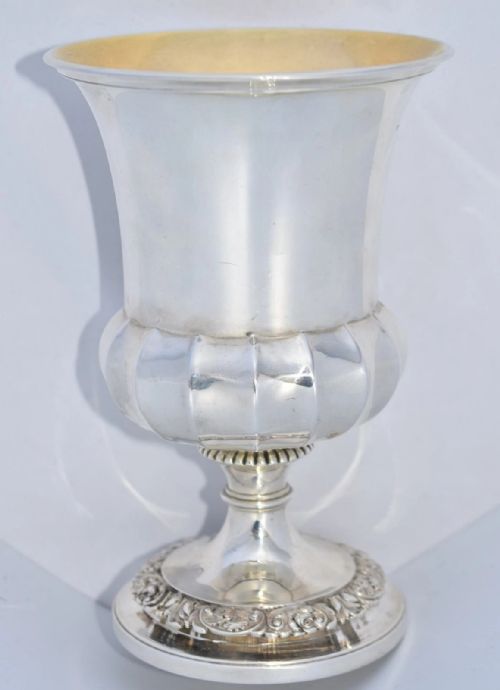
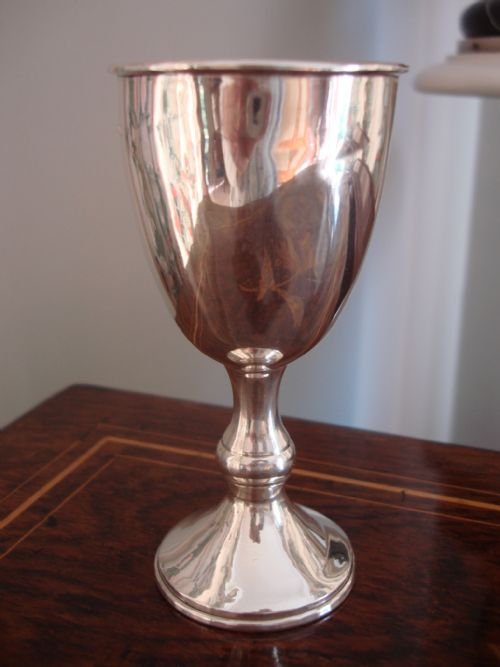
Goblets and chalices dominate the selection, often appearing with vase-shaped bodies or presentation inscriptions.
How they were made
Makers shaped the metal primarily in sterling silver and Britannia standard silver, occasionally applying vermeil, gold gilt, or parcel gilding to the interior and exterior surfaces.
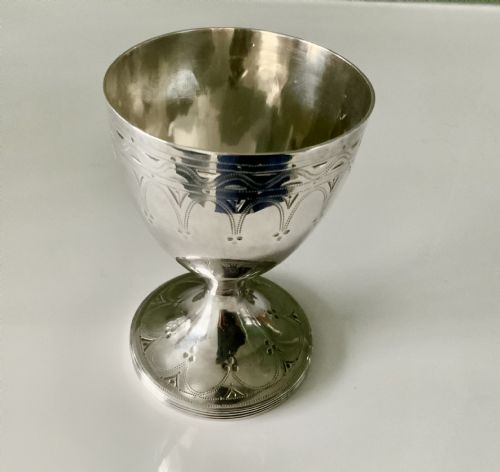
Smiths utilised traditional raising and spinning techniques to form the bowls, frequently decorating the silver with bright-cut engraving or leaving the heavy metal plain for a clean silhouette.
Materials across the inventory include standard sterling silver alongside gold gilt, vermeil, and 875 silver.
What varies in quality
The substance of the piece is defined by the gauge of the silver and the resulting weight in the hand, separating substantial presentation pieces from lighter domestic vessels.
Design sophistication and the clarity of hallmarks, maker marks, and chased or engraved ornament govern the standing of individual examples.
TIFFANY & Co·George Unite·John hunt and Robert Roskell·James Deakin & Sons·William Eaton·William Hutton·Paul Storr
The Sterling Silver Wine Cup Glossary
- Sterling silver
- An alloy containing 92.5 percent silver by mass, forming the standard material for British silver vessels.
- Britannia standard
- A higher purity silver alloy containing 95.84 percent silver, enforced briefly in England during the late seventeenth and early eighteenth centuries.
- Vermeil
- Sterling silver plated with a thin layer of gold, providing a rich two-tone appearance particularly on the interior of cups.
- Bright-cut engraving
- A surface decoration technique using faceted angles to catch the light, common on Georgian silver.
- Porringer
- A small bowl with one or two flat handles, used historically for soft foods or liquids.
Sterling Silver Wine Cup: Frequently Asked Questions
What is a sterling silver wine cup used for?
These vessels served for drinking wine and holding beverages at formal meals or ceremonial occasions. Heavier examples often doubled as presentation trophies or display pieces.
Today, collectors utilise them for traditional toasts or display them as examples of historic silversmithing.
How can I tell the period of a silver cup?
Hallmarks stamped directly onto the metal provide the primary evidence, revealing the assay office, date letter, and maker's mark. Style elements like bright-cut engraving or vase-shaped bodies also point to eras such as the Georgian or Victorian periods.
Comparing the weight and construction methods helps distinguish seventeenth-century Britannia standard pieces from mid-century modern barware.
Are all wine cups made of sterling silver?
While most pieces utilise standard sterling or Britannia silver, variations exist including lower purity options like 875 silver found in Russian Judaica.
Surface treatments such as vermeil or gold gilt also appear on the interior bowls of many antique goblets.
How do I care for antique silver cups?
Regular dusting and gentle cleaning with a specialist silver cloth maintain the finish without removing the patina built up over centuries. Avoid harsh abrasive dips that can damage delicate engraving or parcel gilt surfaces.
Store the pieces in a dry environment away from direct sunlight to prevent tarnishing.