

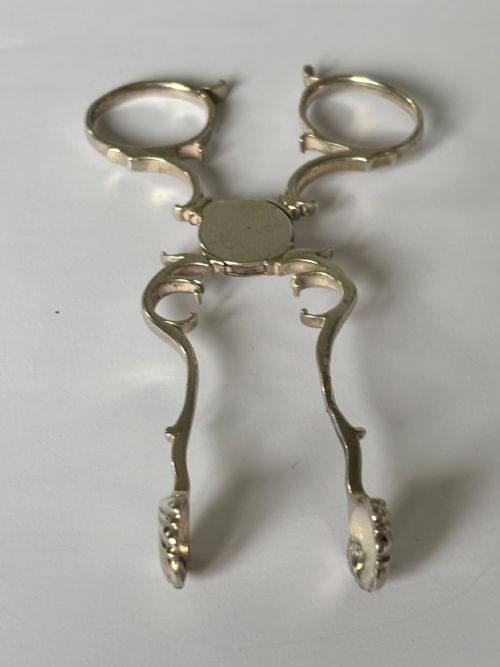


Sterling Silver Tea Tongs
Sterling silver tea tongs bring elegance to the table, and these pieces offer both historical utility and fine craftsmanship for everyday use.
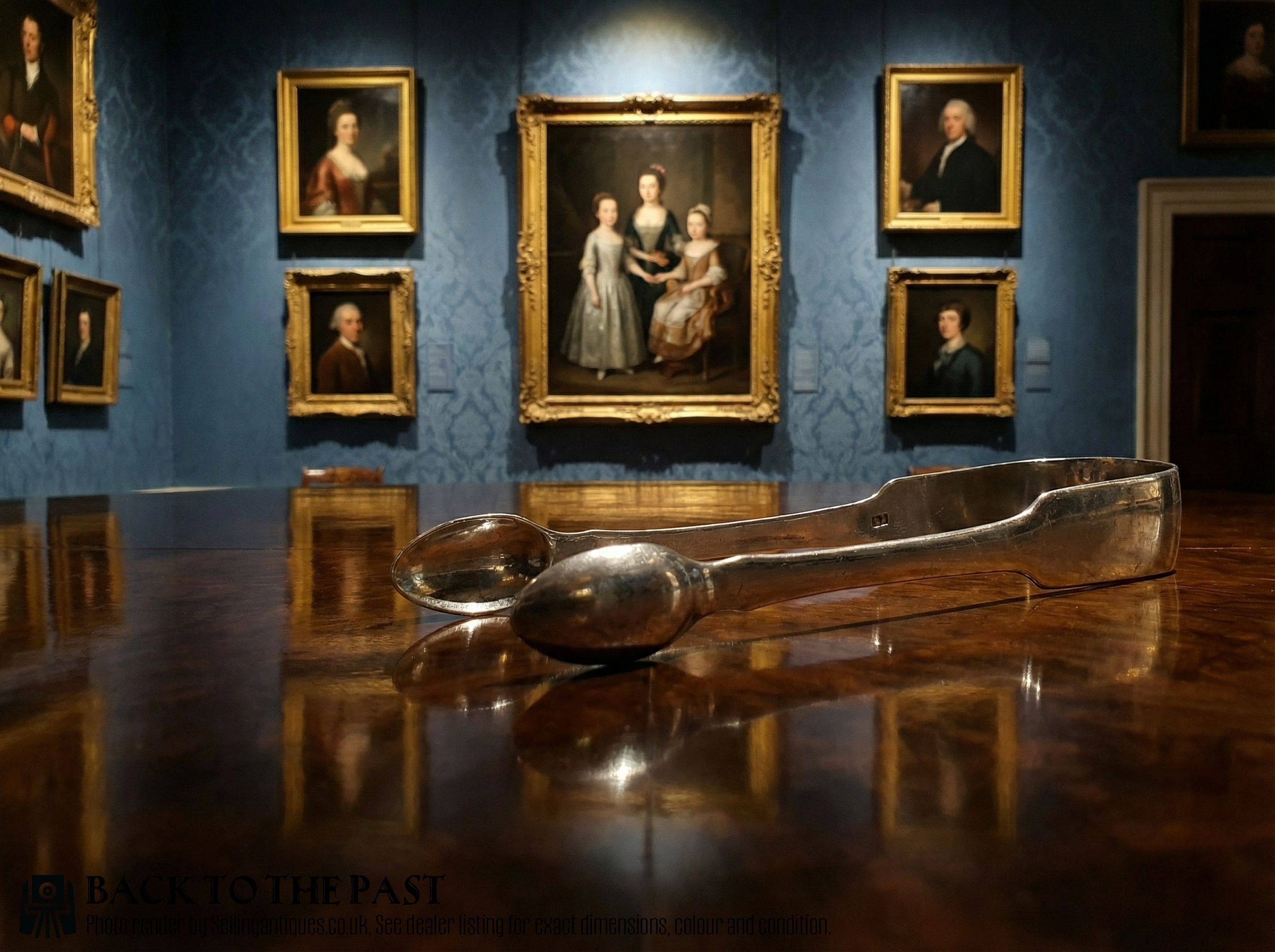
Sterling Silver Tea Tongs
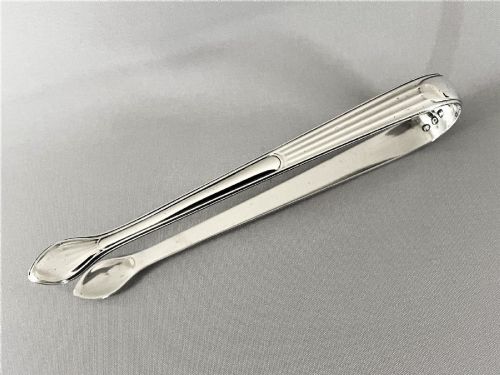
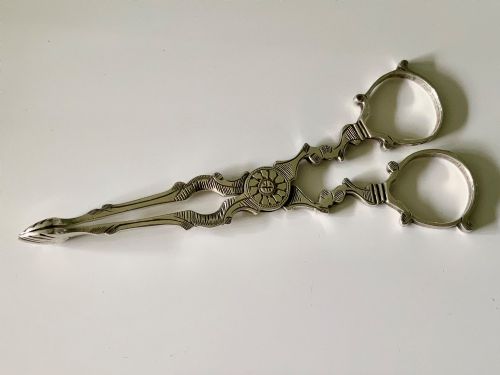
Sterling silver tea tongs are specialised implements designed for handling sugar lumps during tea service. When searching this phrase, buyers encounter forms ranging from simple scissor-action nips to spring-action bows and elaborate novelty designs.
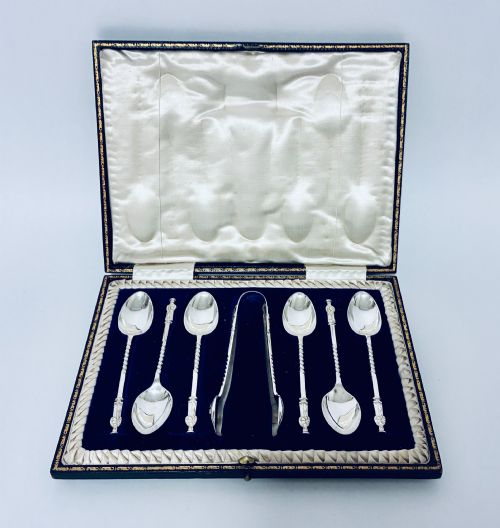
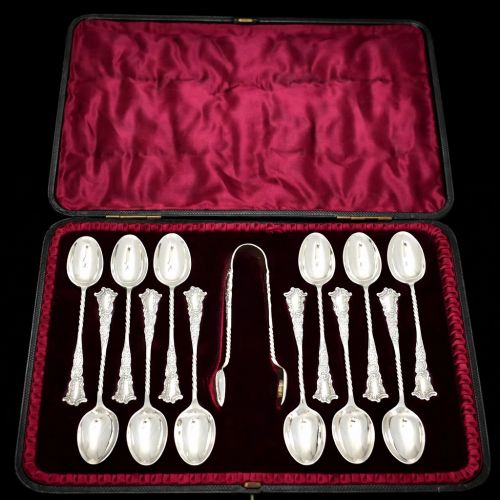
The selection includes examples spanning from the mid 18th century through the Georgian, Victorian, and Edwardian periods up to mid 20th century modernism. Many appear alongside matching spoons or within fitted presentation cases lined with velvet, silk, or satin.
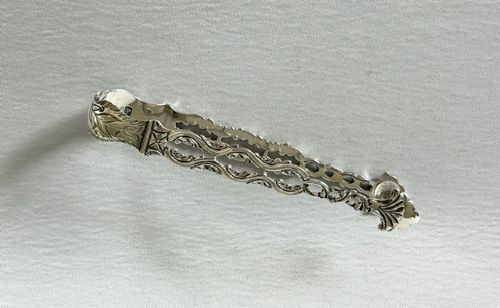
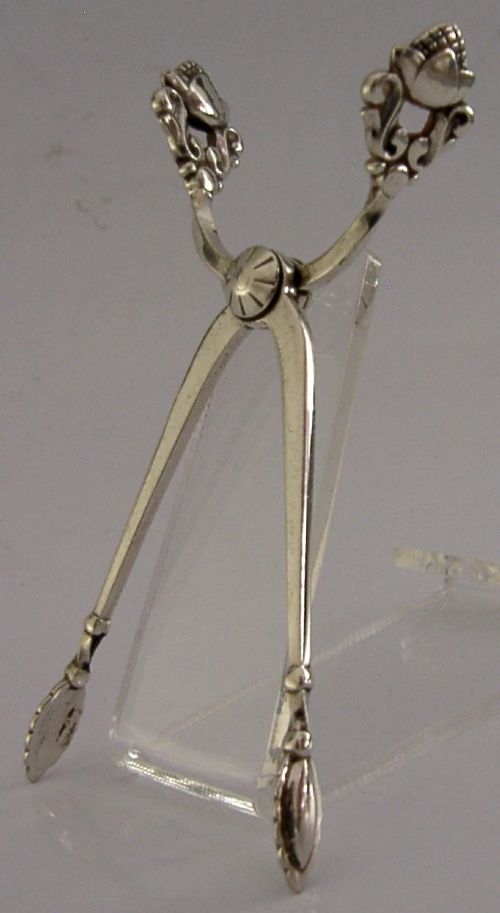
Makers and provincial assay offices across Britain produced these pieces, alongside continental workshops such as Georg Jensen. Buyers will find both plain utilitarian pairs and highly decorated specimens featuring cast, pierced, or naturalistic foliate motifs.
Materials and methods of manufacture
Silversmiths utilised sterling silver as the primary material, occasionally applying silver-gilt finishes to the interior bowls for aesthetic contrast. Construction techniques involved casting, piercing, and hand-forging to create the necessary spring tension in the bows.
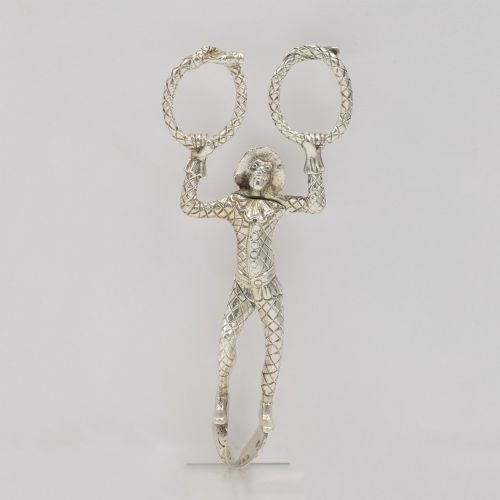
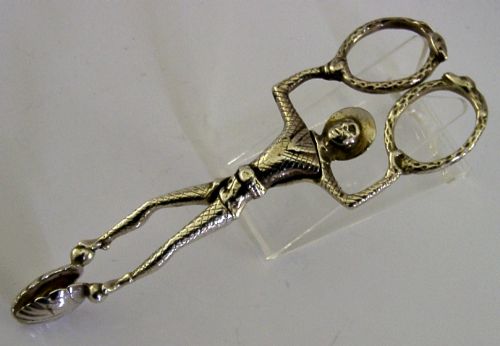
Makers such as Francis Higgins and the Bateman family applied detailed chasing and engraving, producing naturalistic foliate designs and articulated novelty mechanisms like eagle claws or harlequin figures.
The listings span from the mid 18th century through the Georgian and Victorian eras to mid century modern design.
Distinctions in quality
Quality rests upon the crispness of the casting and the resilience of the spring action in the metal. Pieces with hand-pierced detailing and clear hallmarks from notable makers command higher regard than plain, unmarked examples.
The presence of original fitted cases lined with silk or velvet indicates a higher grade of production, particularly when paired with matching spoons.
Bateman Family·Dee and Fargus·Georg Jensen·Thomas Tookey·Josiah Williams and Co·Henry Stuart Brown·John Walton·Francis Higgins·Robert Stebbings
The Sterling Silver Tea Tongs Glossary
- Sugar Nips
- Early scissor-action implements used for cutting and gripping sugar lumps before the widespread adoption of spring tongs. They feature pivot points similar to scissors.
- Assay Office
- An official body that tested precious metals and stamped items with hallmarks to verify their silver purity. Towns like Chester, Newcastle, and Exeter operated these offices.
- Silver-Gilt
- Sterling silver that has been coated with a thin layer of gold on the surface. This technique added a rich interior colour to sugar bowls and tongs.
- Novelty Tongs
- Implements shaped into imaginative forms such as animals, harlequins, or claws. They represent a playful departure from standard domestic tableware.
Sterling Silver Tea Tongs: Frequently Asked Questions
What is the difference between sugar nips and tea tongs?
Sugar nips typically use a scissor-like pivot action designed for breaking and handling hard sugar loaves or lumps.
Tea tongs rely on a single curved piece of metal that springs back when pressed, offering a softer grip for refined sugar cubes.
How do I care for antique silver tongs?
Wash them gently in warm water with mild soap and dry them immediately with a soft cloth to protect the surface.
Avoid abrasive polishes that wear away delicate hand-engraving and hallmarks over decades of use.
Are cased sets common for these pieces?
Many Victorian and Edwardian examples survive inside fitted cases lined with materials like satin, velvet, or leatherette.
These sets often pair the tongs with matching teaspoons for formal tea service.
How can I tell the period of a pair?
Hallmarks stamped on the metal provide town marks, date letters, and maker stamps that reveal the exact year of production.
Stylistic shifts, such as Georgian piercing or Art Deco geometry, also point clearly to specific decades.