


Sterling Silver Serving Bowl
These sterling silver serving bowl pieces span centuries of metalwork, offering substantial dining utility and refined decoration for the table.
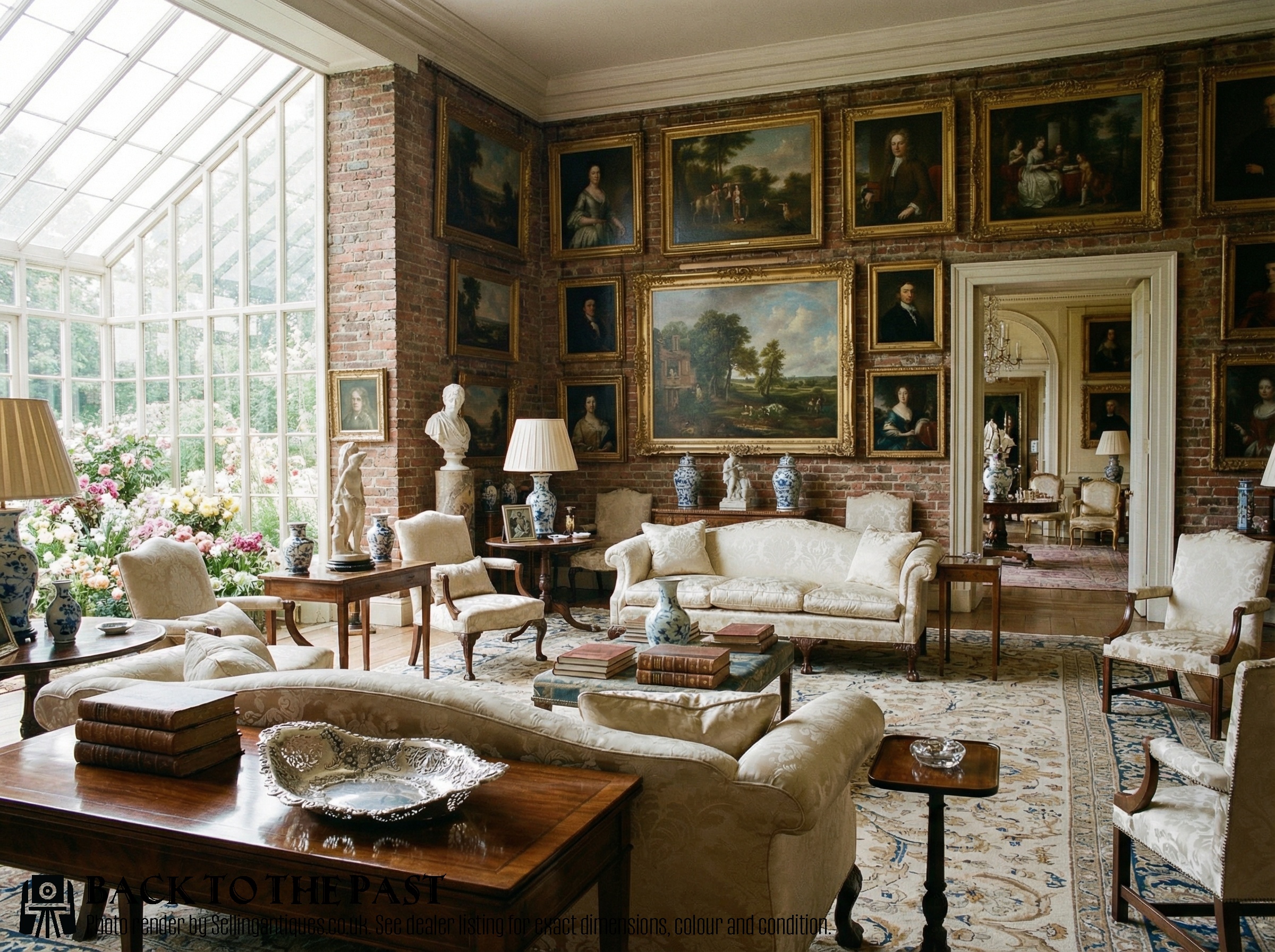
Sterling Silver Serving Bowl
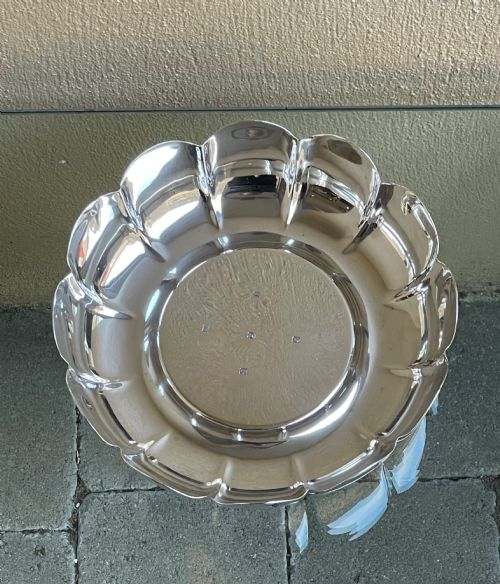
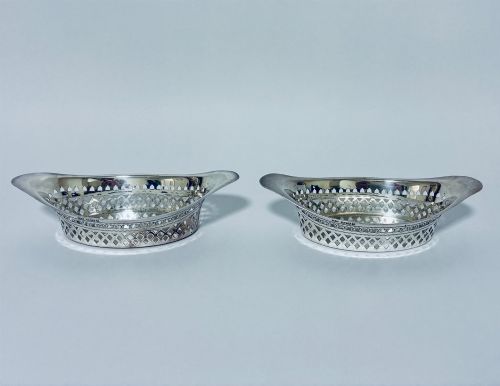
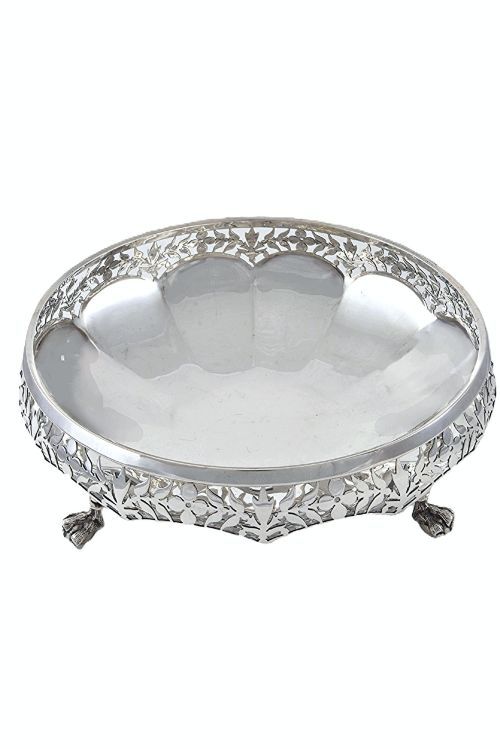
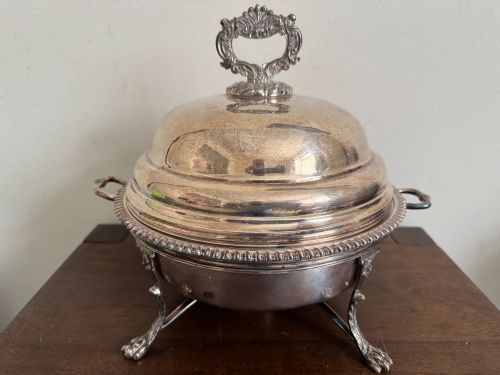
A sterling silver serving bowl functions as a primary vessel for table service, appearing alongside related serving dishes, tureens, and compotes across various eras. When searching for a sterling silver serving bowl, buyers encounter forms ranging from Georgian centerpieces and Victorian pierced ovals to twentieth-century glass-rimmed designs and Chinese export pieces.
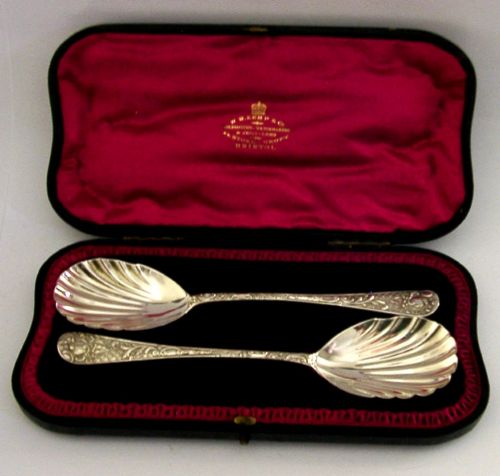
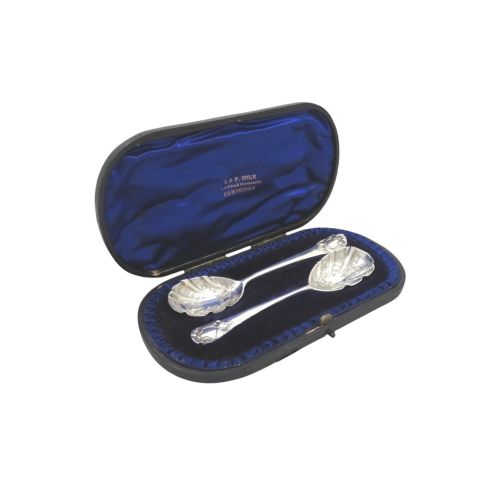
The material composition extends beyond solid metal to include combinations with cut crystal, while associated cased sets often incorporate matching serving spoons or ladles. These items reflect functional dining requirements of the eighteenth, nineteenth, and twentieth centuries, manifesting in diverse regional styles from British workshops to American firms.
How They Were Made
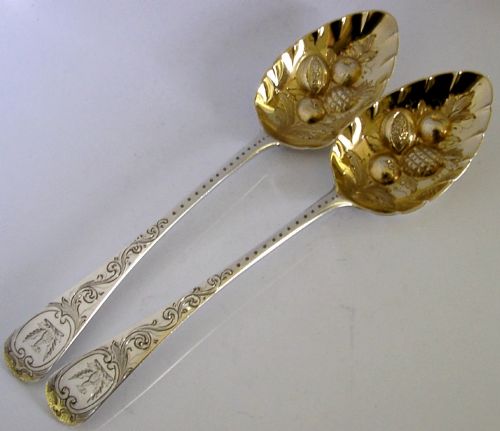
Silversmiths utilised traditional hammering, casting, and piercing techniques to shape sterling silver and silver gilt into bowls, dishes, and tureens. Many pieces incorporate hand-engraved crests, chased floral motifs, or applied cast borders.
Combinations of sterling silver with cut crystal and glass required specialised mounting techniques to secure metal rims to fragile vessels. Makers also integrated fitted presentation cases lined with velvet, leatherette, and satin for specific sets.
Materials appearing across the inventory include sterling silver, cut crystal, velvet, leatherette, satin, and glass.
What Varies in Quality
Quality rests upon the crispness of chased and pierced decoration, the structural weight of the silver, and the balance of applied handles or rims. Master silversmiths achieved deeper relief and more refined detailing than contemporary jobbing workshops.
The integrity of maker marks, town assay office punches, and date letters contributes to historical value and confirms material standards. Superior craftsmanship shows in the seamless integration of mixed materials like cut crystal and silver.
William Chawner II·Martin Hall·Elkington & Co·Daniel Cary·William Bennett·Birchall and Hayne·Whiting Co·S. Kirk & Son Company
The Sterling Silver Serving Bowl Glossary
- Sterling silver
- An alloy containing ninety-two point five percent silver by mass, with the remainder comprising copper or other metals. This standard guarantees the durability required for functional tableware.
- Silver gilt
- Silver objects coated with a thin layer of gold on the interior or exterior surfaces. This technique provided the visual richness of gold while utilising silver as the base metal.
- Pierced work
- A decorative technique involving the cutting or piercing of patterns through the metal sheet. Victorian and Georgian pieces frequently employed this method for fruit and sweetmeat dishes.
- Punch ladle
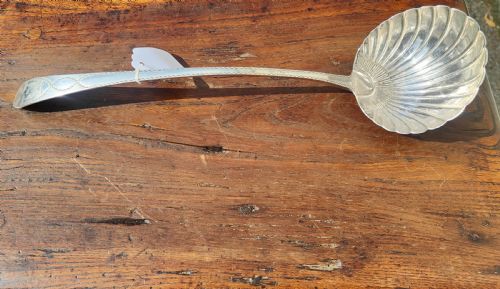
- A long-handled utensil specifically designed for serving punch from large bowls. These typically date from the eighteenth and nineteenth centuries.
- Assay mark
- Official stamps applied by an assay office to indicate the purity of precious metal. These marks provide evidence of origin and date of manufacture.
Sterling Silver Serving Bowl: Frequently Asked Questions
How do I clean an antique silver bowl?
Clean sterling silver items using a soft cloth and specialised silver polish designed to remove tarnish without abrading the metal surface. Avoid harsh chemical dips, particularly on pieces with engraved details or inset crystal.
Wash the pieces in warm soapy water and dry them thoroughly immediately after cleaning to prevent water spots. Store items in tarnish-resistant wraps or lined cases when not in use.
Were these bowls used for everyday dining?
Most antique serving vessels were produced for formal dining rooms, estate households, and special occasions rather than casual daily meals. Their robust construction in sterling silver allowed for generations of practical service at large tables.
Over time, many transitioned from active dining service to display pieces or collection centerpieces within homes.
How can I date my silver serving dish?
Look for hallmarks stamped directly onto the metal surface, which typically include maker initials, town marks, and date letters. Comparing these stamp configurations against standard assay office records reveals the exact year of manufacture.
Stylistic indicators such as Georgian neo-classical lines, Victorian pierced decoration, or twentieth-century modern forms provide a secondary guide to the period.
Can I use antique silver bowls for food?
Sterling silver is food-safe and non-reactive with most foods, making these bowls entirely suitable for serving dry or moist dishes. Acidic foods should not be left in silver vessels for extended periods to prevent surface pitting.
Ensure the piece is clean before use and wash it by hand immediately after dining to preserve the polished finish.