


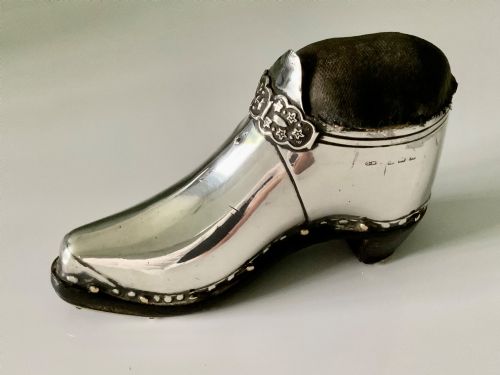


Sterling Silver Pin Cushion
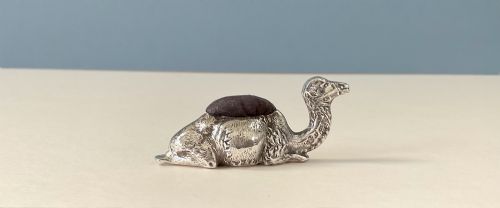
When you search for a sterling silver pin cushion, you enter a world of miniature animals and everyday objects that once graced Victorian and Edwardian dressing tables.
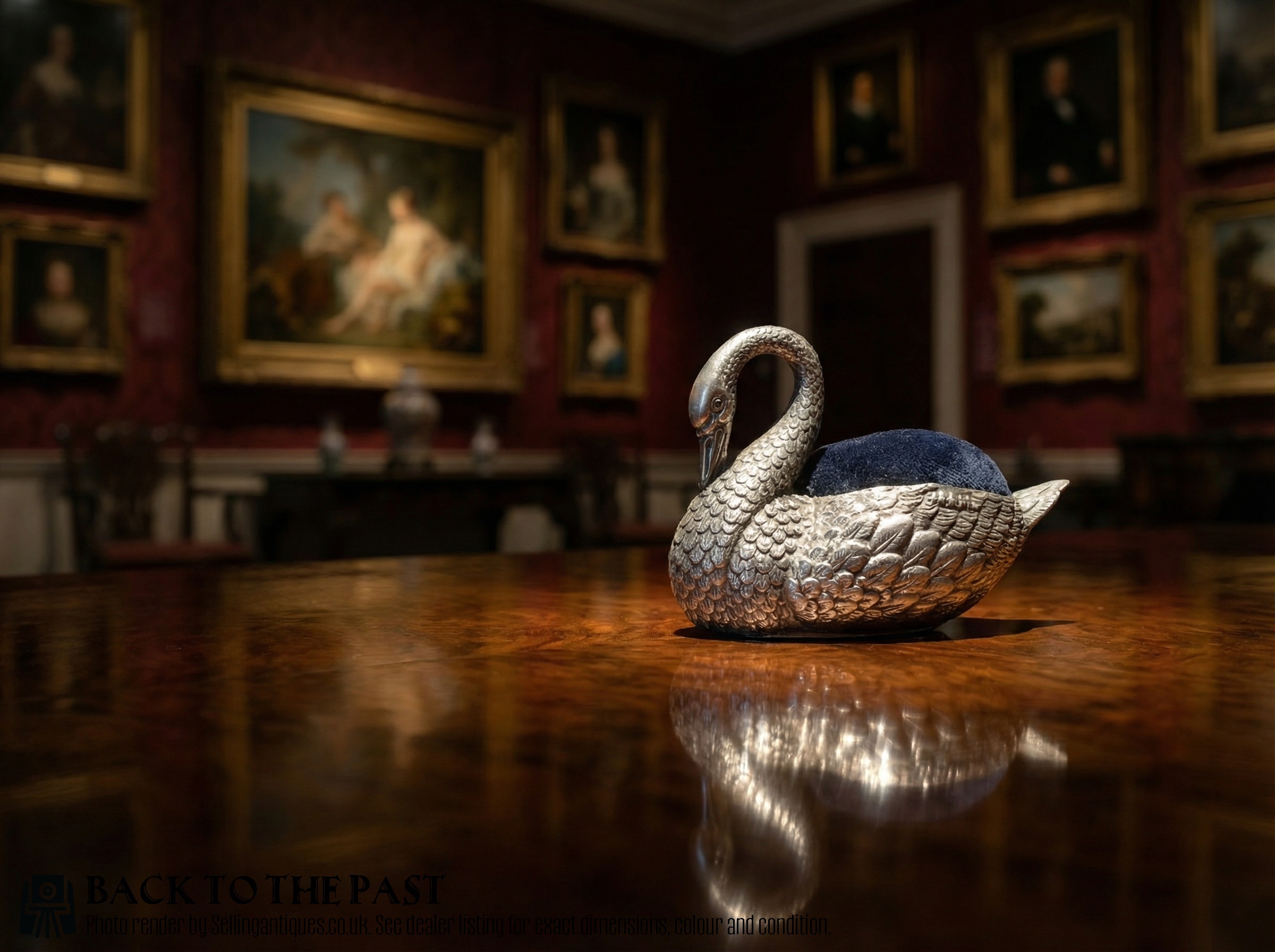
Sterling Silver Pin Cushion
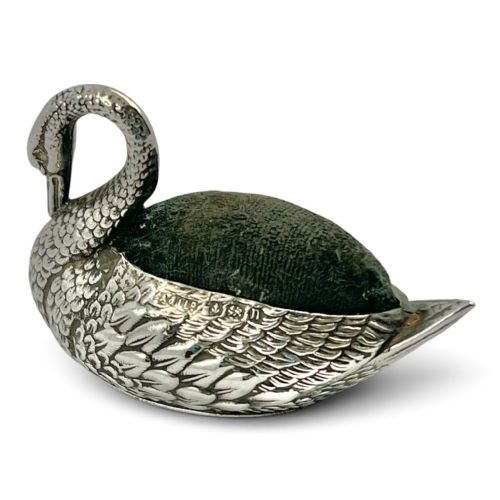
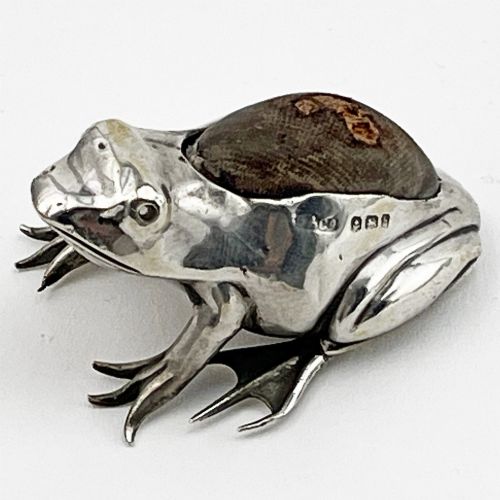
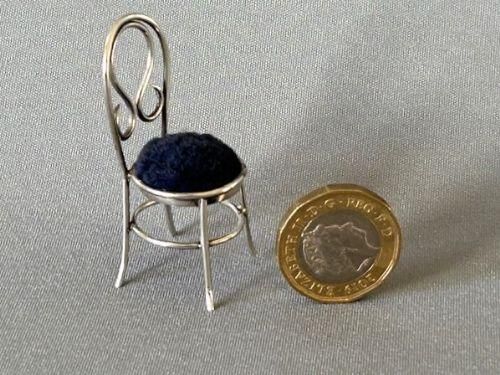
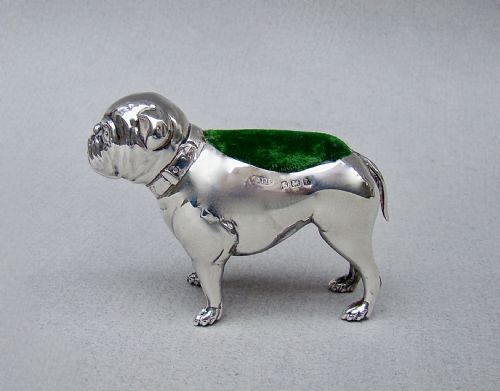
A sterling silver pin cushion is a small desk or dressing table accessory designed to hold pins and needles while adding a touch of domestic charm. These items range from simple geometric shapes to elaborate figural designs, with novelty animal forms dominating the selection.
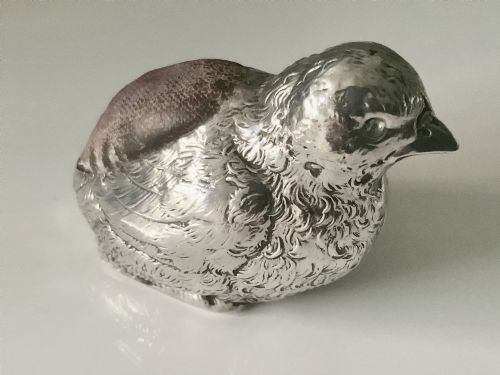
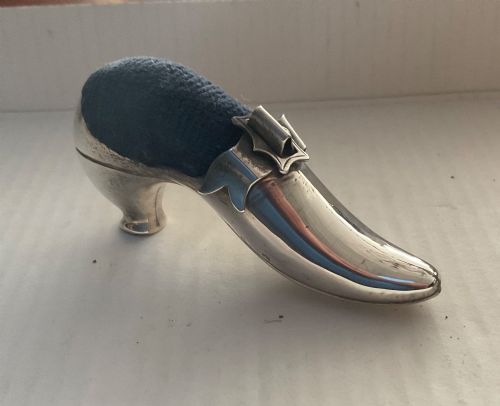
The version you are most likely to meet on this page is the Edwardian novelty piece, often shaped as a bird, domestic animal, or shoe. These pieces reflect a period of high craftsmanship where utilitarian objects were transformed into delightful conversation pieces.
Originating primarily from British workshops, these items frequently bear hallmarks from Birmingham, Chester, or London. They serve both as functional sewing tools and as collectable works of miniature art.
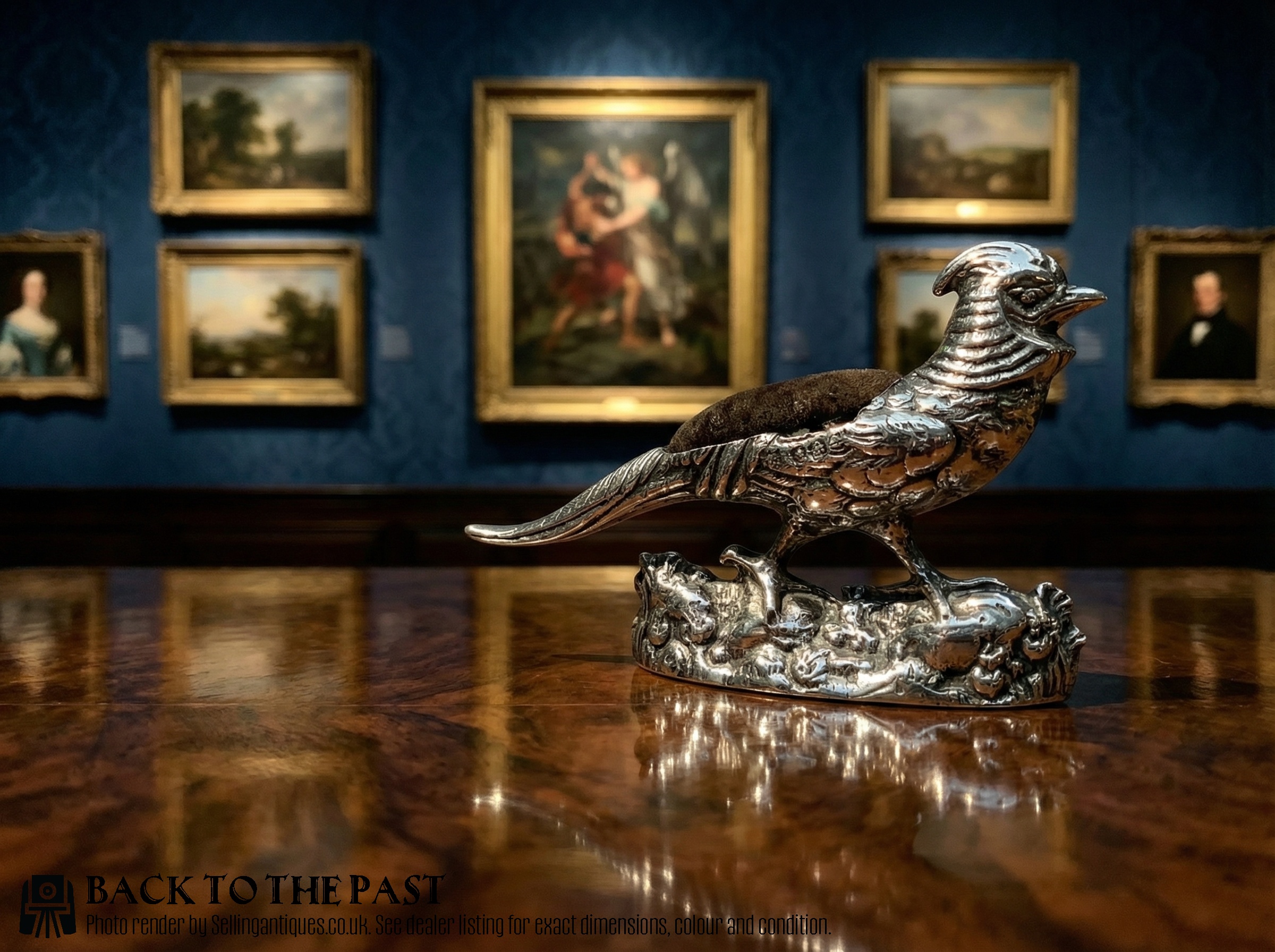
How They Were Made
Inside the silver casing, makers inserted a stuffing of wool, felt, or fabric covered with velvet or silk to securely grip the pins. This textile core was tightly packed and fitted directly into the silver mount to prevent shifting during daily use.
Sterling Silver Pin Cushion Retail Price Guide 2026
Typical asking prices for sterling silver pin cushion among the pieces listed under this phrase on Sellingantiques today, from the lower quarter to the upper quarter. They describe what is for sale here now, not the wider market.
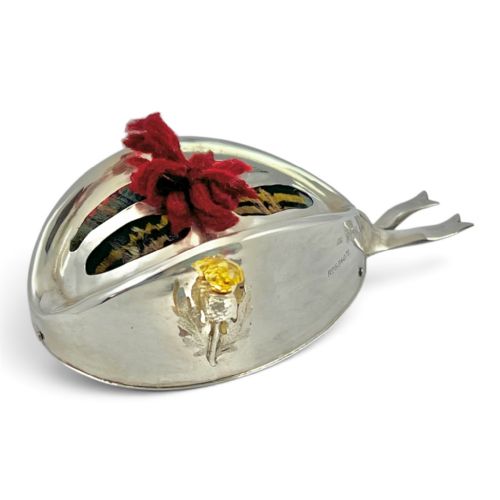
Silversmiths turned even a humble railway lamp or a Glengarry bonnet into a safe haven for pins.
What Varies In Quality
Originality of the internal pad and the legibility of the hallmarks also dictate the standing of the piece. Clear maker marks and undisturbed fabric inserts preserve the historical integrity and desirability of the item.
Adie & Lovekin·Sampson Mordan & Co·George W Shiebler·Artificer's Guild
The Sterling Silver Pin Cushion Glossary
- Hallmark
- A series of official stamps applied to precious metals indicating the maker, assay office, and year of testing. These marks provide the primary evidence for dating British silver.
- Chasing
- A technique where the silversmith hammers metal from the front to create raised surface decoration and fine details like feathers or fur. This work gives novelty animals their lifelike texture.
- Novelty
- An object shaped to resemble an animal, vehicle, or familiar item rather than following a standard geometric form. These playful designs became immensely popular during the late nineteenth and early twentieth centuries.
- Assay Office
- An official body responsible for testing the purity of precious metals and stamping them with the appropriate marks. Towns such as Birmingham and Chester operated prominent offices during the period.
Sterling Silver Pin Cushion: Frequently Asked Questions
What are sterling silver pin cushions?
They are small decorative containers made from silver and stuffed with fabric to hold sewing pins. Wealthy Victorians and Edwardians kept them on dressing tables and writing desks.
Craftsmen shaped them into everyday objects like shoes and hats, or animals such as pigs, ducks, and bears. Each piece combined practical utility with miniature sculpture.
How were they used?
Owners pushed straight pins and sewing needles into the velvet or wool cushion for easy access during tailoring and needlework. They kept loose pins tidy and prevented them from rolling away.
Beyond the sewing room, they functioned as decorative ornaments on dressing tables. People displayed them to show personal taste and novelty collections.
How do I date these pieces?
You date them by examining the stamped hallmarks on the silver body. These marks typically include a date letter, a city mark for the assay office, and a maker stamp.
Stylistic clues also help, as Edwardian animal novelties differ from earlier Victorian or later George V examples. Comparing the shape to documented designs confirms the era of production.
Are the cushions original?
Many retain their early fabric or velvet inserts, though replacement pads do occur due to age and wear. The textile core deteriorated over decades of holding steel pins.
Collectors look for undisturbed stuffing that matches the period of the silver mount. Even so, replaced velvet does not diminish the artistry of the silver exterior.