

Sterling Silver Matchbox
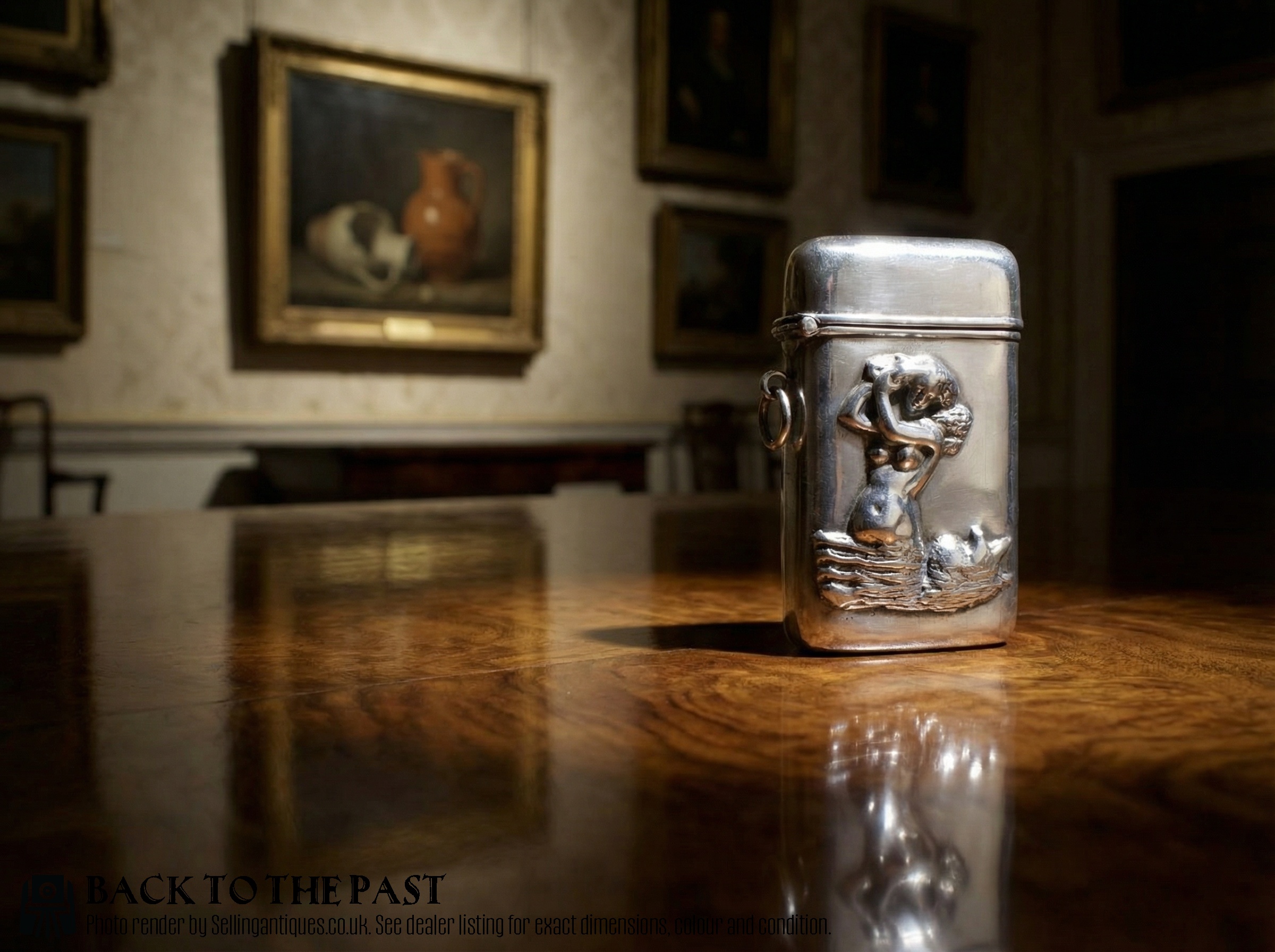
When you search for a sterling silver matchbox, you are looking at pocket companions and desk holders designed to ignite and protect matches.
Sterling Silver Matchbox
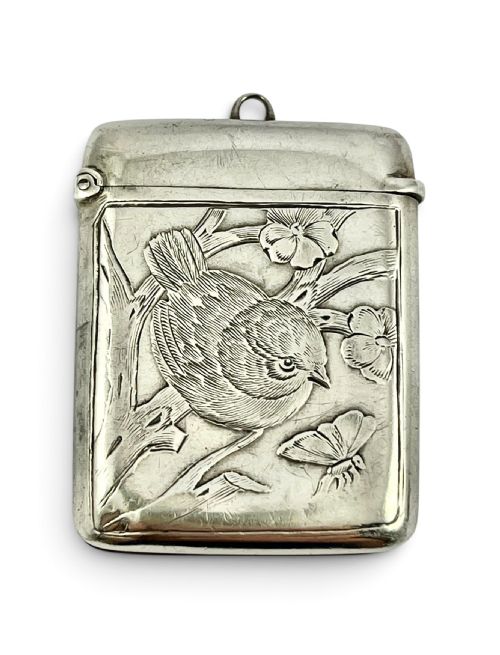
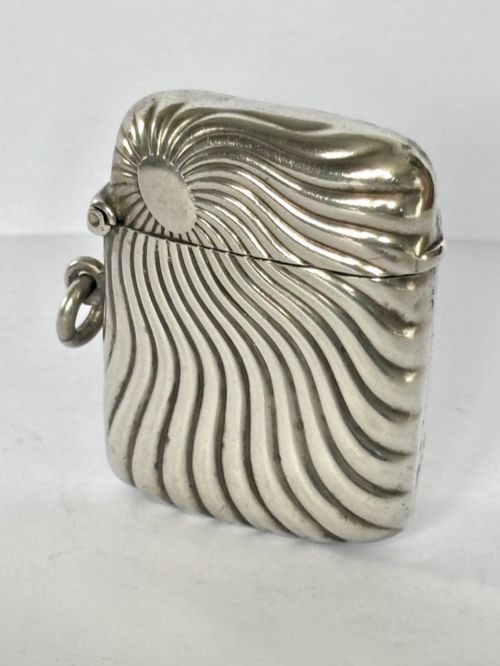
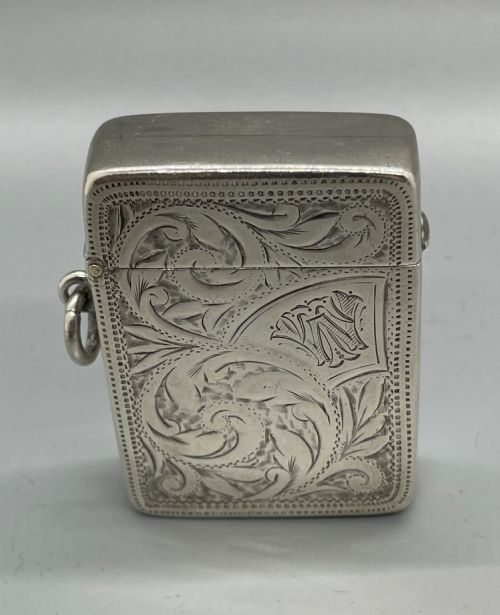
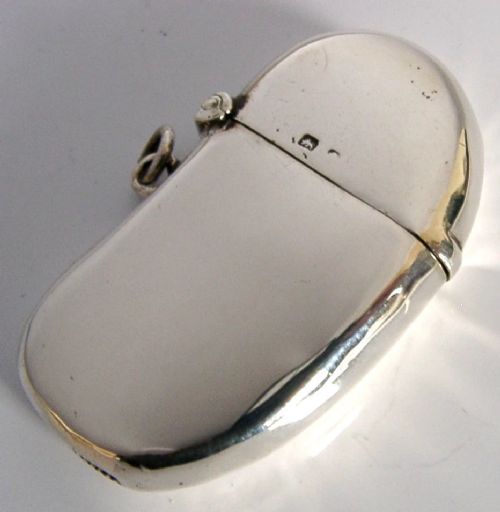
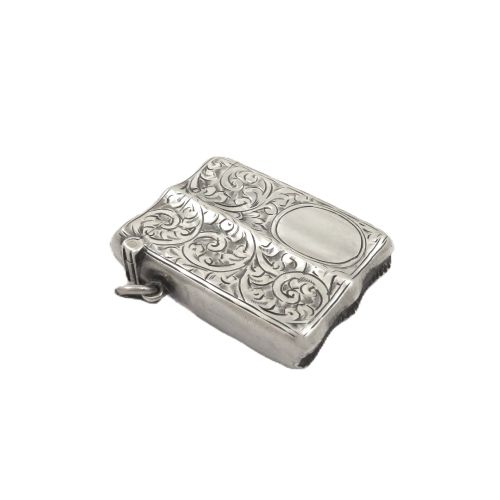
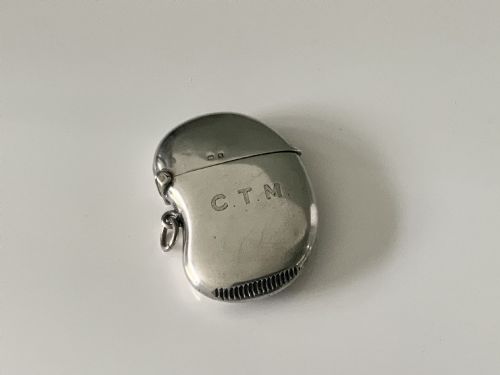
A sterling silver matchbox takes several distinct forms, encompassing traditional slip-cover matchbox holders alongside vestas, match safes, and combination pocket pieces. The most common versions seen on this page date from the Victorian and Edwardian periods, stretching through the George V era and into the early twentieth century.
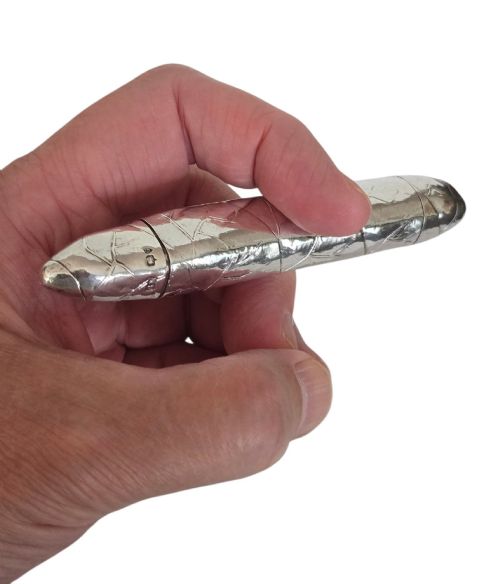
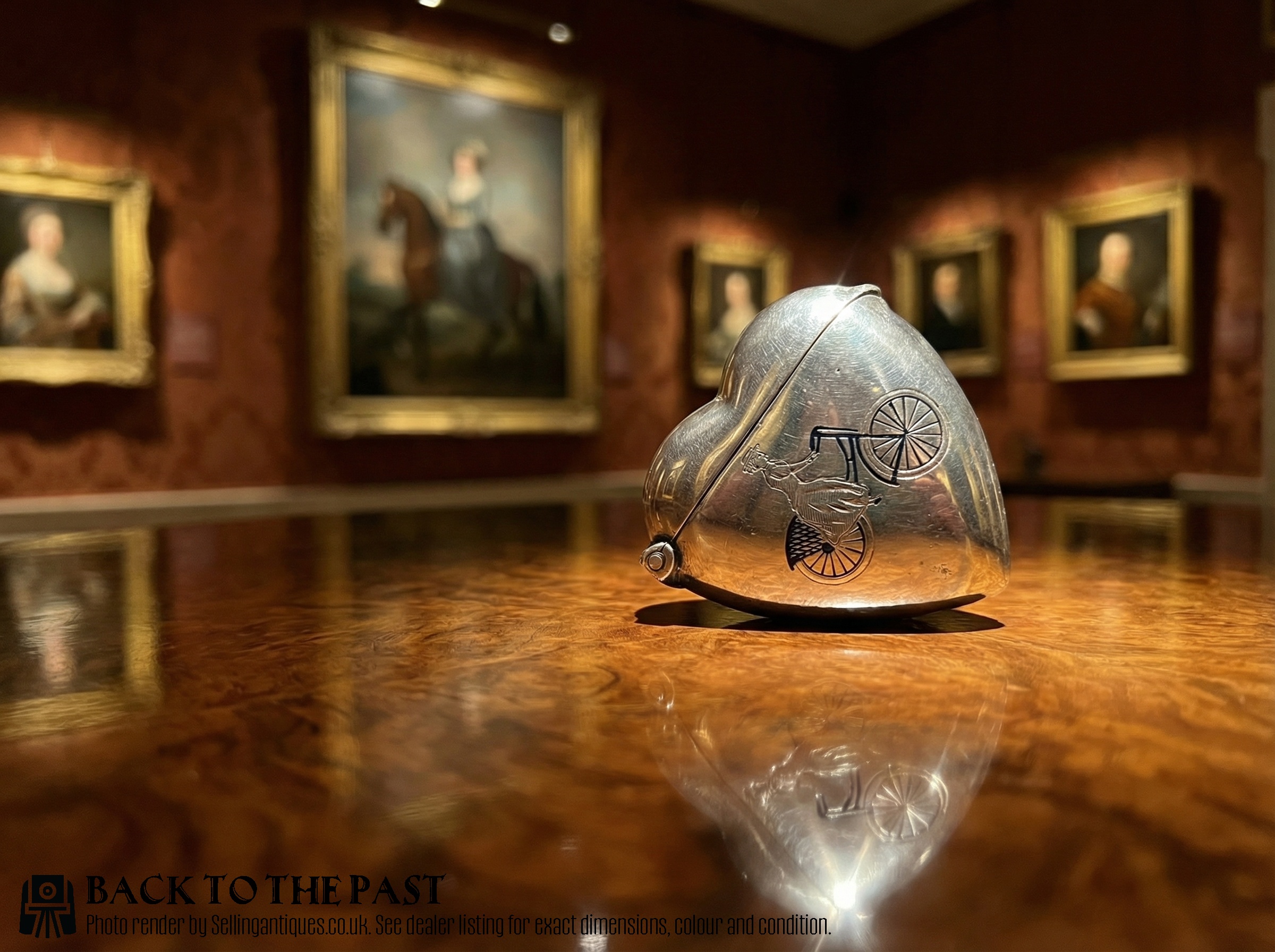
Makers produced standard rectangular covers for domestic use, alongside tactile pocket vestas shaped like kidneys, books, or sentry boxes. Novelty examples model animals, boars, and figures, reflecting the Victorian appetite for playful smoking accessories.
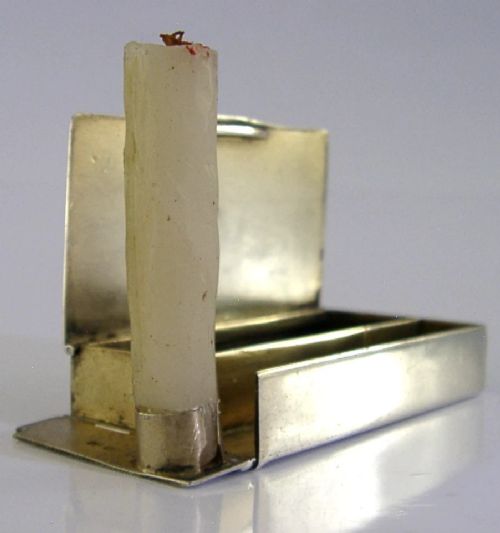
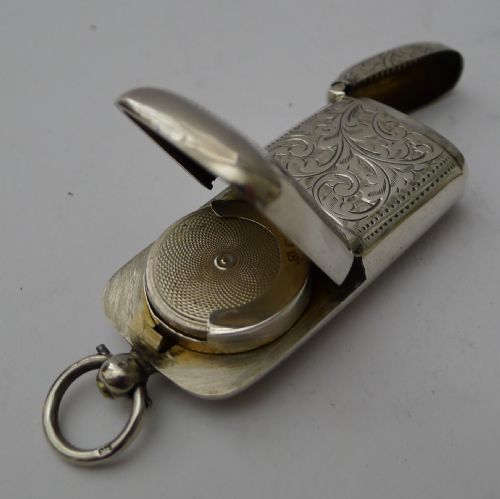
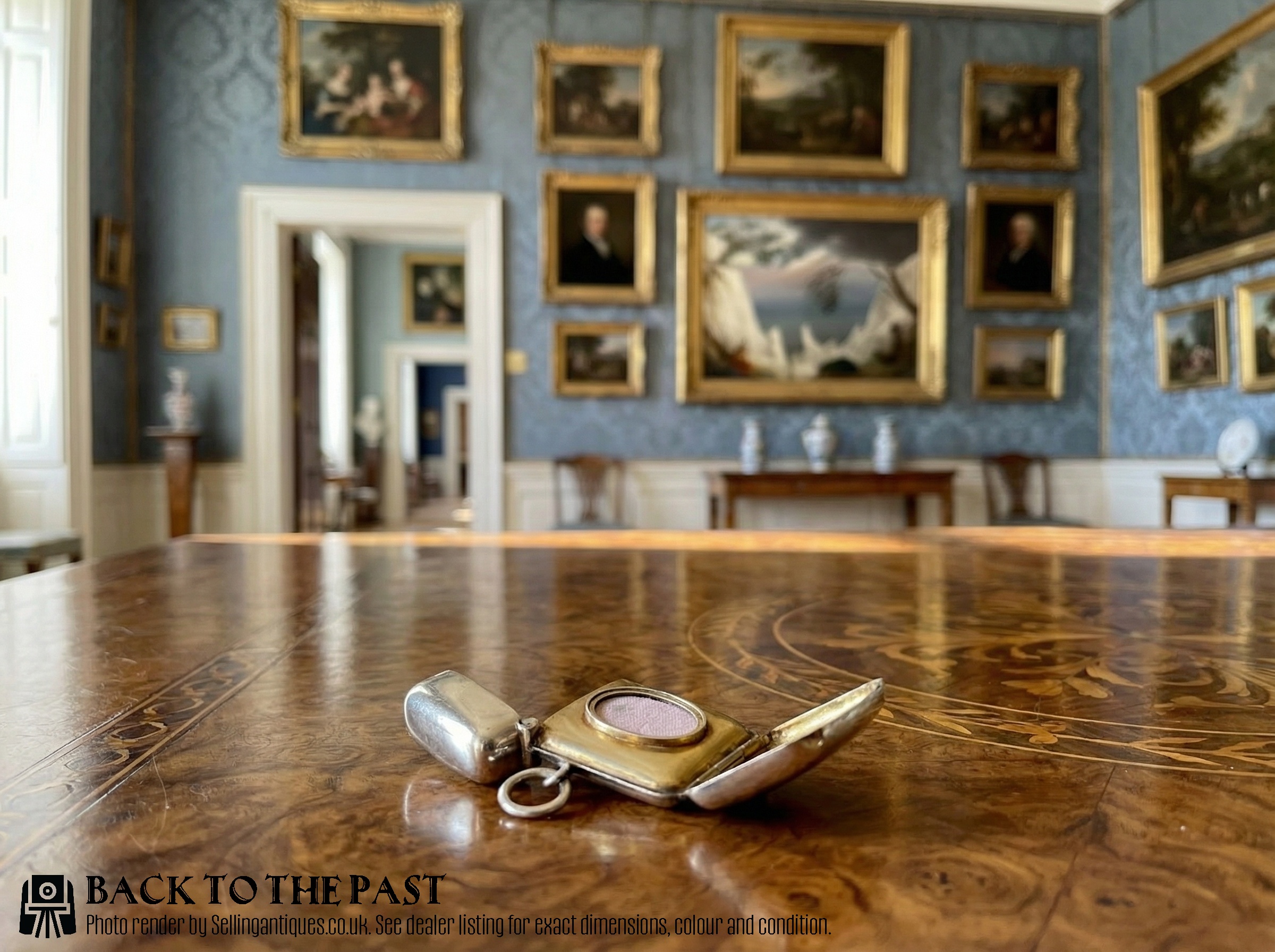
Makers also combined the core function with other items, creating dual-purpose pieces that house sovereigns, stamps, wax tapers, or photographs alongside matches.
Materials and Technique
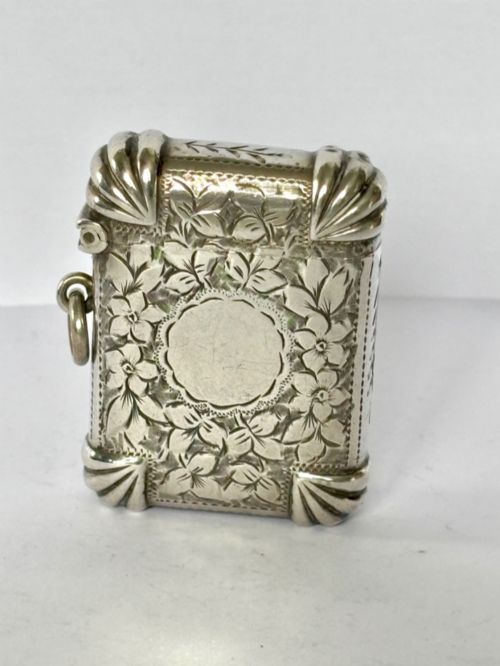
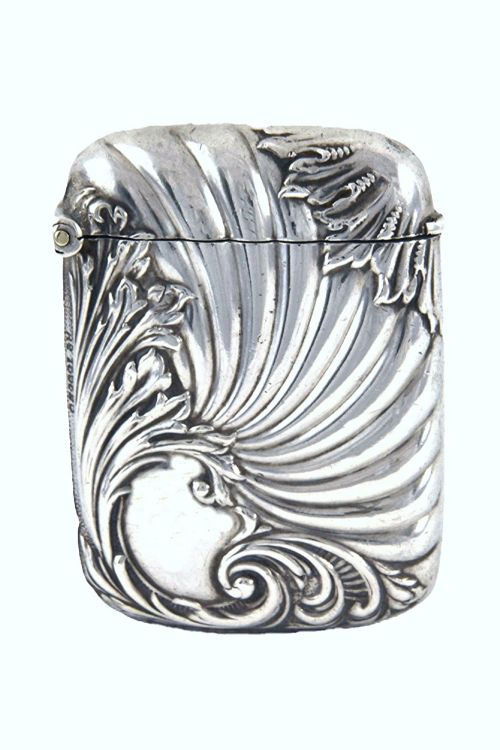
Silversmiths constructed these pieces primarily from sterling silver, shaping the metal through stamping, casting, repoussé work, and meticulous hand engraving. Many incorporate structural elements in silver alloys alongside functional additions like striker surfaces.
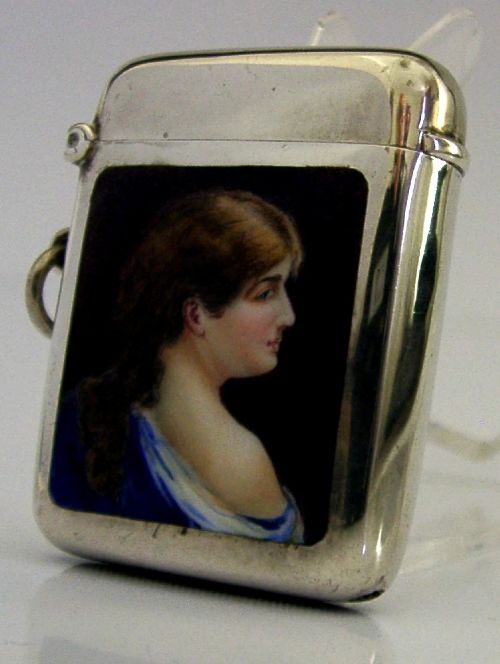
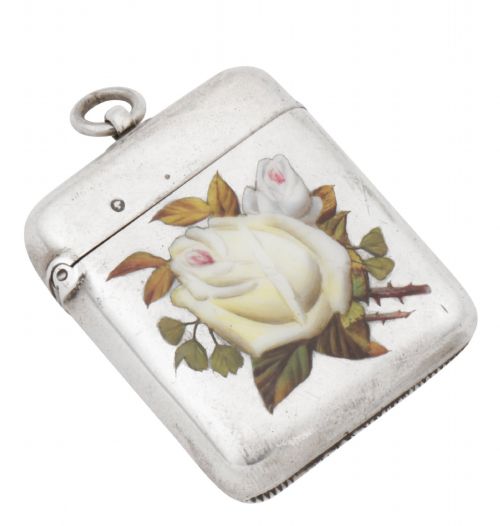
Decorative work frequently employs vitreous enamel, hand painting, or applied gold and jewel accents to elevate simple match holders into colourful visual objects. Interior compartments often utilise fabric linings, suede, or specialised holders for wax tapers and sealing wax.
Sterling Silver Matchbox Retail Price Guide 2026
Typical asking prices for sterling silver matchbox among the pieces listed under this phrase on Sellingantiques today, from the lower quarter to the upper quarter. They describe what is for sale here now, not the wider market.
Some Victorian silversmiths shaped match holders into tiny boars and running dogs, giving pocket friction a distinctly unruly character.
Evaluating Quality
Quality rests upon the crispness of the chasing and repoussé relief, the stability of hinged lids, and the precise fit of sliding sleeves. Pieces that retain sharp corners and a firm snap on the spring-loaded lid demonstrate superior original manufacture.
The presence of undamaged vitreous enamel, hand-painted details, or complex multi-compartment mechanisms distinguishes exceptional studio output from standard commercial production.
Sampson Mordan & Co·William Neale·Robert Chandler·Adie Lovekin·Alfred Clark
The Sterling Silver Matchbox Glossary
- Vesta case
- A small pocket container designed to hold matches, featuring a textured striking strip on the base. These portable boxes protected fragile wooden matches from moisture and accidental friction.
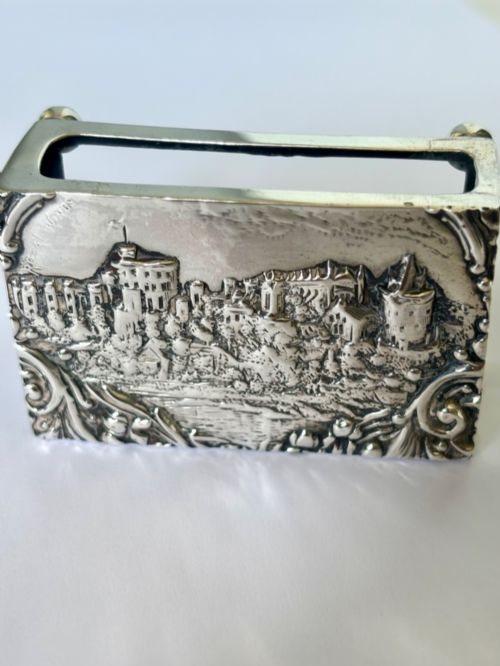
- Castle top
- A style of decorative relief on silver items depicting a specific historic building or architectural scene. Royal Windsor and similar landmarks appear frequently on these covers.
- Go-to-bed
- A small combination matchbox and candle holder used for lighting a bedroom candle before electricity. The user extracted a match, struck it against the case, and lit the taper.
- Hallmark
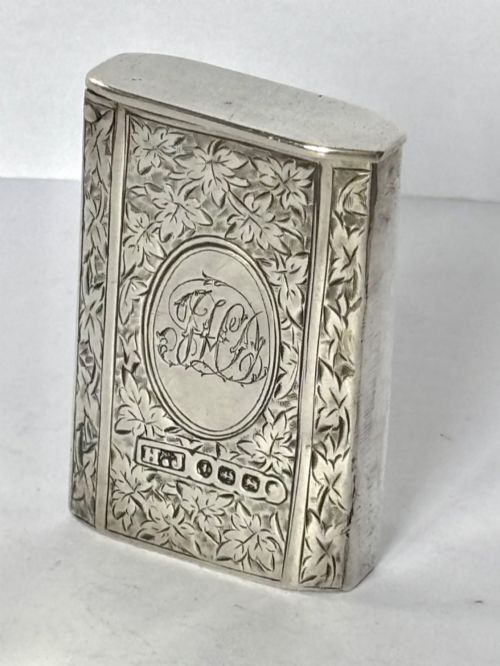
- An official stamp impressed into precious metal indicating the standard of purity, the assay office, and the year of manufacture. British pieces display town marks and date letters.
- Repoussé
- A metalworking technique where the silversmith hammers the design from the reverse side to form a raised pattern in relief. Details are subsequently refined from the front.
Sterling Silver Matchbox: Frequently Asked Questions
What is a vesta case?
A vesta case is a small pocket container used in the nineteenth and twentieth centuries to carry safety matches. They typically feature a hinged lid and a serrated panel underneath for striking the match.
These cases were essential personal items for smokers and travellers before the widespread availability of disposable lighters.
How do I date a silver matchbox?
You date a piece by reading the hallmarks stamped into the silver, which include a standard mark, an assay office symbol, and a specific date letter. Style cues such as Art Nouveau curves or Edwardian proportions also help narrow down the decade of manufacture.
Comparing the maker's mark against historical records provides the exact year the item passed through the assay office.
What is a matchbox cover?
A matchbox cover is an open-ended sleeve designed to slip directly over a standard cardboard box of safety matches. They were kept on dining tables, desks, or smoking stands to conceal commercial packaging.
Unlike pocket vestas, these holders lack integrated lids and rely on the matchbox itself to fill the interior space.
How were combination matchboxes used?
Combination pieces served dual purposes for daily organisation, housing matches alongside stamps, sovereigns, photographs, or sealing wax. Wealthy owners carried them to keep multiple small valuables secure in one pocket.
The inclusion of extra compartments indicates a higher grade of bespoke manufacture commissioned for specific personal habits.