


Sterling Silver Lidded Jar
When searching for a sterling silver lidded jar, collectors discover a diverse array of containers spanning Georgian, Victorian, Edwardian, and mid-century periods.
Sterling Silver Lidded Jar
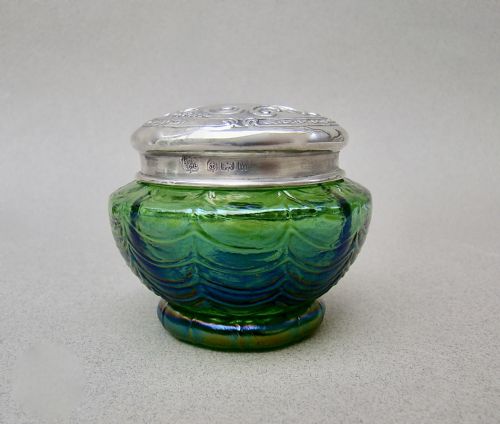
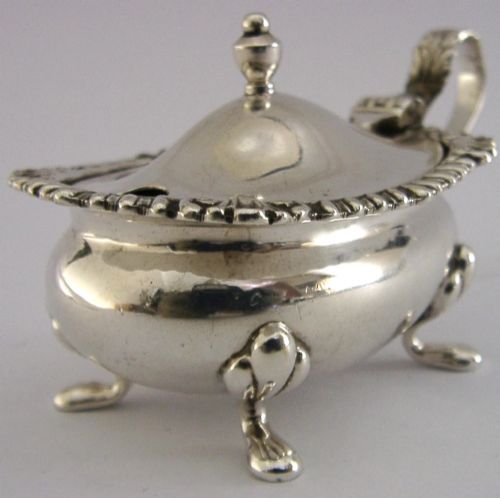
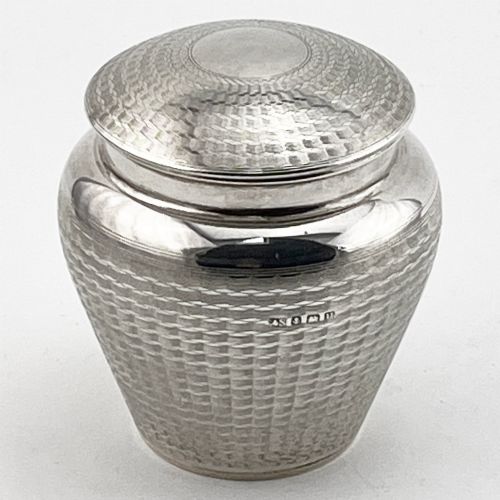
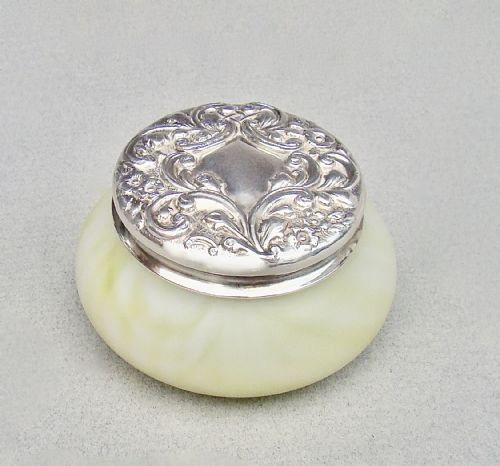
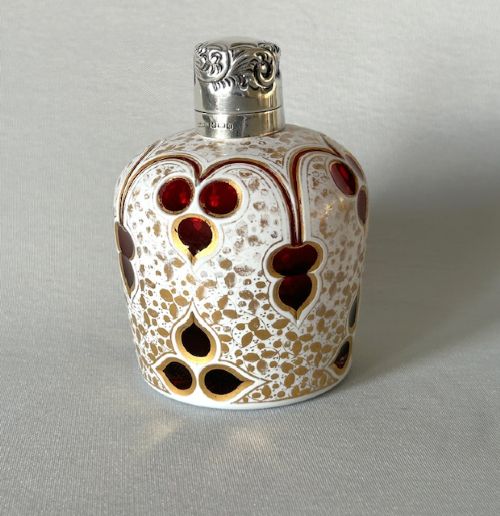
A sterling silver lidded jar encompasses a wide variety of small, functional vessels designed for dressing tables, desks, and dining rooms. These objects include vanity jars, trinket boxes, scent bottles, tea caddies, mustard pots, and preserve jars.
The assortment on this page reflects production across the nineteenth and twentieth centuries, incorporating styles from Victorian floral engravings to sleek Art Deco geometric lines and Arts and Crafts simplicity.
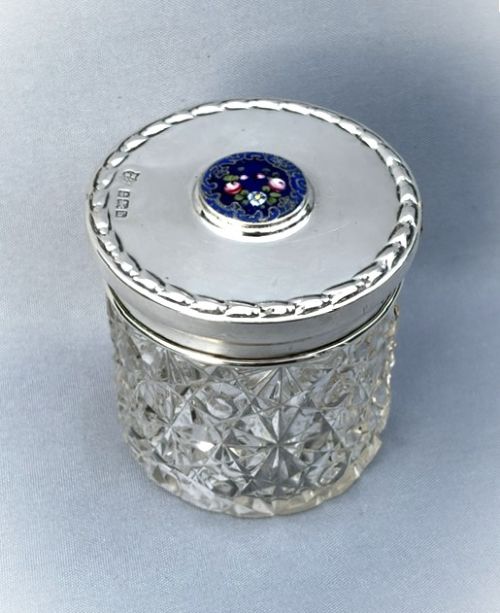
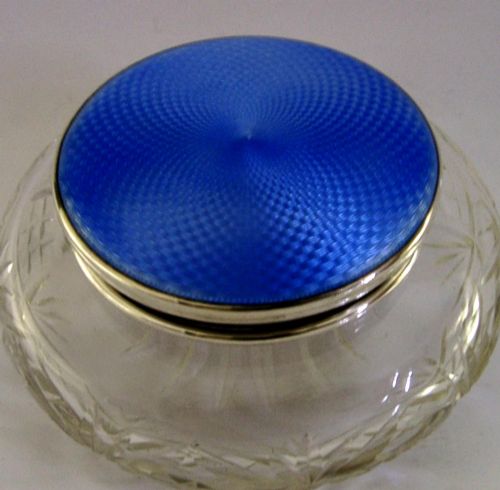
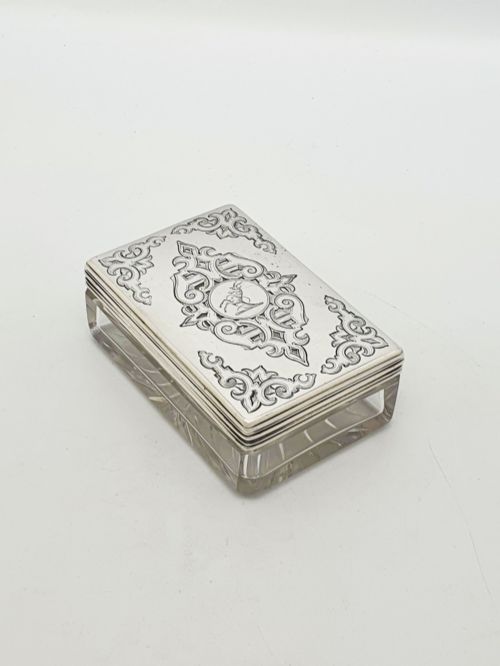
Vessels feature substantial sterling silver mounts, covers, or entire bodies paired with contrasting elements such as cut glass, coloured crystal, enamel, and tortoiseshell.
How they were made
The manufacturing process typically combines silversmithing techniques with glassblowing, crystal cutting, or organic material preparation. Lids and mounts are formed from sterling silver, often shaped via stamping, spinning, or hand-raising before receiving engraved, chased, or enamelled decoration.
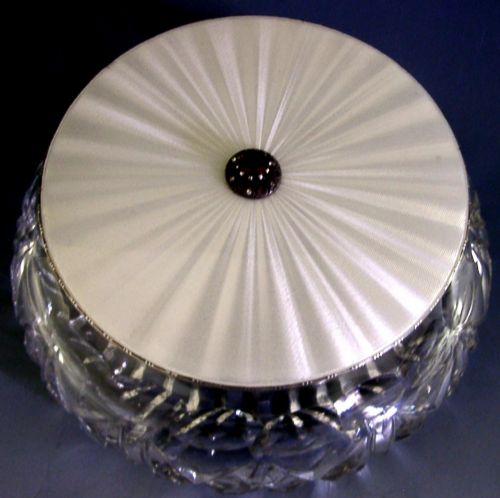
Glass bodies are frequently moulded, heavy-cut, or overlaid with coloured glass such as cranberry, cobalt blue, satin, and amethyst varieties. Artisans then secure the silver components to the glass or incorporate tortoiseshell and guilloche enamel panels using specialised adhesives and precise mechanical fittings.
Object forms range from small vanity jars and scent bottles to tea caddies and mustard pots with coloured glass liners.
What varies in quality
Quality in a sterling silver lidded jar depends on the weight and gauge of the precious metal used in the mount or lid, alongside the clarity and depth of any cut glass or crystal body. Thicker silver resists denting and supports sharper, crisper hallmarks and decorative chasing.
The sophistication of supplementary materials dictates overall distinction, separating standard vanity items from exceptional pieces featuring multi-coloured guilloche enamel, pique inlay tortoiseshell, or work by prominent silversmiths.
A. J. Pepper & Co·A. Bromet & Co·Ernest Druiff & Co·Walker & Hall·Omar Ramsden·Asprey
The Sterling Silver Lidded Jar Glossary
- Guilloche
- A decorative technique where a precise, intricate geometric pattern is mechanically engraved into a metal surface beneath a translucent layer of enamel. This method creates shimmering, light-reflecting waves or sunburst effects popular in Edwardian and Art Deco pieces.
- Tortoiseshell
- The mottled brown and amber shell of certain marine turtles, historically utilised for luxury box lids and vanity items. It is often enhanced with silver pique inlay or delicate engraving.
- Tea caddy
- A small container originally designed to store dry tea leaves securely away from moisture and light before infusion. Examples often feature tightly fitted pull-off lids or secure hinged covers.
- Hallmark
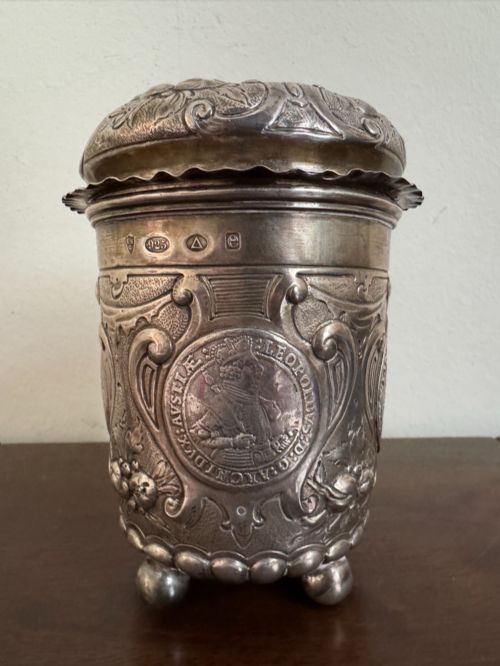
- An official stamp or series of marks applied to precious metals indicating the purity standard, the assay office, and the year of manufacture. These symbols allow historians to date items accurately.
- Pique inlay
- A method of decorating tortoiseshell or ivory by embedding tiny points, pins, or delicate strips of gold and silver to form floral or geometric motifs.
Sterling Silver Lidded Jar: Frequently Asked Questions
What were sterling silver lidded jars used for originally?
These vessels served diverse domestic functions on dressing tables, writing desks, and dining sideboards. Owners kept cosmetics, pins, salts, preserves, and tea leaves inside them.
Their decorative covers protected the contents while adding an element of refined elegance to daily nineteenth and twentieth-century routines.
How can I tell the date of a silver lidded jar?
Dating relies primarily on the stamped hallmarks found on the sterling silver components. These official marks record the assay office, standard of silver, and a specific date letter corresponding to the year of production.
Stylistic indicators, such as Art Deco geometric forms or Victorian floral chasing, offer secondary clues when hallmarks are rubbed.
How should I clean the glass and silver components?
Silver parts require gentle cleaning with a soft microfibre cloth and specialised silver polish, avoiding contact with any glass, enamel, or tortoiseshell. Glass bodies can be washed in warm, soapy water and dried thoroughly.
Enamelled and tortoiseshell surfaces demand extra care and should only be wiped with a damp cloth rather than immersed in liquid.
Are these jars suitable for holding food items?
Many surviving pieces, such as mustard pots, preserve jars, and tea caddies, were specifically manufactured to hold consumables. Glass liners within silver frames prevented direct contact between food and the metal.
Modern owners often continue to use them for condiments or dry goods, provided the interior glass or silver remains clean and sound.