



Sterling Silver Dish Ring
A sterling silver dish ring is a hollow, pierced centrepiece designed to support a bowl or dish above a table.
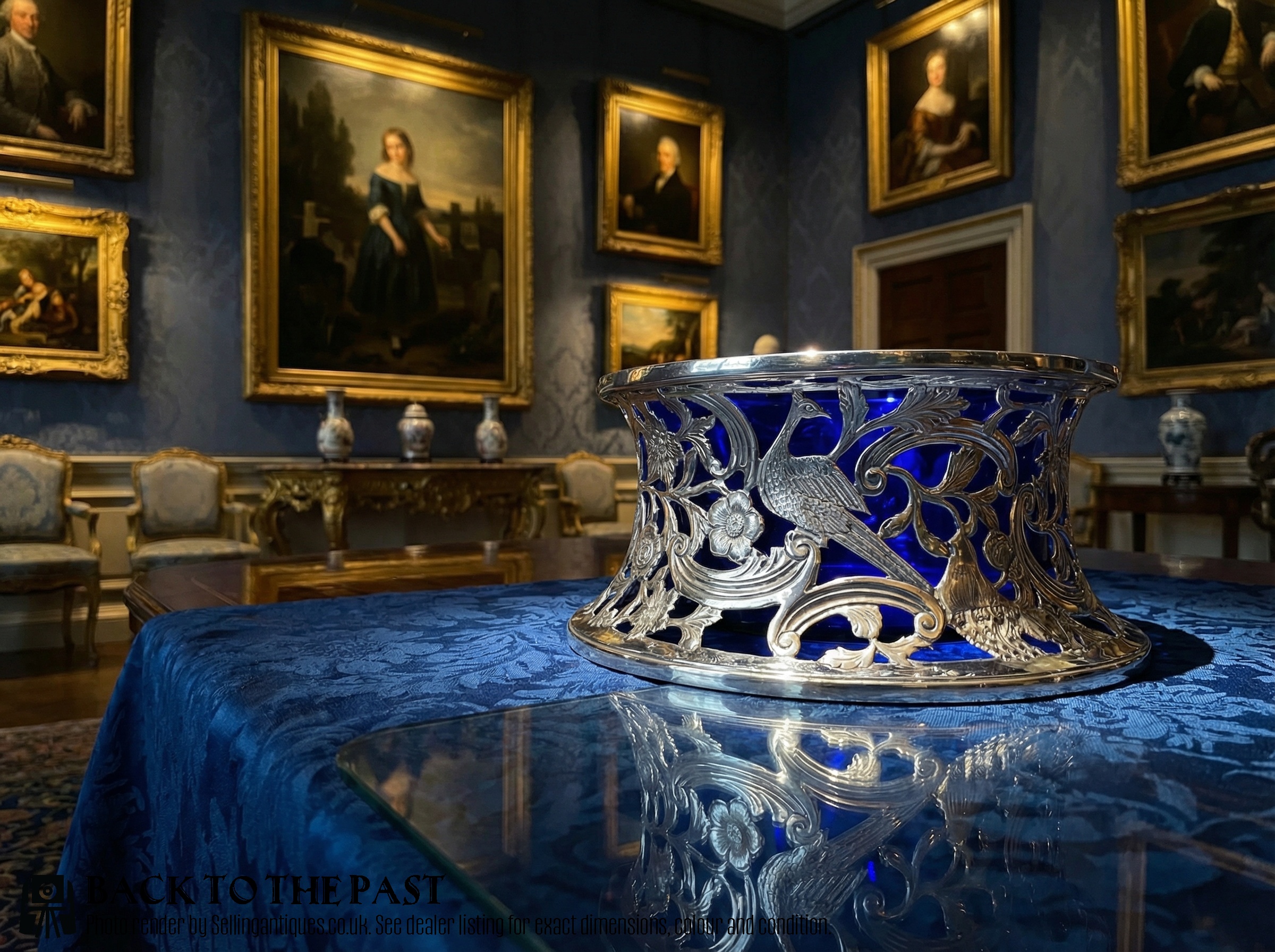
Sterling Silver Dish Ring
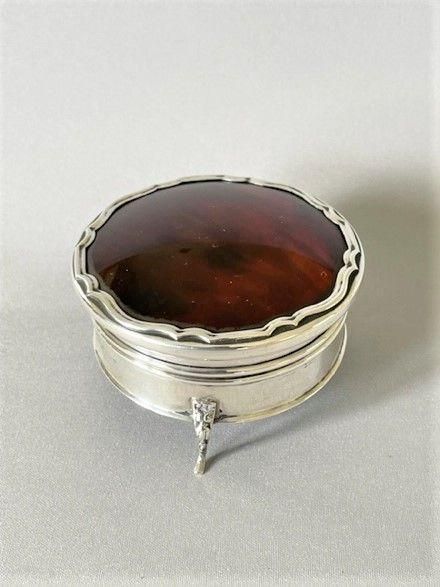
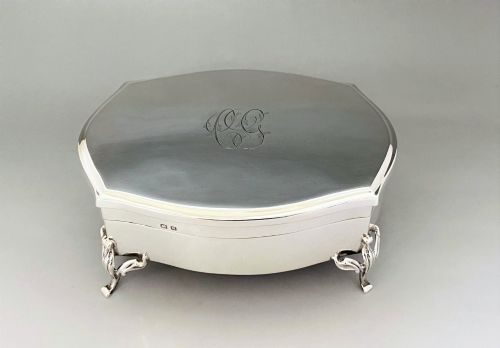
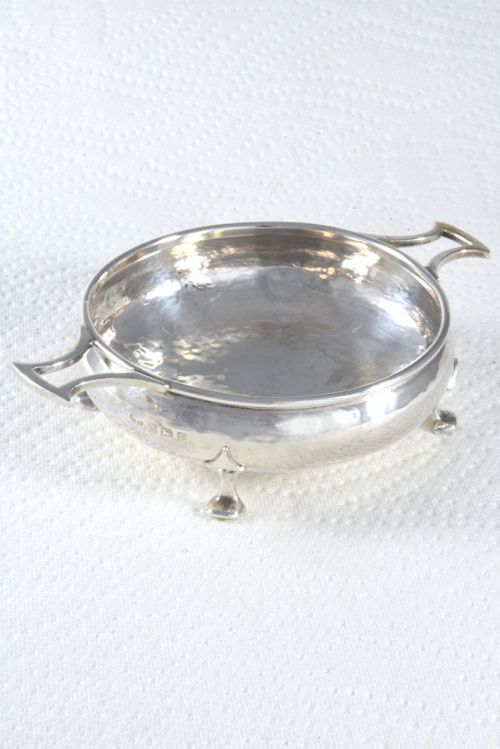
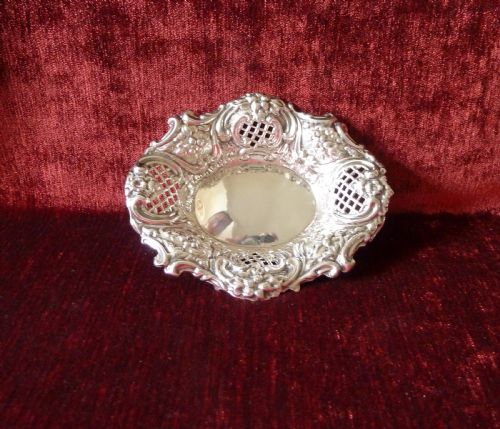
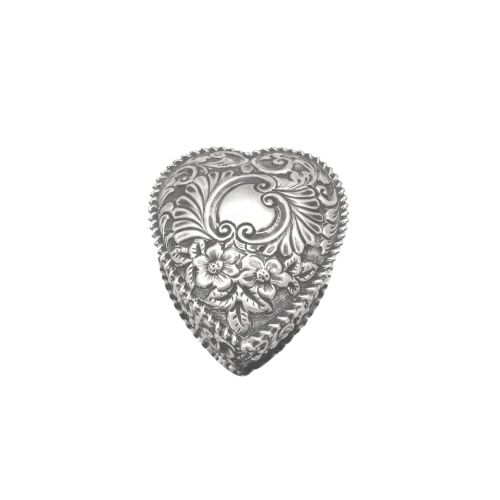
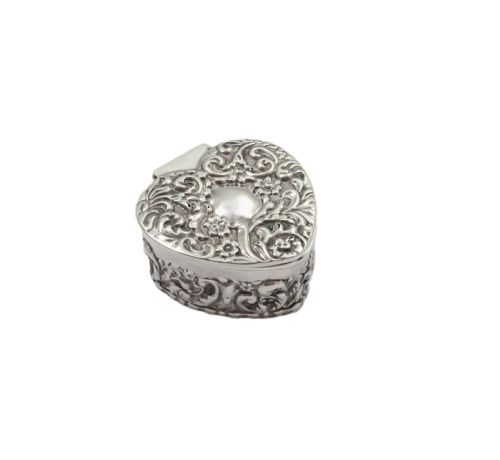
When you search for a sterling silver dish ring, you encounter hollow vessels and related small receptacles spanning the Victorian, Edwardian, and George V periods. The core form is an open, drum-shaped ring, sometimes identified as a potato ring, alongside associated silver dishes and trinket boxes from the same eras.
The pieces on this page originate predominantly from English workshops, with distinct Irish styles appearing among the heavier dish rings. Alongside the large pierced rings, you find small pin dishes, ring trees, and fitted boxes lined for keepsakes.
How they were made
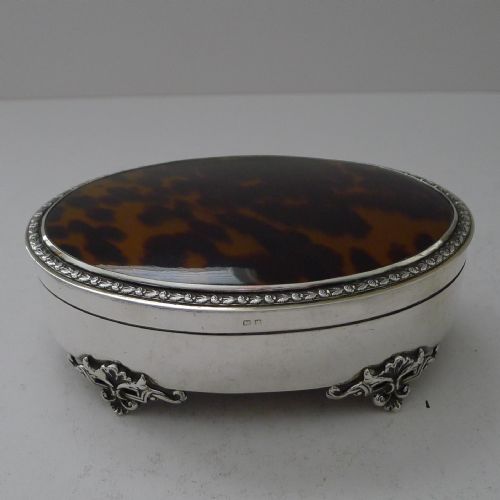
Makers shaped sterling silver into cylindrical dish rings through piercing, embossing, and chasing, often creating intricate openwork lattices of scrolls, floral motifs, and cherub reliefs. Smaller trinket boxes and pin dishes frequently incorporate fitted elements such as tortoiseshell lids and cobalt blue glass liners.
The construction relies on solid silver sheet metal formed into open frames or lidded boxes, bearing hallmarks that record the assay office, city, and year of creation.
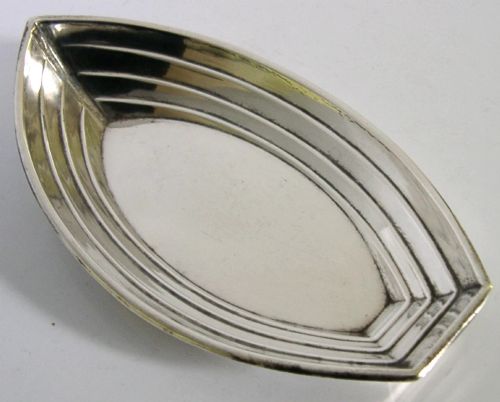
A solitary silver rowing boat appears among the traditional bowls, proving that Edwardian silversmiths maintained a sense of humour on the water.
What varies in quality
The distinction between standard and superior pieces rests on the weight of the sterling silver and the depth of the chased or pierced decoration. Heavier dish rings and substantial fitted jewellery boxes demonstrate a higher standard of craftsmanship in their metal thickness and structural integrity.
Quality also shows in the integration of secondary materials, such as well-fitted tortoiseshell panels and clear, unblemished cobalt blue glass inserts that complete the original design.
Wallace·James Hennell·William Neale And Sons·Henry Williamson Ltd·Nathan And Hayes·Carringtons Of London
The Sterling Silver Dish Ring Glossary
- Dish ring
- A hollow, spool-shaped ornamental stand placed on a dining table, historically used to support a bowl or dish.
- Ring tree
- A small upright stem mounted on a circular base, designed to hold several rings when removed.
- Hallmark
- A stamped official mark on precious metals indicating the standard of purity, the maker, and the year of assay.
- Tortoiseshell
- The mottled brown shell of certain sea turtles, used as an overlay panel on silver trinket boxes.
- Cobalt blue glass
- Deep blue glass utilised as a liner inside open silver dishes and bowls.
Sterling Silver Dish Ring: Frequently Asked Questions
What is a dish ring used for?
A dish ring serves as an ornamental stand placed on a dining surface to support a hot dish or bowl, protecting the table underneath.
Today, these openwork silver rings function primarily as decorative centrepieces or standalone display objects within a room.
How do I know the date of my silver?
British silver bears a series of hallmarks that include a specific letter stamp denoting the year the piece was assayed and entered the market.
Matching this punchmark against standard assay office tables reveals the exact year of production for Victorian and Edwardian pieces.
Are glass liners original to the dishes?
Many silver pin dishes and bowls were paired with cobalt blue glass inserts designed to sit snugly within the pierced metal framework.
Original liners fit the interior contours precisely and share the same period characteristics as the surrounding sterling silver mount.
How should I clean a silver dish ring?
Clean sterling silver gently using a soft cloth and a specialised silver polish designed to remove tarnish without harming the chased details.
Avoid abrasive cleaners that wear down the delicate high points of the embossed patterns and pierced lattices over time.