




Sterling Silver Coin Case
A sterling silver coin case keeps currency secure in the pocket, offering tactile craftsmanship from Victorian and Edwardian makers.

Sterling Silver Coin Case
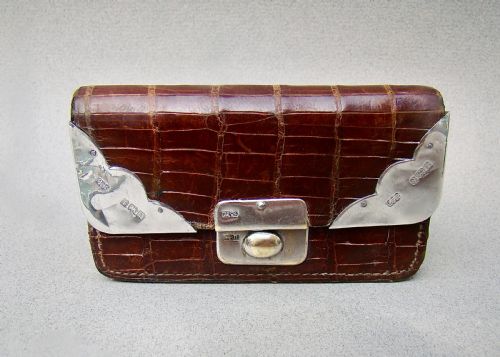
Most examples encountered on this page originate from the late nineteenth and early twentieth centuries, spanning the Victorian, Edwardian, and George V periods. Makers utilised durable sterling silver alongside tactile linings and exterior panels of crocodile leather and silk.
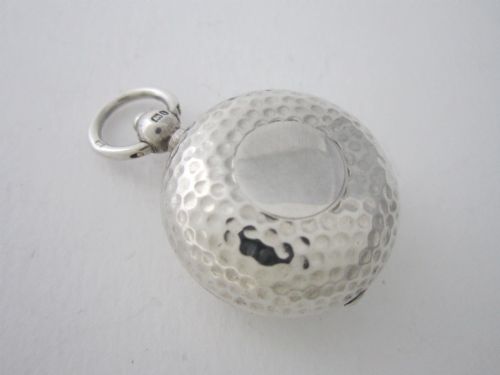
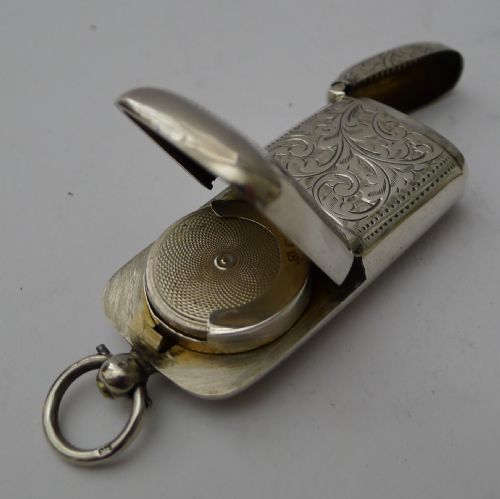
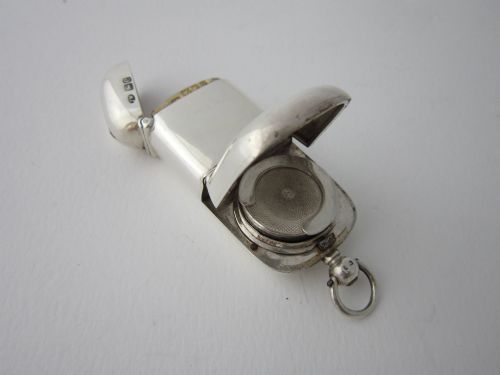
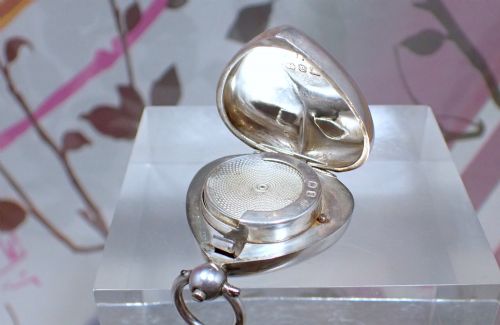
Form follows function closely in these accessories, with circular sovereign cases mirroring coin dimensions and heart shapes appearing in smaller holders. Combination pieces unite sovereign storage with vesta compartments for matches, reflecting the daily habits of the period.
How they were made
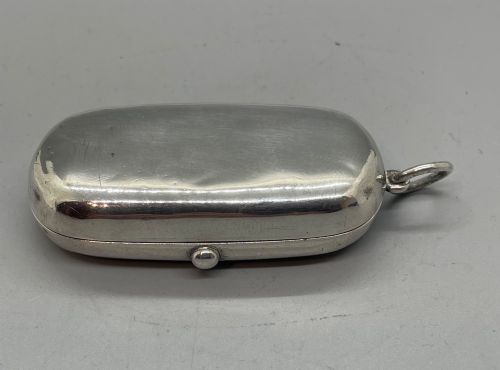
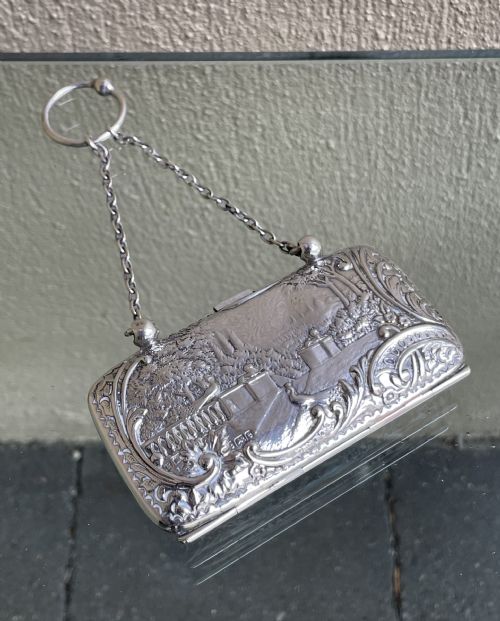
Silversmiths constructed these cases primarily from sterling silver, shaping the metal through stamping, pressing, and hand-engraving. Exterior surfaces often received polished finishes or detailed scrollwork, whilst internal spring mechanisms were engineered to hold coins firmly in place.
Textured elements relied on organic materials such as crocodile leather and silk fitted into purses and mounted cases. Metal components were assayed in centres like Birmingham and London, bearing hallmarks that recorded the year of production and the maker's mark.
Listings feature sterling silver combined with crocodile leather and silk, alongside fully metallic sovereign and vesta cases.
What varies in quality
Differentiation in these pieces arises from the complexity of the mechanism and the precision of the silversmith's hand. Combination cases that house both sovereigns and matches demonstrate greater mechanical ambition than simple single coin holders.
The integration of secondary materials like crocodile skin and silk linings alters the character of the piece. Crispness in engraved decoration and sturdy internal spring tension distinguish superior examples from standard production.
Charles Penny Brown·Aaron Lufkin Dennison·Henry Charles Freeman·Wright and Davies·Ludwig Krumm
The Sterling Silver Coin Case Glossary
- Sovereign case
- A small container designed specifically to hold one or more gold sovereign coins securely in the pocket. These pieces often feature spring-loaded internal partitions to release coins individually.
- Vesta case
- A pocket container built to hold matches, frequently combined with sovereign holders in a single silver housing. The base typically incorporates a striated panel for striking safety matches.
- Hallmark
- An official stamp applied to precious metals indicating the standard of silver, the assay office, and the date letter. Birmingham and London offices feature prominently in these items.
- Combination case
- An accessory that merges two distinct functions, such as a coin holder and a match vesta, into one unified silver object. These dual-purpose items required intricate internal engineering.
Sterling Silver Coin Case: Frequently Asked Questions
What fits inside a sovereign case?
These cases were manufactured to hold standard gold sovereign and half-sovereign coins used in British currency during the nineteenth and twentieth centuries. The internal clips or tubes match the exact diameter of these specific gold coins.
Today, collectors utilise them to store similar sized tokens or simply appreciate the precise mechanical engineering required to keep the currency secure in the pocket.
How do I date a silver case?
Dating relies upon the hallmarking stamped directly into the sterling silver body by assay offices in cities like Birmingham and London. These marks include a specific letter code corresponding to the year of assay.
Additional dating clues come from the overall style, whether Victorian scrollwork or clean Edwardian polished surfaces, alongside recorded maker marks.
What is a combination vesta case?
A combination case integrates a coin holder for gold sovereigns with a separate compartment designed to store matches. This dual purpose suited the daily requirements of Edwardian and Victorian gentlemen.
The base of the vesta section usually incorporates a milled striking surface for ignition, built directly into the sterling silver housing.
How were leather and silver combined?
Silversmiths mounted polished sterling silver frames and clasps onto structured bodies formed from crocodile leather or fine silk. The metal protected the vulnerable edges while the organic materials provided a tactile exterior.
Internal compartments often utilised silk linings to cushion small accessories, purses, and coins against the rigid silver structure.