




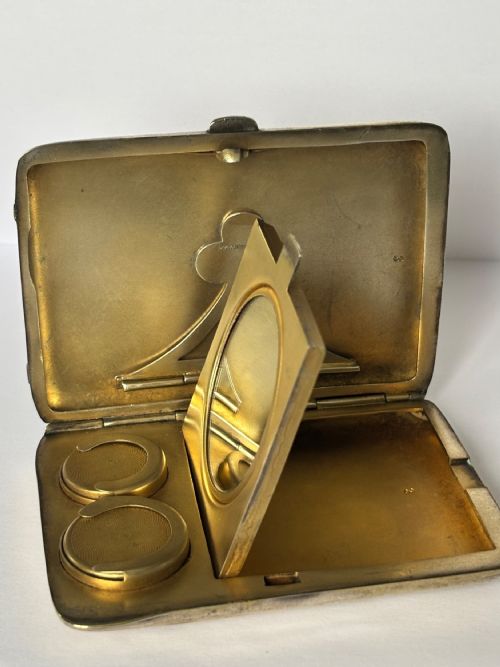


Vintage Silver Sovereign Case
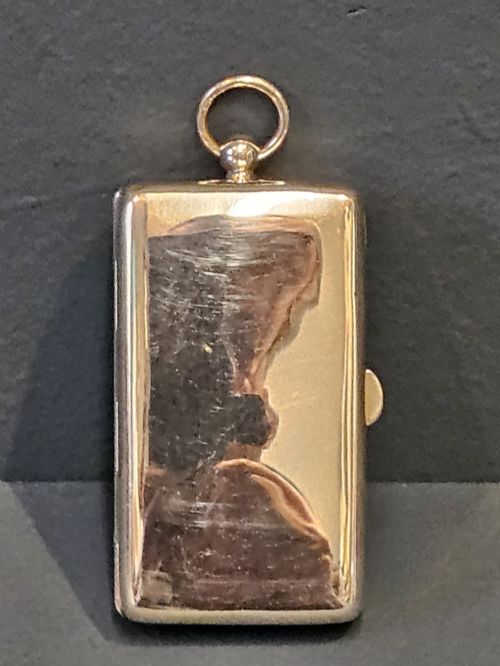
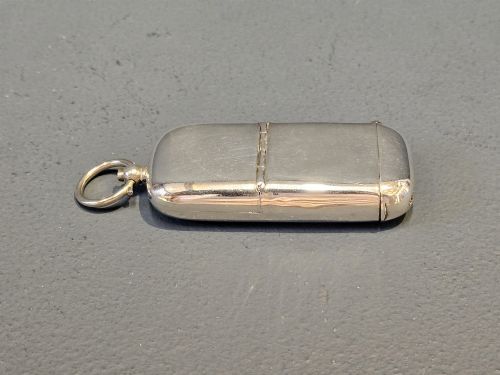
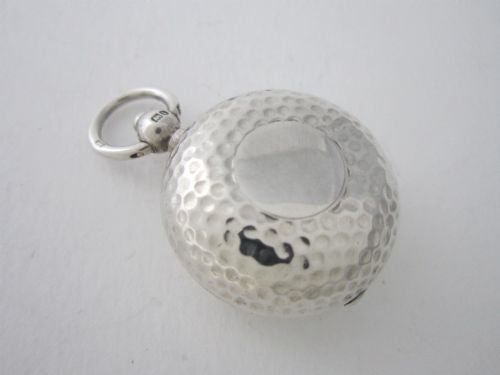
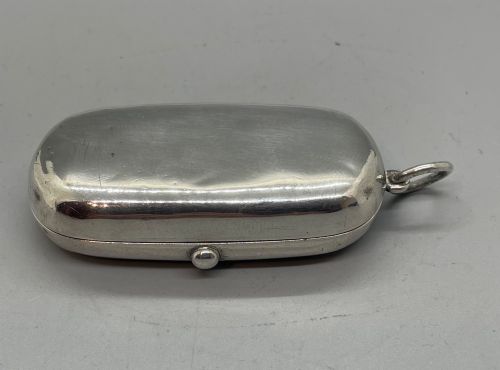
These vintage silver sovereign cases are pocket-sized pocket pieces of Edwardian and George V metalwork designed to hold heavy gold currency securely.

Vintage Silver Sovereign Case
Makers shaped these items in Birmingham from solid sterling silver, often incorporating spring-loaded internal mechanisms to keep the coins firmly in place. Alongside standard sovereign holders, the evidence shows rarer hybrid pieces such as silver gilt card compact combination cases and purses dating from the early twentieth century.
Most examples bear full hallmarks denoting their assay office origins, predominantly Birmingham, alongside dates spanning the first two decades of the nineteen hundreds. The stylistic influences range from restrained Edwardian polish through to distinct Art Nouveau and Art Deco flourishes.
How they were made
Silversmiths utilised sterling silver and silver gilt to construct the rigid outer shells, forming the metal through stamping and pressing techniques. Skilled artisans then engraved surface patterns or polished the exteriors to achieve a smooth finish.
Internal spring clips were carefully fitted to secure the individual gold coins without scratching the soft metal. Hinges and push-button releases required precise engineering to ensure the lid snapped shut with a reliable click.
Vintage Silver Sovereign Case Retail Price Guide 2026
Typical asking prices for vintage silver sovereign case among the pieces listed under this phrase on Sellingantiques today, from the lower quarter to the upper quarter. They describe what is for sale here now, not the wider market.
What varies in quality
The sophistication of the maker marks and the clarity of the Birmingham hallmarks set the standard for authenticity and provenance. Master silversmiths like Aaron Lufkin Dennison or Henry Charles Freeman produced work with sharper engrained detail and tighter mechanical tolerances.
The complexity of the form dictates distinction, separating simple single sovereign cases from elaborate combination items that house mirrors, cards, or vesta compartments. Well-preserved internal springs and crisp exterior chasing separate utilitarian items from finer examples.
Aaron Lufkin Dennison·Henry Charles Freeman
The Vintage Silver Sovereign Case Glossary
- Sterling Silver
- An alloy consisting of ninety-two point five percent silver and seven point five percent other metals, typically copper. This standard composition guarantees durability and holds crisp hallmarks.
- Silver Gilt
- Silver that has been coated with a thin layer of gold on its surface. This technique provides the rich appearance of solid gold while utilising a silver base.
- Vesta Case
- A small pocket box originally designed to hold wax matches and a striking strip. Many period examples share similar pocket dimensions and hinged designs with sovereign holders.
- Assay Office
- An official body that tests the purity of precious metals and stamps them with statutory hallmarks. Birmingham served as a primary hub for stamping these silver cases.
Vintage Silver Sovereign Case: Frequently Asked Questions
What is a sovereign case?
A sovereign case is a small, rigid metal container designed specifically to carry British gold sovereign coins securely in a pocket or waistcoat. They feature hinged lids and internal spring mechanisms to prevent the soft gold coins from rattling or falling out.
Most surviving examples date from the Edwardian and early George V periods when gold coinage circulated widely. They were essential daily accessories for gentlemen and ladies before paper currency became dominant.
How do I date a silver case?
You can date a silver sovereign case by examining the official hallmarks stamped into the metal, which typically include an anchor for Birmingham, a lion passant for sterling silver, and a specific date letter. Maker marks also provide vital clues to the exact year of production.
Stylistic elements like Art Nouveau or Art Deco motifs further help narrow down the decade of manufacture. Most pieces on this page originate from the first two decades of the twentieth century.
How were they carried?
Owners typically carried these cases in waistcoat pockets or attached them to watch chains via a small suspension loop. The sturdy metal construction protected the heavy gold coins from daily wear and tear.
Their compact circular or oval shapes allowed them to slip easily into pockets without creating awkward bulges. A secure push-button latch ensured the case remained closed during movement.