

Sterling Silver and Enamel
When you seek sterling silver and enamel, you find decorative objects and personal accessories fused with vitreous colour from the Edwardian era to the mid-century.
Sterling Silver and Enamel
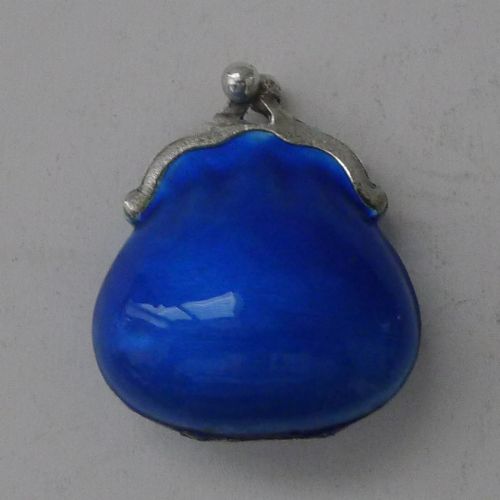
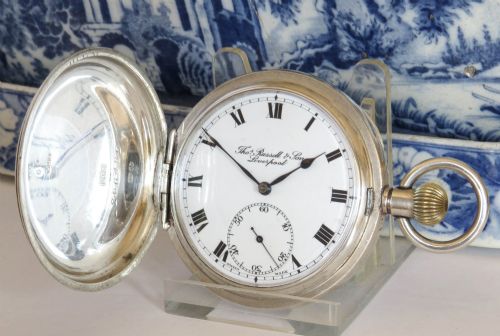
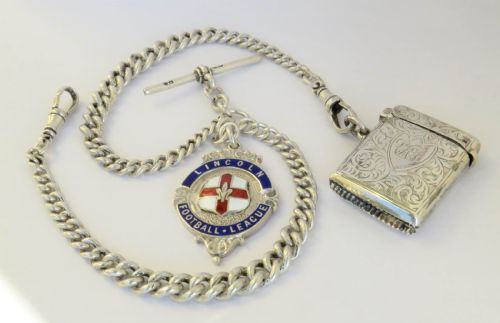
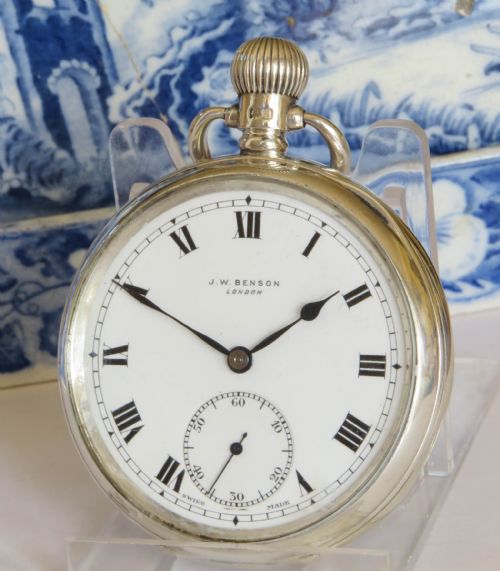
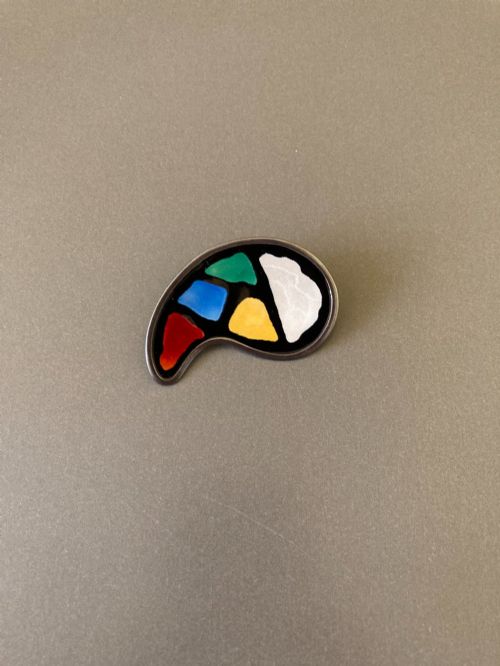
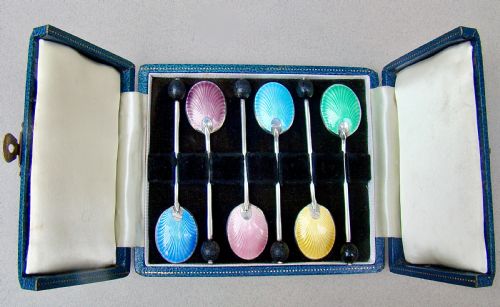
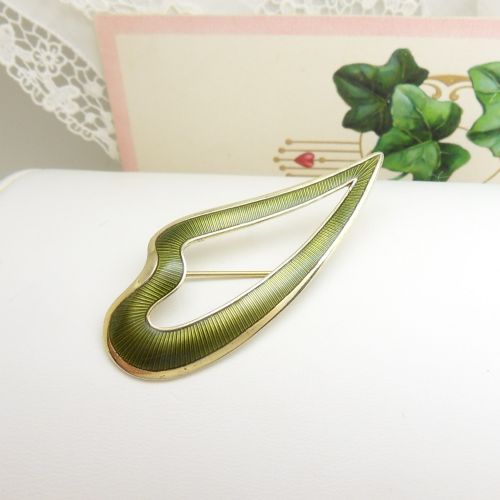
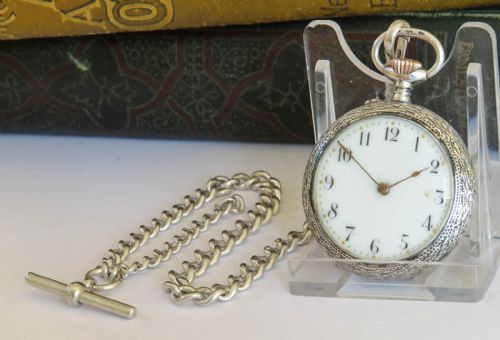
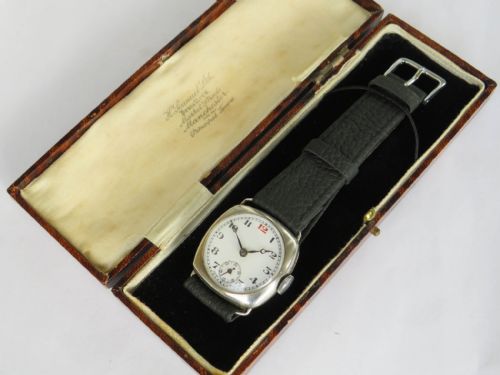
Pieces carrying sterling silver and enamel range widely in function, covering pocket watches, powder compacts, coffee spoons, pill boxes and brooches. The selection spans the Edwardian period through the Art Deco years and into Scandinavian modern design.
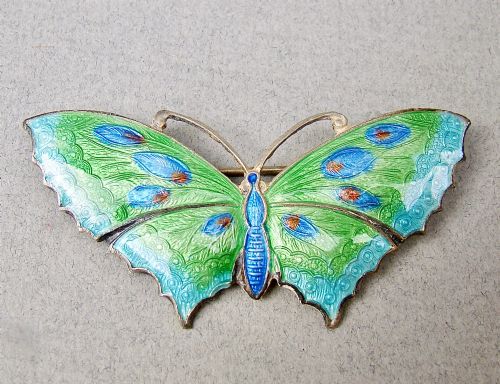
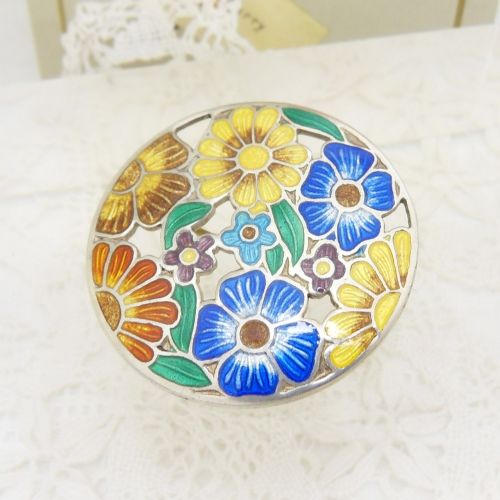
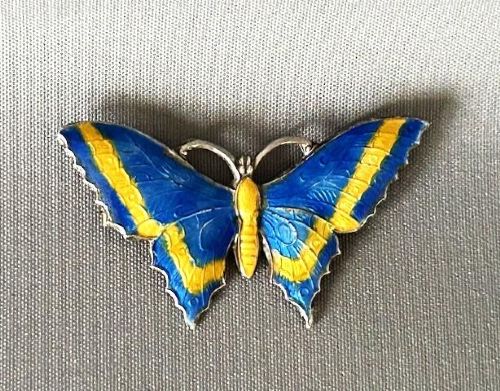
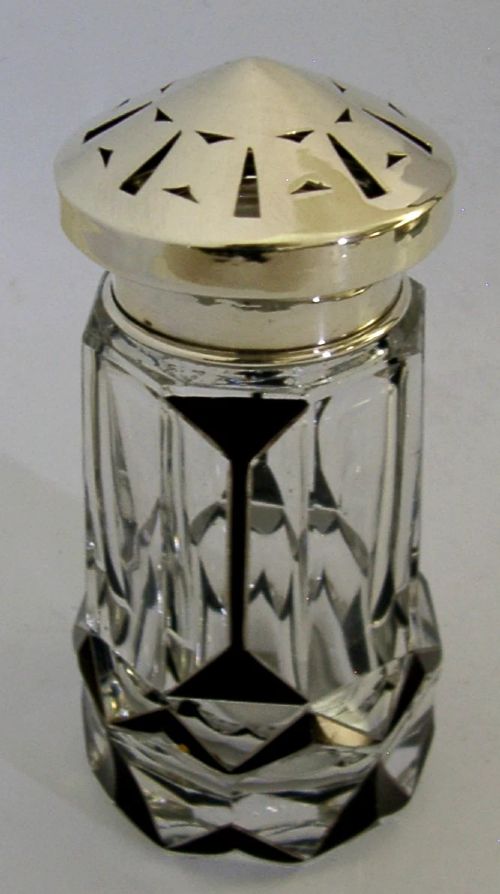
Brooches frequently display butterfly or floral motifs, while tableware items like cased spoon sets or sugar casters demonstrate practical utility combined with decorative surface work. Vanity items such as lidded trinket pots and dressing table jars appear alongside novelty pill boxes.
Materials and technique
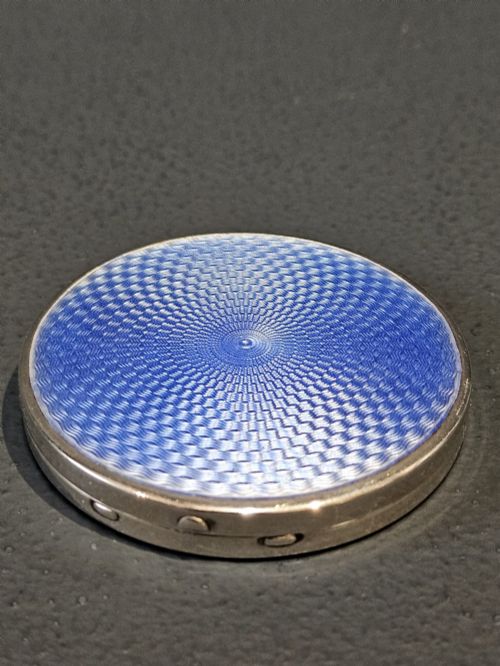
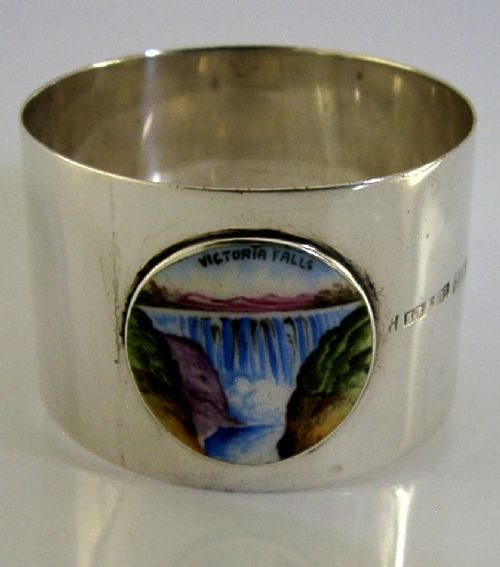
Makers fused vitreous enamel onto sterling silver bases, often employing a guilloche technique where the metal beneath was machine-turned to create geometric patterns that showed through translucent coloured glass layers. Gold vermeil accents and cut glass bodies occasionally supplemented the primary combination.
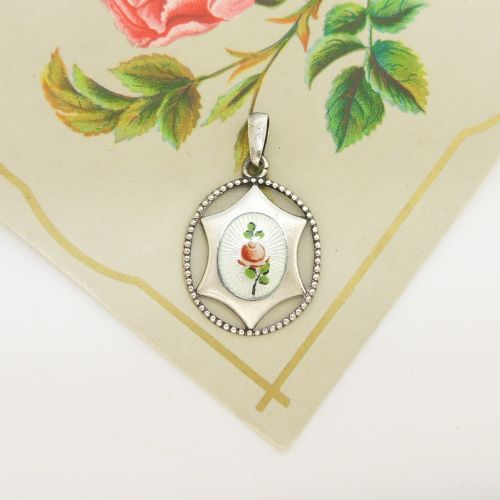
Hand-painted floral and botanical scenes required precise brushwork directly onto the enamel surface before firing. Sturdy hinges and catches on boxes and compacts relied on traditional silversmithing methods to secure the delicate glass panels.
Sterling Silver and Enamel Retail Price Guide 2026
Typical asking prices for sterling silver and enamel among the pieces listed under this phrase on Sellingantiques today, from the lower quarter to the upper quarter. They describe what is for sale here now, not the wider market.
Several sewing thimbles wear coats of red enamel, proving even industrious mending required a dash of bright colour.
Standard and execution
Depth and clarity in the enamel set finer examples apart from simpler items, particularly where engine turning reflects light through translucent layers. Crispness in hand-painted details and clean execution of guilloche patterns indicate superior workshop standards.
The integrity of the vitreous coating determines overall preservation, as well-executed pieces maintain a smooth, continuous surface without distortion around bezels and mounts. Heavier gauge sterling silver housings provide better structural support for the glass elements.
Thomas Russell·J W Benson·A H Darby And Son·K A Rasmussen·Turner And Simpson·David Andersen·Aksel Holmsen·Charles Horner·Henry Clifford Davis·The Barker Brothers
The Sterling Silver and Enamel Glossary
- Guilloche
- A decorative engraving technique that etches precise geometric patterns into metal using a mechanical lathe. This method provides the patterned background seen beneath translucent enamel.
- Vitreous enamel
- A material made by fusing powdered glass to a metallic substrate through high-temperature firing. It creates a smooth, durable coloured surface.
- Full hunter
- A pocket watch design featuring a spring-loaded metal cover that protects the glass dial face. The case lid opens via a push-piece on the crown.
- Vesta
- A small pocket-sized container specifically designed for holding matches. These matchsafes often feature hinged lids and matching silver or enamel decoration.
- Gilt
- A term describing silver or another base metal covered with a thin layer of gold. This finish provides a warm golden tone.
Sterling Silver and Enamel: Frequently Asked Questions
How do I clean silver and enamel?
Clean the silver elements carefully with a soft microfibre cloth and avoid harsh chemical dips that can damage vulnerable glass surfaces.
Keep moisture away from any exposed edges where water might seep beneath the vitreous layer over time.
What periods do these pieces come from?
The inventory spans the Edwardian era through Art Deco and into mid-century modern Scandinavian design.
Most items date from the early twentieth century up to the nineteen-sixties.
Were these items meant for daily use?
Many dressing table jars, compacts and pocket watches served practical everyday functions for their original owners.
Spoon sets and decorative boxes bridged the gap between utility and display in domestic settings.
How can I tell the age of a piece?
Birmingham and London silver hallmarks stamped on the metal provide official assay office date letters and maker marks.
Stylistic shifts between Edwardian naturalism and later geometric Art Deco designs also help date the work.