
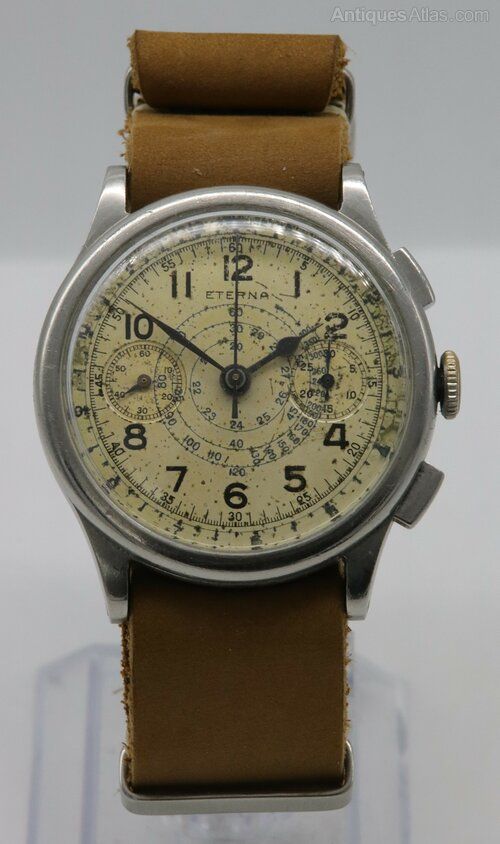
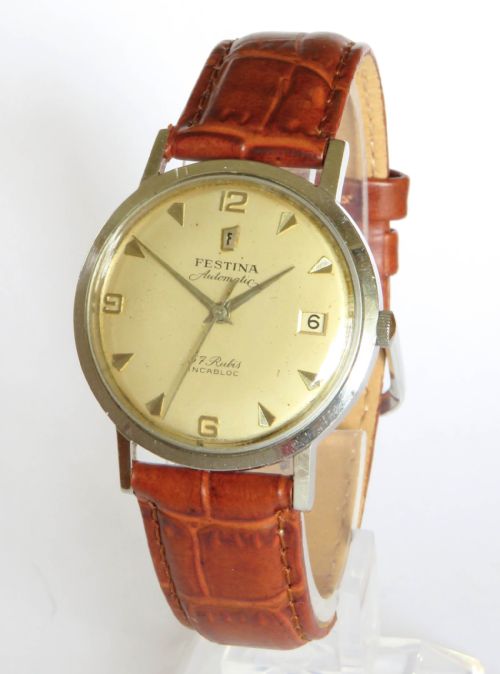
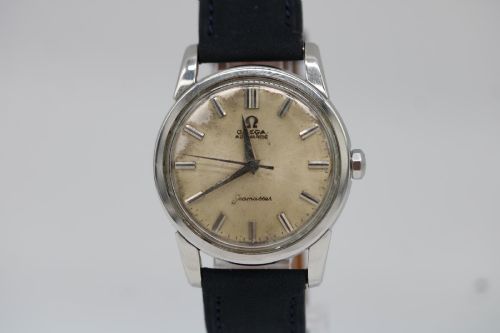
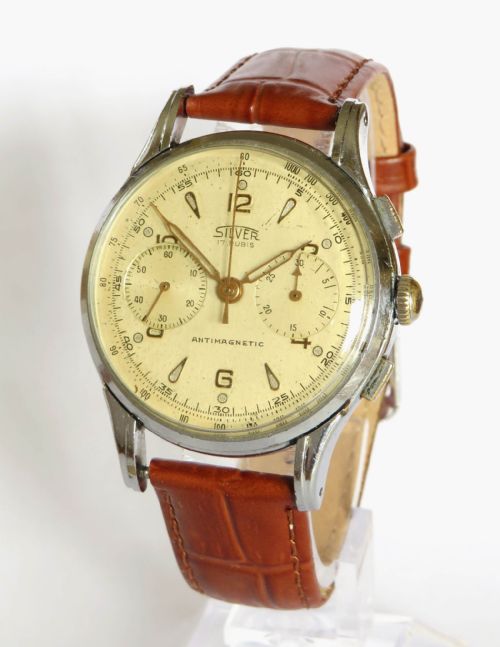
Steel Mechanical Wristwatch
A steel mechanical wristwatch carries the precise engineering of decades past on the wrist.
Steel Mechanical Wristwatch
A steel mechanical wristwatch is a portable timekeeping instrument powered by a wound mainspring rather than a battery, housed primarily in a stainless steel case. These pieces bridge utilitarian function and mid-century design, originating from decades that span the 1930s through to the 1970s.
The selections available here emphasise traditional horology, featuring manually wound or automatic movements encased in metal. Buyers encounter forms ranging from robust military and aviator configurations to understated dress models from brands that defined twentieth-century watchmaking.
How they were made
Cases of these timepieces utilise durable stainless steel, sometimes complemented by chrome or gold plate, designed to protect the intricate internal mechanics. Dials are protected by clear glass or acrylic and acrylic glass crystals, housing mechanical calibres driven by gears, springs, and oscillating weights.
Interiors rely on precision metal components assembled by hand, while exteriors are completed with fitted leather straps. Movements range from manual wind calibres requiring daily winding to automatic bumper and rotor mechanisms that power themselves through the motion of the wearer.
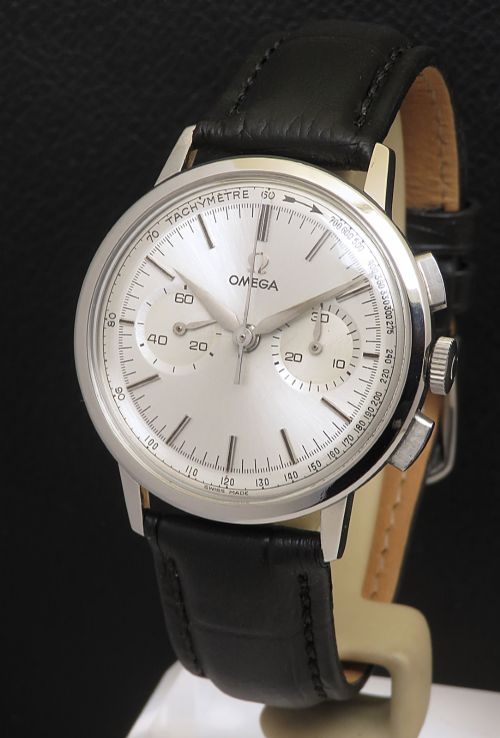
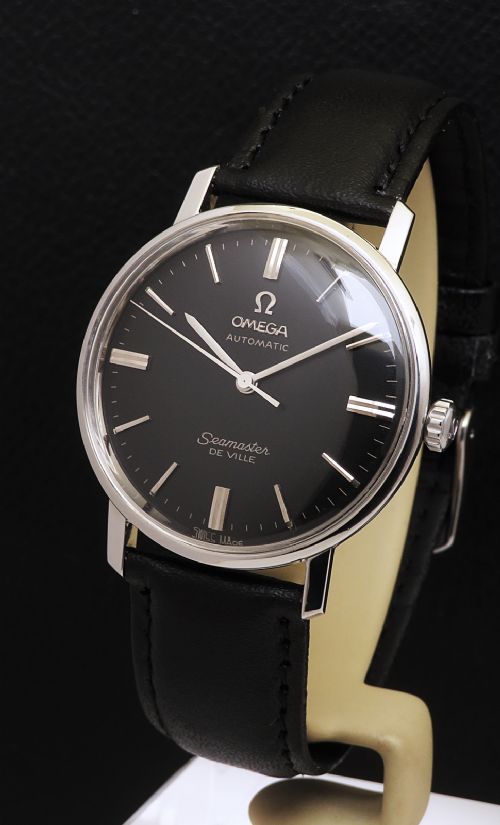
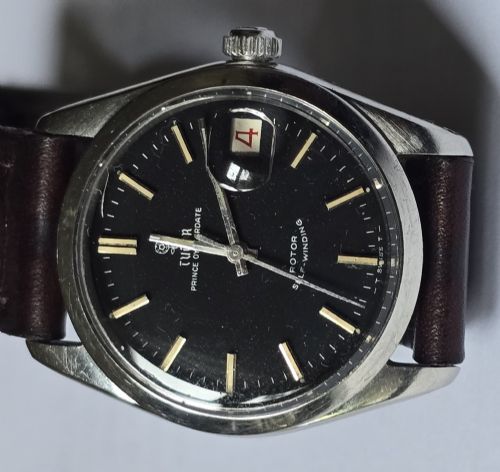
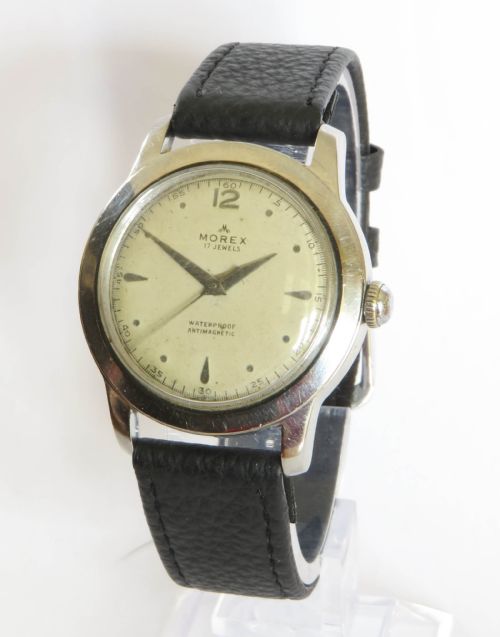
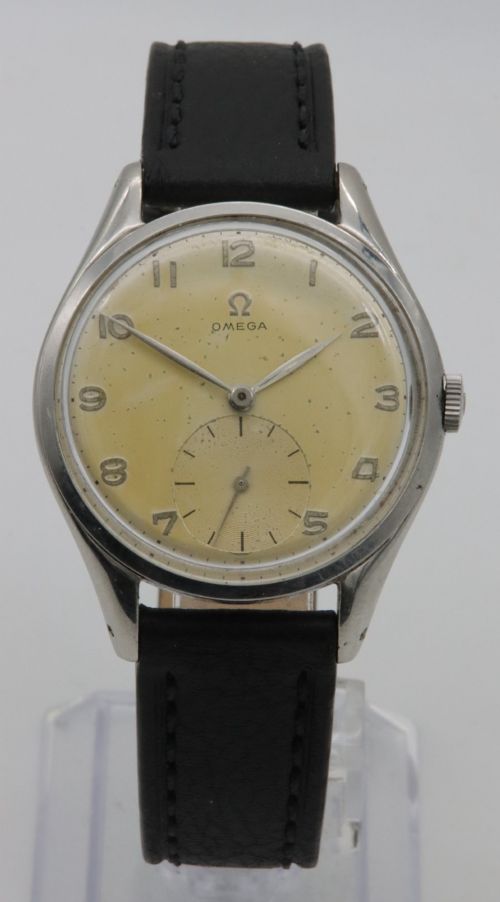
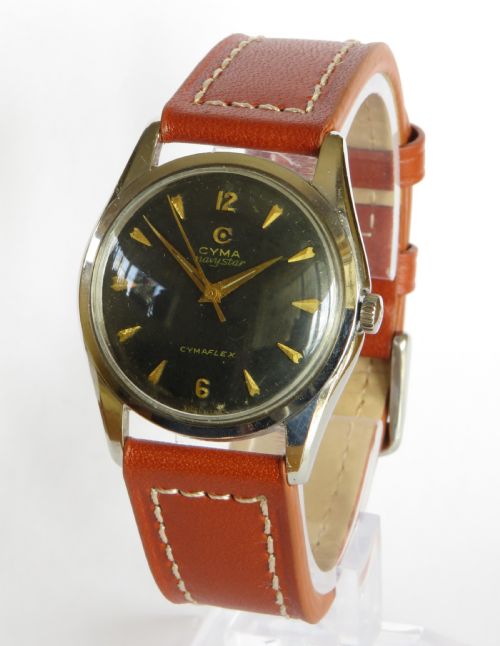
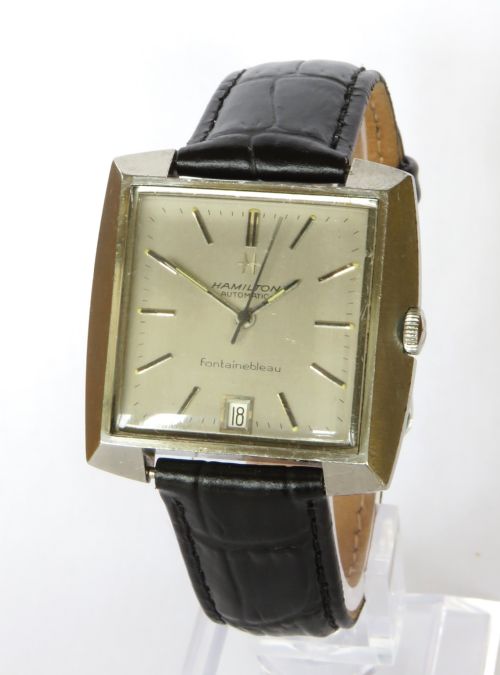
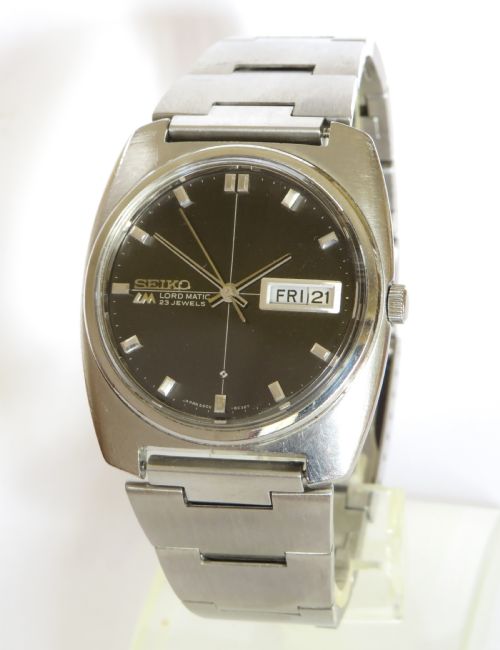
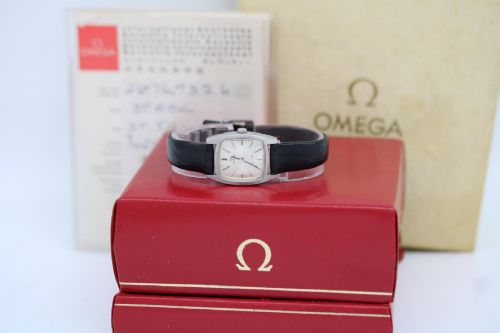
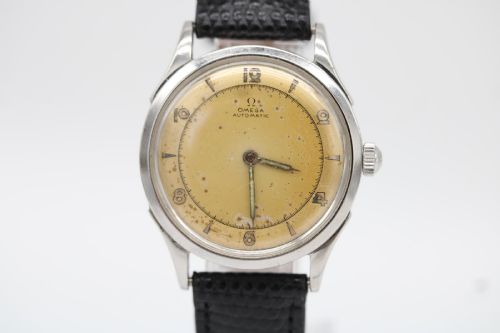
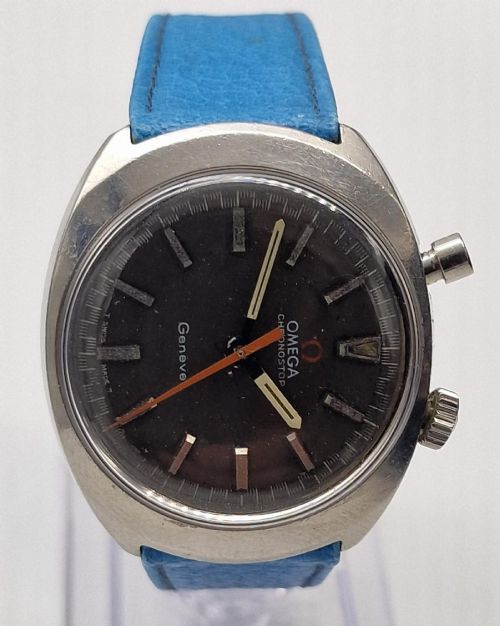
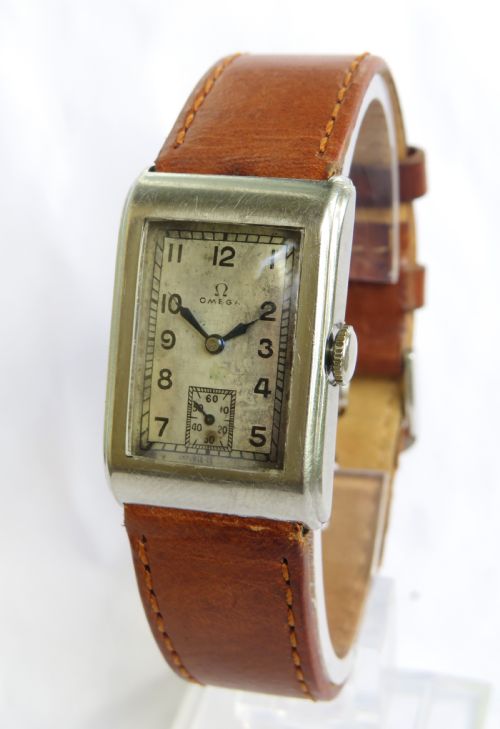
Listings span four distinct decades, featuring stainless steel cases paired with leather straps and acrylic crystals.
What varies in quality
The standing of a piece depends heavily on the execution and refinement of its internal movement, such as specialised chronograph calibres or chronometer-grade regulation. Originality of components, including matching dials, signed crowns, and well-preserved case geometry, separates standard production from examples of higher horological interest.
Condition plays a defining role, distinguishing watches retaining crisp case edges and clean, patinated dials from those experiencing excessive wear or heavy restoration. The complexity of the mechanism, from simple three-hand displays to multi-register stopwatches, dictates the sophistication of the build.
Omega·Tudor·Montilier·Cyma·Hamilton·Seiko·Eterna·Festina·Antoremi·Hahn Landeron·Longines·Bulova·Kered·Breitling·Enicar·Girard Perregaux
The Steel Mechanical Wristwatch Glossary
- Calibre
- The specific internal movement designation given by a manufacturer to a watch mechanism. This identifier helps distinguish the technical generation and layout of the gears and springs.
- Chronograph
- A watch equipped with a stopwatch function alongside regular timekeeping. Independent hands allow the measurement of elapsed seconds and minutes.
- Manual Wind
- A mechanical movement powered entirely by hand through turning the crown. This action tightly winds the internal mainspring to store potential energy.
- Automatic
- A self-winding mechanical movement that uses a weighted rotor to wind the mainspring automatically. Normal wrist movement throughout the day keeps the watch running.
- Acrylic Glass
- A lightweight, shatter-resistant plastic material used for watch crystals during the mid-century period. It can be easily polished to remove minor surface scratches.
- Panda Dial
- A watch face featuring a contrasting two-tone colour scheme, typically dark subdials against a light background. This layout resembles the face of a panda and aids legibility.
Steel Mechanical Wristwatch: Frequently Asked Questions
How do I wind a manual steel mechanical wristwatch?
Gently rotate the crown clockwise between your thumb and forefinger until you feel resistance increase. Stop turning immediately once the tension tightens to avoid damaging the internal mainspring.
Perform this action at roughly the same time each day to maintain consistent tension and accurate timekeeping. Avoid over-winding older movements, as excessive force can snap delicate vintage components.
How do I date a vintage steel watch?
Examine the numbers engraved on the outside or inside of the case back, which often correspond to specific production years or reference batches. Movement serial numbers can also be cross-referenced against factory archives to narrow down the manufacturing date.
Stylistic cues such as dial typography, hands, and case geometry also provide strong indicators of the decade in which the watch was produced.
Can I wear a vintage watch every day?
Many vintage timepieces were built as robust daily instruments, but older materials require a careful approach to modern routines. Regular servicing by a watchmaker ensures the internal oils and mechanical parts remain in proper working order.
Most historic models lack modern water resistance seals, meaning exposure to moisture, heavy rain, or swimming should be strictly avoided.