
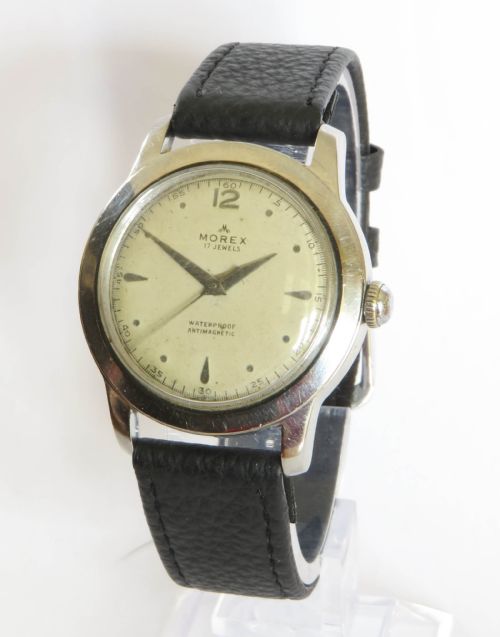
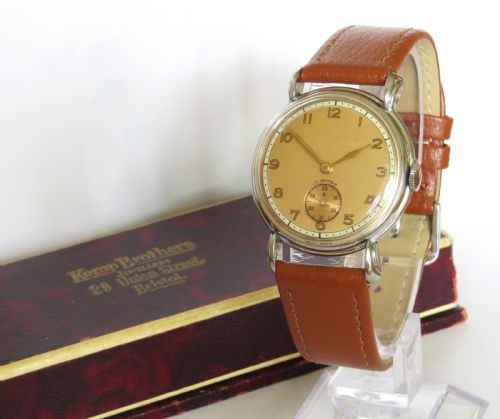
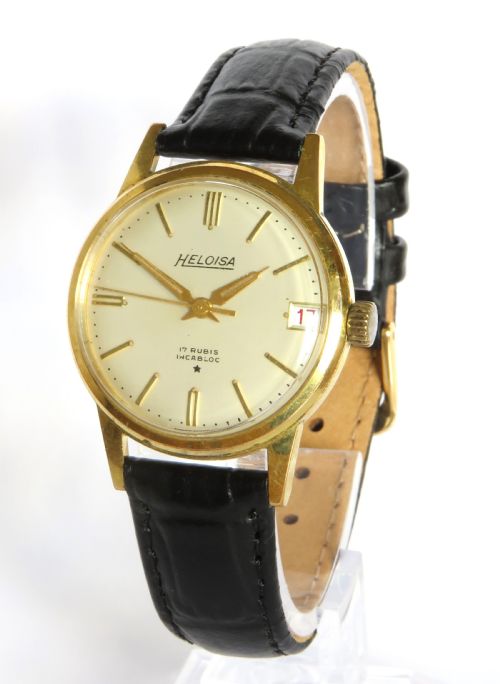
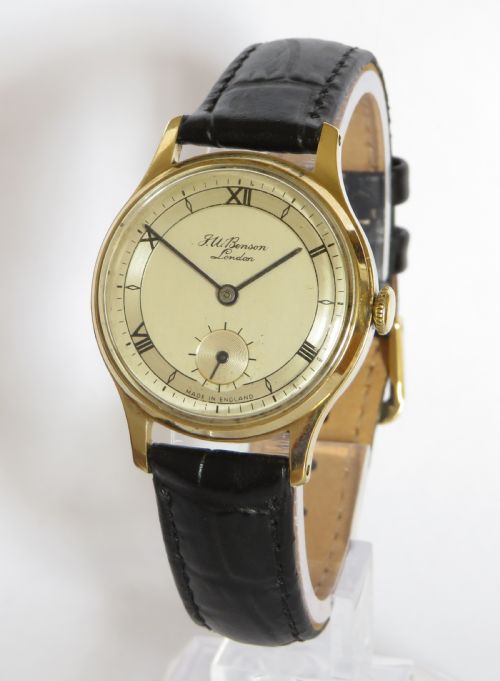
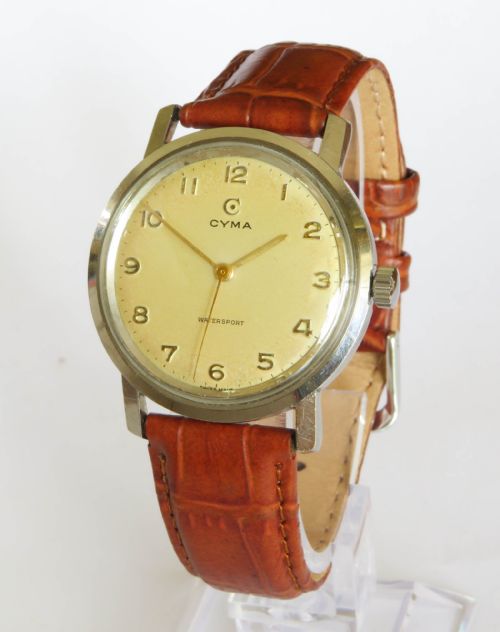
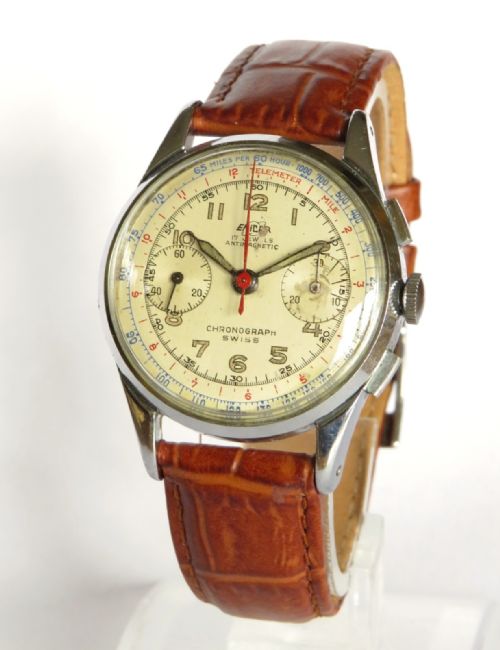
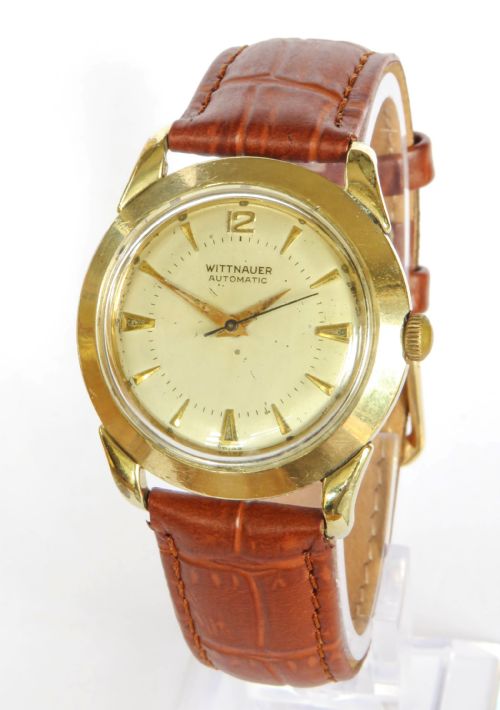
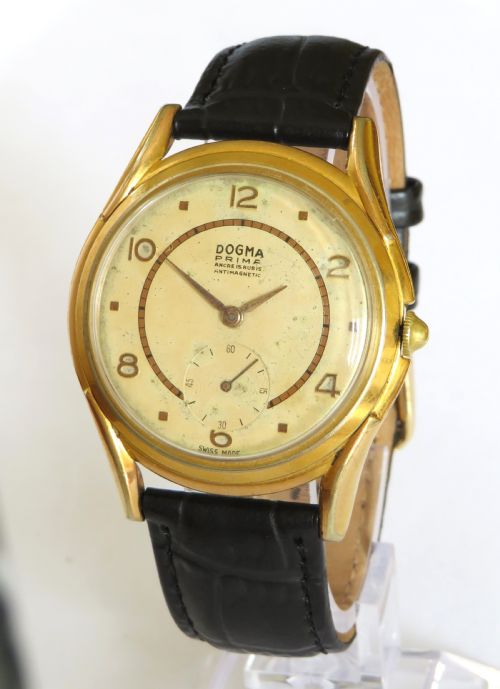
1950s Gents Watch
When choosing a 1950s gents watch, you select a mid-century timepiece defined by mechanical innovation and enduring style.
1950s Gents Watch
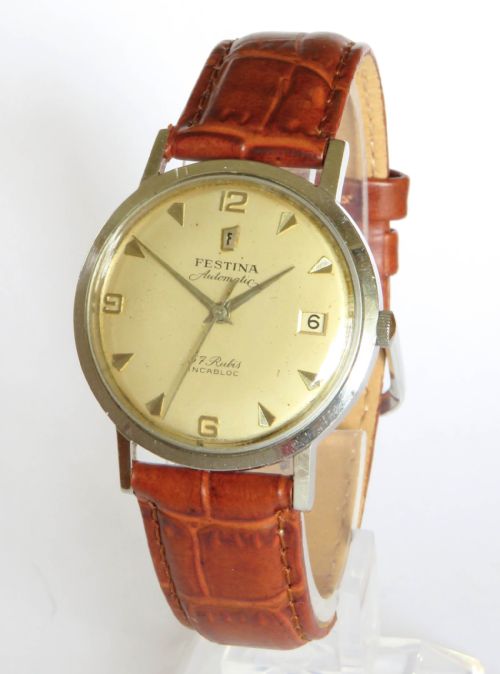
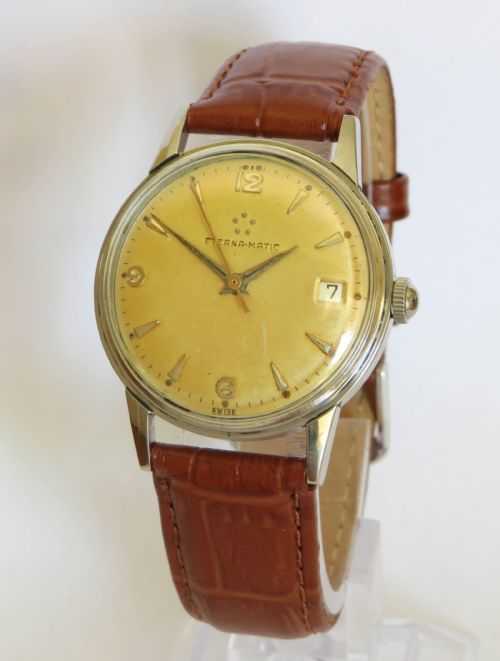
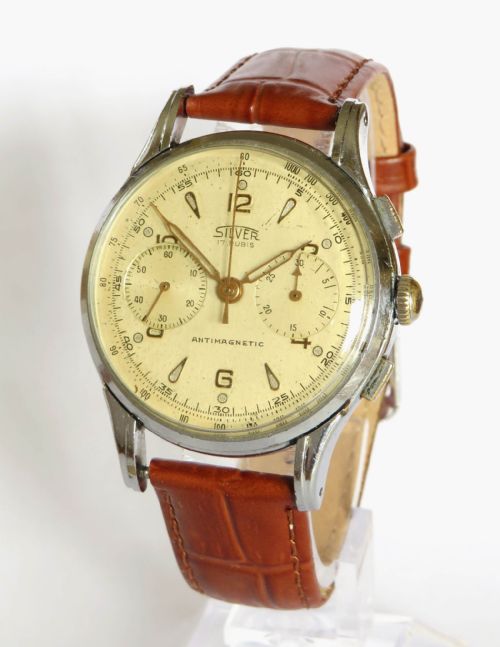
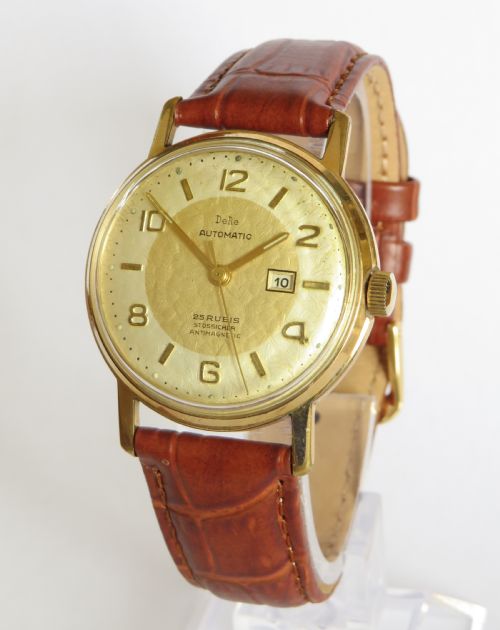
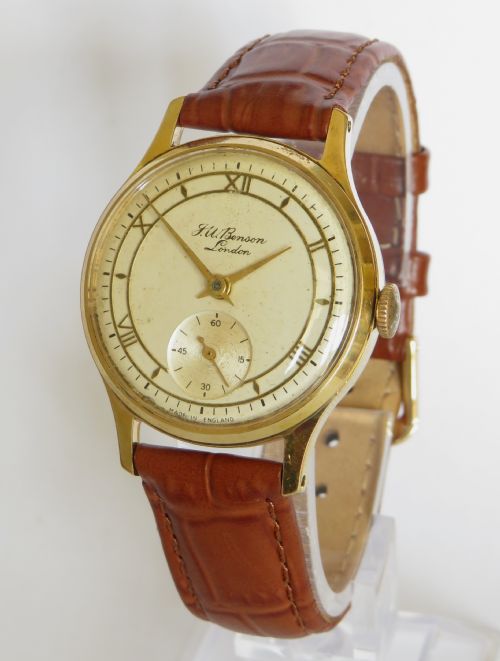
A 1950s gents watch typically takes the form of a mechanical wristwatch designed for daily wear during the mid-century period. These timepieces display the clean dials and functional layouts characteristic of Mid-Century Modern and Swiss styling.
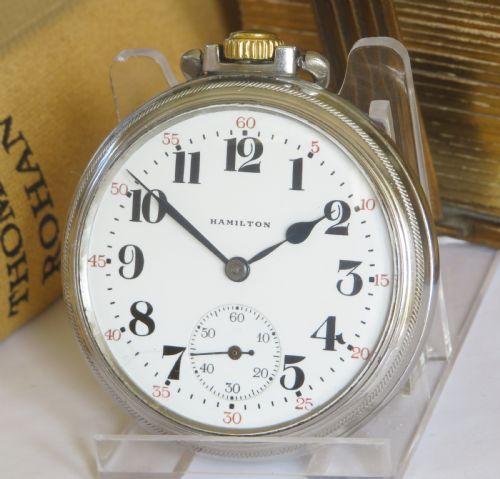
Most examples found on this page are wristwatches, though occasional pocket watches also appear from the same era. Smiths, Omega, and Cyma represent some of the most frequent names encountered within this specific selection.
Materials and technique
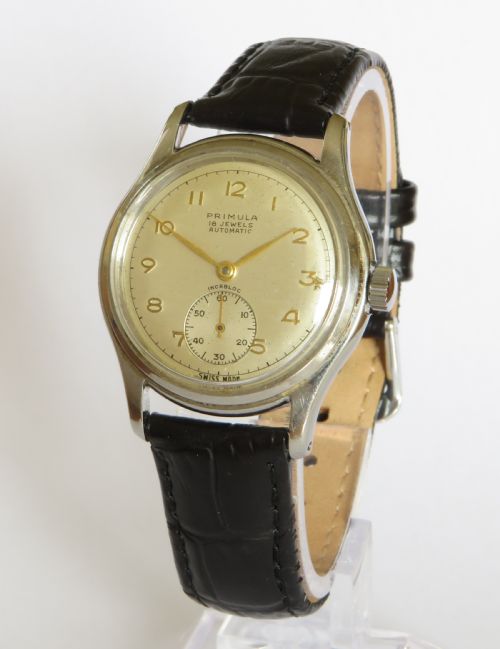
Casings are fashioned from stainless steel, chrome, gold plate, or gold plated metal, paired with glass, acrylic, or acrylic glass crystals. Dials house mechanical movements that rely on manual winding or automatic self-winding technology.
Straps are predominantly constructed from leather, completing the traditional assembly of these mid-century timepieces.
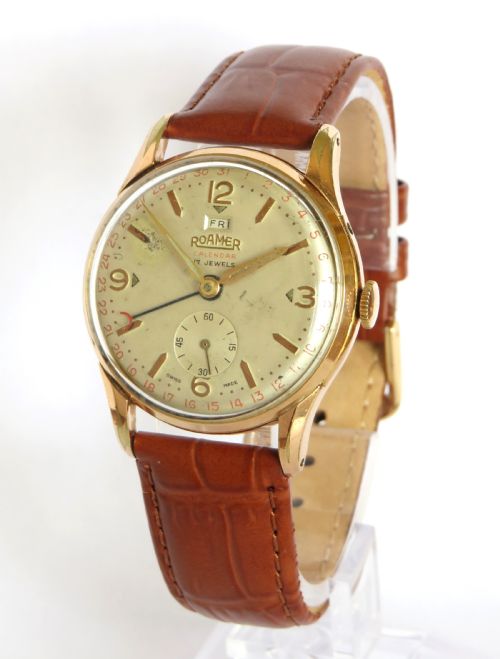
Several models incorporate clever date pointer hands that stretch out to tick off the calendar days around the dial perimeter.
Variations in quality
Quality differences rest primarily upon the grade of the movement and the integrity of the original casing. Pieces featuring high-specification automatic movements or signed dials by established makers command greater regard among collectors.
The survival of original factory elements, such as matching boxes, papers, or specialised complications like calendars and chronographs, elevates the standing of an individual watch within the period range.
Montilier·Heloisa·Festina·Eterna Matic·Antoremi·Roamer·Hamilton·Primula·Cyma·Enicar·Wittnauer·Dogma Prima·Omega·Kered·Rotary·Baume Bimatic·Lanco·Smiths Deluxe·Prisma·Marvin·Certina·Longines·Elgin·Berg Parat·Bucherer
The 1950s Gents Watch Glossary
- Automatic
- A self-winding mechanical movement that uses a weighted rotor to wind the mainspring through natural wrist motion. This technology became widely adopted during the 1950s.
- Chronograph
- A watch equipped with a stopwatch function alongside the standard time-displaying hands. These models often include subsidiary dials on the face.
- Acrylic glass
- A lightweight plastic material utilised for watch crystals during the mid-century era instead of modern synthetic sapphire. It offers flexibility and can be polished if scratched.
- New Old Stock
- Unsold vintage items discovered in original unworn condition, often retaining their factory packaging or store tags from the period.
- Calendar
- A watch mechanism that displays the date alongside the time, sometimes including day or month windows on the dial face.
1950s Gents Watch: Frequently Asked Questions
How do I wind a mechanical watch?
Rotate the crown clockwise between your thumb and forefinger until you feel gentle resistance. Stop immediately once the tension increases to avoid damaging the internal spring.
Most manual-wind pieces require this action once every twenty-four hours to maintain accurate timekeeping throughout the day.
Can I wear my vintage watch daily?
These timepieces were built for everyday utility and suit regular wear when treated with reasonable care. Modern routines, however, require mindfulness regarding water exposure and heavy impacts.
Removing the watch before swimming or strenuous manual labour preserves the mechanical movement and the leather strap.
What is the difference between manual and automatic?
Manual watches require daily hand-winding via the crown to store energy in the mainspring. Automatic watches contain an internal weighted rotor that winds the spring autonomously as your arm moves.
Both systems rely entirely on mechanical gears rather than batteries.
How do I know the watch is from the 1950s?
Stylistic indicators such as minimalist baton markers, sub-seconds dials, and specific font choices point directly to mid-century design trends. Movement serial numbers inside the case often provide exact production years.
Certain models also feature distinctive case proportions and crystal profiles unique to this decade.