
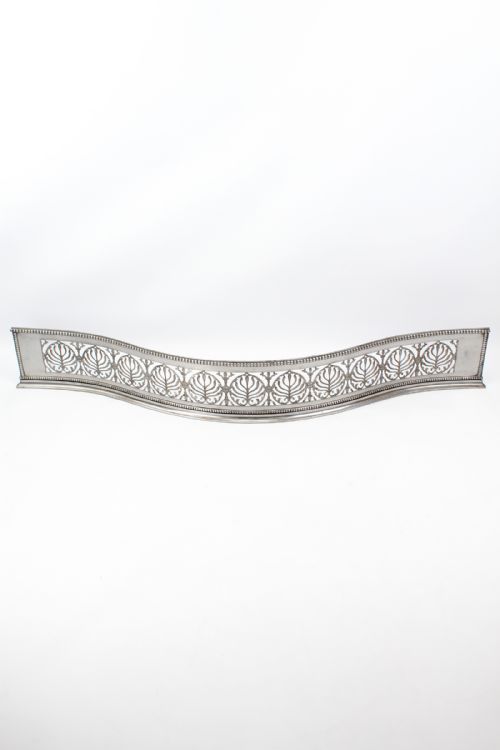


Steel Hearth Curb
These steel hearth curb pieces are fireplace fenders that frame your hearth, keeping embers in place while adding period character to a room.
Steel Hearth Curb
A steel hearth curb is a practical fireplace accessory designed to enclose the front of a hearth. These items appear in various historical periods, including Georgian, Victorian, and Edwardian examples.
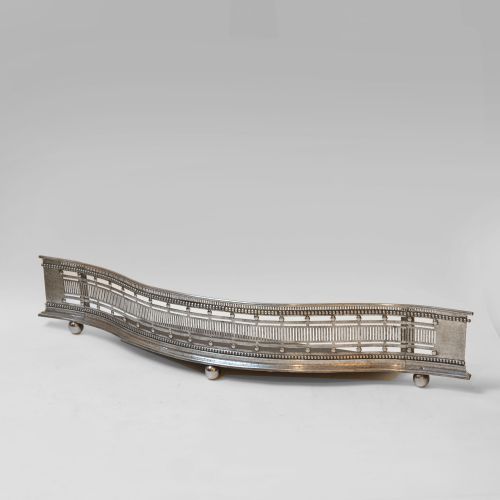
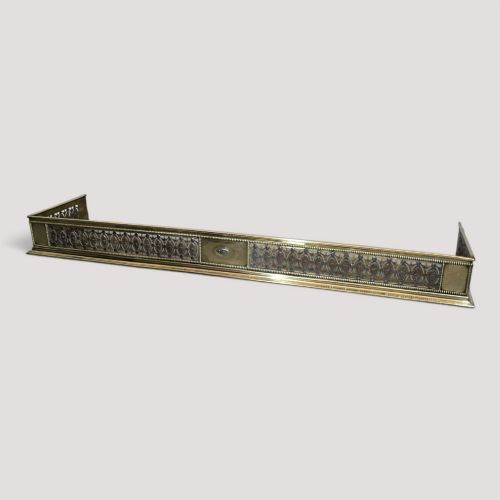
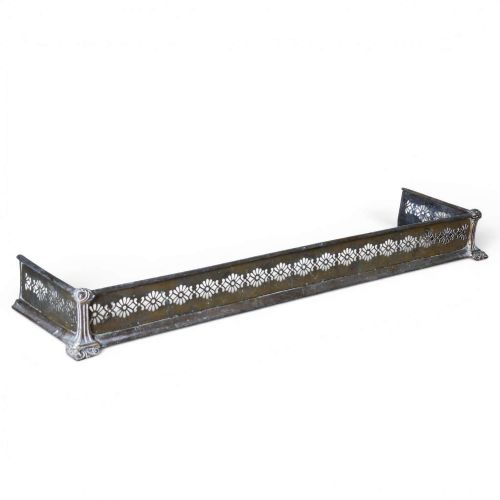
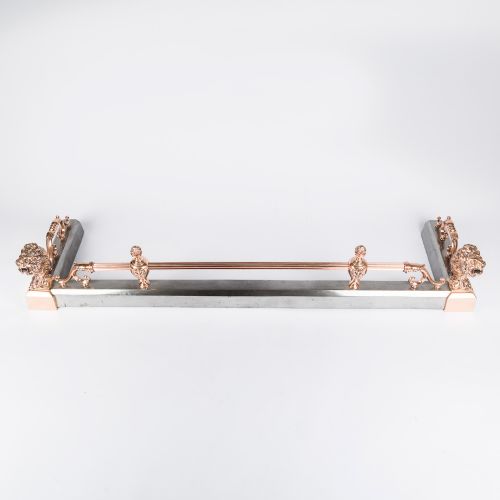
The inventory on this page ranges from bowfront and serpentine shapes to pieces detailed with brass, copper, and cut steel. Forms span straightforward metal frames to heavily decorated examples featuring lions or floral motifs.
Buyers will encounter items described variously as fire fenders, fireplace accessories, and hearth curbs. The most common survivals combine structural steel with contrasting brass mounts or pierced decoration.
How they were made
Makers constructed these curbs predominantly from steel, iron, and polished steel, frequently incorporating brass or copper details for visual contrast. Techniques involved piercing, engraving, and fashioning metal into serpentine or bowfront shapes.
Surviving examples display specialised metalworking skills, from cut steel embellishments to gilt bronze and cast brass components. Black finishes and patinated surfaces also appear across the nineteenth-century examples.
Keep an eye out for unexpected companions, such as the fender that comes with its own matching brass fire irons ready for duty.
What varies in quality
Quality in a steel hearth curb rests on the crispness of the metalwork and the complexity of the form. Serpentine and bowfront shapes require greater skill to form than straight-sided examples.
The integration of secondary metals dictates the distinction between standard utilitarian items and finer decorative pieces. Pierced decoration, finely engraved surfaces, and the inclusion of elements like lions or flower details elevate the workmanship.
The Steel Hearth Curb Glossary
- Serpentine
- A curved shape curving inward and then outward in a gentle wave. This contour appears frequently on eighteenth and nineteenth-century fireplace fenders.
- Bowfront
- A convex curved front projecting outward from the hearth. This profile adds dimension to a steel hearth curb.
- Cut steel
- Small steel studs faceted and riveted to a backing plate to catch the firelight. This technique provides sparkle on more decorative fenders.
- Pierced
- Metal perforated with geometric or floral patterns to allow light through or to vent heat. This decorative method shows skilled craftsmanship on steel and brass fenders.
Steel Hearth Curb: Frequently Asked Questions
What is a steel hearth curb?
A steel hearth curb is a metal barrier placed on the floor in front of an open fireplace. It prevents burning logs and embers from rolling out onto the carpet or floorboards.
Beyond safety, these pieces act as a defined border that anchors the fireplace within the room. They range from plain industrial metal frames to highly decorative period furnishings.
How do I choose the right size?
You need to measure the width and depth of your fireplace opening and hearth space accurately. Fenders must sit comfortably around the hearth perimeter without blocking foot traffic.
Note that period pieces come in fixed historical dimensions, such as four-foot-six lengths, rather than standard modern sizes. Check the inner dimensions against your hearth footprint before committing.
Can I use these with a modern fire?
These curbs function just as effectively around gas inserts or electric hearths as they do with traditional solid fuel fires. Their primary role is framing the fireplace and containing the hearth area.
Ensure the dimensions align with your modern setup, as historical hearth proportions occasionally differ from contemporary installations.
How do I clean polished steel?
Polished steel requires careful maintenance to preserve the surface finish and prevent rust accumulation. Gentle dusting and dry cloth wiping remove everyday surface debris.
Avoid harsh chemical abrasiors or excessive moisture, which can damage patinated or antique metallic surfaces permanently. Specialist metal cleaners should be used sparingly and only where appropriate.