
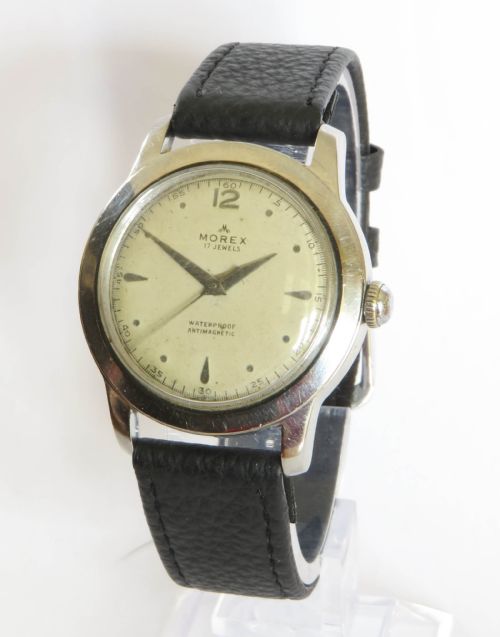
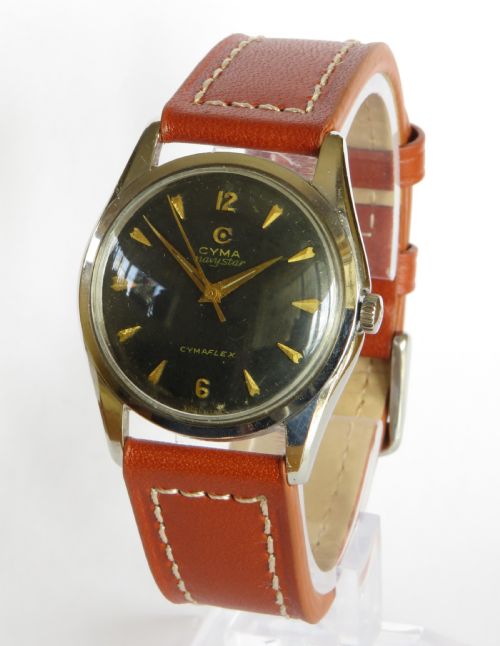
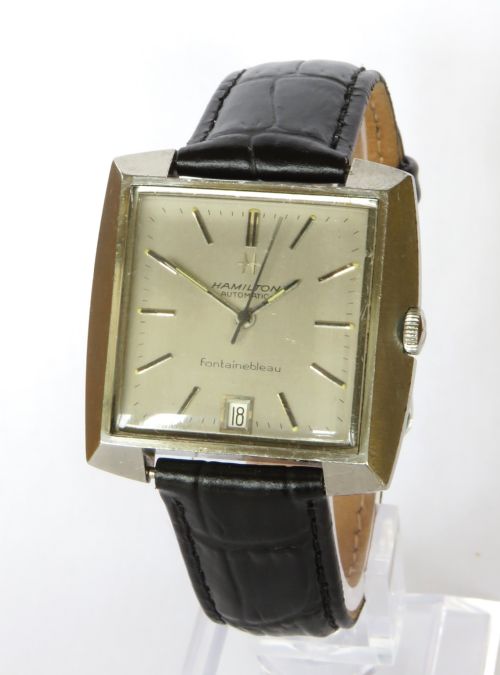
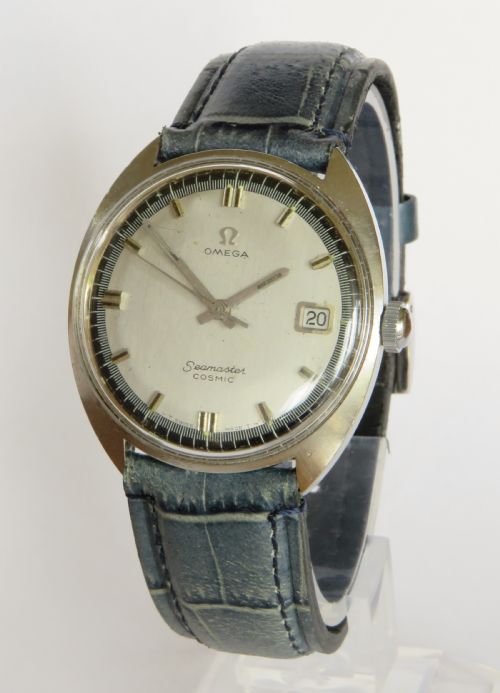
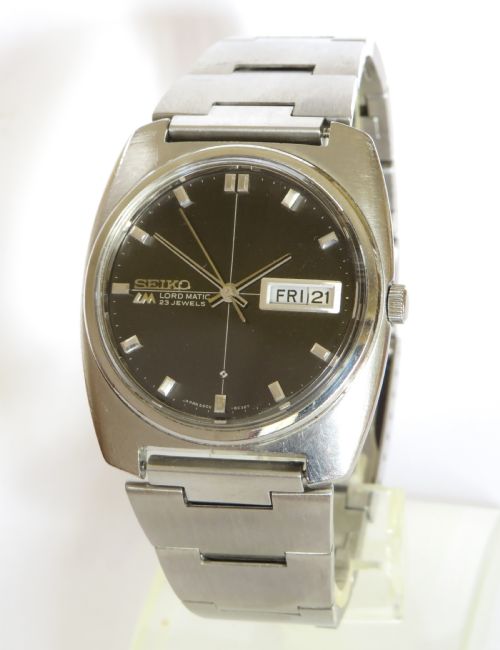
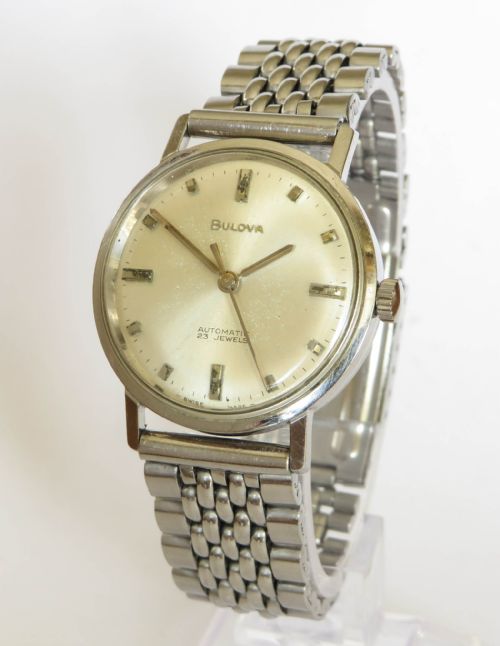
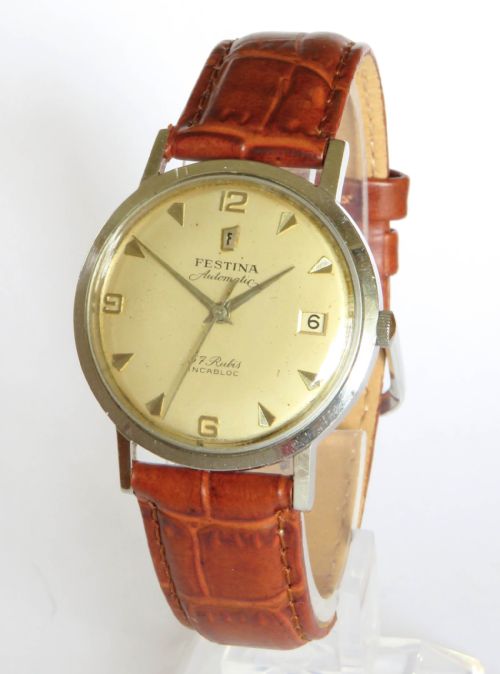
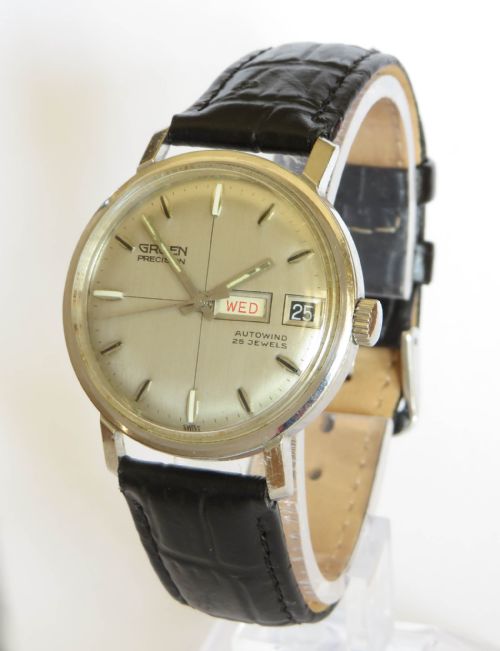
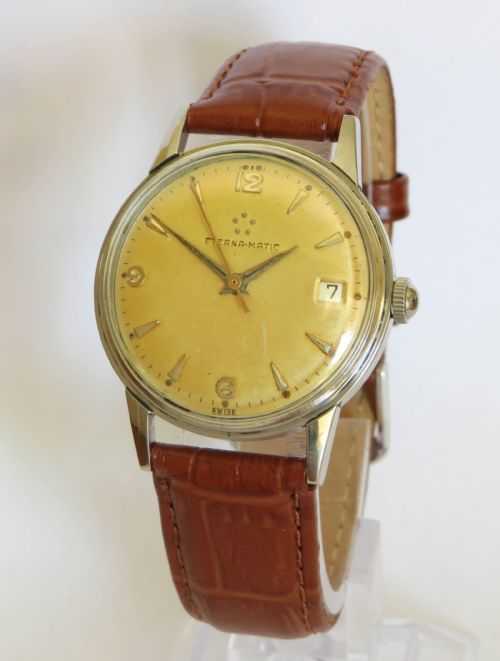
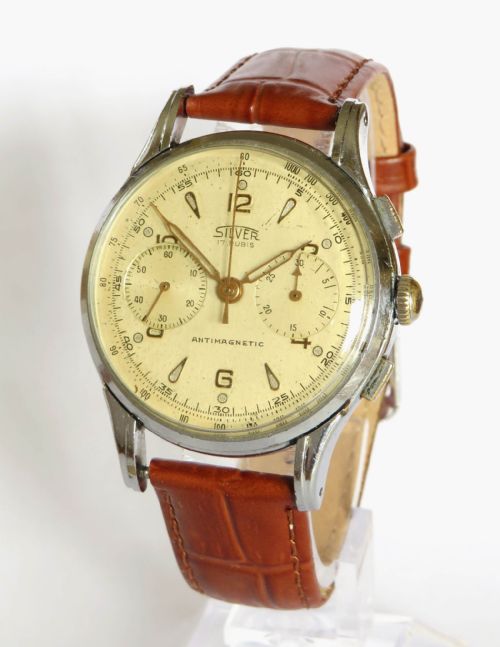
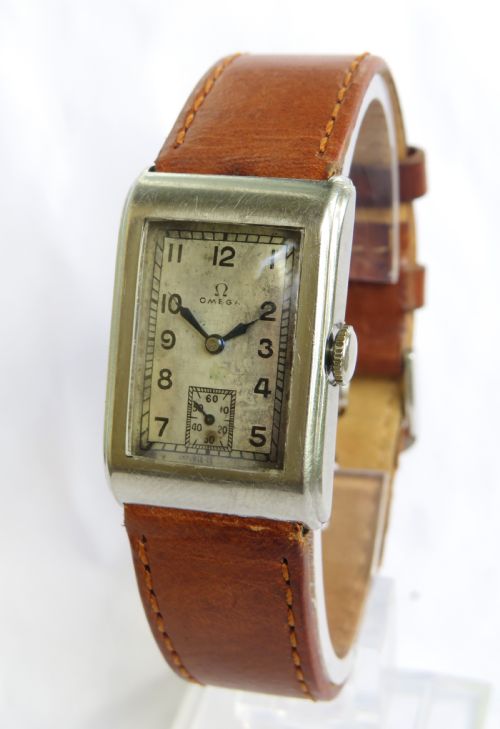
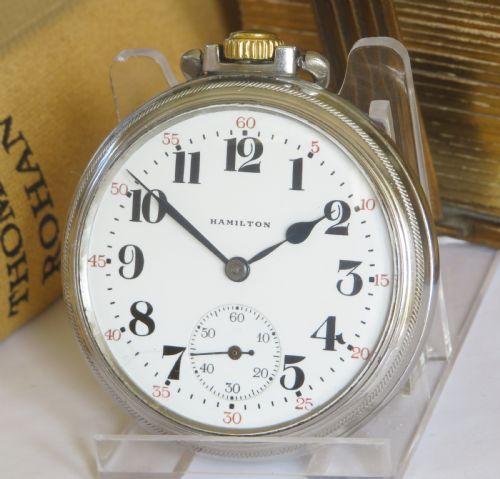
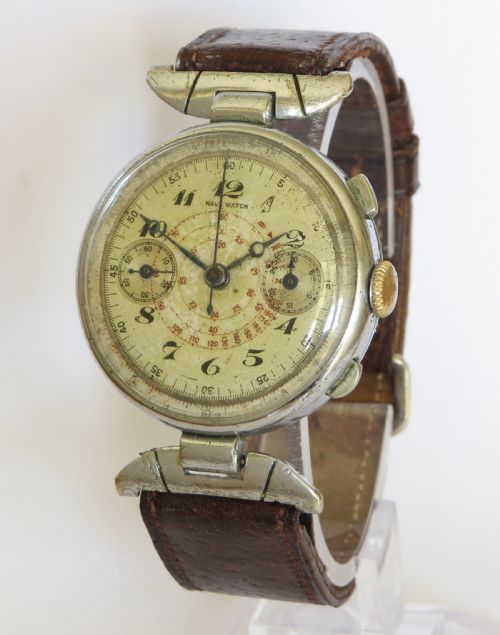
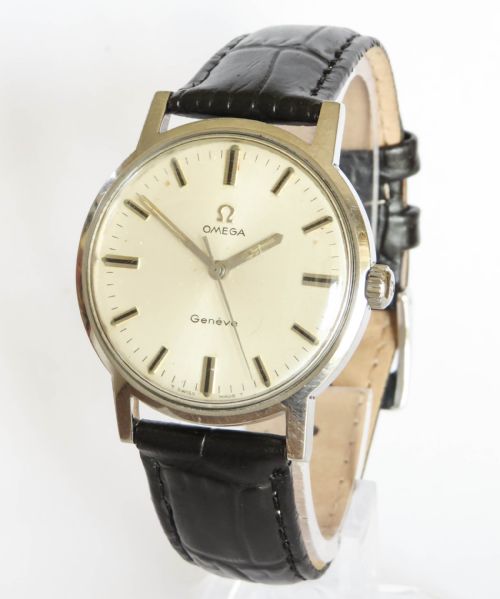
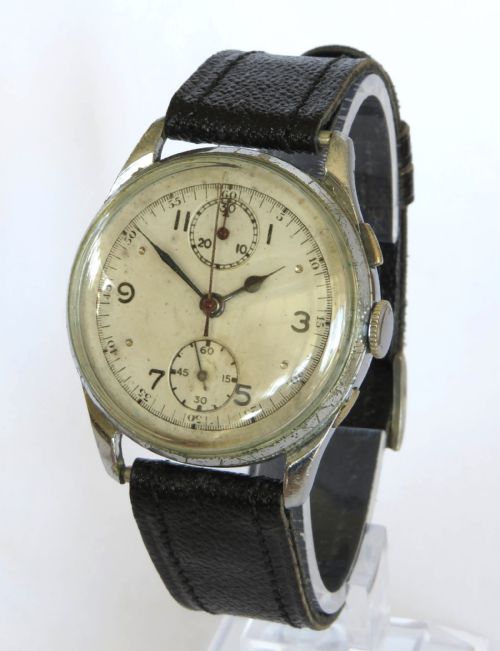

Steel Gents Watch
A steel gents watch brings dependable mechanical engineering and enduring mid-century design to the wrist.
Steel Gents Watch
A steel gents watch is a functional timepiece designed for men, incorporating metals like stainless steel alongside gold plate, chrome, and leather straps. These items span multiple decades, including the 1930s, 1940s, 1950s, 1960s, and 1970s, reflecting shifts in mechanical innovation and everyday wear.
The selections available lean heavily toward wristwatches from the mid-century periods, alongside occasional pocket watches and specialised chronograph designs. Styles range from Art Deco influences to Mid-Century Modern and 1970s retro aesthetics.
Makers represented across the selection include established Swiss and international watch houses, offering manual wind, automatic, and calendar complications. Buyers encounter everyday dress pieces alongside military-inspired or aviator designs from earlier decades.
How they were made
Cases utilise durable stainless steel or chrome plating to protect the internal movement, paired with glass or acrylic crystals over the dial. Leather straps provide the standard fastening method for daily wear.
Dials incorporate enamel finishes and applied markers, sometimes accompanied by subsidiary seconds dials or chronograph sub-dials. Mechanical movements rely on intricate gear trains, mainsprings, and escapements, operating via manual winding or automatic self-winding rotors.
Some vintage aviator watches survived wartime skies only to spend decades quietly ticking in a drawer.
What varies in quality
The grade of a watch rests on the precision and complexity of its internal movement, such as specialised chronograph calibres or chronometer-grade mechanisms. Well-finished movements with higher jewel counts represent superior manufacturing standards.
Case preservation and original dial condition dictate the desirability of a piece. Unpolished stainless steel cases and clean, untouched dials distinguish higher-tier examples from heavily restored or worn alternatives.
Montilier·Cyma·Hamilton·Omega·Seiko·Bulova·Festina·Gruen·Eterna·Antoremi·Hahn Landeron·Venus·Enicar·Girard Perregaux·Dogma Prima·Marvin·Tissot·Invicta·Smiths Empire·Longines·Tudor·Wyler·Jaeger LeCoultre
The Steel Gents Watch Glossary
- Chronograph
- A watch equipped with a stopwatch function alongside its standard timekeeping display. These complications often feature additional sub-dials on the face.
- Automatic
- A self-winding mechanical movement that uses the natural motion of the wearer's arm to power the mainspring. This removes the need for daily manual winding.
- Acrylic
- A lightweight, transparent plastic material used to form watch crystals before the widespread adoption of synthetic sapphire. It can be polished easily to remove minor scratches.
- Calibre
- The specific designation given by a manufacturer to a particular watch movement design. Collectors use this term to identify the exact internal mechanism housed within a case.
Steel Gents Watch: Frequently Asked Questions
How do I wind a manual watch?
Rotate the crown clockwise between your thumb and forefinger until you feel gentle resistance. Stop immediately to avoid damaging the mainspring.
Perform this action at roughly the same time each day to maintain consistent timekeeping performance.
Are these watches waterproof?
Vintage timepieces generally lack modern water resistance seals and gaskets. Even models marked waterproof originally should be kept away from moisture.
Accidental splashes can allow water past the crown or crystal, causing immediate damage to the movement.
What is new old stock?
New old stock refers to original vintage items that were manufactured decades ago but remained unsold and unworn. These pieces survive in pristine condition.
They often retain original packaging, tags, or factory finishes untouched by daily wear.
How accurate are vintage watches?
Mechanical watches from the mid-century run with varying degrees of daily deviation depending on their service history. Expect a variance of a minute or two per day.
Regular professional servicing helps mechanical movements maintain their optimal timekeeping precision.