



Standing Wine Chest
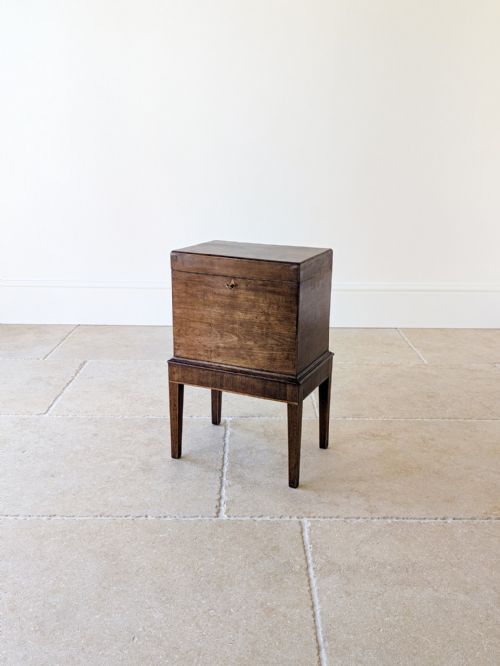
A standing wine chest is a substantial container for bottles, and you are most likely to encounter Georgian mahogany examples on original stands.
Standing Wine Chest
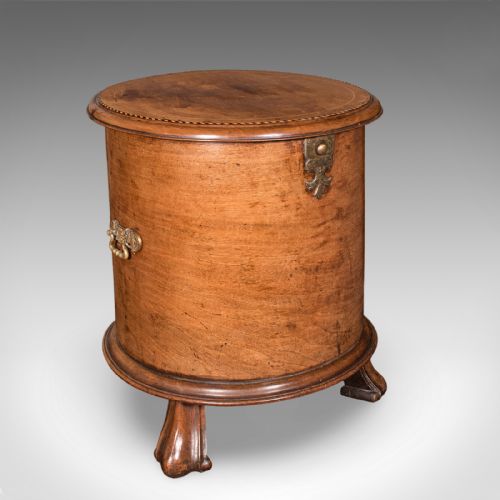
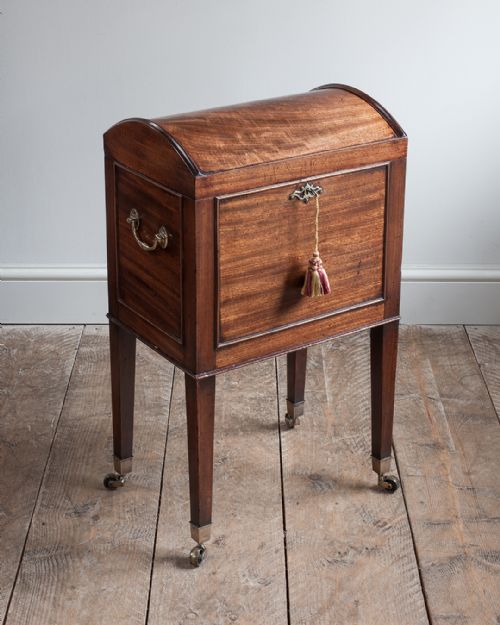
A standing wine chest, often recorded in these listings as a cellarette or wine cooler, is designed to store and cool wine bottles within a domestic interior. You will frequently find these pieces attributed to the Georgian and Regency periods, spanning the eighteenth and nineteenth centuries.
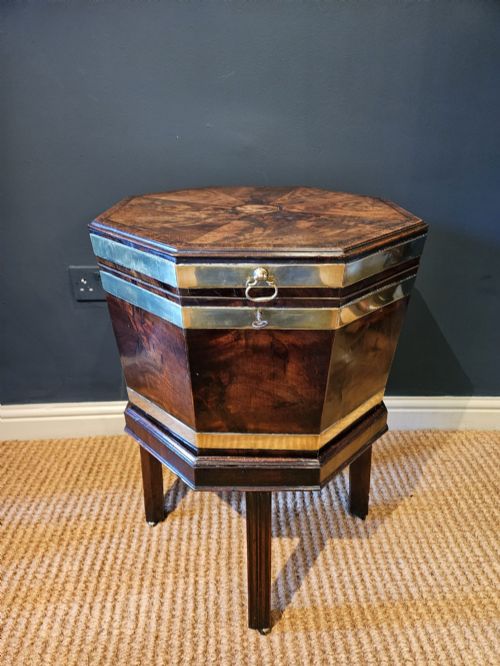
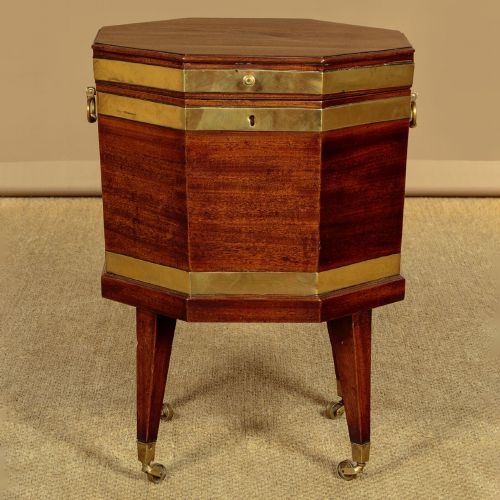
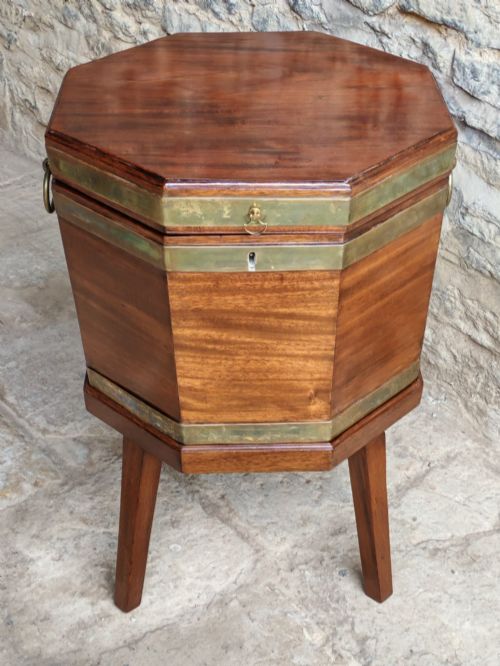
The most common form on this page is a mahogany vessel, sometimes oval or octagonal, elevated on a dedicated stand or legs. These items served dining rooms where guests gathered, holding bottles securely within lined interiors before the advent of modern refrigeration.
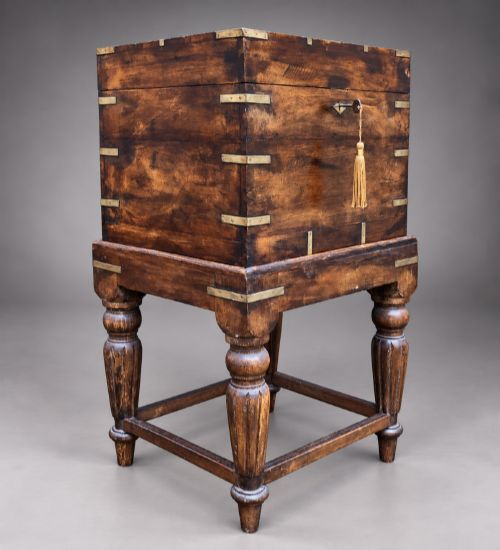
Makers from the Anglo-Indian tradition also produced notable examples using padouk and teak, widening the geographic scope of the design. Scottish makers contributed related forms such as the teapoy, which adapts similar cabinet-making skills to smaller domestic requirements.
How they were made
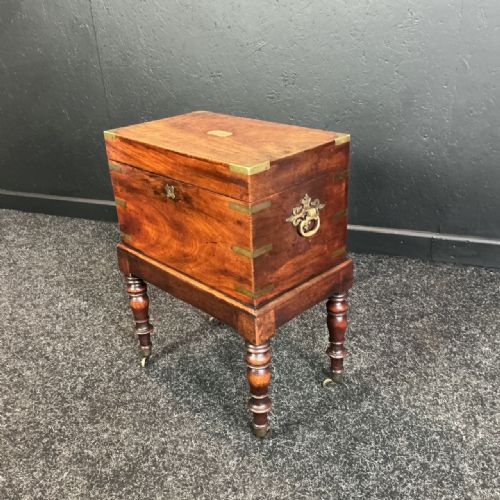
Cabinet-makers relied heavily on solid mahogany and flame mahogany veneers, joining timber with precision to withstand the weight of liquid and dense wood. Brass banding frequently reinforces the edges and corners of oval and octagonal bodies, adding structural rigidity alongside decorative contrast.
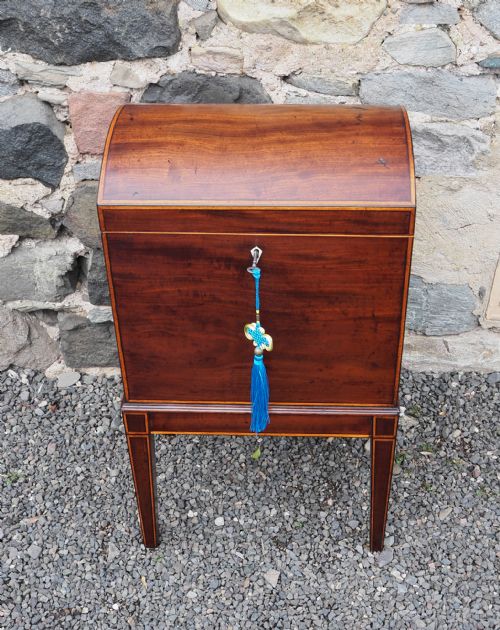
Boxwood inlay provides delicate geometric detailing on specific Sheraton-influenced pieces, requiring patient hand-cutting of contrasting woods. Internally, metal linings such as zinc protected the surrounding timber from moisture and ice used to chill the bottles.
Materials recorded across current items include brass, mahogany, teak, padouk, boxwood inlay, walnut, and zinc.
What varies in quality
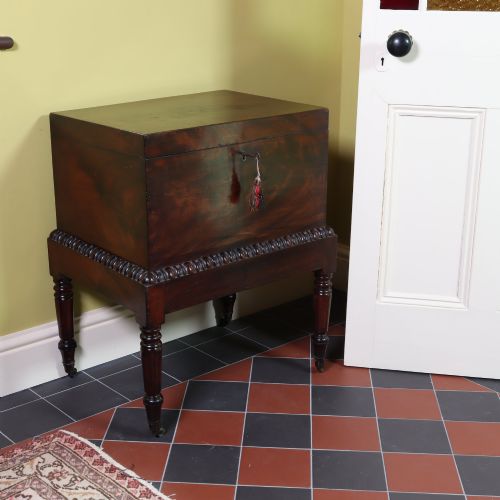
The distinction between ordinary and exceptional pieces rests upon the choice of timber and the crispness of joinery. Grain patterns in flame mahogany or padouk display deliberate selection by the maker, while secondary woods used for linings and carcases reveal underlying standards.
Proportion and the retention of original stands govern the integrity of a standing wine chest. Alterations to legs or mounts alter the intended silhouette, separating unaltered survivals from those subjected to later modification or restoration.
Gillows
The Standing Wine Chest Glossary
- Cellarette
- A lockable cabinet or box designed to hold wine bottles near a dining table. They frequently incorporate lead or zinc linings to retain meltwater.
- Teapoy
- A small stand or chest originally intended for holding tea caddies, sharing construction methods with smaller wine vessels. Scottish examples demonstrate distinct regional joinery.
- Padouk
- A heavy tropical hardwood valued for its deep reddish hue and durability, utilised in Anglo-Indian furniture. It resists warping under humid conditions.
- Boxwood inlay
- A decorative technique where pale boxwood is inserted into recesses cut within a darker primary wood. This method creates fine lines and contrasting geometric borders.
- Brass banding
- Metal strips secured around the perimeter of a wooden chest to provide reinforcement. They are fastened with numerous small pins following the contour of the vessel.
Standing Wine Chest: Frequently Asked Questions
What is a standing wine chest?
A standing wine chest is a specialised piece of dining room furniture designed to hold and chill wine bottles. These vessels sit upon integrated stands or legs, keeping bottles close at hand during formal meals.
Craftsmen built these containers from dense timbers like mahogany and padouk to support the heavy weight of glass bottles and liquid. Metal linings inside the chest held ice and water without damaging the surrounding wooden structure.
How were these wine chests used?
These chests functioned as portable cellars within the dining room, allowing hosts to serve guests without constantly visiting a subterranean cellar. Servants placed ice and bottles inside the lined compartment before the meal commenced.
Locks fitted to the lids kept valuable vintages secure from household staff. Once refrigeration rendered ice-filled chests obsolete, many survived as decorative occasional tables or storage cabinets.
How do I identify a Georgian wine chest?
Georgian examples typically feature rich mahogany timbers, sometimes enhanced with flame grain patterns or boxwood stringing. Brass castors and substantial carrying handles often appear on the sides of oval or octagonal bodies.
Proportions during this era favoured classical symmetry and restrained ornamentation. Stands integrated smoothly with the chest above, creating a cohesive architectural silhouette.
What is an Anglo-Indian wine chest?
Anglo-Indian wine chests reflect British furniture designs executed by craftsmen in India using local exotic timbers. Padouk and teak frequently replace standard European hardwoods in these constructions.
These pieces combine familiar Western forms with dense, richly coloured tropical woods. They illustrate the exchange of cabinet-making styles between Britain and colonial workshops during the eighteenth and nineteenth centuries.