


Standing Swivel Mirror
A standing swivel mirror offers the useful luxury of a full-length or table-top reflection that tilts to any angle you choose.
Standing Swivel Mirror
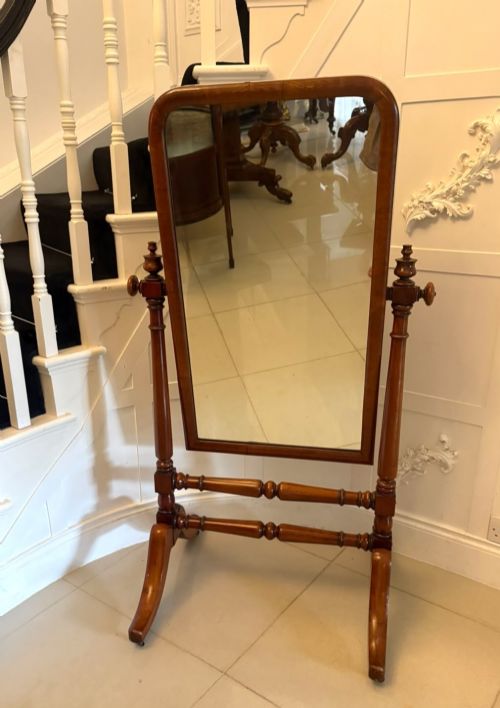
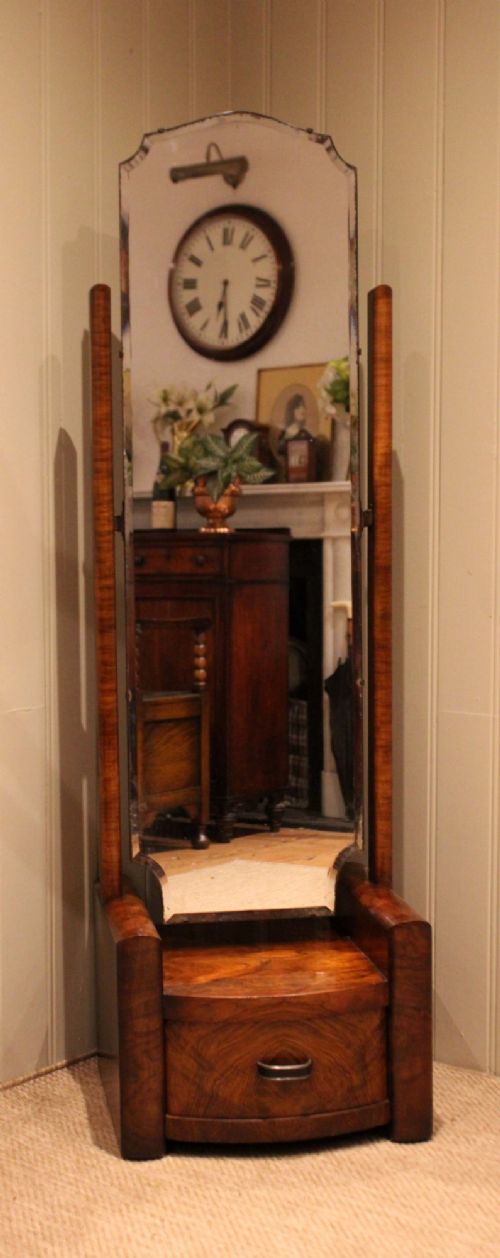
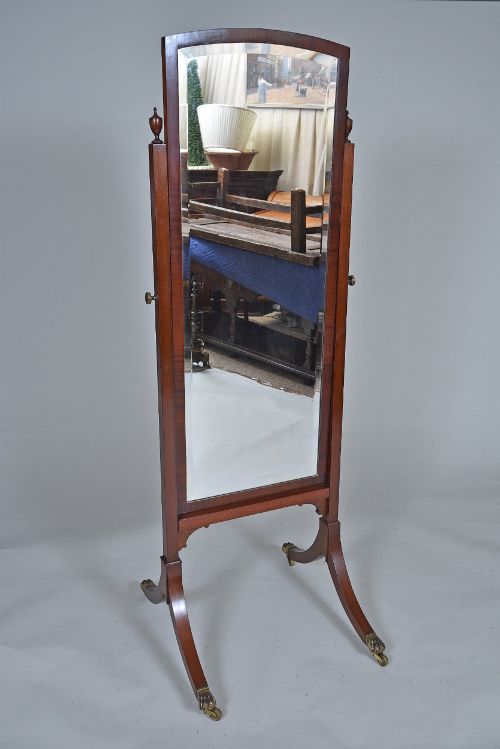
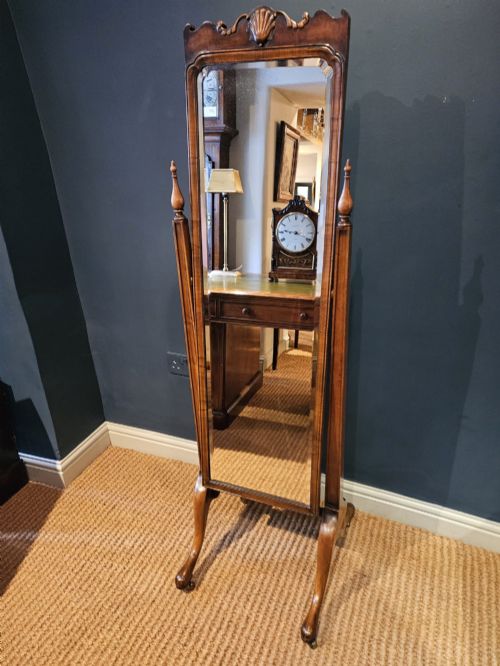
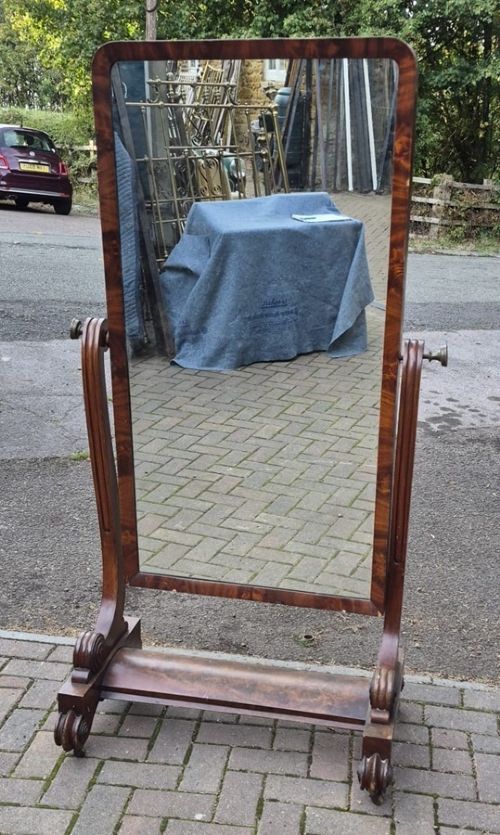
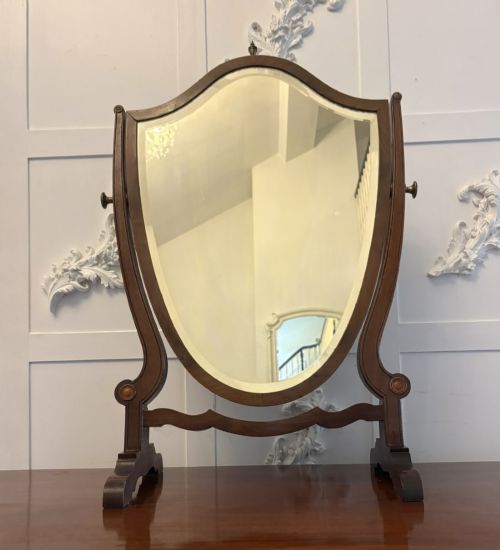
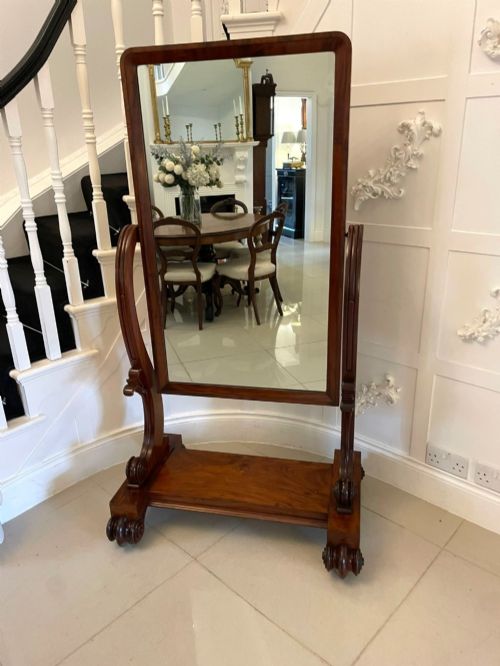
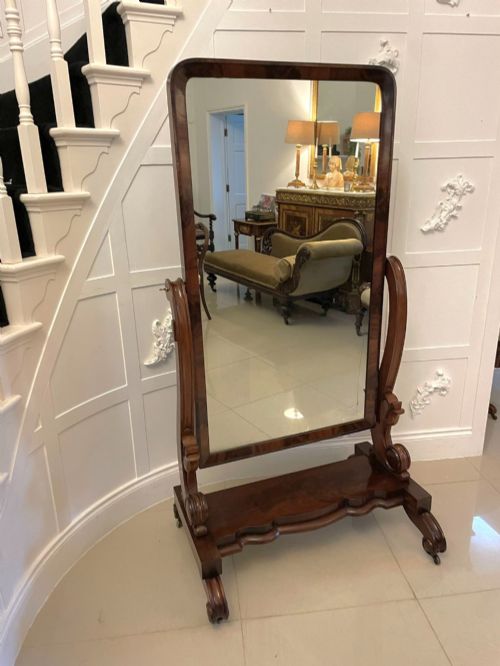
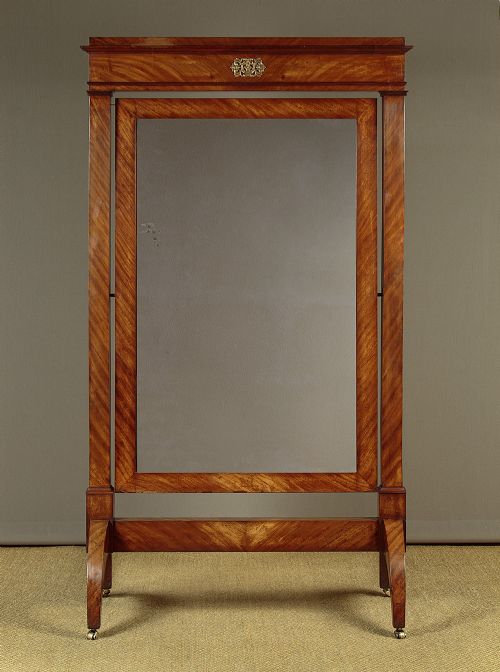
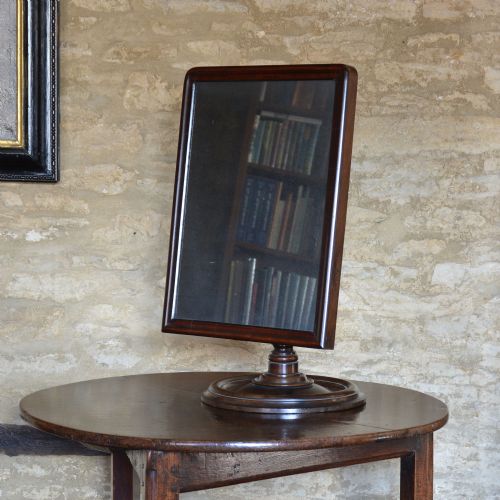
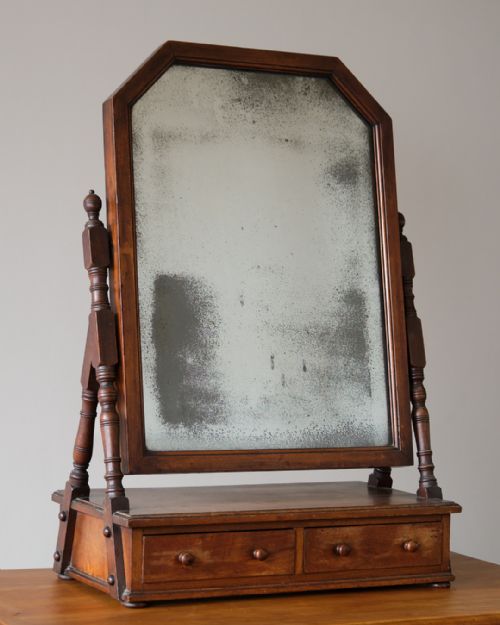
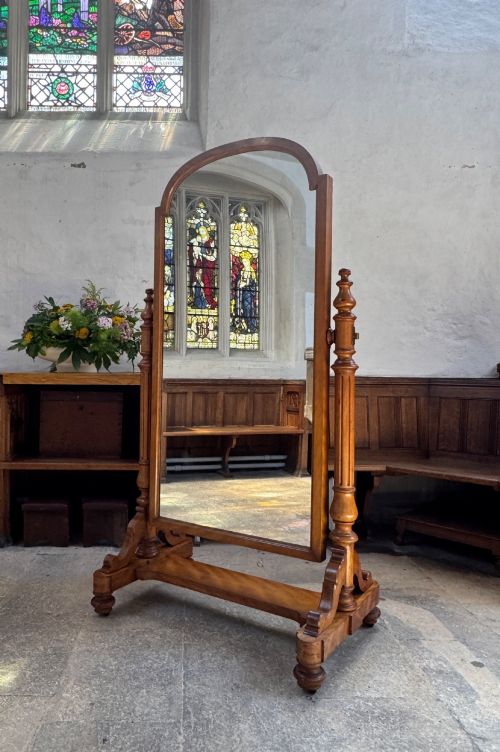
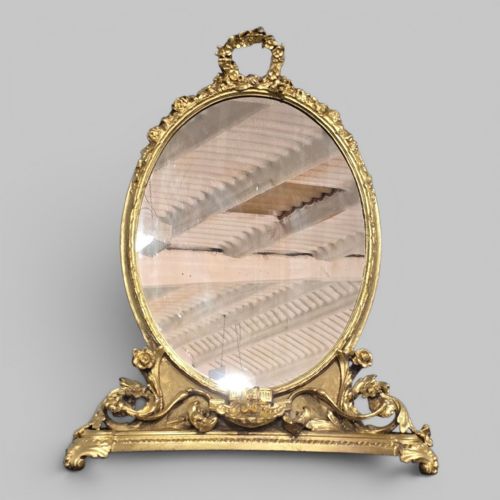
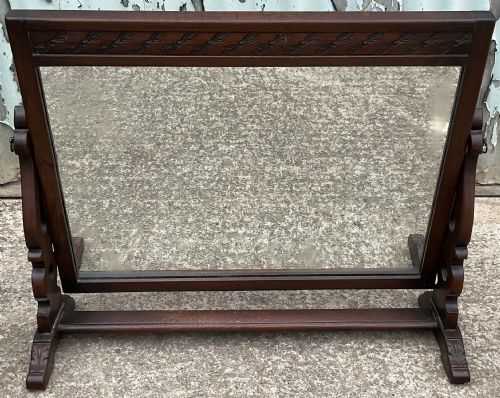
A standing swivel mirror takes the form of either a large cheval glass designed to stand directly upon the floor or a smaller toilet and dressing table mirror built to sit upon furniture. When you search for a standing swivel mirror, you encounter pieces spanning from the Regency and Victorian eras through the Edwardian period and into the nineteen-thirties.
Examples range from restrained, functional pieces of the early twentieth century to ornate carved frames reflecting Rococo revival, Arts and Crafts, and Empire styles. The diverse object types include vanity mirrors and adjustable toilet mirrors alongside classic full-length cheval frames.
Materials and Construction
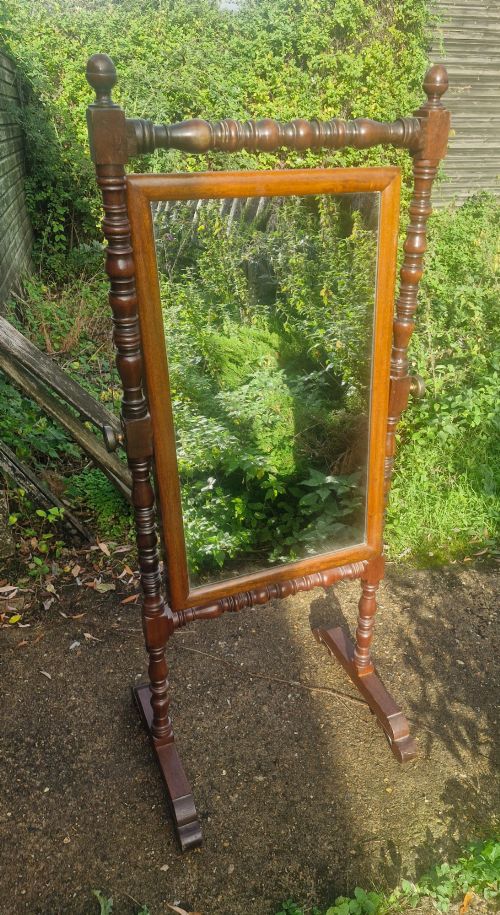
Cabinetmakers constructed the frames using durable native and exotic hardwoods such as mahogany, walnut, oak, and satinwood, frequently embellishing them with boxwood inlay, carved details, or giltwood finishes. Metal components like brass sabots, castors, and articulated candle holders added both structural utility and decorative contrast to the timber frames.
The pivoting mechanism relies on lateral screw pins or trunnions set into upright supports, allowing the mirror glass to tilt smoothly on its axis. Early plates consist of original mirror glass held securely within rebated wooden frames or supported by cast bronze and polished brass stands.
Standing Swivel Mirror Retail Price Guide 2026
Typical asking prices for standing swivel mirror among the pieces listed under this phrase on Sellingantiques today, from the lower quarter to the upper quarter. They describe what is for sale here now, not the wider market.
Materials utilised in these mirrors include brass, bronze, glass, giltwood, mahogany, oak, satinwood, and walnut.
Indicators of Quality
The standard of a standing swivel mirror depends heavily on the selection of timber figures, such as burr walnut or figured mahogany, and the crispness of any hand-carved ornamentation. Finer examples display meticulous joinery in the frame and robust, well-engineered pivoting hardware that holds the glass firmly at any chosen angle without sagging.
The presence of original mirror glass plate, high-grade secondary metals like cast bronze or heavy brass fittings, and integrated accessories such as articulated candle holders elevate the overall execution of the piece.
Heal & Sons·Thomas Rubergall
The Standing Swivel Mirror Glossary
- Cheval mirror
- A large standing mirror designed to reflect the full length of the body, suspended on a vertical frame with four feet or a trestle base. The word derives from the French term for horse, referencing the trestle shape.
- Toilet mirror
- A smaller dressing mirror equipped with a small base or drawers, historically placed upon a dressing table or chest. These pieces frequently feature pivoting plates and miniature box storage.
- Trunnion
- A cylindrical pin or pivot that projects from the sides of the mirror frame to fit into the upright supports. This allows the glass to swivel freely.
- Sabot
- A metal shoe or sleeve fitted to the foot of a furniture leg for protection and decoration. Brass sabots appear frequently on nineteenth-century floor-standing frames.
- Giltwood
- Wood that has been coated with a thin layer of gold leaf or gesso and gold paint. This technique accentuates carved decorative mouldings on ornate frames.
Standing Swivel Mirror: Frequently Asked Questions
How do I adjust a standing swivel mirror?
Most standing swivel mirrors rely on side screws or threaded pins set into the upright supports. Tightening or loosening these thumbscrews regulates the tension on the trunnions so the glass holds its angle.
Older mechanisms simply use friction pivots built into the hanging arms. Ensure the frame is level on the floor or table before adjusting the glass to prevent uneven strain on the hardware.
Where should I place a floor mirror?
A floor-standing cheval mirror requires a stable surface and enough clearance around the frame to allow the glass to tilt fully forward and backward. Placing the piece perpendicular to a window maximises the natural light it captures and reflects into the room.
Keep wooden frames away from direct radiators or damp walls to protect the timber and the silvering on the glass plate.
How do I date a swivel mirror?
Dating relies on a combination of timber choice, hardware style, and construction methods. Regency and early nineteenth-century pieces often feature sabots, castors, and sabre legs, while Victorian and Edwardian examples showcase turned barley twist supports or inlaid satinwood.
Examine the backboards and the composition of the mirror plate for signs of age, such as hand-beveled edges or foxing in the silvering.
Can I replace the mirror glass?
Original mirror glass with light foxing or minor blemishes is usually preserved to maintain the authenticity and character of an antique piece. Replacing the plate is a last resort if the silvering has deteriorated beyond redemption.
Any modern replacement glass should match the thickness and bevel of the original rebate within the wooden frame to secure it safely.