


Standing Shaving Mirror
Standing shaving mirrors are purposeful items of personal grooming furniture, and finding a suitable one brings both period character and practicality to a room.
Standing Shaving Mirror
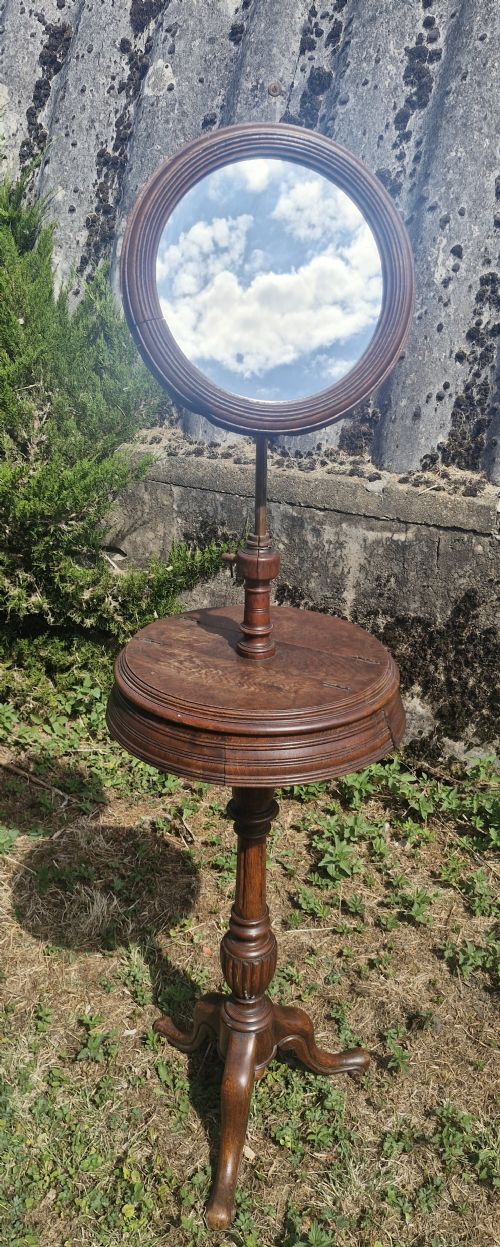
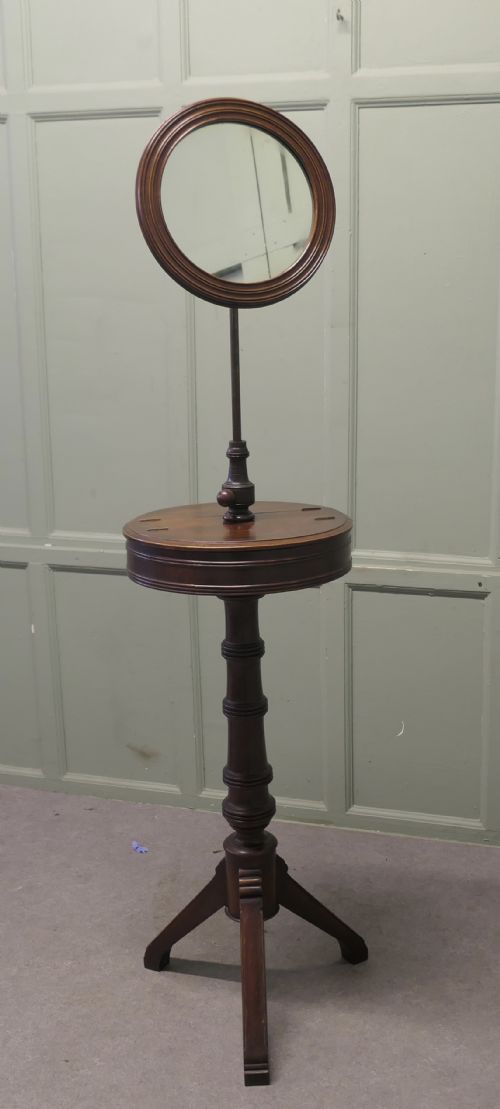
A standing shaving mirror is a functional piece designed for personal grooming, combining a reflective glass plate with a supporting stand, tripod base, or table-height structure. When exploring these pieces, a buyer is looking at items originating from periods such as the Victorian era, the Edwardian years, and the early twentieth century.
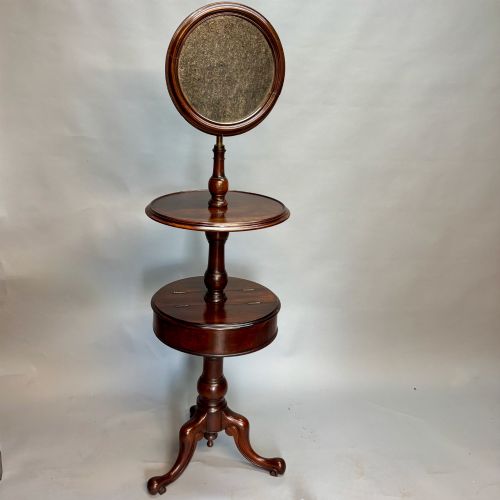
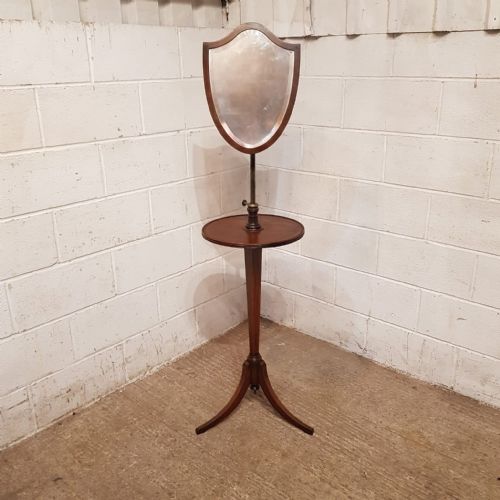
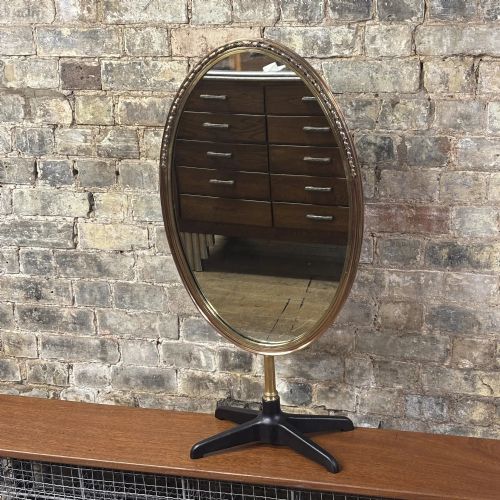
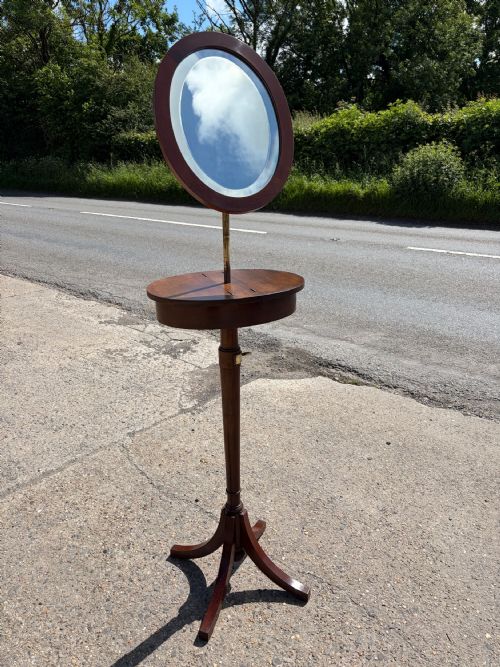
The versions most commonly met on this page are upright mahogany or walnut stands featuring adjustable or telescopic frames, alongside brass and oak variants. These objects range from tall gentleman's shaving stands with dedicated storage to compact toilet mirrors and freestanding vanity pieces.
Materials and construction
Cabinet makers utilised dense timber such as mahogany, walnut, oak, and ash for the structural frames, often incorporating boxwood inlay or painted finishes. Metal components in brass, cast iron, and later chrome provided the pivoting mechanisms and adjustable telescopic stems required for daily use.
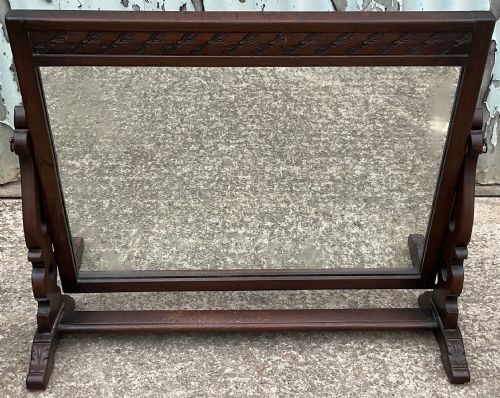
Mirror glass was fitted into swiveling frames, sometimes supported by sturdy tripod bases or fitted onto small cupboards and vanity tables. These methods ensured the glass could be tilted to catch the light effectively during use.
A few clever stands doubled as cupboards, keeping morning shaving gear neatly tucked away behind closed wooden doors.
Distinctions in quality
The calibre of a standing shaving mirror rests in the precision of its adjustable mechanisms and the stability of its joints. Examples that retain smooth movement in their telescopic brass rods and firm positioning in their pivoting frames demonstrate superior craftsmanship.
Material selection and secondary touches also mark out the finer pieces. Finely figured walnut or mahogany, substantial brass fittings, and maker stamps elevate a stand from a basic utility item to a refined example of period furniture.
Thomas Rubergall·James Shoolbred·Mirror Brot
The Standing Shaving Mirror Glossary
- Telescopic
- A design incorporating a sliding central shaft that allows the height of the mirror to be adjusted. This mechanism is frequently found in nineteenth-century examples.
- Cheval mirror
- A tall freestanding mirror supported on a frame with four feet, allowing the entire glass plate to swing. Some Edwardian pieces share naming conventions with these larger designs.
- Tripod base
- A three-legged support structure often used on nineteenth-century stands to provide stability on uneven floors. These bases frequently feature carved or turned legs.
- Toilet mirror
- A smaller mirror designed to sit upon a dressing table or chest, though historical terminology often overlaps with standalone shaving furniture.
- Serpentine
- A gently curved shape resembling a snake's movement, seen along the front edges of drawers on certain Georgian dressing mirrors.
Standing Shaving Mirror: Frequently Asked Questions
How do I adjust a telescopic mirror?
Most telescopic examples rely on a brass collar or thumb screw that locks the inner rod at the desired height. Loosening this collar gently allows the stem to slide up or down before securing it again.
Care should be taken to support the weight of the mirror frame with one hand while adjusting the height to prevent sudden slips or strain on the metal fittings.
Were these mirrors meant for men or women?
Many examples from the Victorian and Edwardian periods are specifically designated as gentleman's shaving stands or shaving mirrors. They were built at a convenient height for standing while shaving.
Other variants, such as dressing table mirrors and vanity tables, served general personal grooming purposes used by anyone in the household.
How do I date a Victorian shaving stand?
Dating relies on observing the timber choice, construction techniques, and stylistic cues present in the stand. Earlier Victorian pieces often utilise heavy mahogany with simple tripod bases, while later examples incorporate arts and crafts influences or Edwardian inlay.
Mechanical fasteners, screw types, and any maker stamps or retailer signatures found on drawers provide further clues to the exact decade of manufacture.
Can I place one on a modern dressing table?
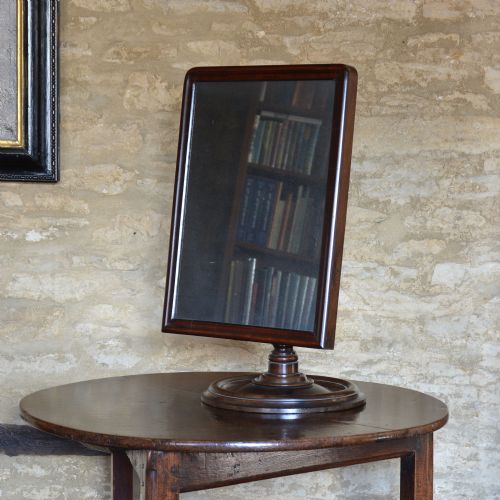
Smaller toilet mirrors and table-top variants are well-suited for placing on existing surfaces. Their compact footprints allow them to function effectively in modern bedrooms.
Freestanding floor stands require their own dedicated floor space, particularly those with tripod bases that spread outwards to ensure stability.