





Metal Vanity Mirror
A metal vanity mirror brings light and reflection to a dressing space, combining functional glass with decorative metalwork from the nineteenth and twentieth centuries.
Metal Vanity Mirror
A metal vanity mirror is primarily found in tabletop, dressing table and wall-hung formats, serving personal grooming and room illumination. These pieces span Victorian, Edwardian, Art Nouveau, Art Deco and Arts and Crafts styles, reflecting the aesthetic shifts of their respective eras.
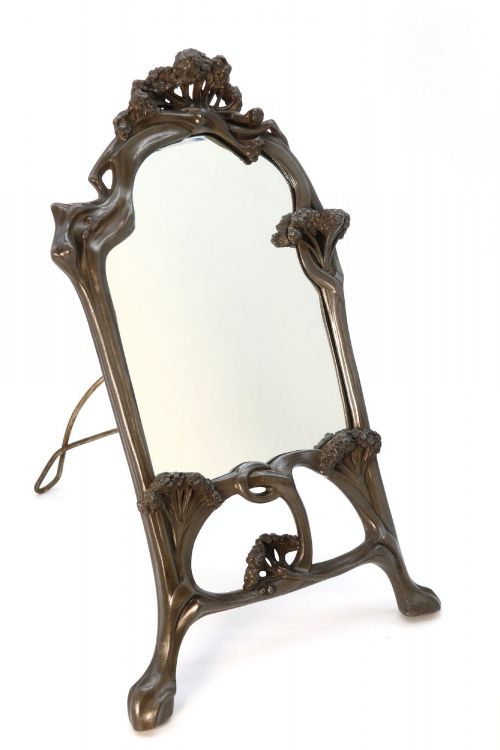
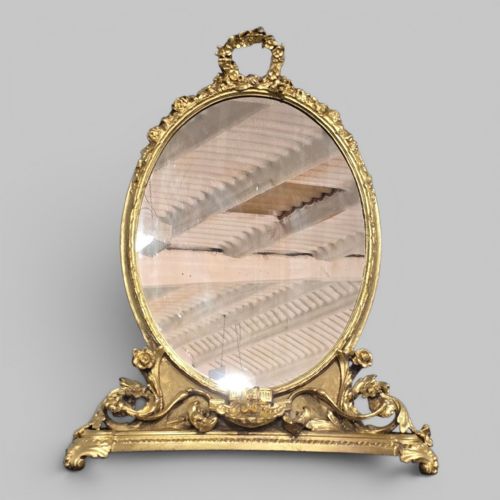
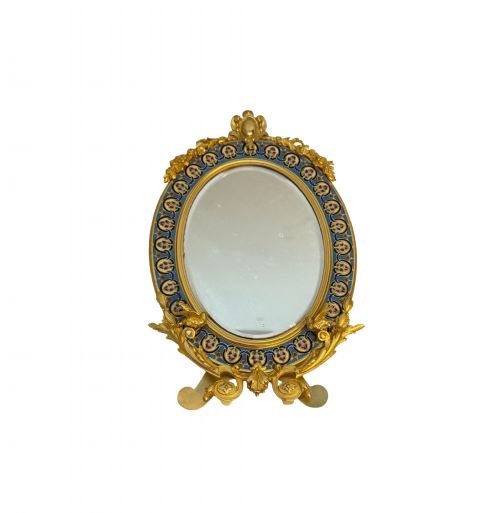
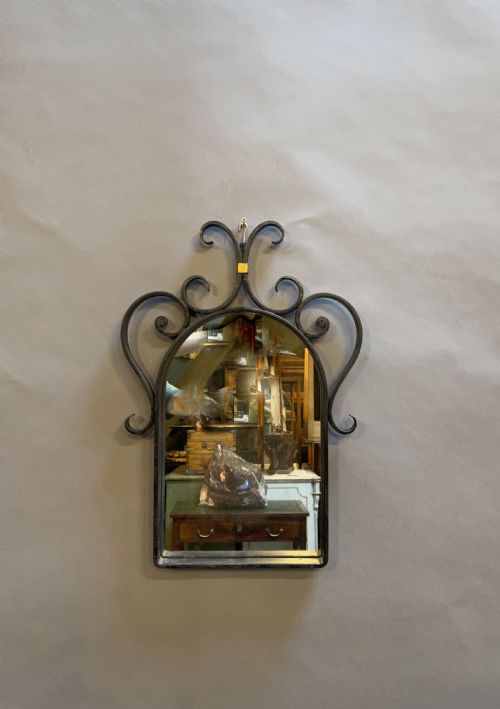
Table mirrors often feature adjustable stands or pivoting frames mounted on heavy bases, while wall-hung versions utilise decorative crests and hanging loops. The selection ranges from simple brass and copper frames to ornate French champleve and gilt bronze constructions.
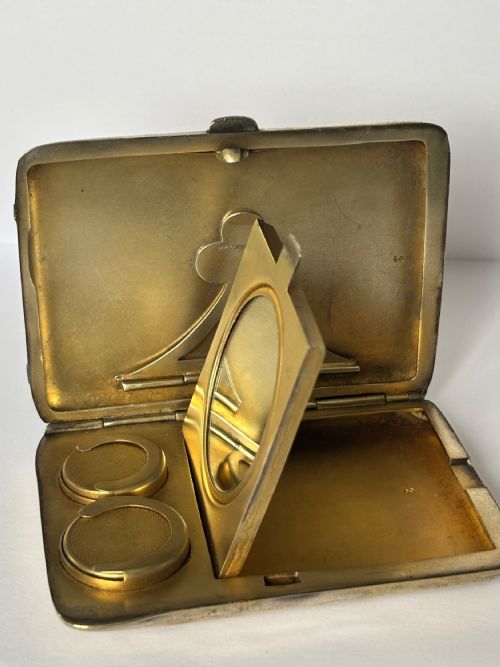
Buyers also encounter compacts, hand mirrors and combination cases that form part of wider vanity sets. These smaller pieces demonstrate the same dedication to metalwork as their larger dressing table counterparts.
Materials and construction techniques
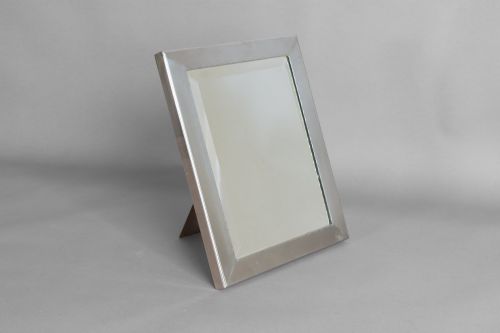
Frames and stands are fashioned from cast brass, bronze, copper, pewter, spelter and gilt metal, often shaped through casting, hand embossing or forging. Chrome and silver plating appear in later twentieth-century pieces, offering a bright, reflective finish.
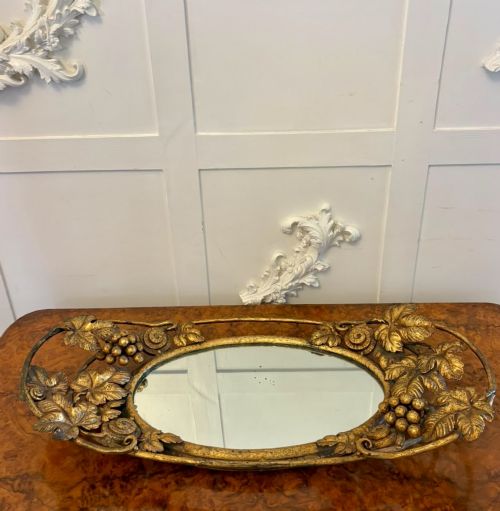
Decorative embellishments include champleve enamel work, inset marble bases and applied motifs such as grape vines and mask crests. Glass plates are bevelled or plain, fitted securely into metal rebates behind the frame.
Listings feature brass, copper, chrome and gilt bronze materials spanning the nineteenth and twentieth centuries.
Assessing quality in metal vanity mirrors
Quality rests upon the crispness of the casting and the depth of the metalwork relief, whether in hand-embossed copper or heavy cast bronze. Finer examples display careful hand-chiselling on the metal surface and securely integrated stands that hold their angle without sagging.
The choice of materials dictates the baseline of refinement, with champleve enamel, gilt bronze and ormolu sitting at the upper end of the scale. Integrity of the original glass and the preservation of original gilding or patination complete the measure of a superior piece.
Louis Auguste Moreau·Richard Hudnut·Cartier
The Metal Vanity Mirror Glossary
- Champleve
- An enamelling technique where troughs are dug into the metal surface and filled with vitreous enamel before firing. This method creates colourful decorative patterns across bronze and gilt frames.
- Spelter
- An alloy of zinc used as a cost-effective substitute for bronze, common in decorative figures and frames. It takes patination and plating well but is softer than brass or bronze.
- Ormolu
- A gilded bronze technique applied to decorative metalwork and mounts during the eighteenth and nineteenth centuries. It provides a rich, golden surface finish that resists tarnish.
- Bevel
- An angled edge ground around the perimeter of a mirror glass. This treatment catches the light and adds depth to the reflection.
Metal Vanity Mirror: Frequently Asked Questions
How do I date a metal vanity mirror?
Dating relies on stylistic clues, such as the flowing organic lines of Art Nouveau or the geometric symmetry of Art Deco. Materials like chrome point to the twentieth century, while heavy cast brass and champleve suggest Victorian origins.
Examining the construction of the mirror back, fixings and the type of glass helps confirm the period of manufacture.
Were these mirrors meant for travel?
While some hand mirrors and compact cases were designed for pocket or purse use, most dressing table and table mirrors remained stationary. Their heavy brass, bronze and marble bases anchored them safely to a vanity surface.
Larger wall mirrors and shaving mirrors stayed fixed in bedrooms and bathrooms for daily routines.
How should I clean a antique metal frame?
Dusting with a dry, soft cloth is usually sufficient for regular maintenance. Avoid harsh chemical polishes that can strip away original patination or damage delicate gilt surfaces.
If the metal requires attention, use a specialised conservator-approved wax applied gently with a cotton swab.
Can I replace the mirror glass?
Original glass often shows foxing and light speckling, which collectors generally prefer as a sign of authenticity. Replacing the plate is possible but diminishes the historic character of the piece.
When replacement is necessary, select a thin glass that matches the original rebate depth.