

Standing Newspaper Rack
Standing newspaper rack designs bring practical elegance to domestic spaces, offering a refined way to organise journals and papers.
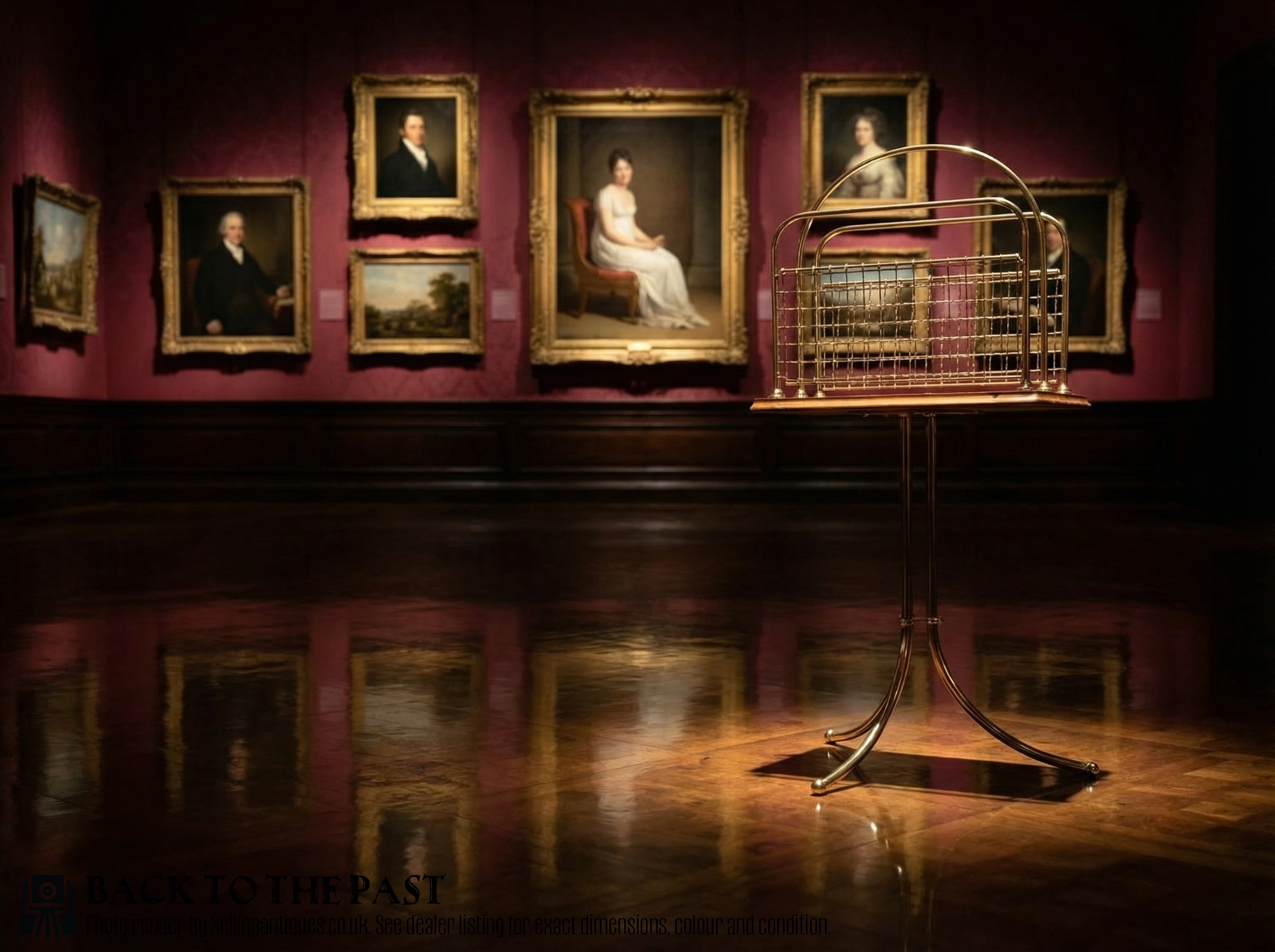
Standing Newspaper Rack
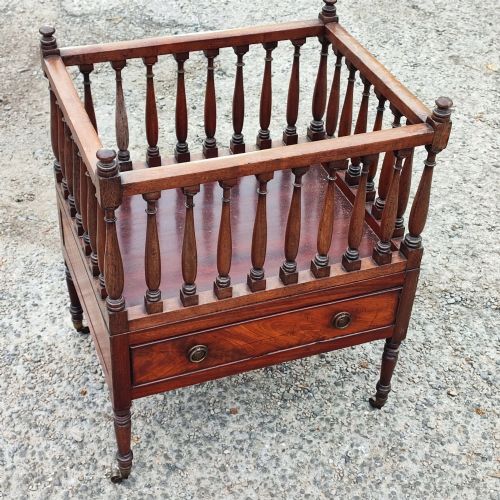
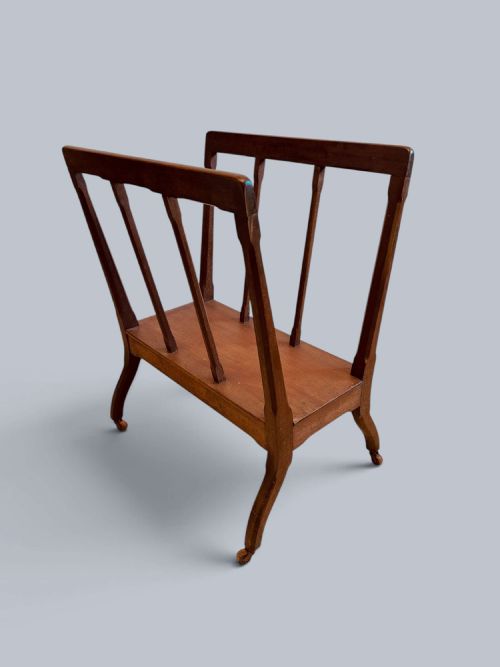
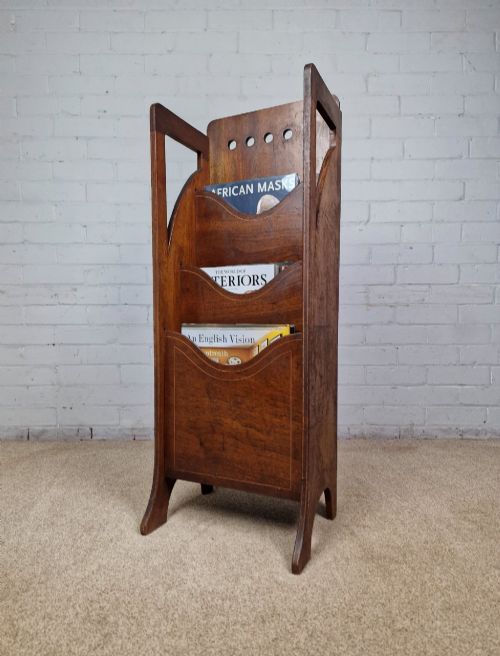
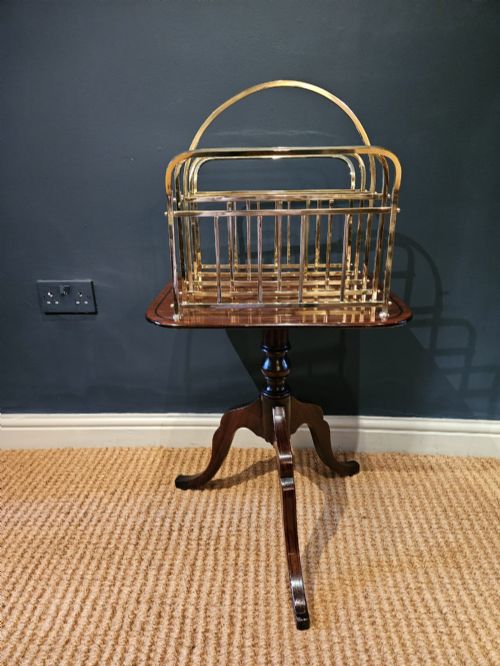
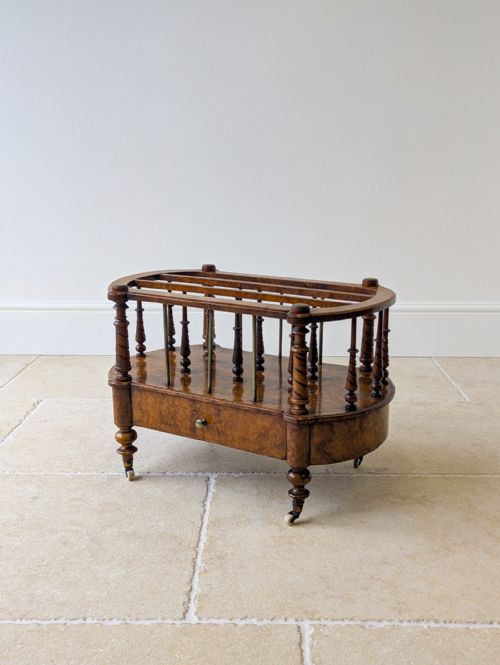
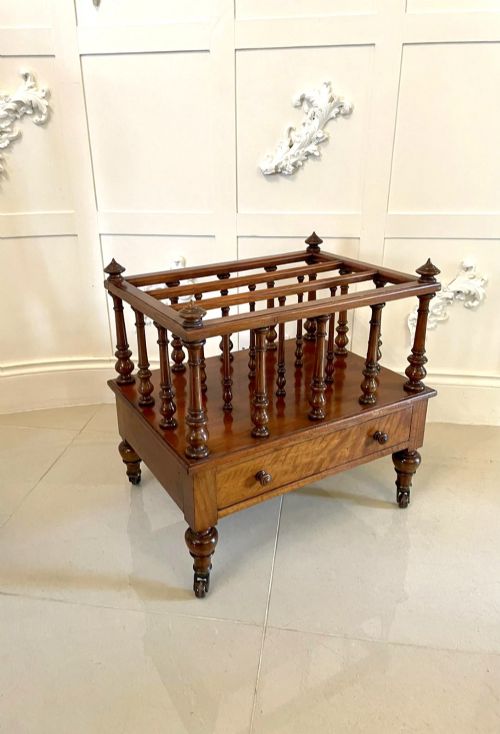
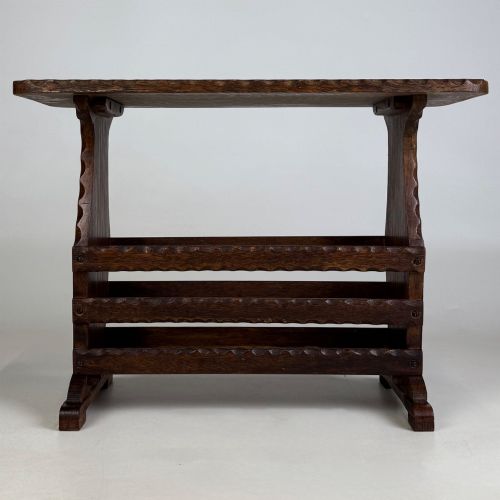
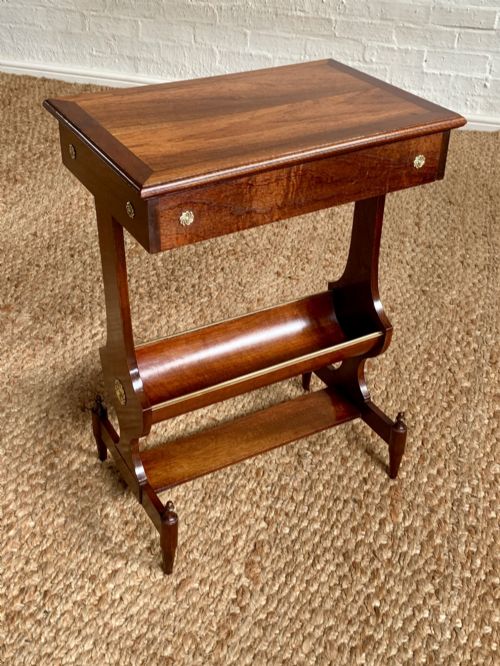
A standing newspaper rack functions primarily as a designated holder for periodicals, journals, and sheets, often taking the historic form of a Canterbury or a specialised side table. These pieces emerge across the Georgian, Regency, Victorian, and Edwardian periods, reflecting shifting domestic habits in furnishing libraries and sitting rooms.
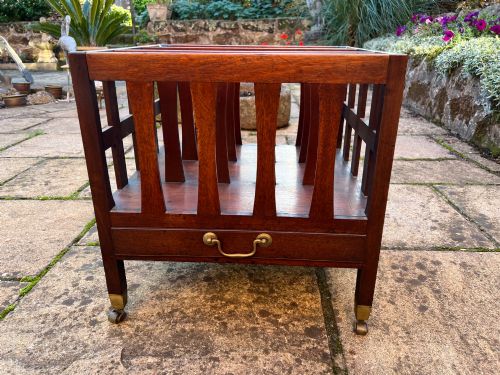
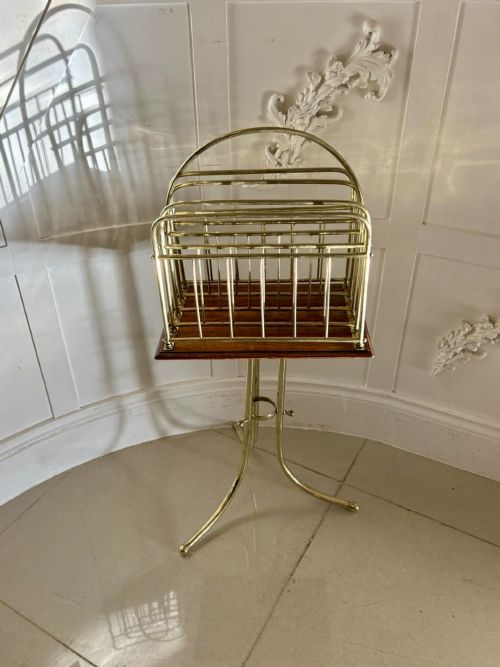
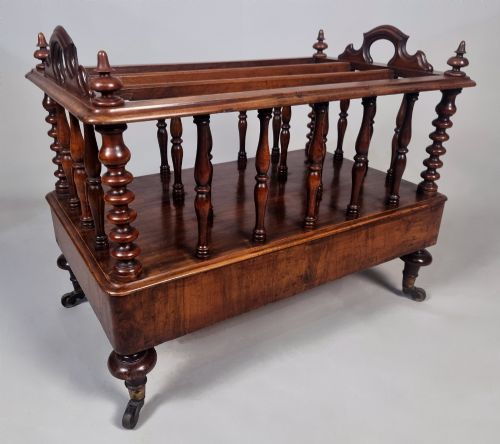
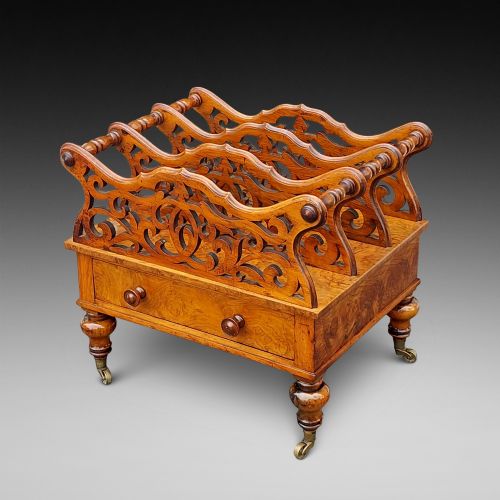
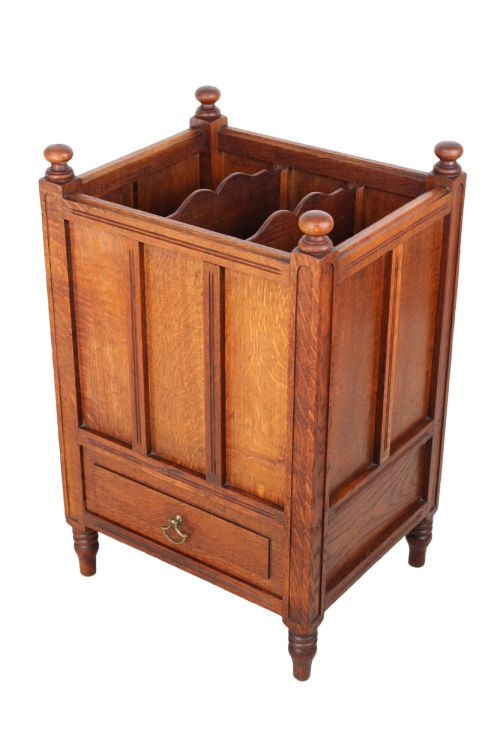
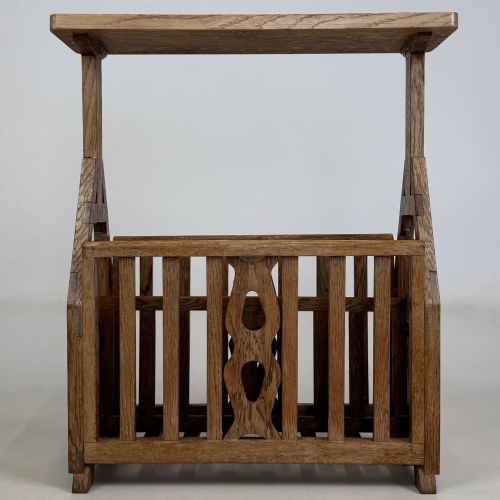
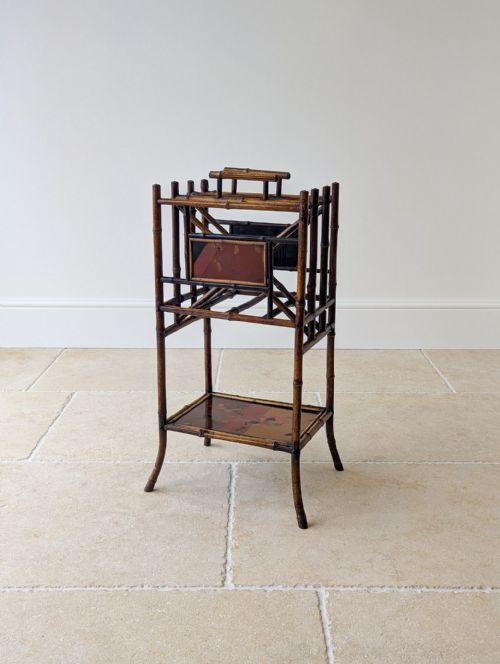
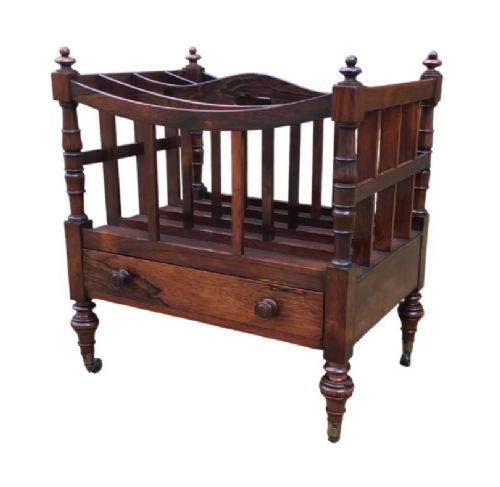
The version most commonly encountered on this page is the mahogany or oak Canterbury, frequently featuring partitioned sections for papers alongside a low drawer or turned supports. Alternative forms include bamboo and lacquer constructions from the Aesthetic Movement, alongside rotating brass stands and copper designs.
Originating as stands for sheet music before adapting to newspapers and magazines, these items combine compartmentalized storage with portable frames. Buyers select them to introduce period character into modern interiors while maintaining practical surface space and tidy storage.
Materials and construction methods
Cabinetmakers utilised fine timbers such as mahogany, rosewood, walnut, and oak, often selecting burr veneers to add decorative grain patterns to the partitions and drawer fronts. Softer woods like fruitwood appear in specific regional examples, while exotic materials such as tiger bamboo and standard bamboo cater to late nineteenth-century tastes.
Metal components play a structural and decorative role, with brass castors supporting wooden legs and specialist stands constructed entirely from brass or copper. Joinery techniques range from traditional cabinet joints in Georgian and Regency pieces to pegged construction in Arts and Crafts oak items.
Standing Newspaper Rack Retail Price Guide 2026
Typical asking prices for standing newspaper rack among the pieces listed under this phrase on Sellingantiques today, from the lower quarter to the upper quarter. They describe what is for sale here now, not the wider market.
Tiger bamboo provides an exotic finish that ensures no two nineteenth-century racks share identical markings.
Distinctions in craftsmanship and design
The distinction between standard examples and finer items rests upon the choice of timber and the sophistication of the joinery, such as finely turned spindle legs, dovetail drawers, and figured veneer panels. Pieces attributed to documented makers demonstrate superior detailing in the carving and brass hardware.
Proportion and structural integrity define the upper tier of these stands, where balanced boat-shaped frames or multi-tiered compartments remain rigid despite regular handling. Lesser examples exhibit simpler sawn slats and plainer secondary woods without the refinement of turned pillars or inlaid stringing.
Edwards and Roberts
The Standing Newspaper Rack Glossary
- Canterbury
- A low, freestanding stand with partitioned sections, originally intended for sheet music and later utilised for newspapers and magazines. These pieces frequently incorporate a single drawer beneath the partitions.
- Aesthetic Movement
- A late nineteenth-century design current that rejected heavy industrial ornamentation in favour of artistic simplicity, often manifested in bamboo and lacquer furniture. Pieces from this movement emphasise natural materials and linear forms.
- Boat-shaped
- A descriptive term for Canterbury frames featuring curved, sloping sides resembling the hull of a boat. This silhouette is particularly prevalent in Regency examples.
- Metamorphic
- A term describing furniture designed to transform or fold into alternative configurations for different uses. In rack stands, this involves folding partitions or adjustable frames.
- Whatnot
- A multi-tiered open shelving unit used for displaying ornaments or holding books and papers. These structures occasionally combine open shelves with lower newspaper compartments.
Standing Newspaper Rack: Frequently Asked Questions
What is a Canterbury?
A Canterbury is a traditional compartmentalized stand designed to hold loose papers, periodicals, and sheet music. These pieces usually feature vertical wooden slats that create separate slots for individual publications.
Most designs incorporate a low drawer at the base for smaller items and rest upon castors for easy movement around a room.
How were these stands used originally?
These pieces served as tidy receptacles for daily broadsheets, journals, and music scores within the principal reception rooms of a house. Households placed them beside seating areas so reading materials remained organised yet close at hand.
Over the nineteenth century, their primary function shifted from musical storage to accommodating the rising volume of newspapers and illustrated magazines.
Are bamboo racks authentic period pieces?
Bamboo and tiger bamboo stands date predominantly to the late nineteenth century during the height of the Aesthetic Movement and Victorian exoticism. Makers utilised imported bamboo to create lightweight, decorative furniture that contrasted with heavier mahogany and oak.
These pieces feature characteristic lacquered panels, split bamboo bindings, and woven cane details typical of late Victorian production.
How do I identify a Regency period piece?
Regency stands often display boat-shaped frames, sabre legs, or finely turned pillars fitted with brass castors. The timber used is typically dark mahogany or rosewood, sometimes accented with subtle brass inlay.
Proportions during this era favor clean architectural lines and balanced symmetry without heavy Victorian ornamentation.
Can these stands hold modern magazines?
Most historic compartments accommodate standard modern periodicals and newspapers comfortably, though oversized publications may require careful placement. The internal partitions are spaced to hold folded papers upright without bending the spines.
Buyers frequently use them beside sofas or armchairs in contemporary settings precisely because the slot dimensions suit current magazine formats.