


Standing Indoor Planter
A standing indoor planter brings greenery indoors on timber and brass furniture designed to elevate plants.
Standing Indoor Planter
When searching for a standing indoor planter, collectors encounter a variety of forms designed to hold vegetation within domestic rooms, most frequently described across listings as jardinieres, plant stands, and jardiniere tables. These pieces emerge in styles ranging from Georgian and Regency to Victorian and Edwardian, reflecting shifting domestic tastes for interior botany.
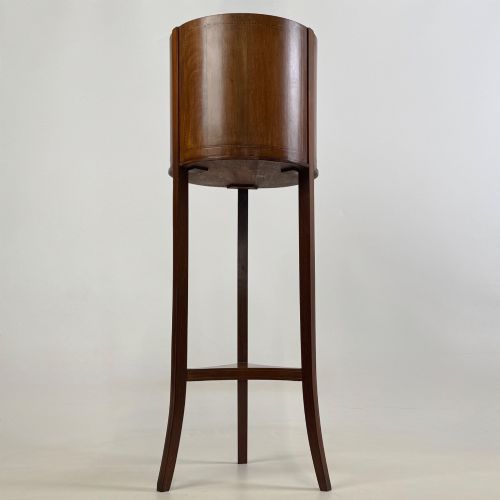
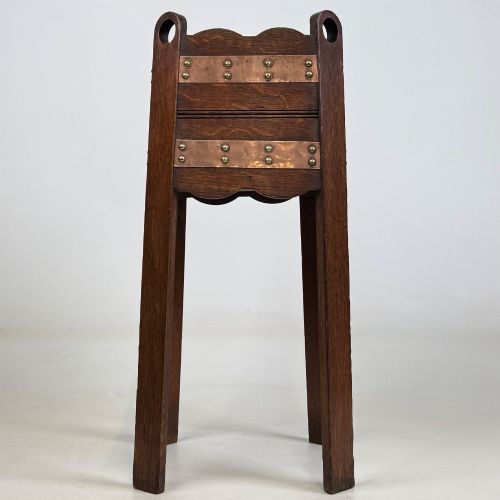
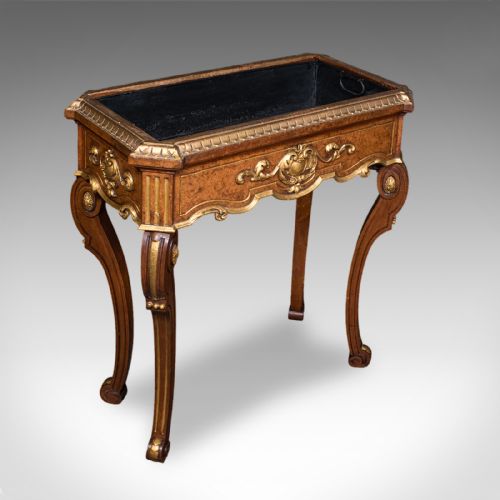
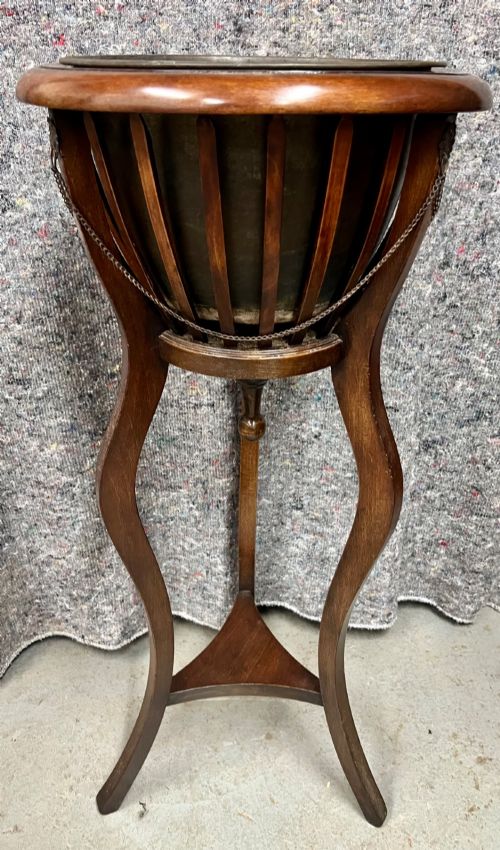
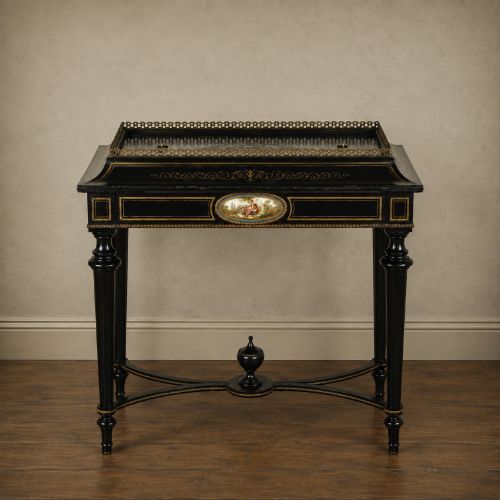
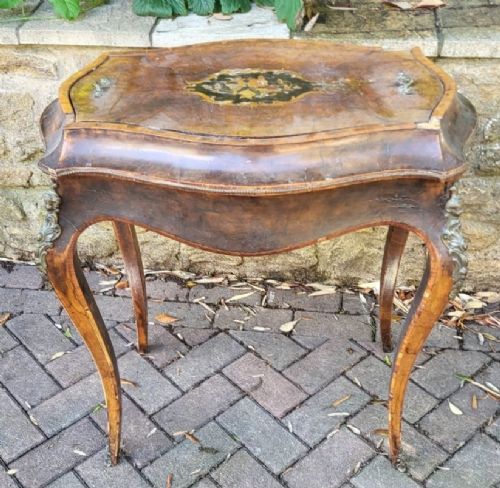
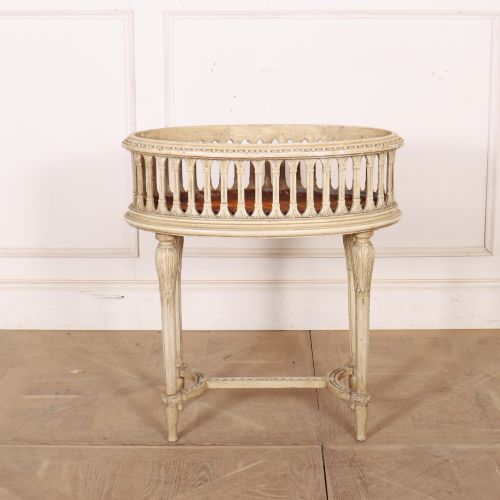
The version most commonly met on this page is the Edwardian or Victorian timber stand, often executed in mahogany, walnut, or burr walnut, sometimes incorporating inlaid marquetry or brass liners. Alongside these wooden examples appear pieces reflecting French Rococo Revival and Louis XV or Louis XVI styles, alongside utilitarian Arts and Crafts copper and wrought iron holders.
Makers and manufacturers varied from English cabinet makers working in mahogany and oak to French workshops applying ormolu mounts and painted porcelain plaques to kingwood and ebonised carcasses. The primary function remained the display of potted plants and flowers, though some variants included lift-off lids or served dual purposes as decanter caddies.
How They Were Made
Makers constructed these pieces using dense hardwoods such as mahogany, walnut, satinwood, and kingwood, frequently enhanced with burr walnut veneers and intricate marquetry inlays. Cabinet makers also utilised oak and box tree for structural elements, while ebonised finishes provided dark, uniform surfaces for decorative mounts.
Metal components played a structural and decorative role, with brass, copper, and gilt metal utilised for plant liners, banding, and handles, alongside cast ormolu mounts fixed to French and English designs. Ceramic and porcelain elements, including painted plaques and Royal Worcester pots, were integrated into the wooden or metal frames to add colour and texture.
Specialised construction techniques included coopered barrel construction for wooden staves held by brass bands, and hand-carved detailing on walnut, oak, and giltwood frames. Liners in zinc or metal protected the surrounding timber from moisture damage caused by watering live plants.
Some nineteenth-century tables served a double life, doubling as decanter caddies when the plant pot was lifted away.
What Varies in Quality
The distinction between ordinary and superior pieces rests on the choice of timber and the precision of the veneer work, with figured burr walnut and finely matched satinwood commanding greater appreciation than plain structural hardwoods. Marquetry inlay executed with varied contrasting woods indicates a higher level of cabinet-making skill than simple painted or stamped decoration.
Hardware and mounts differentiate standard production from high-end workshop output, as heavy, finely chased ormolu mounts and substantial brass or copper liners show greater investment in materials than thin pressed metal. The integration of hand-painted porcelain plaques or specific ceramic inserts elevates a standard plant stand into an ornate decorative furnishing.
The Standing Indoor Planter Glossary
- Jardiniere
- An ornamental pot or stand for holding plants or flowers. These items often feature internal metal liners to protect the exterior material.
- Ormolu
- Gilded bronze or brass applied as decorative mounts on furniture. This technique was frequently utilised on French-influenced pieces during the nineteenth century.
- Marquetry
- Decorative veneer work formed by fitting together small pieces of coloured wood, ivory, or shell to create pictorial patterns. It appears frequently on walnut and satinwood surfaces.
- Cache pot
- A decorative flower pot used to conceal a plain inner plant pot. Examples in the evidence include glazed ceramic versions paired with stands.
- Coopered
- Built from vertical wooden staves bound together with metal hoops, resembling the construction of a barrel. This method was often applied to oak plant stands.
- Kingwood
- A dense, richly grained tropical timber featuring dark purple-brown markings, utilised for high-status cabinet work. It appears on nineteenth-century French and English decorative tables.
Standing Indoor Planter: Frequently Asked Questions
What is a jardiniere table?
A jardiniere table is a piece of furniture combining a surface or container for plants with table legs, sometimes featuring a removable lid.
These pieces were designed for drawing rooms and parlours to incorporate indoor greenery directly into entertaining spaces.
How were metal liners used?
Metal or zinc liners sat inside the wooden or ceramic outer vessel to hold soil and water.
This prevented moisture from rotting the surrounding mahogany, walnut, or ebonised framework during daily plant maintenance.
Are these pieces suitable for plants?
Many historic stands retain their original metal or waterproof liners, making them functional for potted plants today.
Collectors often use modern plastic pots inside the historic containers to protect antique surfaces from direct moisture contact.
How do I identify Edwardian examples?
Edwardian plant stands frequently feature lighter timbers such as satinwood, simpler classical lines, and inlaid mahogany.
They generally date from the period around nineteen hundred and reflect domestic interiors that favoured brighter, less cluttered arrangements than the Victorian era.