

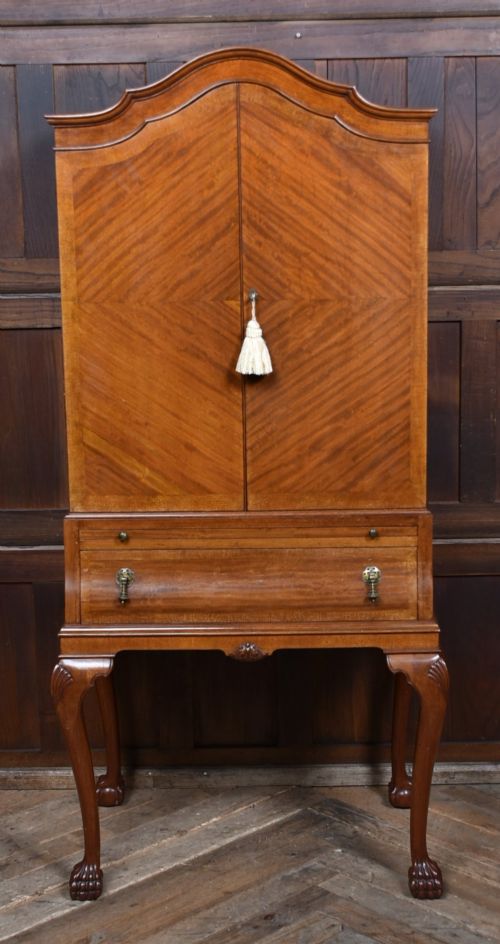
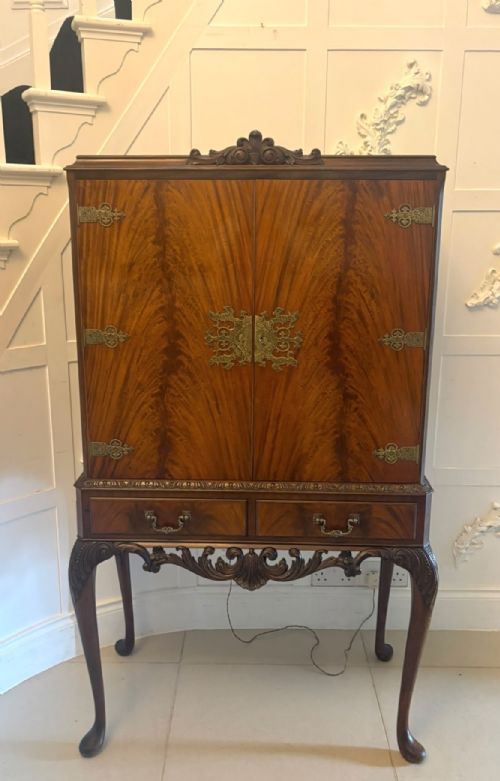
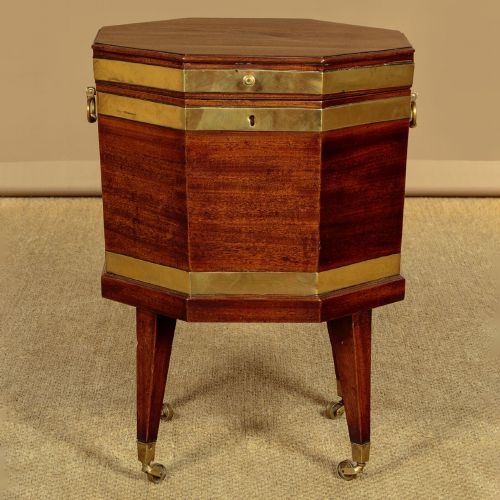


Standing Bar Cabinet
A standing bar cabinet provides a dedicated station for hosting, bringing refined form and function to the home.
Standing Bar Cabinet
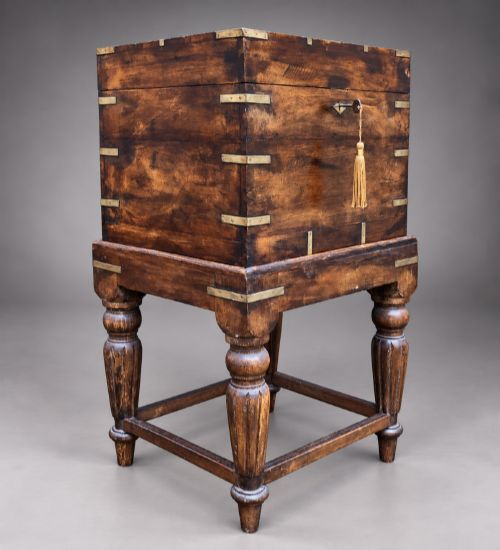
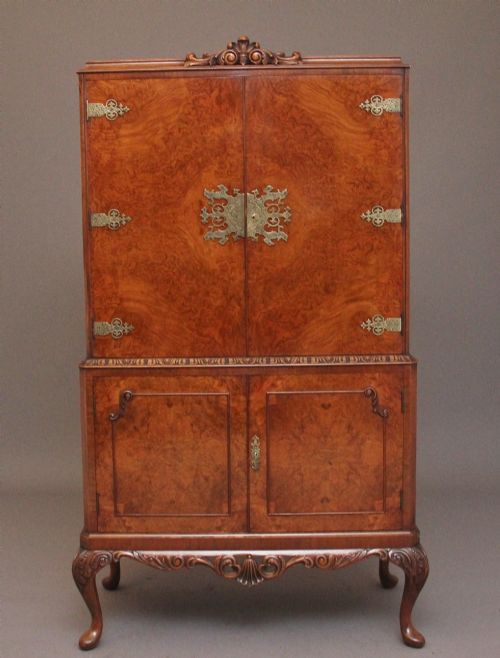
A standing bar cabinet encompasses elevated storage for bottles, glassware, and mixing equipment, drawing from a rich timeline of social furniture. When exploring a standing bar cabinet, buyers frequently encounter 1930s burr walnut cocktail cabinets alongside earlier Georgian wine coolers and cellarettes on stands.
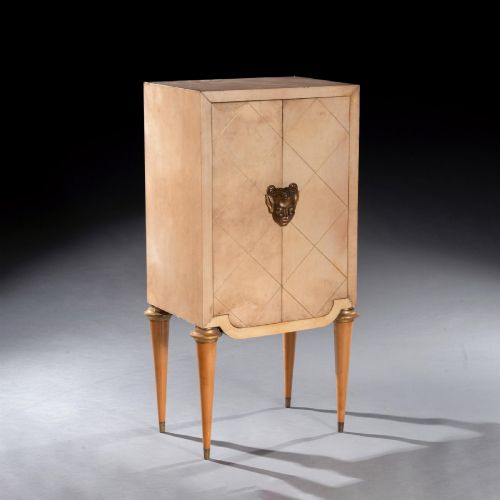
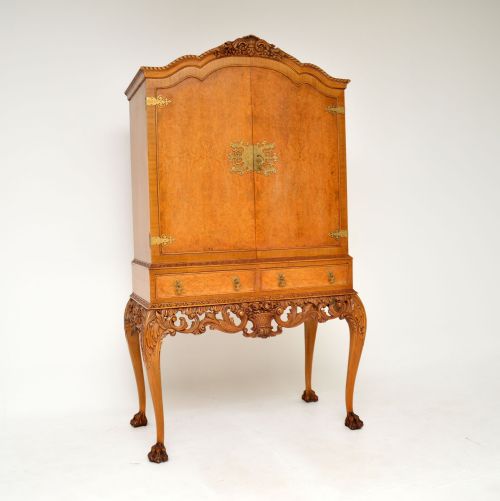
The selection ranges from Art Deco interpretations and Queen Anne revival pieces to Edwardian mahogany designs and striking Chinoiserie or lacquer finishes. Formats include double bow fronts, cabinets on stands, and dedicated drinks tables designed to hold spirits securely.
Origins stretch from English workshops to French and Venetian makers, reflecting changing fashions in entertaining from the eighteenth century through the mid-twentieth century.
Distinguishing quality across examples
The distinction between standard production and exceptional pieces lies in the choice of timber and the precision of veneer matching. Superior examples display continuous grain alignment across doors and panels, alongside refined interior detailing such as original illuminated glass or hand-tooled surfaces.
Structural integrity and the retention of original hardware, locks, and internal fitments elevate a piece considerably. Maker attribution, through stamps or known house designs, further separates master-workshop output from generic commercial cabinet making.
Listings span the eighteenth century to the 1940s, uniting Georgian wine coolers with Art Deco burr walnut cocktail cabinets.
Maurice Jallot·Hille·Epstein and Co Furniture·Waring & Gillows·Liberty's of London
The Standing Bar Cabinet Glossary
- Cellarette
- A lockable container used for storing wine bottles safely within a dining room. These often sat on dedicated floor stands or low legs.
- Burr Walnut
- A highly figured timber sliced from the wart-like growths on walnut trees. It yields swirling, decorative patterns prized for cabinet doors.
- Cocktail Cabinet
- A specialised piece of furniture popularized in the twentieth century for mixing drinks. They generally include mirrored interiors and pull-out mixing surfaces.
- Wine Cooler
- A deep vessel or cabinet designed to hold bottles chilling in ice. Eighteenth-century versions frequently incorporated lead linings and brass bands.
Standing Bar Cabinet: Frequently Asked Questions
What is the difference between a cellarette and a cocktail cabinet?
A cellarette is a traditional Georgian or eighteenth-century container built specifically to store and lock wine bottles near the dining table. They often feature lead linings and robust stands.
Cocktail cabinets emerged later, particularly in the twentieth century, and are designed for mixing spirits with mirrored internal shelves, glass holders, and slide-out preparation trays.
How do I identify an Art Deco drinks cabinet?
Art Deco drinks cabinets typically date from the 1930s and rely on striking geometric forms, waterfall edges, and high-gloss burr walnut veneers. They frequently incorporate parchment inlays or contrasting metal accents.
Unlike earlier revival styles, they avoid ornate historical carving in favor of clean architectural lines and functional modern glamour.
Were these cabinets originally fitted with lights?
Many twentieth-century cocktail cabinets feature internal illumination wired into the upper compartment. This lighting was designed to highlight glassware and mirror backs when hosting evening guests.
Earlier eighteenth and nineteenth-century pieces naturally relied on ambient room lighting rather than electrical fittings.
How should I care for a burr walnut surface?
Burr walnut veneers require protection from direct sunlight and excessive humidity to prevent the timber from fading or warping. Regular dusting with a soft, dry cloth maintains the finish.
Applying occasional appropriate furniture wax nourishes the wood without building up heavy chemical residues.